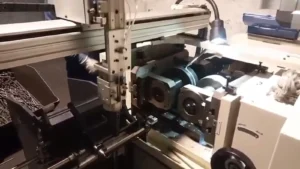

Automatic Steel Shaft and Bar Straightening Solution
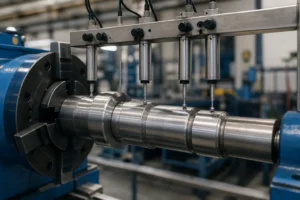
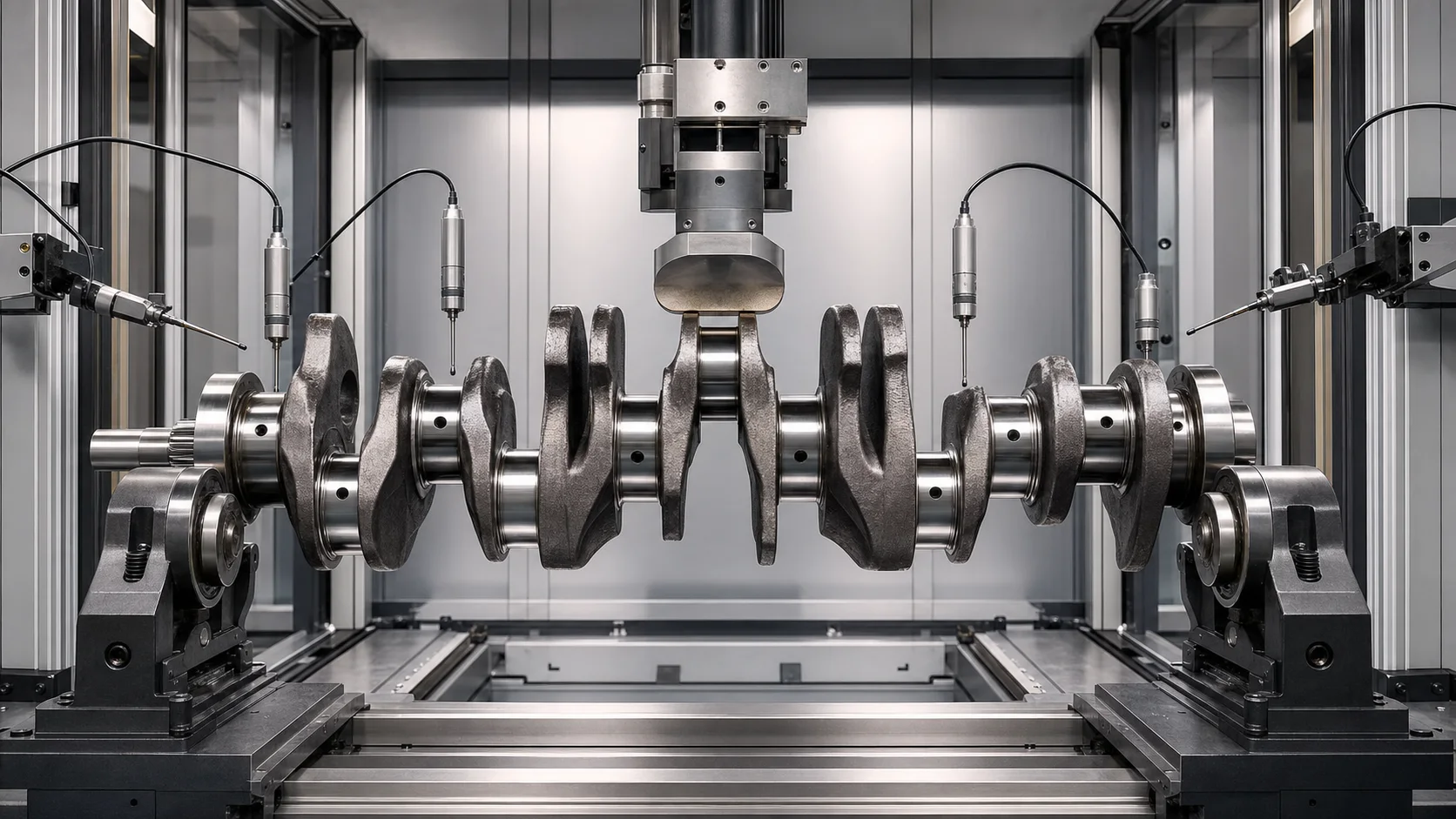
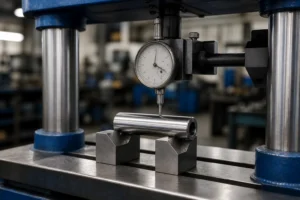
A proposed automatic straightening solution for 183–720 mm steel shafts and bars, covering multi-diameter runout measurement, 1–5 correction points, adaptive pressing and final verification.


A proposed automatic straightening solution for 183–720 mm steel shafts and bars, covering multi-diameter runout measurement, 1–5 correction points, adaptive pressing and final verification.


A sample-based straightening solution for small-diameter medical drill components, covering low-force measurement, functional datums, micro-correction, automatic handling and documented verification.


A sample-based straightening solution for long stepped medical drill components, covering section-specific datums, low-force measurement and protected correction zones.
The straightness of an ejector pin directly impacts the overall lifespan of the mold and the quality of the injection-molded/die-cast parts. Starting from technical principles, this article provides an in-depth analysis of key technical points in straightening slender ejector pins, including: process method comparison (manual/multi-roll vs. horizontal point straightening), high-precision measurement methods, process parameter optimization strategies, and solutions to machining challenges. Through detailed technical data and an actual manufacturing case from a Swiss customer, we demonstrate the exceptional performance of


Compare press and roller straightening for shafts, bars and tubes by geometry, datum, throughput, surface risk, measurement and sample-validation needs.


A proposed automatic straightening solution for Ø4.5–16 mm hardened textile shafts, covering datum-based measurement, low-increment press correction, crack control and final verification.


A datum-based straightening solution for toothed medical drill components, covering profile-aware measurement, protected contact zones, controlled correction and documented verification.
The straightness of a connecting rod sleeve (extension bar) directly impacts the concentricity and operational stability of power tools or assembly systems. Starting from technical pain points, this article provides an in-depth analysis of key techniques for straightening slender sleeves with a 6.35mm diameter and 200mm length. We explore deformation control for extreme length-to-diameter ratios, automated bulk feeding technology (arbitrary placement with automatic orientation), and servo-precision straightening algorithms. Through detailed technical insights and real-world cases, we demonstrate how this customized


A drawing-based steering rack straightening solution for asymmetric and toothed sections, covering datum selection, profile-aware measurement, controlled pressing and final verification.
In modern industrial production, bolts are an important fastener, and their quality is directly related to the safety and reliability of the product. However, during the production and use of bolts, bending deformation may occur due to various reasons, which not only affects the appearance of the bolts, but may also cause them to fail to function properly. In order to solve this problem, as a fully automatic straightening machine manufacturer, we are committed to providing customers with efficient and
Spring-tempered fine stainless steel wire is widely used in precision electronics, medical consumables, and micro-spring manufacturing. However, its extremely high tensile strength and elastic limit pose a massive challenge for uncoiling and straightening. Starting from technical pain points, this article provides an in-depth analysis of key techniques for straightening high-elasticity 0.3mm stainless steel wire. We explore the strategies to control elastic rebound, the optimal combination of material and position for Straightening Blocks, and high-speed shearing technology for perfectly flat cuts.
Project Background Straightening is required for surgical drills to ensure accuracy, precision, and safety during surgical procedures. There are several reasons why straightening surgical drills is essential: What is the conventional method for straightening surgical drills? The surgical drills are normally straightened manually. However, the practice of manual straightening for surgical drills poses several challenges. Firstly, manual alignment can be time-consuming and labor-intensive; Secondly, human error may lead to imperfect alignment, compromising the drill’s accuracy and risking patient safety. Additionally,