
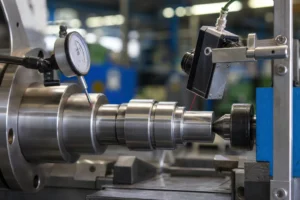
Medical & Precision Components
Contact vs Non-Contact Straightness Measurement
Choose contact or non-contact straightness measurement by the measurand, datum, surface, section, speed, environment, support and correlation evidence.
Choose contact or non-contact straightness measurement by the measurand, datum, surface, section, speed, environment, support and correlation evidence.

A closed-loop measurement and press-straightening solution for slender motor worm shafts, including datum selection, springback control and protected features.
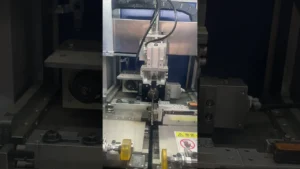
A manufacturing-focused solution for measuring and straightening concrete drill bits while protecting carbide heads, flutes, joints and SDS shanks.
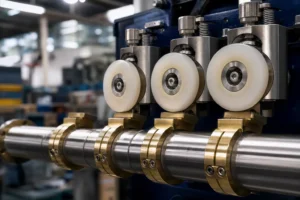
Protect workpiece surfaces during straightening by defining roll or contact geometry, permitted zones, cleanliness, wear limits, pressure validation.

Engineer industrial gear rack straightening around back and side datums, full-length bend and twist, protected teeth, joint-pitch alignment and installed mesh acceptance.

Engineer elevator guide rail straightening around manufacturing-stage geometry, section datum, bow and twist mapping, protected contact and released-state acceptance.

Connecting rod sleeve straightening: how slender extension-bar sleeves are measured, protected and straightened to tight runout for power tools.
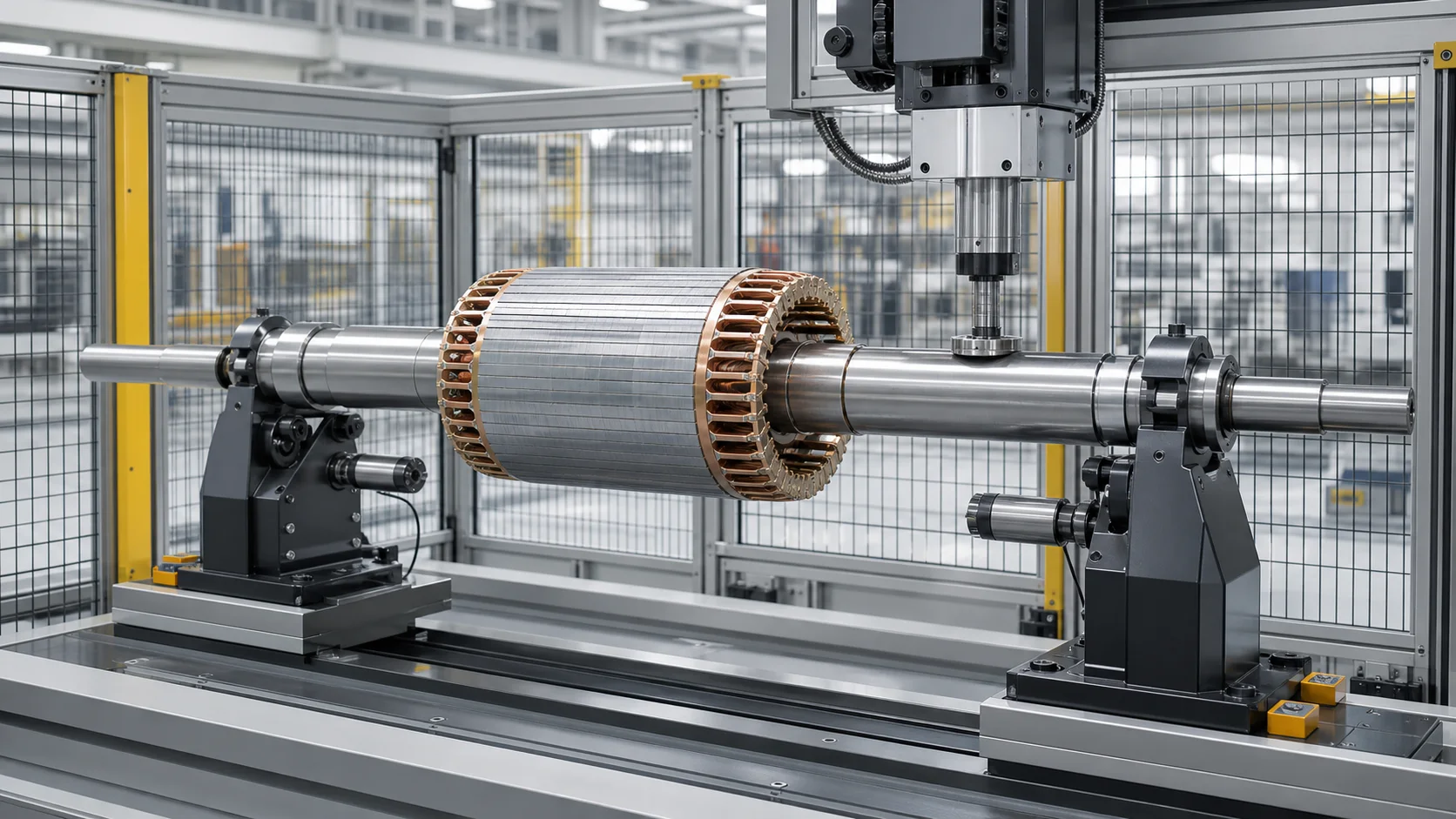
Engineer electric motor rotor straightening around assembly stage, bearing-journal datums, protected rotor packs, safe shaft-only correction.

Engineer linear guide rail straightening around full-length bending and twist, functional datum faces, protected raceways, free support and installation-relevant acceptance.

How to make good bolts with a straightener: measure bend, protect threads, press-correct in controlled steps and re-inspect runout before delivery.

An engineering guide to steering knuckle distortion: datum architecture, deformation patterns, measurement strategy, correction routes for cast and forged knuckles, acceptance gates and common pitfalls.
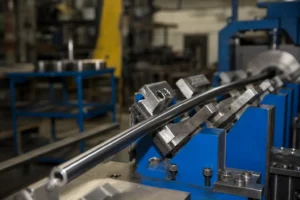
Plan gun drill and deep-hole drill straightening around the correct datum, protected flute and head zones, controlled correction and released-state inspection.