
การยืดผมแบบกดจุดเป็นวิธีการแก้ไขเฉพาะจุดที่มีการควบคุม, ไม่ใช่แค่การกดตรงบริเวณที่ชิ้นส่วนดูงอ. กระบวนการจะต้องเชื่อมต่อแผนที่เรขาคณิตที่ถูกต้องกับข้อมูลที่ได้รับอนุมัติ, จุดสนับสนุน, เส้นทางปฏิกิริยา, สถานที่แก้ไขที่ได้รับอนุญาต, การควบคุมส่วนเพิ่มและการวัดผลในสถานะที่ปล่อยออกมา. โดยไม่ต้องวนซ้ำนั้น, การกดจังหวะสามารถสร้างเครื่องหมายได้, ย้ายคุณสมบัติที่อยู่ติดกันหรือลดการอ่านตัวบ่งชี้ชั่วคราวโดยไม่เป็นไปตามข้อกำหนดการยอมรับจริง.
นี่คือกรอบกระบวนการ. ไม่ได้อ้างสิทธิ์ในการกดแรงของ StraighteningTech, จังหวะ, อัลกอริธึมการควบคุม, ช่วงวัสดุ, ความแม่นยำ, รอบเวลาหรือความเข้ากันได้ของชิ้นงาน. ค่าเหล่านั้นจำเป็นต้องมีการตรวจสอบการวาดภาพและตัวอย่างที่ได้รับการตรวจสอบแล้ว.
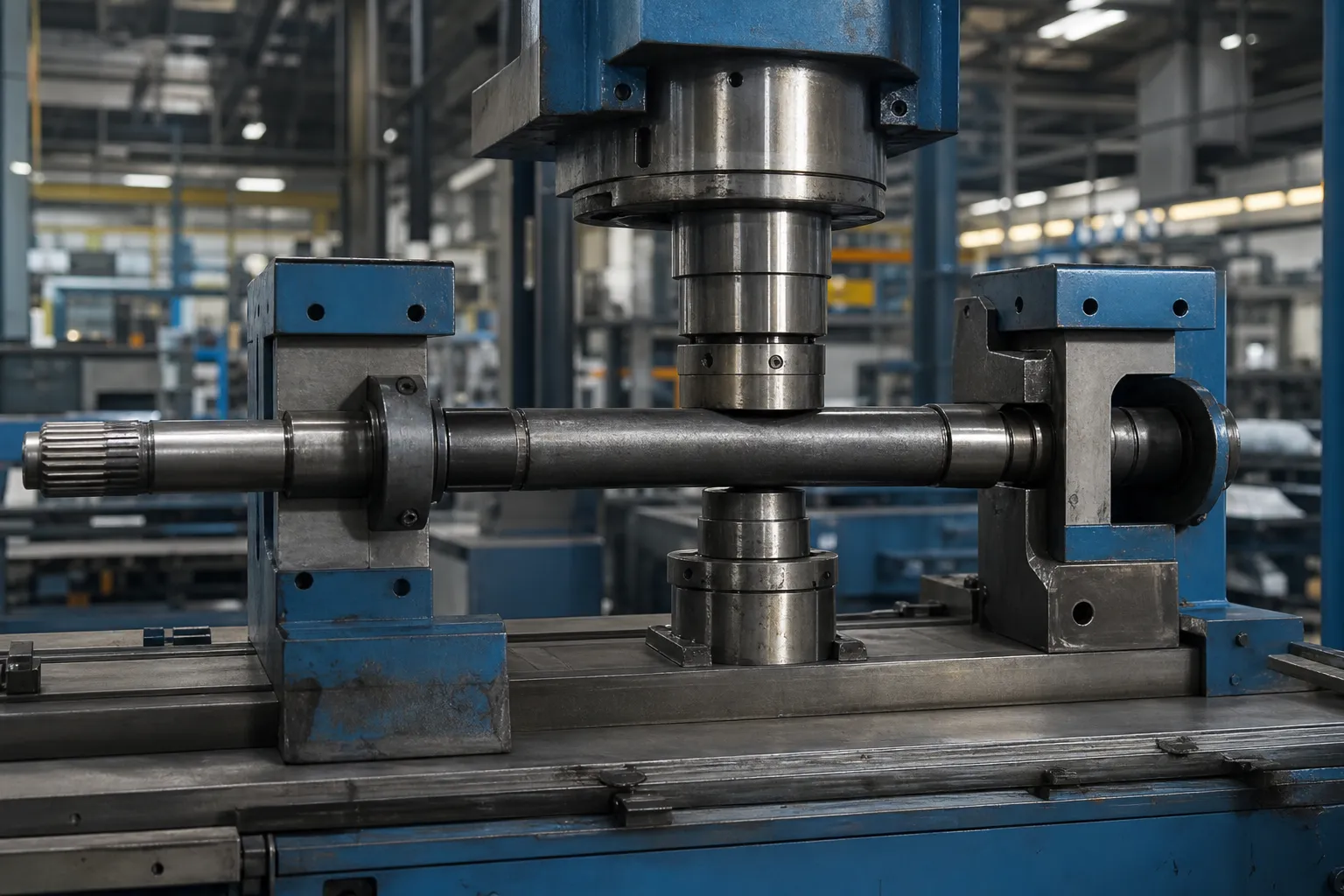
*ภาพประกอบทางวิศวกรรม. โดยจะแสดงบริบทการแก้ไขการกดที่เป็นไปได้สำหรับตระกูลชิ้นงานเฉพาะ, ไม่ใช่สูตรกระบวนการสากลหรือความจุในท้องถิ่นที่ตรวจสอบแล้ว*
กำหนดสิ่งที่กระบวนการกำลังแก้ไข
ลักษณะที่ต้องการอาจเป็นความตรงตลอดช่วง, การเบี่ยงเบนหนีศูนย์ในแนวรัศมีสัมพันธ์กับแกน Datum, การกวาดด้านข้าง, ความสัมพันธ์ของคุณลักษณะเฉพาะที่หรือเรขาคณิตควบคุมอื่นๆ. ต้องตั้งชื่อก่อนจึงจะเลือกสื่อได้. ข้อผิดพลาดเกี่ยวกับความเป็นวงกลม, การหยุดชะงักของพื้นผิว, สัญญาณฟิกซ์เจอร์หรือแคมเบอร์โดยเจตนาไม่สามารถแก้ไขได้ราวกับว่าเป็นการโค้งงอแบบเดียวกัน.
ใช้ ความตรงของเพลา, การวิ่งหนีและ TIR เมื่อชิ้นส่วนถูกตรวจสอบแบบหมุน. หลอด, ประวัติโดยย่อ, ฤดูใบไม้ผลิ, ชิ้นงานวงแหวนและรอยเชื่อมต้องมีรูปทรงและขอบเขตกระบวนการของตัวเอง.
สร้างแผนที่ข้อผิดพลาดเริ่มต้น
แผนการวัดควรระบุข้อมูลที่ได้รับอนุมัติ, การวางแนวส่วนหนึ่ง, สถานีแกน, เงื่อนไขการสนับสนุน, วิธีการเซ็นเซอร์และการตรวจสอบซ้ำ/ที่นั่ง. การอ่านจุดกึ่งกลางครั้งเดียวอาจพลาดโค้งหลายจุดหรือสร้างความสับสนให้กับแรงโน้มถ่วงที่ลดลงและการเปลี่ยนแปลงฟิกซ์เจอร์ด้วยรูปทรงของชิ้นส่วน.

*ภาพประกอบทางวิศวกรรม. แสดงให้เห็นแผนที่การวัดก่อนการแก้ไข; ที่ตั้งสถานีจริง, ต้องยึดโพรบและ Datum จากแบบควบคุม*
| อินพุตเพื่อตรึง | มันสนับสนุนการตัดสินใจ |
|---|---|
| การวาดข้อมูลและกฎการยอมรับ | กำหนดสิ่งที่การวัดต้องเป็นตัวแทน |
| แผนที่เรขาคณิตเริ่มต้น | ระบุโซนการแก้ไขของผู้สมัครและความเสี่ยงในการโต้ตอบ |
| การสนับสนุนและจุดตอบสนองที่ได้รับอนุมัติ | ป้องกันไม่ให้เส้นทางแรงสร้างสัญญาณที่ไม่ได้ตั้งใจ |
| คุณสมบัติที่ได้รับการป้องกันและขีดจำกัดของพื้นผิว | กำหนดว่าห้ามติดต่อที่ไหน |
| ขั้นตอนวัสดุและกระบวนการ | กำหนดการตอบสนองที่เป็นไปได้, ข้อจำกัดสปริงแบ็คและดาวน์สตรีม |
กลไกของจังหวะกดจุด
การแก้ไขการกดจุดเป็นการโค้งงอสามจุดที่ดำเนินการตามวัตถุประสงค์. ส่วนรองรับสองตัวและจุดกดหนึ่งจุดจะสร้างเฟรมการโหลด: กดดันส่วนไปทางส่วนรองรับ, โมเมนต์การดัดงอจะถึงจุดสูงสุดที่จุดกดและตกลงไปทางแนวรับ, และเส้นใยด้านนอกที่ตำแหน่งแก้ไขจะส่งผ่านในขณะที่แกนกลางของส่วนยังคงยืดหยุ่น. เมื่อออกแรงแล้ว, แกนยางยืดจะพยายามสปริงส่วนกลับในขณะที่เส้นใยที่ได้จะคงรูปร่างใหม่ไว้ — ชุดถาวรคือความแตกต่าง, และศิลปะของกระบวนการคือการส่งมอบงานพลาสติกให้เพียงพอเพื่อให้ชิ้นส่วนที่ปล่อยออกมาอยู่ในเกณฑ์ความคลาดเคลื่อน. ผลที่ตามมาสามประการตามมาโดยตรงจากภาพนี้. การแก้ไขเป็นแบบท้องถิ่น: โซนพลาสติกเน้นรอบจุดกด, ซึ่งเป็นเหตุผลว่าทำไมแผนที่ข้อผิดพลาดจึงแนะนำตำแหน่งที่จะกดมากกว่าสัญชาตญาณ. กระบวนการนี้จำกัดตัวเองก็ต่อเมื่อได้รับการปฏิบัติแบบค่อยเป็นค่อยไป: ขนาดจังหวะเดียวไม่สามารถยกเลิกการกดในแง่ดีได้. และเรขาคณิตของส่วนนั้นเอง — ความแปรผันของความแข็ง, การเปลี่ยนแปลงของมัน, ประวัติการเสียรูปก่อนหน้านี้ — ปรับทุกอย่าง, ซึ่งเป็นเหตุผลว่าทำไมการตั้งค่าระยะชักที่เหมือนกันจึงไม่ถ่ายโอนแบบสุ่มสี่สุ่มห้าระหว่างเส้นผ่านศูนย์กลาง, วัสดุหรือจำนวนมาก, และเหตุใดจึงเกิดเอฟเฟกต์การโหลดแบบย้อนกลับ, ตามที่อธิบายไว้สำหรับ เอฟเฟ็กต์เบาชิงเกอร์, เปลี่ยนการตอบสนองของส่วนที่ได้รับการแก้ไขไปแล้วครั้งหนึ่ง.
Support Span เป็นพารามิเตอร์การปรับแต่งหลัก
ผู้ปฏิบัติงานเข้าถึงแรงเมื่อควรเข้าถึงรูปทรง. การเคลื่อนตัวรองรับจะเปลี่ยนการแก้ไขก่อนที่จะสัมผัสค่าแรงใดๆ: รองรับกระจายกว้างให้ยาว, สนามการโค้งงอที่นุ่มนวล — แรงกดเดียวกันทำให้เกิดการโก่งตัวที่มากขึ้นซึ่งกระจายไปทั่วโซนที่ยาวกว่า, เหมาะกับคันธนูกว้างคันเดียว; รองรับการปิดรอบจุดแก้ไข รวมพลังงานเดียวกันให้เป็นระยะสั้น, การแก้ไขเชิงลึก, เหมาะสมกับจุดบกพร่องในท้องถิ่นแต่ยากกว่าบนพื้นผิวและส่วนต่างๆ. Span ยังกำหนดข้อได้เปรียบทางกลของจังหวะด้วย: ยิ่งรองรับมากเท่าไร, ยิ่งต้องการการแก้ไขแบบเดียวกันมากเท่าไร, ซึ่งเป็นเหตุผลว่าทำไมการลดระยะบนส่วนที่แข็งให้แคบลงจึงถึงขีดจำกัดของเครื่องจักรหรือชิ้นส่วนอย่างรวดเร็ว. กฎการปฏิบัติสองข้อหลุดออกไป. อันดับแรก, เลือกช่วงจากความยาวคลื่นของแผนที่ข้อผิดพลาด — คันธนูยาวจะได้ช่วงยาว, kinks ได้รับอันที่สั้น — และบันทึกตัวเลือกไว้ในบันทึกการตั้งค่า, เพราะ span เป็นพารามิเตอร์กระบวนการเหมือนกับอย่างอื่น. ที่สอง, รักษาสภาพการสนับสนุนเป็นส่วนหนึ่งของเครื่องมือ: เรขาคณิตสัมผัส, ความสะอาดและการสึกหรอเปลี่ยนเส้นทางปฏิกิริยาอย่างเงียบๆ, และ วินัยการใช้เครื่องมือป้องกันพื้นผิว ใช้กับส่วนรองรับทุกประการเหมือนกับที่ใช้กับจมูกกด.
เลือกจุดรองรับและจุดแก้ไขร่วมกัน
ไม่สามารถเลือกจุดกดแยกจากส่วนรองรับได้. ระยะห่างการสนับสนุน, ความแข็งของส่วน, ทิศทางของแรงและเรขาคณิตของหน้าสัมผัสจะสร้างเส้นทางปฏิกิริยา. การสนับสนุนที่ไม่ถูกต้องอาจทำให้สื่อท้องถิ่นดูมีประสิทธิภาพในขณะที่ถ่ายโอนข้อผิดพลาดไปที่อื่นหรือทำให้คุณสมบัติเสียหาย.
ก่อนทดลองใช้งานตัวอย่าง, เอกสาร:
- ตำแหน่งสนับสนุนและปฏิกิริยา, รวมถึงโซนไร้การสัมผัส;
- จุดแก้ไข, ทิศทางแรงและการวางแนวที่อนุญาต;
- วัสดุสัมผัส, ความสะอาดและการควบคุมความเสี่ยงในการทำเครื่องหมาย;
- การแก้ไขที่เพิ่มขึ้นสูงสุดและจำนวนความพยายาม;
- แผนการวัดการสปริงกลับ/การคลาย;
- เงื่อนไขการปฏิเสธแบบฮาร์ดและการตรวจสอบทางวิศวกรรม.
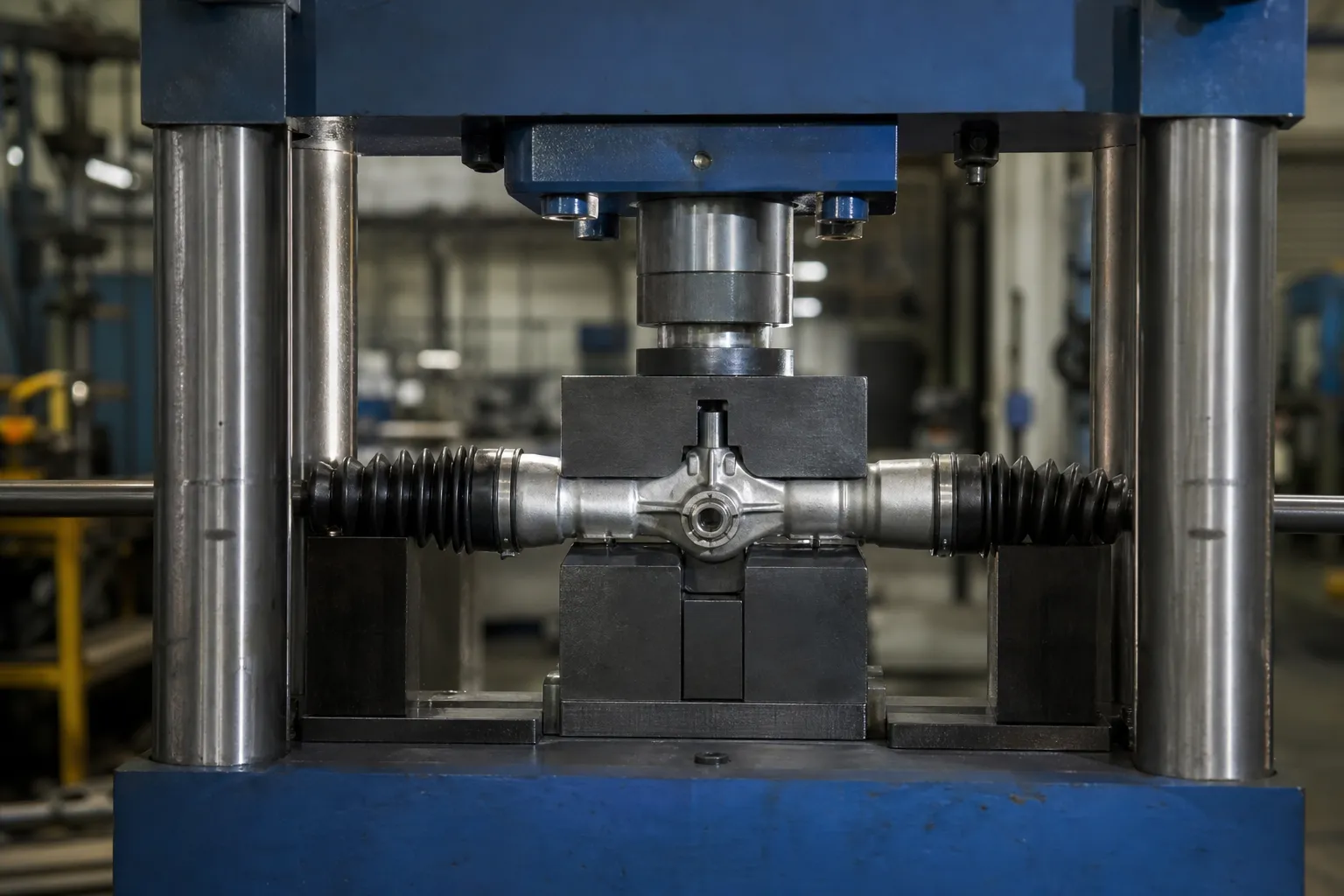
*ภาพประกอบทางวิศวกรรม. มันแสดงให้เห็นแนวคิดการแก้ไขแบบค่อยเป็นค่อยไป; มันไม่ได้กำหนดภาระการกด, จังหวะ, เครื่องมือหรือจุดแก้ไขที่ได้รับอนุมัติสำหรับชิ้นงานอื่น*
แก้ไขทีละน้อยและตรวจสอบอีกครั้งหลังการเปิดตัว
ลำดับวงปิดคือ:
- ระบุตระกูลชิ้นงานที่ได้รับการควบคุมและการแก้ไขแบบร่าง;
- ตรวจสอบความเสียหาย, ส่วนที่ผิด, สภาพพื้นผิวที่ต้องห้ามหรือการเสียรูปนอกขอบเขต;
- โหลด Datum ที่ได้รับการอนุมัติและตรวจสอบที่นั่ง;
- วัดแผนที่เรขาคณิตเริ่มต้น;
- เลือกแผนการสนับสนุนและการแก้ไขที่ได้รับอนุญาต;
- ใช้การแก้ไขส่วนเพิ่มภายในขอบเขตการทดสอบตัวอย่าง;
- ปล่อยพลังอย่างเต็มที่, ที่หนีบและความยับยั้งชั่งใจ;
- วัดเส้นทางที่จำเป็นทั้งหมดและบันทึกผลลัพธ์;
- กำหนดเส้นทางชิ้นส่วนไปที่ตกลง, NOK หรือการทบทวนทางวิศวกรรม.
การยอมรับขั้นสุดท้ายคือหลังจากการเปิดตัว. การอ่านในขณะที่ชิ้นส่วนยังอยู่ภายใต้แรงกดหรืออุปกรณ์ยึดจับฟิกซ์เจอร์ไม่สามารถใช้เป็นหลักฐานยืนยันผลลัพธ์สุดท้ายได้.
Springback เป็นตัวแปรกระบวนการ, ไม่ใช่ค่าคงที่
เนื่องจากรูปร่างที่ปล่อยออกมานั้นถูกกำหนดโดยการแข่งขันระหว่างเส้นใยที่ได้และแกนยางยืด, จังหวะเดียวกันทำให้เกิดการตั้งค่าถาวรที่แตกต่างกันบนชิ้นส่วนที่มีสภาพวัสดุแตกต่างกัน, ส่วนหรือประวัติก่อนหน้า. นั่นคือสปริงแบ็คเป็นตัวแปรกระบวนการ, และการปฏิบัติต่อมันเป็นปัจจัยแก้ไขคงที่คือการที่เส้นจบลงด้วยการแกว่งไปมารอบค่าเผื่อ. มีอธิบายวินัยที่จัดการกับมันอย่างซื่อสัตย์ การชดเชยสปริงกลับในการยืดเพลา: เรียนรู้การตอบสนองต่อตัวอย่างที่เป็นตัวแทน, ถูกต้องไปเรื่อยๆ, และเรียนรู้อีกครั้งเมื่อการแก้ไขล็อตวัสดุหรือชิ้นส่วนมีการเปลี่ยนแปลง. กับดักที่เกี่ยวข้องสมควรได้รับโทษของมันเอง: การกดชิ้นส่วนที่เกินกำหนดโดยตั้งใจ - เกินเพื่อชดเชยการสปริงกลับล่วงหน้า - ถูกต้องตามกฎหมายภายในสูตรที่ได้รับการตรวจสอบและขีดจำกัดที่กำหนดไว้, แต่วงจรการโอเวอร์ชูตและกดกลับซ้ำ ๆ จะสะสมความเสียหายจากการโหลดแบบย้อนกลับ, และขีดจำกัดความพยายามในการแก้ไขมีอยู่อย่างแม่นยำเพื่อหยุดลำดับนั้นก่อนที่จะกลายเป็นความเสี่ยงที่จะเกิดการแคร็ก, ต่อ กรอบการทบทวนความสมบูรณ์.
การอ่านข้อมูลระหว่างจังหวะ
แต่ละจังหวะในวงวนส่วนเพิ่มก็เป็นการทดลองเช่นกัน, และข้อมูลระหว่างจังหวะจะบอกผู้ปฏิบัติงานว่าเมื่อใดควรดำเนินการต่อและเมื่อใดควรหยุด. การบรรจบกันที่ดีจะแสดงข้อผิดพลาดที่เหลือลดลงตามจำนวนที่ลดลงในแต่ละจังหวะ — การตอบสนองต่อจังหวะที่ลดลงเมื่อชิ้นส่วนเข้าใกล้เป้าหมาย, ซึ่งเป็นลักษณะธรรมชาติของการแก้ไขที่มั่นคง. รูปแบบสามรูปแบบทำลายลายเซ็นนั้นและแต่ละความต้องการหยุดแทนที่จะกดดันให้หนักขึ้น. ไม่มีความคืบหน้า: เรขาคณิตหยุดตอบสนอง, หมายความว่ากระบวนการไม่เกี่ยวข้องกับข้อผิดพลาดอีกต่อไป - จุดแก้ไข, เงื่อนไขการสนับสนุนหรือสถานะชิ้นส่วนมีการเปลี่ยนแปลงภายใต้ผู้ปฏิบัติงาน. ผลตอบแทนลดลงพร้อมกับความพยายามที่เพิ่มขึ้น: แต่ละจังหวะจะเคลื่อนชิ้นส่วนน้อยลงในขณะที่การกดทำงานหนักขึ้น — ส่วนดังกล่าวจะต่อสู้กลับด้วยการแข็งตัวของความเครียด, และการค้าขายอย่างต่อเนื่องโดยการลดกำไรทางเรขาคณิตจากการสะสมความเสียหายของวัสดุ. การสั่น: ส่วนที่ตัดผ่านระบุในทิศทางสลับกัน จังหวะต่อจังหวะ — กฎการแก้ไขมีการตอบสนองมากเกินไป, บ่อยครั้งเนื่องจากมีการปรับเทียบตามการตอบสนองที่แตกต่างกัน, และการแก้ไขคือสูตร, ไม่ใช่ส่วนหนึ่ง. การสร้างรูปแบบการหยุดทั้งสามแบบนี้ในขั้นตอนการทำงานจะแปลงข้อมูลระหว่างจังหวะจากสัญญาณรบกวนไปเป็นสัญญาณเตือนคุณภาพที่เร็วที่สุดของสายการผลิต.
รู้ว่าเมื่อใดการกดจุดไม่ใช่เส้นทางที่ถูกต้อง
การกดจุดไม่ใช่วิธีการเริ่มต้นสำหรับทุกผลิตภัณฑ์. สายต่อเนื่อง, ท่อผนังบาง, โปรไฟล์ไม่สมมาตร, แหวน, ฤดูใบไม้ผลิ, ชิ้นส่วนที่วิกฤตต่อความล้าหรือไวต่อการเชื่อมอาจต้องใช้แนวทางที่แตกต่างออกไป, เครื่องมือเฉพาะหรือการทบทวนกระบวนการแยกต่างหาก. ดู การกดกับการยืดผมด้วยลูกกลิ้ง สำหรับขอบเขตการเลือกวิธีการ.
ตัวอย่างการทดสอบและการยอมรับ
แผนตัวอย่างควรรวมชิ้นส่วนขาเข้าปกติและกรณีที่แย่ที่สุด, ดิบก่อน/หลังเรขาคณิต, ติดตั้งซ้ำได้, การตรวจสอบพื้นผิว, การตรวจสอบวัสดุ/คุณสมบัติที่จำเป็น, ขีดจำกัดความพยายามสูงสุดและความสัมพันธ์กับเกจอ้างอิงของลูกค้า. หากเกิดรอยแตกร้าว, ความแข็ง, NDT, การบดหรือการปรับสมดุลมีความเกี่ยวข้อง, พวกเขายังคงเป็นความรับผิดชอบในการยอมรับอย่างเป็นอิสระ.
ใช้ การทดสอบและการยอมรับตัวอย่างให้ตรง เพื่อกำหนดหลักฐานที่จำเป็นก่อนการเรียกร้องการผลิตหรือการตัดสินใจ FAT/SAT.
คำถามที่พบบ่อย
สามารถกดจุดได้รับประกันความแม่นยำเฉพาะ?
เลขที่. ผลลัพธ์ที่ได้ขึ้นอยู่กับชิ้นงาน, ข้อมูล, สถานะของวัสดุ, สนับสนุน, โซนการติดต่อ, การตอบสนองตัวอย่างและวิธีการตรวจสอบที่ตกลงกัน.
เป็นจุดบ่งชี้สูงสุดคือจุดแก้ไขเสมอ?
เลขที่. ต้องเลือกจุดแก้ไขจากแผนที่เรขาคณิตและเส้นทางปฏิกิริยาที่ได้รับอนุมัติ, ไม่ใช่จากการสังเกตด้วยภาพหรือตัวบ่งชี้ที่แยกจากกัน.
แท่นพิมพ์สามารถซ่อมแซมรอยแตกร้าวหรือเปลี่ยน NDT ได้?
เลขที่. การยืดผมไม่สามารถซ่อมแซมข้อบกพร่องของวัสดุและไม่ได้แทนที่กระบวนการตรวจสอบที่ผ่านการรับรอง.
เหตุใดการกดครั้งเดียวจึงทำให้ชิ้นส่วนที่เหมือนกันสองชิ้นเคลื่อนที่ต่างกัน?
เนื่องจากรูปทรงที่ปล่อยออกมาจะขึ้นอยู่กับสภาพของวัสดุ, รายละเอียดส่วนและการเสียรูปก่อนหน้า, ไม่ได้อยู่ที่รูปลักษณ์ภายนอก. ต่างกันเยอะ, สถานะการรักษาความร้อนหรือรอบการแก้ไขก่อนหน้าทั้งหมดจะเปลี่ยนสมดุลระหว่างพลาสติกกับยางยืดที่สโตรกทำงาน. วิธีแก้ไขคือการเรียนรู้การตอบสนองของแต่ละครอบครัวต่อตัวอย่าง และตรวจสอบอีกครั้งเมื่อมีการเปลี่ยนแปลงจำนวนมาก.
เมื่อใดควรขยับส่วนรองรับให้ชิดกันมากขึ้น?
เมื่อแผนที่แสดงข้อผิดพลาดสั้น ๆ, หงิกงอในท้องถิ่นมากกว่าธนูกว้าง. ช่วงที่แคบจะเน้นไปที่การแก้ไขตรงจุดที่เกิดข้อผิดพลาด; มีช่วงกว้างแผ่ออกไป. ตัวเลือก span อยู่ในการตั้งค่าที่บันทึกไว้, เพราะมันเปลี่ยนทั้งรูปร่างการแก้ไขและแรงที่ชิ้นส่วนต้องแบกรับ.
หมายความว่าอย่างไรเมื่อชิ้นส่วนหยุดตอบสนองต่อการแก้ไข?
กระบวนการไม่เกี่ยวข้องกับข้อผิดพลาดอีกต่อไป — เป็นเงื่อนไขที่ไม่มีความคืบหน้า. ทำให้เกิดช่วงตั้งแต่จุดแก้ไขที่เปลี่ยนแปลงไปจนถึงการตั้งค่าหรือการเปลี่ยนสถานะบางส่วน, และการตอบสนองที่กำหนดไว้คือการหยุดและกำหนดเส้นทางชิ้นส่วนเพื่อตรวจสอบ, ไม่ใช่เพื่อเพิ่มกำลัง. การกดอย่างต่อเนื่องจะทำให้งบประมาณการเปลี่ยนรูปของชิ้นส่วนไม่เหลืออะไรเลย.
ยืดผมก่อน VS หลังเจียร
ไม่มีหน้า Canonical อิสระที่ถูกเก็บรักษาไว้ ยืดตรงก่อนและหลังเจียร เนื่องจากความต้องการการจับคู่แบบตรงทั้งหมดในอุตสาหกรรมมีน้อย. ลำดับขั้น, ค่าเผื่อสต็อกและการถ่ายโอนข้อมูลอยู่ในแถบปลอมแปลง, หน้ากระบวนการกดจุดและหลายจุด. ยืนยันว่าการเจียรจะขจัดวัสดุที่ทำให้การอ่านค่าความตรงก่อนหน้านี้เป็นโมฆะก่อนที่จะล็อกเส้นทางการผลิตหรือไม่.
เส้นโค้งการเคลื่อนที่ของแรงในการยืดผม
เพจเฉพาะสำหรับ คู่มือเส้นโค้งการเคลื่อนที่ของแรงยืดตรง จะไม่ได้รับการดูแลโดยไม่มีความต้องการแบบสอบถามที่ผ่านการตรวจสอบแล้ว. การตีความ Troke ของ Force, ขีดจำกัดความปลอดภัยและเงื่อนไขการหยุดกระบวนการมีการอธิบายในการกดจุด, หน้าตรวจจับรอยร้าวและหลายจุด. สัญญาณเตือนตามเส้นโค้งใดๆ จะต้องได้รับการตรวจสอบความถูกต้องบนชิ้นส่วนที่เป็นตัวแทน แทนที่จะคัดลอกมาจากตระกูลวัสดุอื่น.
งานกดจุดจะอยู่หรือตายโดยการควบคุมจังหวะ – อ่านว่าทำไม ชิ้นส่วนรอยแตกร้าวที่แก้ไขมากเกินไป ก่อนที่คุณจะปรับขนาดเครื่อง, จากนั้นใช้ คำแนะนำการเลือกเครื่องหนีบผม เพื่อจับคู่แนวคิดของสื่อให้เข้ากับตระกูลส่วนหนึ่งของคุณ.