
پوائنٹ پریس سیدھا کرنا ایک کنٹرول شدہ مقامی تصحیح کا طریقہ ہے۔, جہاں بھی کوئی حصہ جھکا ہوا نظر آتا ہے صرف دبانے سے نہیں۔. اس عمل کو ایک درست جیومیٹری میپ کو ایک منظور شدہ ڈیٹم سے جوڑنا چاہیے۔, سپورٹ پوائنٹس, ردعمل کا راستہ, اجازت شدہ اصلاحی مقامات, اضافی کنٹرول اور جاری شدہ ریاست کی پیمائش. اس لوپ کے بغیر, پریس اسٹروک ایک نشان بنا سکتا ہے۔, کسی ملحقہ خصوصیت کو منتقل کریں یا قبولیت کی اصل ضرورت کو پورا کیے بغیر عارضی اشارے کی پڑھائی کو کم کریں۔.
یہ ایک عمل کا فریم ورک ہے۔. یہ سٹریٹننگ ٹیک پریس فورس کا دعوی نہیں کرتا ہے۔, اسٹروک, کنٹرول الگورتھم, مواد کی حد, درستگی, سائیکل وقت یا workpiece مطابقت. ان اقدار کے لیے ڈرائنگ کے جائزے اور تصدیق شدہ نمونوں کی ضرورت ہوتی ہے۔.
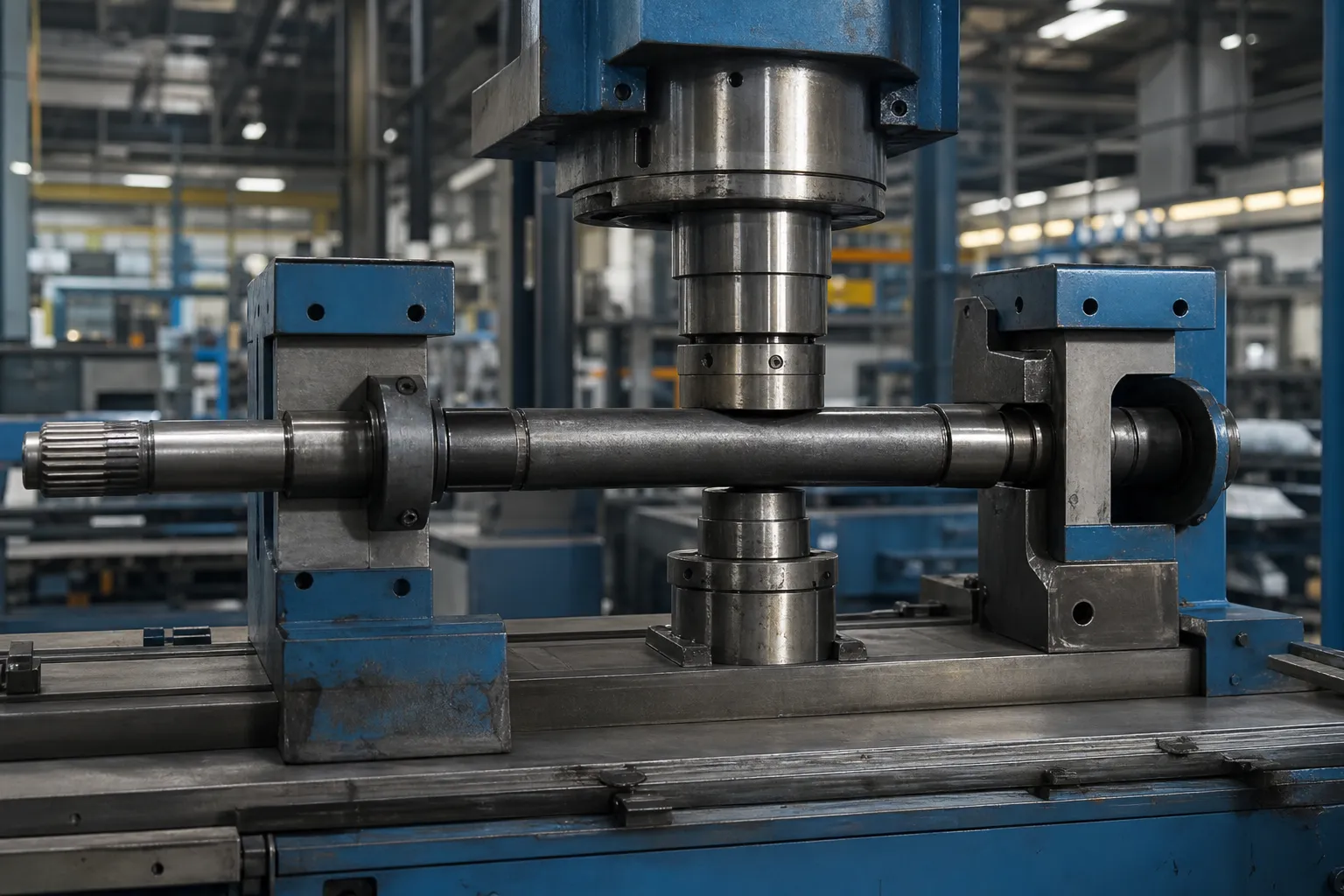
*انجینئرنگ تصور کی مثال. یہ ایک مخصوص ورک پیس فیملی کے لیے پریس کی اصلاح کا ممکنہ سیاق و سباق دکھاتا ہے۔, ایک آفاقی عمل کی ترکیب یا تصدیق شدہ مقامی صلاحیت نہیں ہے۔*
وضاحت کریں کہ عمل کیا درست کر رہا ہے۔
مطلوبہ خصوصیت ایک مدت پر سیدھی ہوسکتی ہے۔, ڈیٹم محور کے مقابلے میں ریڈیل رن آؤٹ, پس منظر جھاڑو, مقامی خصوصیت کا رشتہ یا کوئی اور کنٹرول شدہ جیومیٹری. پریس کو منتخب کرنے سے پہلے اس کا نام ہونا ضروری ہے۔. گردش کی خرابی۔, سطح کی رکاوٹ, فکسچر سگنل یا جان بوجھ کر کیمبر کو درست نہیں کیا جا سکتا گویا یہ ایک ہی قسم کا موڑ تھا۔.
استعمال کریں۔ شافٹ کی سیدھی, رن آؤٹ اور TIR جب حصہ گھوم کر معائنہ کیا جاتا ہے. ٹیوب, پروفائل, موسم بہار, انگوٹی اور ویلڈڈ ورک پیس کو اپنی جیومیٹری اور عمل کی حدود کی ضرورت ہوتی ہے۔.
ایک ابتدائی خرابی کا نقشہ بنائیں
پیمائش کے منصوبے کو منظور شدہ ڈیٹم کی شناخت کرنی چاہئے۔, حصہ واقفیت, محوری اسٹیشنوں, حمایت کی حالت, سینسر کا طریقہ اور دوبارہ/بیٹھنے کی جانچ. ایک واحد مڈ پوائنٹ ریڈنگ ایک سے زیادہ موڑ سے محروم ہو سکتی ہے یا گریویٹی سیگ اور فکسچر کے تغیر کو پارٹ جیومیٹری کے ساتھ الجھ سکتی ہے۔.

*انجینئرنگ تصور کی مثال. یہ اصلاح سے پہلے پیمائش کے نقشے کی وضاحت کرتا ہے۔; اسٹیشن کے اصل مقامات, پروبس اور ڈیٹم کو کنٹرولڈ ڈرائنگ سے طے کیا جانا چاہیے۔*
| منجمد کرنے کے لیے ان پٹ | فیصلے کی حمایت کرتا ہے۔ |
|---|---|
| ڈرائنگ ڈیٹم اور قبولیت کا اصول | اس بات کو قائم کرتا ہے کہ پیمائش کس چیز کی نمائندگی کرتی ہے۔ |
| جیومیٹری کا ابتدائی نقشہ | امیدواروں کے اصلاحی علاقوں اور تعامل کے خطرے کی نشاندہی کرتا ہے۔ |
| منظور شدہ سپورٹ اور ری ایکشن پوائنٹس | طاقت کے راستے کو غیر ارادی سگنل بنانے سے روکتا ہے۔ |
| محفوظ خصوصیات اور سطح کی حدود | اس بات کا تعین کرتا ہے کہ کہاں رابطہ ممنوع ہے۔ |
| مواد اور عمل کا مرحلہ | ممکنہ ردعمل کی وضاحت کرتا ہے۔, اسپرنگ بیک اور ڈاون اسٹریم رکاوٹیں۔ |
The Mechanics of a Point-Press Stroke
A point-press correction is a three-point bend executed on purpose. Two supports and one press point form a loading frame: the press pushes the section toward the supports, bending moment peaks at the press point and falls toward the supports, and the outer fibers at the correction location pass yield while the core of the section stays elastic. When the force is released, the elastic core tries to spring the section back while the yielded fibers hold their new shape — the permanent set is the difference, and the art of the process is delivering just enough plastic work to land the released part inside tolerance. Three consequences follow directly from this picture. The correction is local: the plastic zone concentrates around the press point, which is why error maps guide where to press rather than intuition. The process is self-limiting only if treated incrementally: a single stroke sized optimistically cannot be un-pressed. And the section’s own geometry — its stiffness variation, its transitions, its prior deformation history — modulates everything, which is why identical stroke settings do not transfer blindly between diameters, materials or lots, and why reverse-loading effects, as described for Bauschinger اثر, change the response of a part that has already been corrected once.
Support Span Is the Primary Tuning Parameter
Operators reach for force when they should reach for geometry. Moving the supports changes the correction before any force value is touched: supports spread wide give a long, gentle bending field — the same press force produces a larger deflection spread over a longer zone, appropriate for a single broad bow; supports close in around the correction point concentrate the same energy into a short, deep correction, appropriate for a local kink but harder on the surface and the section. Span also sets the mechanical advantage of the stroke: the closer the supports, the more force the same correction demands, which is why narrowing the span on a stiff section quickly reaches the machine’s or the part’s limits. Two practical rules fall out. سب سے پہلے, choose span from the error map’s wavelength — long bows get long spans, kinks get short ones — and document the choice in the setup record, because span is a process parameter like any other. دوسرا, treat support condition as part of the tooling: رابطہ جیومیٹری, cleanliness and wear change the reaction path silently, اور surface-protection tooling discipline applies to supports exactly as it does to the press nose.
سپورٹ اور تصحیح پوائنٹس کو ایک ساتھ منتخب کریں۔
پریس پوائنٹ کو اس کی حمایت سے آزادانہ طور پر منتخب نہیں کیا جا سکتا. سپورٹ سپیسنگ, سیکشن کی سختی, قوت کی سمت اور رابطہ جیومیٹری رد عمل کا راستہ بناتے ہیں۔. غلطی کو کہیں اور منتقل کرنے یا کسی خصوصیت کو نقصان پہنچانے کے دوران غلط سپورٹ مقامی پریس کو مؤثر بنا سکتی ہے۔.
نمونے کی آزمائش سے پہلے, دستاویز:
- سپورٹ اور ردعمل کے مقامات, بغیر رابطہ زون سمیت;
- اصلاحی نقطہ, قوت کی سمت اور اجازت شدہ واقفیت;
- رابطہ مواد, صفائی اور مارکنگ رسک کنٹرولز;
- زیادہ سے زیادہ اضافہ اصلاح اور کوششوں کی تعداد;
- اسپرنگ بیک/ریلیز کی پیمائش کا منصوبہ;
- سخت رد اور انجینئرنگ کے جائزے کے حالات.
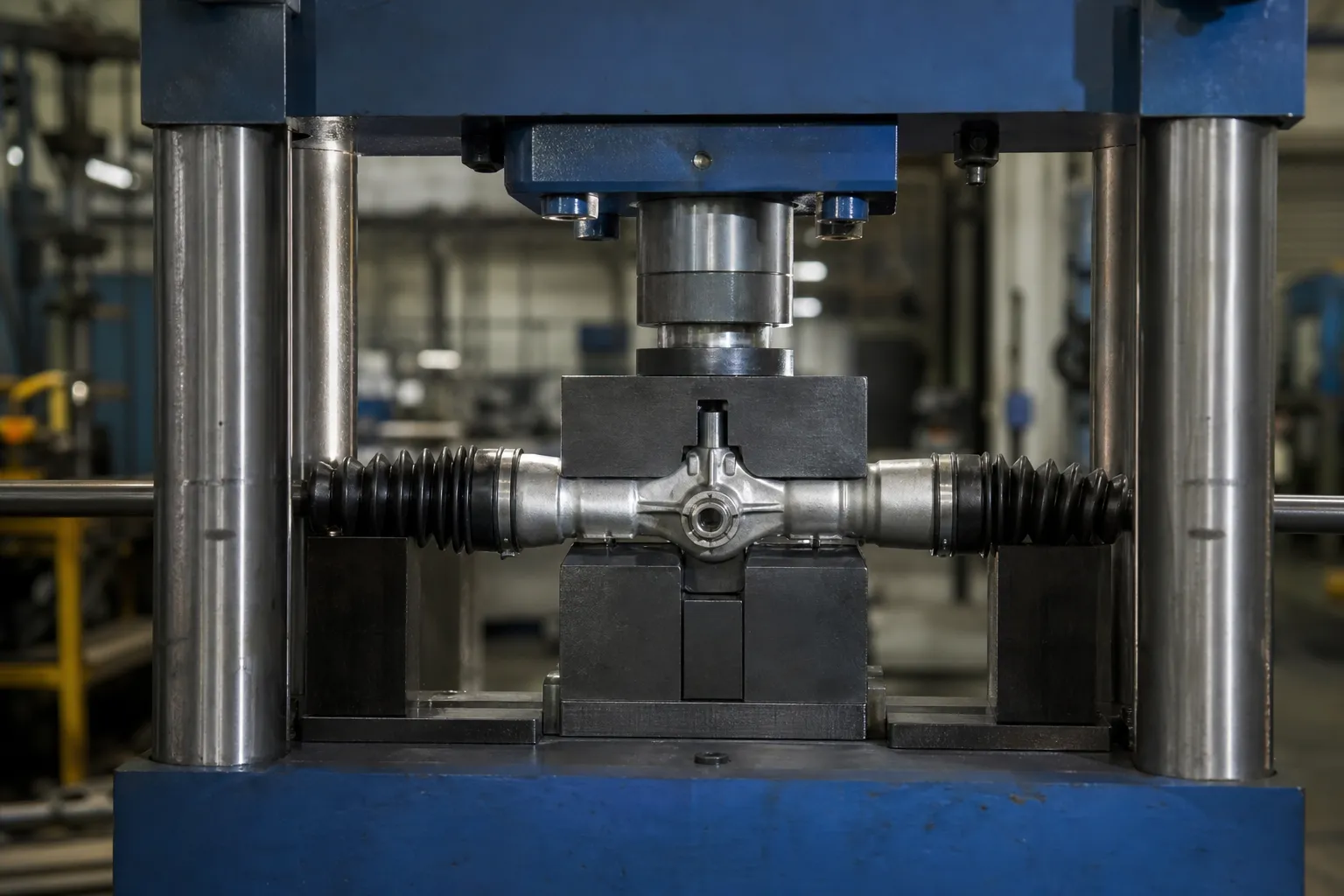
*انجینئرنگ تصور کی مثال. یہ ایک اضافی اصلاحی تصور کو ظاہر کرتا ہے۔; یہ پریس لوڈ کا تعین نہیں کرتا ہے۔, اسٹروک, کسی دوسرے ورک پیس کے لیے ٹولنگ یا منظور شدہ اصلاحی نقطہ۔*
بتدریج درست کریں اور ریلیز کے بعد دوبارہ چیک کریں۔
بند لوپ کی ترتیب ہے۔:
- کنٹرول شدہ ورک پیس فیملی اور ڈرائنگ ریویژن کی شناخت کریں۔;
- نقصان کا معائنہ کریں, غلط حصہ, ممنوعہ سطح کی حالت یا دائرہ کار سے باہر کی اخترتی;
- منظور شدہ ڈیٹم لوڈ کریں اور بیٹھنے کی تصدیق کریں۔;
- جیومیٹری کے ابتدائی نقشے کی پیمائش کریں۔;
- select the permitted support and correction plan;
- apply an incremental correction within the sample-test boundary;
- fully release force, clamps and restraint;
- remeasure all required tracks and record the result;
- route the part to OK, NOK یا انجینئرنگ کا جائزہ.
The final acceptance is after release. A reading while the part remains under press force or fixture restraint cannot be used as proof of the final result.
Springback as a Process Variable, Not a Constant
Because the released shape is set by the competition between yielded fibers and the elastic core, ایک ہی اسٹروک ان حصوں پر مختلف مستقل سیٹ فراہم کرتا ہے جو مادی حالت میں مختلف ہوتے ہیں۔, سیکشن یا سابقہ تاریخ. یہ عمل متغیر کے طور پر اسپرنگ بیک ہے۔, اور اسے ایک مقررہ تصحیح عنصر کے طور پر پیش کرنا یہ ہے کہ لکیریں رواداری کے گرد گھومتی پھرتی ہیں. اس کو ایمانداری سے سنبھالنے والے نظم و ضبط کے لیے بیان کیا گیا ہے۔ شافٹ سیدھا کرنے میں springback معاوضہ: نمائندہ نمونوں پر جواب سیکھیں۔, بتدریج درست کریں, اور جب مادی لاٹ یا جزوی نظرثانی تبدیل ہو جائے تو دوبارہ سیکھیں۔. متعلقہ ٹریپ اپنی سزا کا مستحق ہے۔: نامناسب ماضی کے کسی حصے کو مقصد کے مطابق دبانا — سپرنگ بیک کو پہلے سے معاوضہ دینے کے لیے اوور شوٹ — ایک توثیق شدہ نسخہ اور ایک متعین حد کے اندر جائز ہے۔, لیکن بار بار اوور شوٹ اور پریس بیک سائیکل ریورس لوڈنگ نقصان کو جمع کرتے ہیں۔, and the correction-attempt limit exists precisely to stop that sequence before it becomes a cracking risk, فی the integrity-review framework.
Reading the Data Between Strokes
Each stroke in the incremental loop is also an experiment, and the data between strokes tells the operator when to continue and when to stop. A healthy convergence shows the remaining error shrinking by a decreasing amount each stroke — the response per stroke falling as the part approaches target, which is the natural signature of a stable correction. Three patterns break that signature and each demands stopping rather than pressing harder. No progress: the geometry stops responding, meaning the process is no longer engaging the error — the correction point, support condition or part state has changed under the operator. Diminishing returns with rising effort: each stroke moves the part less while the press works harder — the section is fighting back through strain hardening, and continuing trades diminishing geometry gain for accumulating material damage. Oscillation: the part crosses nominal in alternate directions stroke by stroke — the correction rule is over-reacting, often because it was calibrated on a different response, and the fix is the recipe, not the part. Building these three stop patterns into the operating procedure converts the between-stroke data from noise into the line’s earliest quality alarm.
Know When Point Pressing Is Not the Right Route
Point pressing is not a default method for every product. Continuous wire, thin-wall tube, asymmetric profile, ring, موسم بہار, fatigue-critical or weld-sensitive part may need a different approach, dedicated tooling or a separate process review. دیکھیں رولر سیدھا کرنے کے مقابلے میں دبائیں for the method-selection boundary.
نمونہ ٹیسٹ اور قبولیت
The sample plan should include normal and worst-case incoming parts, raw before/after geometry, reseat repeatability, سطح کا معائنہ, مطلوبہ مواد/فیچر چیک, زیادہ سے زیادہ کوشش کی حد اور کسٹمر ریفرنس گیج سے تعلق. اگر دراڑیں, سختی, این ڈی ٹی, پیسنے یا توازن متعلقہ ہیں, وہ آزادانہ قبولیت کی ذمہ داریاں نبھا رہے ہیں۔.
استعمال کریں۔ سیدھا نمونہ ٹیسٹ اور قبولیت پروڈکشن کلیم یا FAT/SAT فیصلے سے پہلے مطلوبہ ثبوت کی وضاحت کرنا.
اکثر پوچھے گئے سوالات
پوائنٹ پریسنگ ایک مخصوص درستگی کی ضمانت دے سکتا ہے۔?
نہیں. قابل حصول نتیجہ ورک پیس پر منحصر ہے۔, ڈیٹم, مادی حالت, حمایت, رابطہ زونز, نمونہ جواب اور اتفاق شدہ معائنہ کا طریقہ.
سب سے زیادہ اشارے والا نقطہ ہمیشہ اصلاحی نقطہ ہے۔?
نہیں. اصلاحی نقطہ کا انتخاب جیومیٹری کے نقشے اور منظور شدہ رد عمل کے راستے سے ہونا چاہیے۔, الگ تھلگ بصری یا اشارے کے مشاہدے سے نہیں۔.
کیا پریس کریک کی مرمت کر سکتا ہے یا NDT کو تبدیل کر سکتا ہے۔?
نہیں. سیدھا کرنا مادی نقائص کو ٹھیک نہیں کرتا ہے اور معائنہ کے قابل عمل عمل کو تبدیل نہیں کرتا ہے۔.
Why does the same press stroke move two identical-looking parts differently?
Because released geometry depends on material condition, section detail and prior deformation, not on appearance. Different lots, heat-treatment states or a previous correction cycle all change the plastic-versus-elastic balance the stroke works against. The remedy is learning the response per family on samples and re-checking it when lots change.
When should supports be moved closer together?
When the error map shows a short, local kink rather than a broad bow. A narrow span concentrates the correction where the error lives; a broad span spreads it. The span choice belongs in the documented setup, because it changes both the correction shape and the force the part must carry.
What does it mean when a part stops responding to corrections?
The process is no longer engaging the error — a no-progress condition. Causes range from a changed correction point to a setup or part-state shift, and the defined response is to stop and route the part to review, not to increase force. Continuing to press spends the part’s deformation budget on nothing.
پیسنے کے بعد بمقابلہ پہلے سیدھا کرنا
کے لیے کوئی آزاد کیننیکل صفحہ برقرار نہیں رکھا گیا ہے۔ پیسنے کے بعد بمقابلہ پہلے سیدھا کرنا کیونکہ صنعتی عین مطابق مانگ پتلی ہے۔. اسٹیج کی ترتیب, اسٹاک الاؤنس اور ڈیٹم ٹرانسفر کا تعلق جعلی بار میں ہے۔, پوائنٹ پریس اور ملٹی پوائنٹ پروسیس پیجز. تصدیق کریں کہ آیا پیسنے سے ایسا مواد نکل جاتا ہے جو پروڈکشن روٹ کو لاک کرنے سے پہلے پہلے کی سیدھی پڑھائی کو باطل کر دے گا۔.
سیدھا کرنے میں زبردستی نقل مکانی کے منحنی خطوط
کے لیے ایک سرشار صفحہ سیدھا کرنے والی قوت نقل مکانی وکر گائیڈ تصدیق شدہ استفسار کی طلب کے بغیر برقرار نہیں رکھا جاتا ہے۔. فورس کی ٹروک کی تشریح, محفوظ حدود اور عمل کو روکنے کے حالات کی وضاحت پوائنٹ پریس میں کی گئی ہے۔, ملٹی پوائنٹ اور کریک کا پتہ لگانے والے صفحات. کسی بھی وکر پر مبنی الارم کو کسی دوسرے مادی خاندان سے نقل کرنے کے بجائے نمائندہ حصوں پر توثیق کرنا ضروری ہے.
Point-press work lives or dies by stroke control – read why over-correction cracks parts before you size a machine, then use the سیدھا کرنے والا سلیکشن واک تھرو to match press concepts to your part family.