
Selecting a straightener should start with the required geometry and acceptance method, not with a machine label. A shaft, a thin-wall tube and an asymmetric profile can all look bent, but they may require different datums, measurement tracks, حمایت کرتا ہے, contact zones and correction methods. A machine comparison that ignores those differences can produce an attractive quotation without a defensible sample-test plan.
This guide is a buyer and engineering framework. It does not claim that StraighteningTech offers every machine type, workpiece envelope, درستگی, طاقت, automation level or line interface. A final configuration requires the drawing, samples, inspection method and validated capability evidence.

*انجینئرنگ تصور کی مثال. It shows a workpiece-to-method decision process, not a product catalogue or proof that every route is available.*
مطلوبہ خصوصیت اور ڈیٹم کے ساتھ شروع کریں۔
پہلا سوال یہ ہے کہ کیا ماننا چاہیے۔: مرکزی لائن سیدھی, رن آؤٹ, ٹی آئی آر, سماکشی رشتہ, جھکنا, پس منظر جھاڑو, موڑ, بیضوی پن, دیوار کی حالت یا کوئی اور کنٹرول شدہ خصوصیت. یہ شرائط قابل تبادلہ نہیں ہیں۔. ڈرائنگ میں حوالہ کی شناخت ہونی چاہیے۔, حمایت کی حالت, پیمائش کی مدت, واقفیت اور جاری کردہ ریاست کے فیصلے کا اصول.
| ورک پیس فیملی | عام انتخاب کا مسئلہ | فرض نہ کرو |
|---|---|---|
| شافٹ | فنکشنل محور, جرنل کی تاریخ, رن آؤٹ نقشہ اور مقامی سیکشن میں تبدیلیاں | ہر شافٹ ایک ہی پوائنٹ پریس ترتیب استعمال کرسکتا ہے۔ |
| ٹیوب | سینٹر لائن, بیضوی پن, دیوار کی سالمیت اور گرنے کا خطرہ | باہر کا مطالعہ ثابت کرتا ہے کہ بور/دیوار قابل قبول ہے۔ |
| پروفائل / ریل | رکوع, جھاڑو, موڑ, غیر متناسب سیکشن اور چہرے کی حفاظت | ایک راؤنڈ بار رولر ترتیب پروفائل میں فٹ بیٹھتا ہے۔ |
پیمائش کی اصطلاحات کے لیے, کے ساتھ شروع کریں شافٹ کی سیدھی, رن آؤٹ اور TIR اور ٹیوب اوولٹی بمقابلہ سینٹر لائن سیدھا.
طریقہ منتخب کرنے سے پہلے غلطی کا نقشہ بنائیں
جیومیٹری کا ایک ابتدائی نقشہ اس بات کی نشاندہی کرتا ہے کہ آیا انحراف عالمی ہے۔, مقامی, ایک ہوائی جہاز, کثیر طیارہ, کونیی, section-related or caused by a support/fixture signal. It should be captured with the proposed datum and checked through reseating or an agreed repeat method. A reading under an unstable support condition is not a reliable correction target.
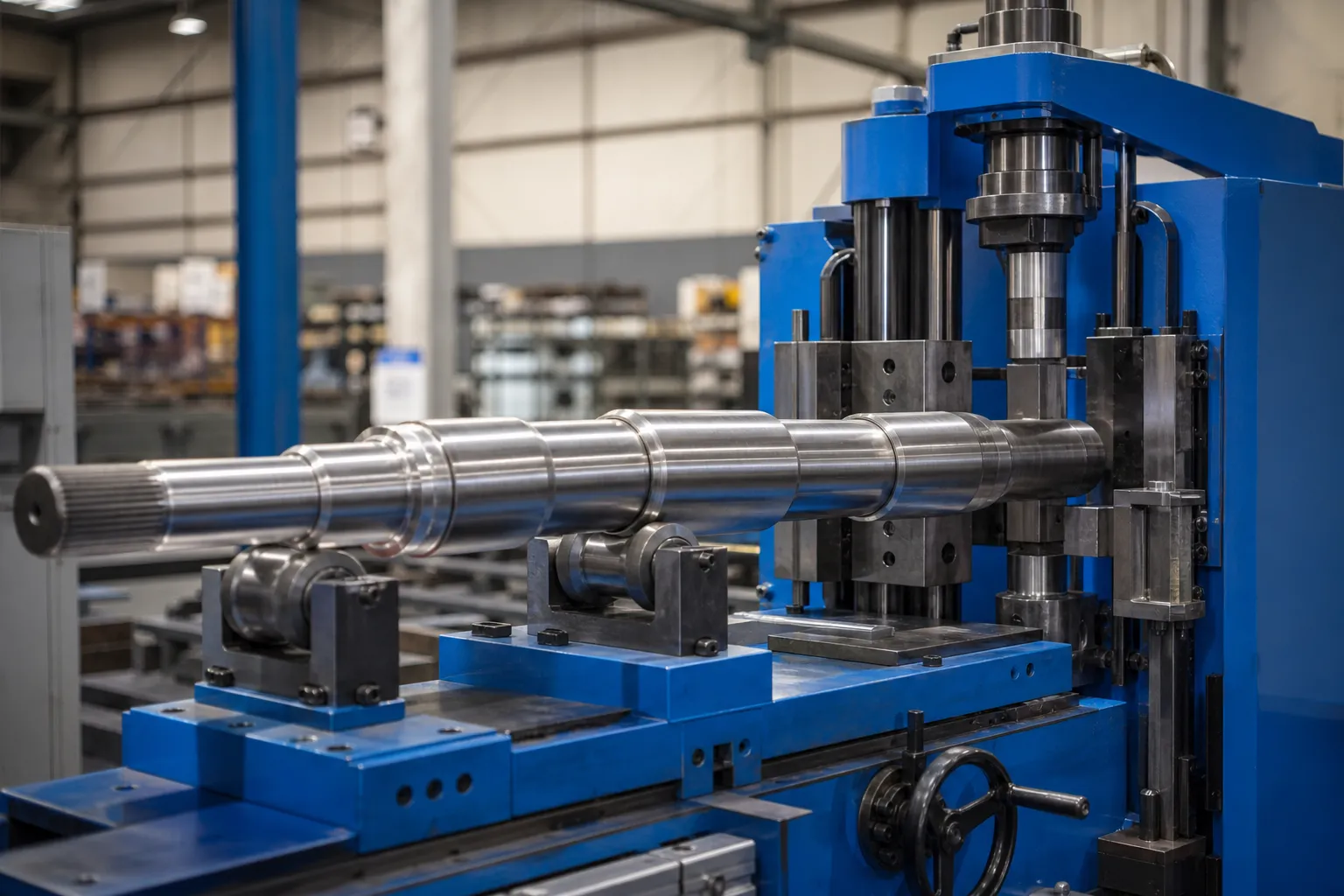
*انجینئرنگ تصور کی مثال. It shows a candidate measurement-and-correction cell; actual sensors, حمایت کرتا ہے, force path and automation require workpiece-specific validation.*
The Specification Package That Gets Accurate Quotes
The quality of the quotations a buyer receives tracks the quality of the specification package sent out, and the package is small enough to be worth assembling properly. Its items are: the drawing with the controlled characteristic named and its datum identified — not only a tolerance number floating free of a reference; the material and its process stage, because a hardened part and an annealed one are different correction problems wearing the same geometry; the incoming error distribution from real parts, because a machine sized for gentle bows will not suddenly handle the worst lot of the year; the acceptance method as the customer runs it, including support condition and released-state rule; the protected zones and surface classes; the production mix and changeover frequency; and representative samples the supplier can actually test. Buyers who send this receive differentiated engineering responses. Buyers who send a diameter and a target accuracy receive brochure round-trips — and discover the gap between the two at commissioning, which is the most expensive place to hold the conversation.
Sizing Force, Stroke and Envelope Without Overbuying
Three machine dimensions carry most of the sizing decisions, and each is set by workpiece physics rather than by ambition. Correction force follows from the section modulus of the stiffest part family and its yield condition: enough force to plastically bend the worst section, with working margin so the machine is not permanently at its ceiling — but force beyond the family’s need buys nothing except a heavier, stiffer, more expensive machine that may also be coarser in control at the small end of the range. Stroke and daylight follow from the part family’s diameters, the tooling heights and the handling concept. Work envelope and loading height follow from part length and mass, because supporting a long part safely is part of the machine’s job, کوئی بعد کی سوچ نہیں. The classical overbuying failure is specifying for a hypothetical giant part that never materializes and then running a family the machine barely registers; the underbuying failure is sizing to the average part and meeting the worst lot with no headroom. Both are avoided the same way: the sample test on the actual family, at its actual worst, before the configuration is frozen — the same evidence rule that governs the automation boundary.
Evaluate Contact and Section Integrity
The candidate machine must create an approved reaction path without damaging protected features. Review accessible support zones, permissible correction points, surface/coating requirements, length and mass handling, سیکشن ٹرانزیشن, دیوار کی موٹائی, بور کی حالت, seam orientation and downstream operations.
| Selection input | یہ کیوں اہمیت رکھتا ہے۔ |
|---|---|
| Contact and no-contact zones | Determines whether a support or correction route is even permissible |
| سیکشن کی سختی اور دیوار کی حالت | ردعمل اور مقامی نقصان کے خطرے کو تبدیل کرتا ہے۔ |
| آنے والی خرابی کی تقسیم | اس بات کی وضاحت کرتا ہے کہ آیا مقامی یا مسلسل طریقہ کا جائزہ لیا جا سکتا ہے۔ |
| مینوفیکچرنگ کا مرحلہ | سطح/الاؤنس کی پابندیوں اور اگلے عمل کے انٹرفیس کا تعین کرتا ہے۔ |
| پیداوار کا مرکب | تبدیلی کو متاثر کرتا ہے۔, نسخہ کنٹرول اور ہینڈلنگ کی توثیق |
امیدواروں کے راستوں کا مشروط طور پر موازنہ کریں۔
پوائنٹ پریسنگ کا اندازہ لگایا جا سکتا ہے جہاں ایک مجرد جیومیٹری کا نقشہ, سپورٹ پاتھ اور منظور شدہ اصلاحی پوائنٹس موجود ہیں۔. ہم آہنگ کے لیے رولر یا مسلسل سیدھا کرنے کا اندازہ لگایا جا سکتا ہے۔, کافی مستقل حصے. کھینچنا, torsion یا خصوصی راستوں امیدوار ہو سکتا ہے صرف جب workpiece, clamping, مواد اور توثیق کے تقاضے ان کی حمایت کرتے ہیں۔. کوئی طریقہ طے شدہ ضمانت نہیں ہے۔.
دیکھیں رولر سیدھا کرنے کے مقابلے میں دبائیں طریقہ کی حد کے لیے اور پوائنٹ پریس سیدھا کرنا ایک بند لوپ مقامی اصلاحی فریم ورک کے لیے.
Where Selections Go Wrong
Failed selections cluster into recognizable patterns, and naming them is cheaper than living one. Choosing by machine label: buying a “shaft straightener” for a shaft-shaped part whose datum, section transitions and acceptance method actually demand something else — the label describes the brochure, not the fit. Accepting accuracy from a table: a published accuracy figure is a machine attribute under stated conditions; the delivered result on your family, your gauges and your incoming distribution is established by the sample test, nothing else. Forgetting the exception path: the machine is selected on how it handles good parts, while production success also depends on how it detects, routes and records the bad ones — the NOK routing discipline deserves a line in the specification, not a discovery during ramp-up. Leaving acceptance undefined: two parties can share a number and disagree about its meaning unless the support condition, gauge and released-state rule are written down, which is why the FAT framework freezes those inputs before testing. And ignoring changeover: in a high-mix shop, the route that wins on paper for one family can lose the year through setup time, first-article validation burden and recipe control across many.
Changeover Economics in a High-Mix Shop
For shops running many part families in small lots, changeover behavior deserves evaluation as a first-class selection criterion, alongside geometry and force. The questions are concrete. What physically changes between families — supports, پریس ٹولنگ, sensor positions — and how is each change identified so an old setup cannot run silently on a new part? How long does a validated changeover take, and who performs it? What requalification does the quality system demand after a changeover: a first-article check, a reseat verification, or a fuller sample? Machines designed for mix answer these with identified tooling, recipe management and guided changeover sequences; machines designed for high-volume single families answer them with engineering hours. Neither answer is wrong — but the buyer should know which one they are purchasing before the second family arrives at the dock, and the honest place to test changeover is during the acceptance test, where a family switch can be demonstrated and timed under witness.
آٹومیشن باؤنڈری کی وضاحت کریں۔
"خودکار" کو لوڈنگ میں گلنا چاہیے۔, شناخت, واقفیت, پیمائش, اصلاح, ہینڈلنگ, ہدایت کا انتظام, ٹریس ایبلٹی اور استثنائی روٹنگ. ایک نظام دستی فکسچر کو برقرار رکھتے ہوئے کچھ اقدامات کو خودکار کر سکتا ہے۔, انجینئرنگ کی منظوری یا کسٹمر گیج کی تصدیق. تھرو پٹ کے لیے پراکسی کے طور پر آٹومیشن لیبل کا استعمال نہ کریں۔, درستگی یا مزدوری کی بچت.
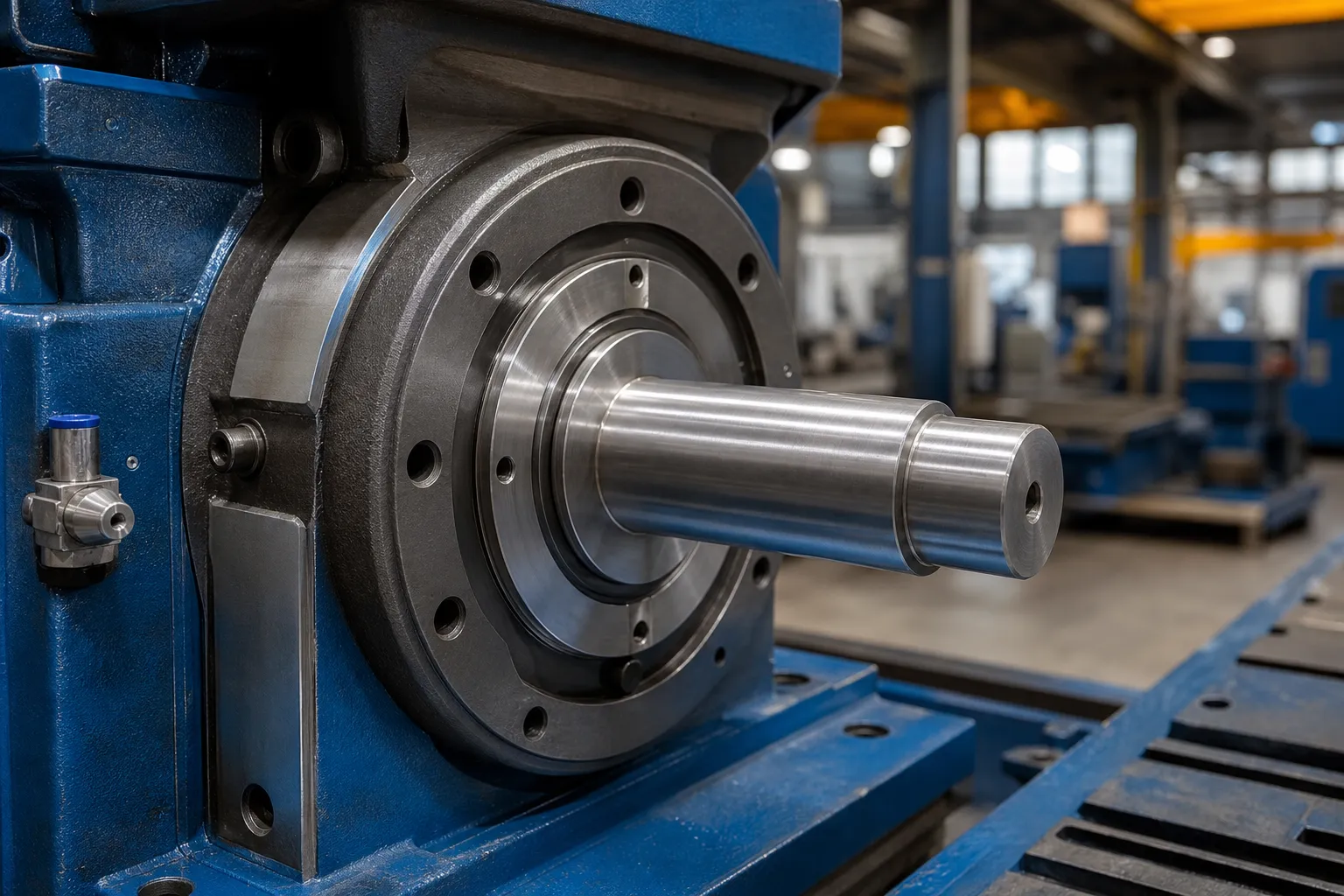
*انجینئرنگ تصور کی مثال. یہ جاری شدہ حصے کی تصدیق پر زور دیتا ہے۔; یہ کسٹمر کی قبولیت کی رپورٹ یا گارنٹی شدہ کارکردگی کا نتیجہ نہیں ہے۔*
سیمپل ٹیسٹ کو سلیکشن گیٹ بنائیں
انتخاب کو نمائندہ عام اور بدترین نمونوں کے ساتھ بند ہونا چاہئے۔, ایک کنٹرول ڈرائنگ, متفقہ ڈیٹم/گیج, پڑھنے سے پہلے اور بعد میں خام, جاری شدہ ریاست کی پیمائش, سطح/سیکشن چیک, زیادہ سے زیادہ اصلاح کی کوشش کی حدیں اور ایک متعین NOK راستہ. کسی بھی وعدہ کی درستگی, سائیکل کا وقت, ہینڈلنگ ریٹ یا آٹومیشن اسکوپ کا تعلق صرف اس کے بعد ہے جب ثبوت مکمل ہو جائے۔.
استعمال کریں۔ سیدھا نمونہ ٹیسٹ اور قبولیت مقدمے کی تشکیل کے لیے, FAT اور SAT ثبوت.
سٹریٹنر سلیکشن ریویو کے لیے درکار معلومات
ورک پیس ڈرائنگ اور مختلف قسمیں فراہم کریں۔, مواد اور مینوفیکچرنگ کے مرحلے, لمبائی/سیکشن/دیوار کی معلومات, آنے والا جیومیٹری ڈیٹا, فنکشنل ڈیٹم, محفوظ زونز, حوالہ پیمائش کا طریقہ, پیداوار کا ہدف, رکاوٹوں اور نمائندہ نمونوں کو سنبھالنا. اس کے بعد StraighteningTech امیدوار کی پیمائش کا اندازہ لگا سکتا ہے۔, معاونت اور اصلاحی فن تعمیر اور مشین کی ترتیب تجویز کرنے سے پہلے درکار شواہد کی نشاندہی کریں۔.
اکثر پوچھے گئے سوالات
کیا ایک مشین شافٹ پر عمل کر سکتی ہے۔, ٹیوبیں اور پروفائلز?
ممکنہ طور پر ایک متعین اور توثیق شدہ ورک پیس رینج کے لیے, لیکن اس لیے نہیں کہ تینوں کو "سیدھا کرنا" کہا جاتا ہے۔ ڈیٹم, سیکشن اور رابطے کے راستے کا جائزہ لینا ضروری ہے۔.
ایک تیز مشین خود بخود بہتر انتخاب ہے۔?
نہیں. جیومیٹری کے بعد ہی تھرو پٹ کی قدر ہوتی ہے۔, سطح, پیمائش اور استثنیٰ ہینڈلنگ منظور شدہ قبولیت کے طریقہ کو پورا کرتی ہے۔.
کیا پروڈکٹ کا صفحہ نمونہ ٹیسٹ کی جگہ لے سکتا ہے۔?
نہیں. مصنوعات کی تفصیل ایک زمرہ قائم کرتی ہے۔; ایک نمائندہ نمونہ ٹیسٹ یہ طے کرتا ہے کہ آیا ایک مخصوص ورک پیس فیملی کو قبول کیا جا سکتا ہے۔.
How do I know if a machine is oversized for my parts?
When the family consistently occupies the bottom of the machine’s force and range scale. A machine with large margin above the stiffest family’s need is heavier, coarser in control at the small end, and more expensive than a right-sized configuration — and the family’s correction precision can suffer for it. The fix is sizing from the actual section modulus and worst-case incoming error, verified by sample test.
What should changeover look like in the acceptance test?
A witnessed family switch: old tooling out, new tooling in and identified, recipe selected under version control, first-article part measured and dispositioned, with the elapsed time and each verification step on record. If changeover matters to the shop’s economics, it belongs in the FAT scope rather than in a verbal assurance.
Is the published accuracy of a straightener what my parts will achieve?
It is what the machine achieves under its stated reference conditions. What your parts achieve depends on their geometry, مادی حالت, incoming error, your gauges and your acceptance method. The bridge between the two is the sample test on representative and worst-case parts — the only evidence that converts a specification into a defensible expectation.