
A line should not treat every non-passing reading the same way. A part may have a setup issue, a measurement alarm, a correctable geometry condition, a no-progress response, a suspected material issue or a confirmed nonconformance. Without distinct routes, repeated correction can conceal a measurement problem, damage the part, mix lots or create an untraceable quality decision.
This article is a quality-routing framework. It does not claim that StraighteningTech currently supplies automatic sorting, specific sensors, rejection thresholds, traceability software or authorized rework rules. Those functions require verified local scope and quality approval.
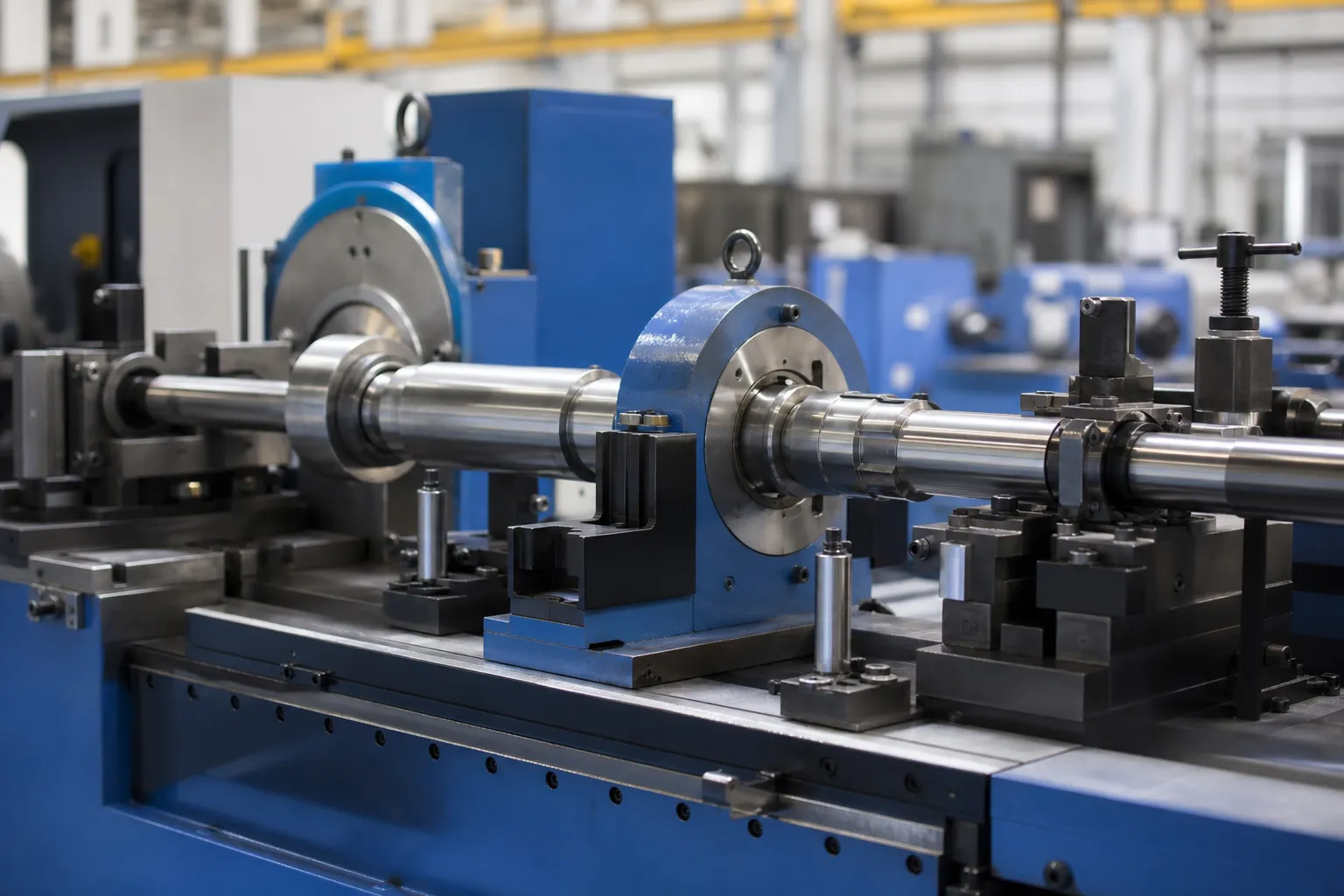
*انجینئرنگ تصور کی مثال. It shows a candidate production cell, not an installed automatic sorting system or a defined defect-detection capability.*
Define the Disposition States
کم از کم, distinguish PASS, کافی, دوبارہ کام کرنے کے قابل, سٹاپ/ہولڈ اور انجینئرنگ/معیار کا جائزہ. تعریفوں کو کنٹرول شدہ ڈرائنگ کا حوالہ دینا چاہئے۔, پیمائش کا طریقہ, عمل کی حالت اور رہائی کا اختیار. ایک عمل الارم خود بخود مسترد نہیں ہوتا ہے۔; یہ ایک بڑھنے کا سگنل ہو سکتا ہے جس کی تصدیق کی ضرورت ہے۔.
| ریاست | مطلوبہ تعریف |
|---|---|
| پاس | مطلوبہ ریکارڈ کے ساتھ منظور شدہ جاری شدہ ریاست کی ضرورت کو پورا کرتا ہے۔ |
| کافی | متعین ضرورت کو پورا نہیں کرتا یا اس کی تصدیق شدہ عدم مطابقت ہے۔ |
| دوبارہ کام کرنے کے قابل | ایک اور منظور شدہ کوشش کے لیے دستاویزی شرائط کو پورا کرتا ہے۔ |
| رک جاؤ / پکڑو | سیٹ اپ کی ضرورت ہے۔, عمل سگنل, مزید پروسیسنگ سے پہلے معیار یا انجینئرنگ کا جائزہ لیں۔ |
| انجینئرنگ کا جائزہ | عام خودکار راستے سے باہر ایک کنٹرول شدہ فیصلے کی ضرورت ہے۔ |
سیٹ اپ کے مسائل کو جزوی عدم مطابقت سے الگ رکھیں
NOK کے طور پر ایک حصہ روٹ کرنے سے پہلے, غور کریں کہ آیا سگنل ڈیٹم سیٹنگ کے نتیجے میں ہو سکتا ہے۔, فکسچر کی تبدیلی, سینسر کی حالت, حصہ شناخت, غلط نسخہ یا غیر منظور شدہ معاون حالت. طریقہ کار کو اجازت شدہ کلین/ری سیٹ/دوہرائی جانے والی جانچ کی وضاحت کرنی چاہیے اور لامحدود دوبارہ کوششوں کو روکنا چاہیے.
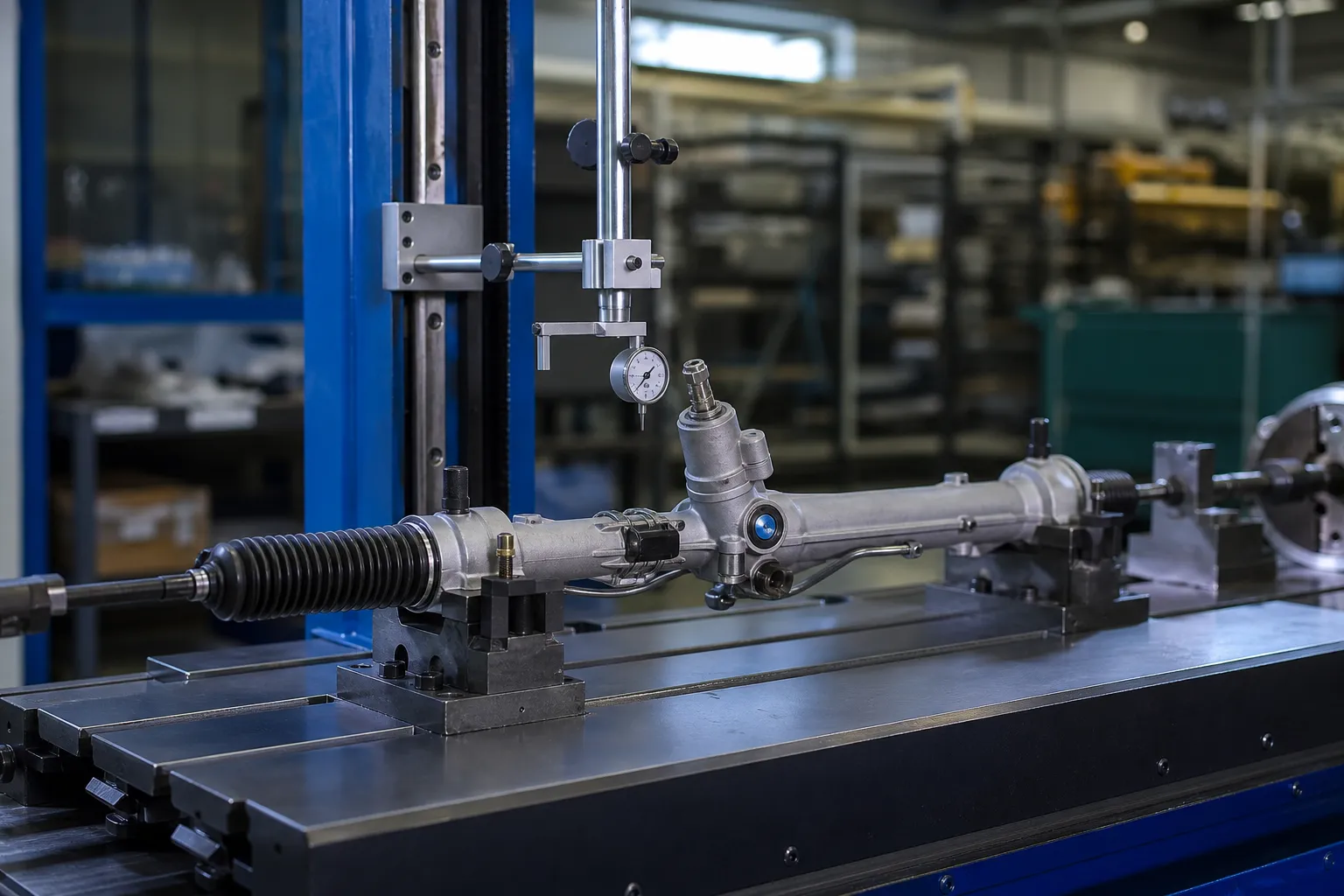
*انجینئرنگ تصور کی مثال. یہ پیمائش کے فیصلے کے نقطہ کو ظاہر کرتا ہے۔, خودکار درجہ بندی یا الارم کے مخصوص اصول کا ثبوت نہیں ہے۔*
دیکھیں فکسچر ریپیٹ ایبلٹی اور ڈیٹم سیٹنگ اور خودکار سیدھا کرنے کے دوران شگاف کا پتہ لگانا سگنل اور اس کی تصدیق شدہ وجہ کے درمیان علیحدگی کے لیے.
پہلی تصحیح سے پہلے دوبارہ کام کی حد مقرر کریں۔
دوبارہ کام ایک منظور شدہ راستہ ہونا چاہئے جس میں زیادہ سے زیادہ کوششوں کی وضاحت کی گئی ہے۔, اجازت یافتہ رابطہ/سپورٹ شرائط, دوبارہ پیمائش کی ضرورت, سطح/خصوصیات کی جانچ پڑتال اور جاری رکھنے یا روکنے کا اختیار. حد کوئی یونیورسل نمبر نہیں ہے۔; یہ مواد پر منحصر ہے, عمل کے مرحلے, خصوصیت کا خطرہ, کسٹمر کی ضروریات اور تصدیق شدہ جواب. جب کوئی حصہ توقع کے مطابق جواب نہیں دیتا, مناسب کارروائی اضافی طاقت کے بجائے روک یا رد کی جا سکتی ہے۔.
Why Unlimited Retries Corrupt the Line
Allowing a line to re-correct a part until the gauge finally passes feels productive and quietly destroys two things. The first is the part itself: every plastic bending cycle consumes a share of the section’s low-cycle fatigue life, and the reverse-loading behavior described for reverse loading in straightening means later cycles move the material more per unit force than earlier ones did. A part that reaches tolerance on its sixth attempt is not equivalent to one that reached it on the first, even though both read PASS.
The second casualty is the line’s own information. When retries are unlimited, the gauge sees only eventual outcomes: parts that converge, slowly, under repeated force. A drifting correction setup, a worn anvil, a bad lot of stock and a genuinely struggling part family all produce the same visible symptom — more attempts per part — and none of them generates a stop condition. The retry count is one of the cheapest and most informative process signals a straightening line produces, and it only exists as data if the line is required to stop and route the part at a defined limit instead of looping.
Thinking of the Rework Limit as a Budget
A more useful mental model than “three strikes” is a budget of deformation that each part may spend. The budget is set by the material’s condition and the consequence of failure in service, and it is spent by every correction stroke — forward or reverse. A hardened safety-critical shaft and a soft structural bar may carry very different budgets, which is why no universal rework number is defensible and why the limit belongs to the part family’s validated process, reviewed by quality. The same budget concept explains a rule that otherwise looks arbitrary: a part that has consumed its budget and still fails is rejected even though one more attempt might conceivably pass, because the part that would emerge is no longer the part the drawing specifies in any meaningful sense.
Budgets also need edges. Two conditions that stop rework regardless of remaining attempts are no-progress — corrections that stop changing the geometry, indicating the process is no longer engaging the error — and overshoot oscillation, where each attempt moves the part from one side of tolerance to the other. Both are stop signals, not tuning opportunities, and both feed the integrity-review concerns that repeated plastic cycling raises.
تنہائی اور ٹریس ایبلٹی کو برقرار رکھیں
ہر ڈسپوزیشن کو جزوی/لاٹ شناخت کو محفوظ رکھنا چاہیے۔, ڈرائنگ / ہدایت ورژن, پیمائش کی حالت, اصلاح کی کوششیں, نتیجہ, آپریٹر/ آٹومیشن ایونٹ, وقت, فیصلے اور جسمانی مقام کا جائزہ لیں۔. الگ تھلگ ہونا ضروری ہے کہ کسی ہولڈ یا NOK حصے کو بغیر کسی واضح اجازت کے PASS کے بہاؤ میں واپس آنے سے روکے.
*انجینئرنگ تصور کی مثال. یہ جاری شدہ ریاست کی تصدیق اور ریکارڈ شدہ طرز عمل پر زور دیتا ہے۔, DMC/MES انٹرفیس یا خودکار چھانٹی کا وعدہ نہیں ہے۔*
Designing Segregation That Cannot Be Defeated
Disposition states only work if the physical line enforces them. The failure mode is always the same: a held or NOK part re-enters the good flow during a busy shift, through an operator judgment call, a shared conveyor or an unlabeled tote. Effective segregation design follows mistake-proofing logic rather than instruction signs. Good and rejected parts take different physical paths with no shared section where a part can be redirected by hand. Hold locations lock or require an access step that itself creates a record. Labels and bins are part-specific, not generic scrap tags, so a held-for-review part cannot decay into anonymous scrap or anonymous stock. Where volume justifies it, diverters and gates make the routing decision the machine’s, not the operator’s — the automation boundary discussed in manual versus automatic straightening applies to disposition as much as to correction.
The record side has the same anti-defeat requirement. A disposition that lives only in an operator’s memory, or in a spreadsheet anyone may edit, does not survive an audit or a containment event. The minimum durable record is the tuple — part identity, بہت, drawing and recipe version, پیمائش کی حالت, attempt count, نتیجہ, decision, decision-maker, time — retained long enough to answer the customer question that eventually comes: which parts from that week, from that machine, from that shift.
What the Disposition Data Buys Later
A line that routes honestly accumulates, as a by-product, the dataset that every improvement program wishes it had. Attempt-count trends flag tooling wear and setup drift while they are still cheap to fix. Lot-to-lot shifts in incoming geometry point upstream to suppliers with evidence instead of complaints. The ratio of setup-issue holds to true part nonconformances measures how much of the line’s apparent quality problem is actually its measurement and fixturing — information directly relevant to planning a گیج آر&آر مطالعہ. And when a customer raises a field concern, traceability converts a week of panic into an afternoon of records. None of that value survives a culture of retry-until-pass; یہ سب کچھ یہاں بیان کردہ روٹنگ ڈسپلن کا فطری فائدہ ہے۔.
ایک تصدیقی اور بڑھنے کا راستہ بنائیں
- حصہ کی شناخت کریں, بہت, ڈرائنگ اور ہدایت;
- منظور شدہ چیک کے اندر پیمائش/ڈیٹم سیٹ اپ کی تصدیق کریں۔;
- پڑھنے پر قبضہ کریں, عمل کی حالت اور کوئی انتباہ;
- اہلیت کی تصدیق ہونے پر صرف دوبارہ کام کرنے کے اجازت شدہ راستے کا اطلاق کریں۔;
- رضامندی کی شرط کے تحت رہائی اور بحالی;
- راستہ PASS, کافی, ہولڈ یا انجینئرنگ کا جائزہ;
- ٹریس ایبلٹی اور جسمانی علیحدگی کو برقرار رکھیں;
- عمل یا معیار کے جائزے کو متحرک کرنے کے لیے بار بار چلنے والے نمونوں کا استعمال کریں۔.
ضروری ثبوت فن تعمیر کے لیے, دیکھیں سیدھا نمونہ ٹیسٹ اور قبولیت اور گیج آر&لائنوں کو سیدھا کرنے کے لیے R.
No-Progress and Correction- Limit Gates
بالکل درست جملہ سیدھا اصلاح کی حد کوئی پیش رفت گیٹ SERP میں طبی طور پر آلودہ ہے۔, لہذا کیننیکل غیر ترقی کی منطق NOK چھانٹنے اور دوبارہ کام کرنے کی حد کے صفحہ پر رہتی ہے۔. زیادہ سے زیادہ اصلاحی چکروں کی وضاحت کریں۔, پروڈکشن ریلیز سے پہلے زبردستی/اسٹروک سیلنگز اور لازمی سٹاپ/سانٹ ایکشن.
اکثر پوچھے گئے سوالات
کیا NOK کا مطلب ہمیشہ سکریپ ہوتا ہے۔?
نہیں. NOK ریاست کو تصدیق کی ضرورت ہو سکتی ہے۔, کنٹرول شدہ دوبارہ کام, انجینئرنگ کا جائزہ یا حتمی مسترد منظور شدہ معیار کے راستے پر منحصر ہے۔.
پڑھنا گزرنے تک لائن دوبارہ کوشش کر سکتی ہے۔?
نہیں. دوبارہ کام کے لیے ایک متعین زیادہ سے زیادہ کوشش کی حد اور کوالٹی اتھارٹی کی ضرورت ہے۔. لامحدود کوششیں کسی عمل یا پیمائش کے مسئلے کو چھپا سکتی ہیں۔.
کیا اس مضمون کا مطلب یہ ہے کہ لائن میں خودکار چھانٹی ہوئی ہے۔?
نہیں. یہ ایک روٹنگ فریم ورک ہے۔. اصل چھانٹی, ٹریس ایبلٹی اور انٹرفیس کے افعال کے لیے علیحدہ تصدیق کی ضرورت ہوتی ہے۔.
کوشش کا شمار حتمی پڑھنے سے زیادہ کیوں اہم ہے۔?
کیونکہ آخری پڑھنا بیان کرتا ہے کہ حصہ کہاں ختم ہوا۔, جب کہ کوشش کی گنتی یہ بتاتی ہے کہ وہاں تک پہنچنے کے لیے کیا لاگت آتی ہے۔. یکساں PASS اقدار کو پڑھنے والے دو حصے برابر نہیں ہیں اگر ایک نے ایک ہی تصحیح کی اور دوسرے نے بار بار چکروں کا پورا بجٹ لیا۔. کوشش کی گنتی لائن کا سب سے قدیم ڈرفٹ الارم بھی ہے - ایک سیٹ اپ, ٹولنگ یا مادی تبدیلی عام طور پر رد کے طور پر ظاہر ہونے سے بہت پہلے فی حصہ زیادہ کوششوں کے طور پر ظاہر ہوتی ہے۔.
کیا دوبارہ کام کرنے کی حدود جزوی خاندانوں کے درمیان مختلف ہونی چاہئیں?
جی ہاں. حد ایک اخترتی بجٹ ہے جو مادی حالت کے ذریعہ مقرر کیا گیا ہے۔, feature risk and service consequence, so a hardened safety-critical shaft and a soft structural bar justify different numbers. The limit belongs to each family’s validated process with quality approval, not to the line as a single setting.
What is the minimum physical segregation a small line needs?
Separate paths or lockable, labeled, part-specific containers for PASS, hold and NOK — arranged so a held part cannot return to the good flow without a recorded, authorized step. The design principle is that doing the wrong thing must require effort, not just discipline. Escalate to machine-controlled diverters when volume or staffing makes human routing unreliable.
Sorting decisions are also capacity decisions – دی دستی بمقابلہ خودکار موازنہ اور خودکار سیدھا کرنے کے لیے ROI کیس both price the NOK stream a manual line tends to hide.