
سیدھا کرنے میں اکثر مواد کو اس کی سابقہ اخترتی تاریخ سے متعلق سمت میں موڑنا شامل ہوتا ہے۔. Bauschinger اثر ایک مادی رویے کا تصور ہے جس کا استعمال یہ بیان کرنے کے لیے کیا جاتا ہے کہ پلاسٹک سے پہلے کی خرابی ریورس لوڈنگ کے تحت پیداواری رویے کو کیسے بدل سکتی ہے۔. اس سے یہ سمجھانے میں مدد ملتی ہے کہ کیوں ایک عام اصلاحی اصول مادی حالتوں کے درمیان منتقل نہیں ہو سکتا, تاریخیں یا لاٹ بنانا.
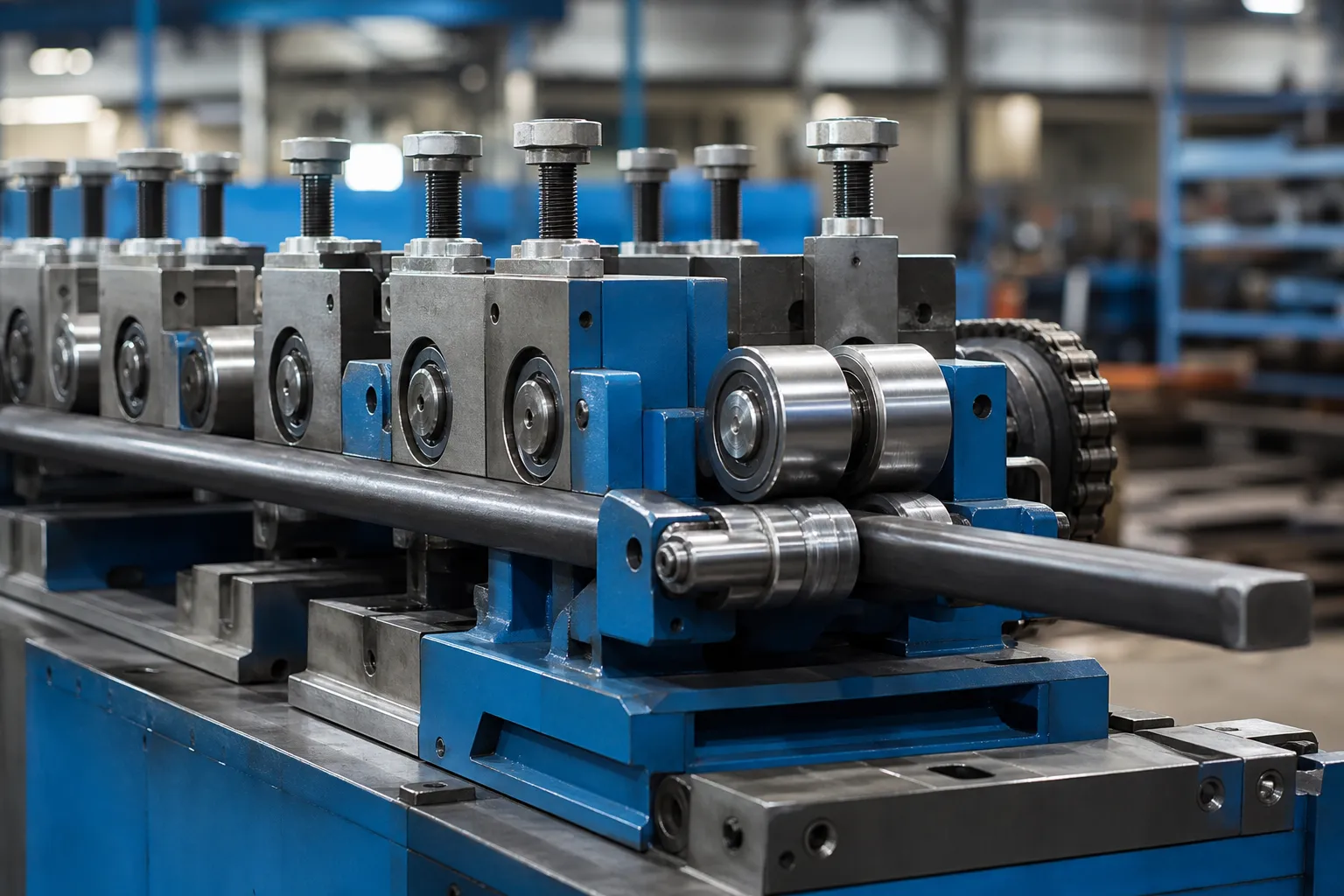
*انجینئرنگ تصور کی مثال. یہ مادی امتحان نہیں ہے۔, تناؤ کا ماڈل یا تصدیق شدہ سیدھا کرنے کا نتیجہ۔*
What the Effect Physically Is
صاف لفظوں میں: a metal that has been plastically bent one way yields more easily when it is then bent the other way. On a stress–strain curve, a bar pulled past yield, unloaded, and then loaded in compression reaches its new yield point at a lower magnitude than the original tensile yield. The microstructural reason is that plastic deformation leaves the crystal lattice populated with dislocations arranged to resist further deformation in the loading direction; when the load reverses, that same arrangement assists slip in the opposite direction, so reverse yielding begins early. The effect is strongest right after the first reversal and saturates after a few cycles, and it is more pronounced in softer, lower-carbon conditions than in heavily hardened ones.
Two consequences matter for straightening. سب سے پہلے, the material’s force–deflection response is asymmetric with respect to the sign of bending: the same press stroke moving a bend in one direction produces a different permanent set than the identical stroke applied against it. دوسرا, every unload leaves a locked-in micro-residual stress state, so the “same” part is never quite the same material twice once correction has begun. Both consequences push toward the same process discipline — few, planned, well-aimed correction strokes instead of many small reversing ones.
What This Means for a Correction Stroke
Straightening control commonly assumes a repeatable relationship between applied correction and resulting movement — the basis of springback compensation practice. Reverse-loading history threatens exactly that repeatability. Consider the classic over-correct-and-press-back sequence: the first stroke plastically bends the section, the second stroke bends it back. Because the material yields earlier in the reverse direction, the second stroke needs less force to move the part the same amount, and a control routine calibrated on the first stroke’s response will overshoot. Each additional reversal compounds the drift while accumulating low-cycle fatigue damage in the section, which is the mechanism that connects careless correction sequences to the cracking risks discussed for زیادہ سیدھا اور کریکنگ.
The practical rules that follow are qualitative but firm. Plan the correction so that each location is plastically worked in one predominant direction, not ping-ponged. Set the rework limit before the first stroke — the number of correction attempts a part may receive — and enforce it through the NOK sorting and rework-limit discipline. And when a process has drifted so that the same nominal error now needs visibly more or fewer strokes than it did at qualification, treat the change as a material signal to investigate, not as a knob to tune away.
ریورس لوڈنگ معاملات کیوں؟
رولنگ کے دوران ایک حصہ میں اخترتی جمع ہو سکتی ہے۔, ڈرائنگ, تشکیل, گرمی کا علاج, مشینی, نقل و حمل یا پیشگی اصلاحی قدم. جب سیدھا کرنے کا عمل ریورس موڑنے پر لاگو ہوتا ہے۔, جواب کا انحصار اس تاریخ کے ساتھ ساتھ موجودہ مادی حالت اور جیومیٹری پر بھی ہو سکتا ہے۔. یہی وجہ ہے کہ اکیلے موڑ کا نقشہ ایک محفوظ اصلاحی ونڈو قائم نہیں کرتا ہے۔.
| عامل | آزمائشی سوال |
|---|---|
| مواد کا درجہ اور حالت | کیا قابل اطلاق شرط دستاویزی ہے۔, فرض نہیں کیا? |
| پہلے کی تشکیل / ڈرائنگ | کیا اخترتی کی تاریخ لاٹوں کے درمیان مختلف ہو سکتی ہے۔? |
| گرمی کے علاج کا مرحلہ | اس مرحلے پر اصلاح کی اجازت ہے۔? |
| سیکشن/جیومیٹری | کیا سختی حصے کے ساتھ مختلف ہوتی ہے۔? |
| سطح/فعال خصوصیات | کیا رابطہ یا کریک کے خطرے کی رکاوٹیں ہیں؟? |
| پچھلا دوبارہ کام | کیا ریورس لوڈنگ پہلے ہی ہو چکی ہے۔? |
اسے آزمائشی منصوبہ بندی کے تصور کے طور پر استعمال کریں۔
تصور کو بہتر ریکارڈ کی طرف لے جانا چاہئے, غیر تعاون یافتہ دعوے نہیں۔. آنے والی حالت کو ریکارڈ کریں۔, مواد/بہت, مینوفیکچرنگ کے مرحلے, ابتدائی نقشہ, اصلاح کی ترتیب, جاری کردہ پیمائش, سطح کے مشاہدے اور دوبارہ کام کی حیثیت. نشوونما کے دوران ایک وقت میں ایک کنٹرول شدہ عنصر کو تبدیل کریں اور آسان نمونے سے کسی دوسرے حصے کے خاندان میں نہ منتقل کریں۔.
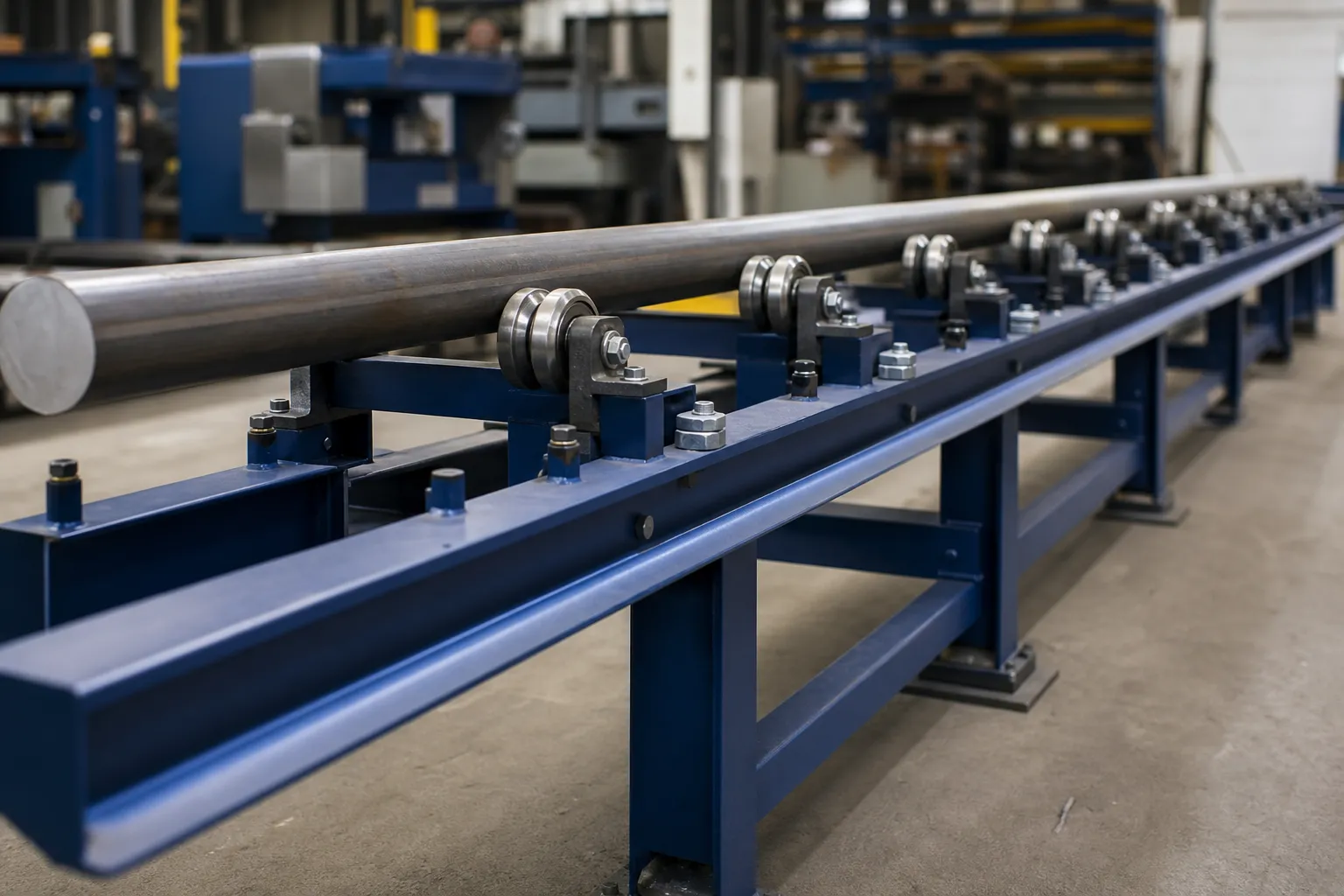
*انجینئرنگ تصور کی مثال. حمایت, رابطے اور مادی رویے کے لیے جزوی طور پر انجینئرنگ کے جائزے کی ضرورت ہوتی ہے۔*
کسی نتیجے کو "باؤسنگر کے زیر کنٹرول" کہنے سے گریز کریں جب تک کہ کوئی مستند مواد/ عمل کا مطالعہ بالکل واضح نہ ہو کہ اس کا کیا مطلب ہے۔. اصطلاح ڈرائنگ کی ضرورت کی جگہ نہیں لیتی ہے۔, مواد سرٹیفکیٹ, فریکچر کی تشخیص یا گاہک کی منظوری.
Where Loading History Hides in Real Parts
Reverse-loading sensitivity does not require a previous straightening operation — most parts arrive with a history already written into them. Bars and wire carry directional deformation from rolling and drawing, so their bend response differs with orientation relative to the mill direction. Heat-treated parts carry quench distortion plus the residual stress field of the treatment, and any straightening performed at the heat treater counts as prior history for the correction performed later — the staging questions covered under گرمی کے علاج کے بعد سیدھا کرنا. Long slender parts accumulate transport and clamping bends, and a part that has already been through one rework loop at a supplier arrives pre-cycled. Even within one purchased lot, different bar lengths can come from different mill heats with different histories, which is why a correction setup that works on the first pieces of a lot can misbehave on the last.
The countermeasure is informational, not mechanical: capture material and lot identity, the manufacturing stage, and any prior correction record alongside the incoming geometry map. That data costs almost nothing at receiving and is the difference between a drift investigation that takes an afternoon and one that cannot be closed at all.
Reading the Effect in Production Data
Because the effect cannot be seen on the part, it announces itself through patterns in the process data. The signals to watch for are structural rather than numeric: the number of correction strokes needed for the same incoming error creeping upward or downward over a run; parts that oscillate around nominal across alternating strokes instead of converging; released measurements that flip to the opposite side of the tolerance band after correction sequences that historically landed centered; and lot-to-lot differences in correction behavior with no change in machine setup. None of these patterns is proof of reverse-yield behavior on its own — each has measurement and fixture mimics, which is why the datum and gauge checks come first — but together they justify pulling a sample set aside for a controlled material-and-history review rather than continuing to adjust the machine.
پیمائش کی خرابی سے مادی سلوک کو الگ کریں۔
ایک غیر متوقع طور پر جاری کردہ نتیجہ مادی ردعمل سے آ سکتا ہے۔, لیکن ڈیٹم بیٹھنے سے بھی, فکسچر کی تعمیل, سپورٹ/کیس, گیج ارتباط یا ایک نامکمل غلطی کا نقشہ. ریورس پیداوار کے رویے کی وجہ بتانے سے پہلے ان عوامل کو چیک کریں۔. دیکھیں فکسچر ریپیٹ ایبلٹی اور ڈیٹم سیٹنگ اور سیدھے ہونے کے معائنے میں پیمائش کی غیر یقینی صورتحال.
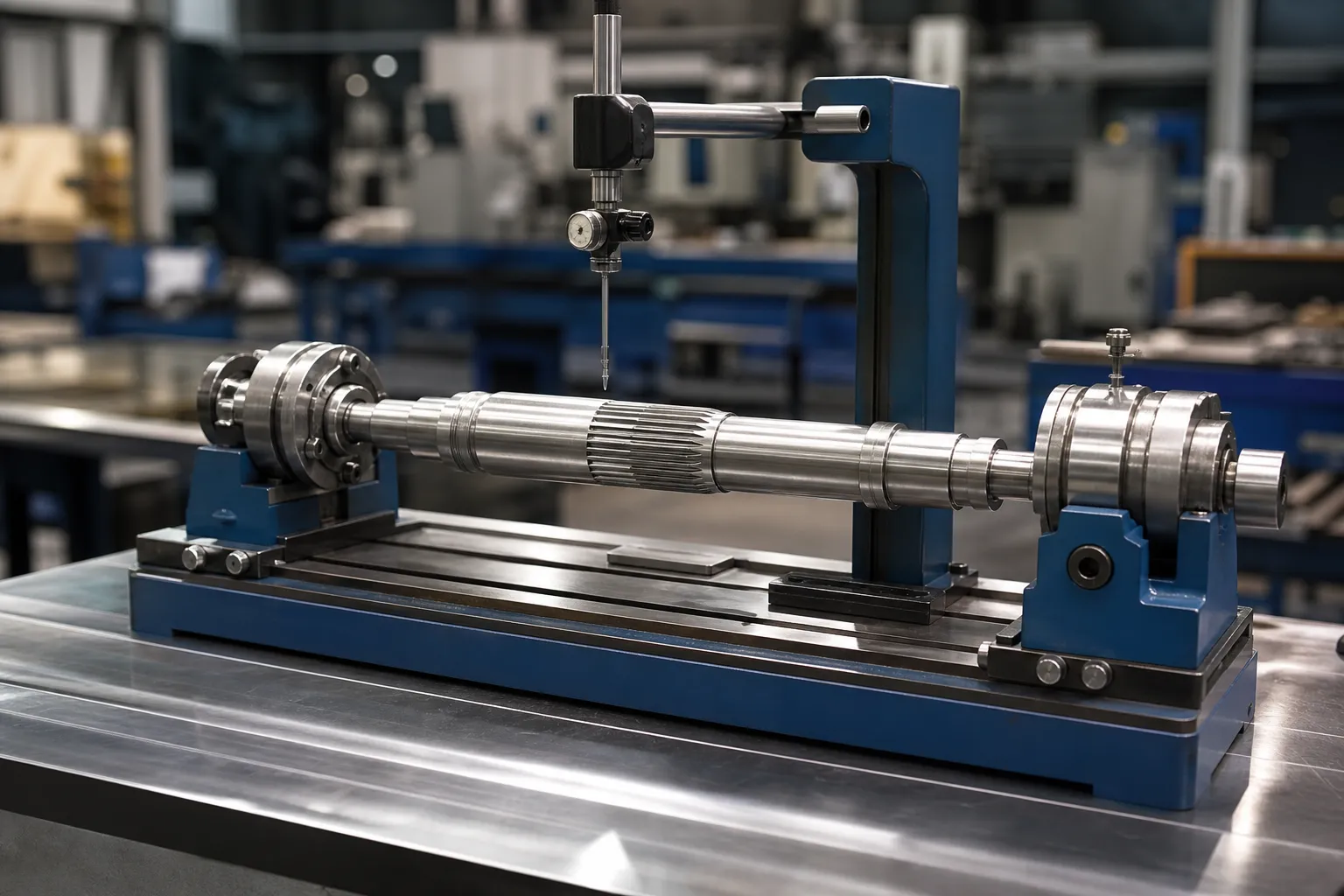
*انجینئرنگ تصور کی مثال. منظور شدہ جاری شدہ ریاست کی پیمائش کا طریقہ قابل اطلاع نتائج کا تعین کرتا ہے۔*
پروسیسنگ دعووں سے پہلے ثبوت کی ضرورت ہے۔
ڈرائنگ/نظرثانی فراہم کریں۔, مواد کی تفصیلات اور حالت, مینوفیکچرنگ کی تاریخ, گرمی کے علاج کے مرحلے, پیشگی اصلاح/دوبارہ کام کے ریکارڈ, آنے والی جیومیٹری, سطح کی پابندیاں, قبول شدہ پیمائش کا طریقہ اور نمائندہ نمونے۔. استعمال کریں۔ گرمی کے علاج کے بعد سیدھا کرنا اسٹیج کنٹرولز کو واضح کرنے کے لیے اور سیدھا نمونہ ٹیسٹ اور قبولیت ٹرائلز کی منصوبہ بندی کرنے کے لئے. پھر اسٹریٹیننگ ٹیک سے رابطہ کریں۔ بحث کے لیے.
سسٹم کلیم سے پہلے توثیق کی ضرورت ہے۔
Any material-behavior claim needs a defined material and process scope, کیلیبریٹڈ حوالہ جات, representative heat-treated samples, and traceable measurement data. ایک عام مشین کی صلاحیت اس موضوع کے لیے تصدیق شدہ نتیجہ نہیں ہے۔.
اکثر پوچھے گئے سوالات
Does the Bauschinger effect make straightening impossible for previously bent parts?
نہیں. It makes the response history-dependent rather than fixed. Processes handle it by planning corrections that work each location predominantly in one direction, limiting the number of correction cycles per part, and validating the correction rule on representative parts that carry the same history as production.
Why does pressing a bend back often overshoot?
Because the reverse stroke meets a material that yields at a lower stress than the forward stroke did. A force or depth calibrated on the forward response therefore over-delivers in reverse. The remedy is a separate, smaller correction rule for reverse strokes, or better, an error-map strategy that avoids reversing the same location repeatedly.
Can a correction setup be transferred to a new material lot unchanged?
Only with evidence. Different mill heats can carry different deformation histories and conditions, so the first pieces of each new lot should be treated as a confirmation sample: if correction behavior matches the qualified baseline, continue; if it shifts, requalify before running. This is standard practice for managing the springback variation discussed for springback variation between batches.
متعلقہ سیدھا کرنے والے ٹیک وسائل
دیکھیں خودکار شافٹ سیدھا کیسے کام کرتا ہے۔, سیدھا نمونہ ٹیسٹ اور قبولیت اور شافٹ سیدھا پن بمقابلہ رن آؤٹ بمقابلہ TIR عام کنٹرول کی حدود کے لیے جو کسی بھی قابلیت کے دعوے سے پہلے لاگو ہوتی ہیں۔ سیدھا کرنے میں Bauschinger اثر.