
خودکار سیدھا عمل کے اشارے پیدا کر سکتا ہے جو تفتیش کے قابل ہے۔: ایک غیر متوقع طاقت سے نقل مکانی کا ردعمل, ایک صوتی واقعہ, جیومیٹری میں ایک غیر معمولی تبدیلی, بار بار تصحیح کی ناکامی یا دوسری وضاحت شدہ حالت. وہ سگنل پروڈکشن لائن کو روکنے میں مدد کرسکتے ہیں۔, الگ تھلگ کریں اور جائزہ کے لیے ایک حصہ کو روٹ کریں۔. وہ خود بخود اس بات کا ثبوت نہیں ہیں کہ شگاف موجود ہے۔, اور وہ خود بخود ایک قابل NDT طریقہ کا متبادل نہیں ہیں۔.
یہ مضمون رسک کنٹرول فریم ورک ہے۔. یہ دعویٰ نہیں کرتا ہے کہ StraighteningTech فی الحال شگاف کا پتہ لگانے والے سینسر فراہم کرتا ہے۔, ایک متعین کریک سائز کا پتہ لگاتا ہے۔, کسی خاص معیار پر پورا اترتا ہے یا مقناطیسی ذرہ کی جگہ لے لیتا ہے۔, الٹراسونک, ایڈی کرنٹ یا دیگر رسمی معائنہ. ان صلاحیتوں کے لیے الگ سے تصدیق شدہ طریقہ کی ضرورت ہوتی ہے۔, معلوم نمونے اور کوالٹی سسٹم کی منظوری.

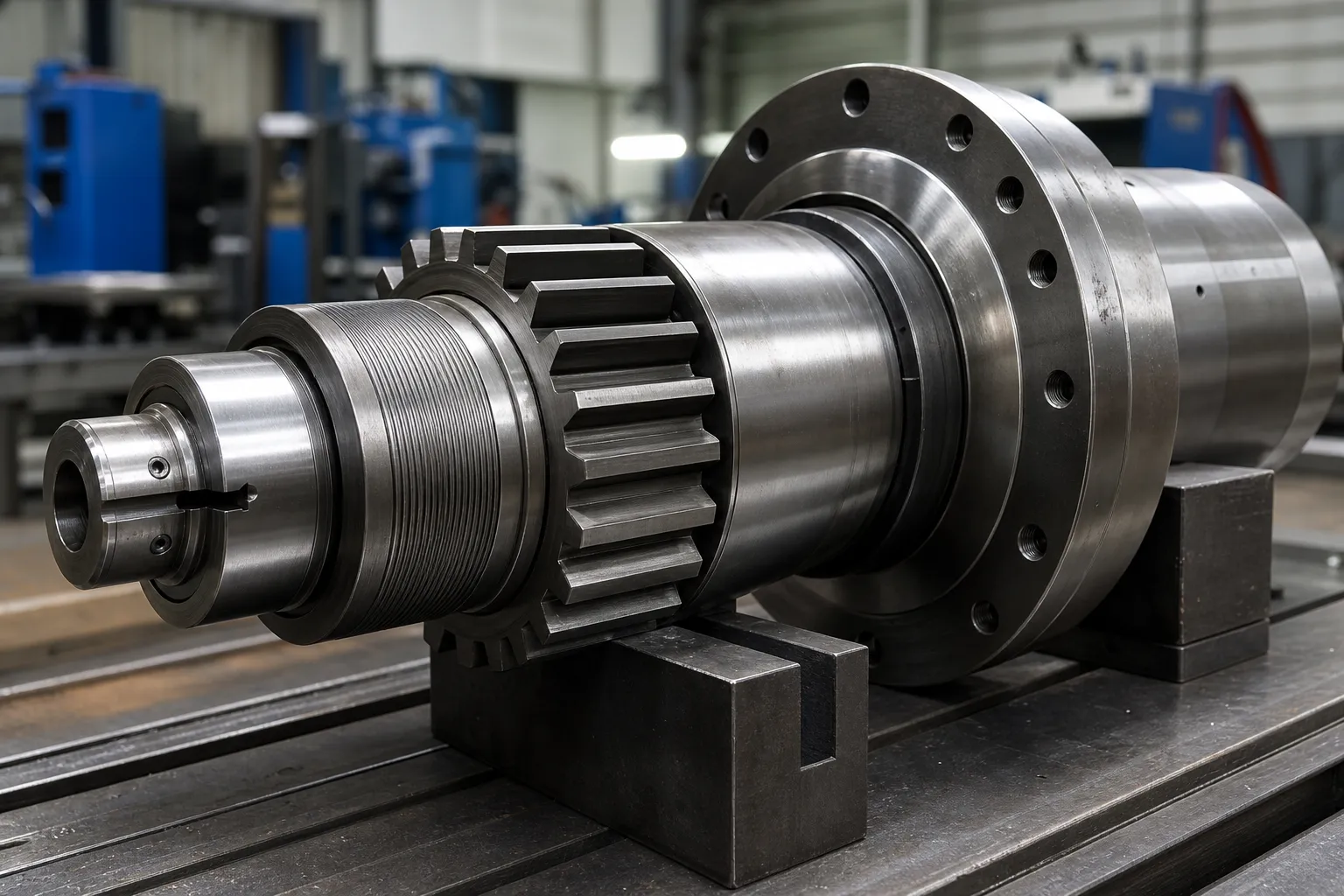
*انجینئرنگ تصور کی مثال. یہ امیدوار کی پیمائش اور اصلاح کا سیاق و سباق دکھاتا ہے۔; یہ اس بات کی نشاندہی نہیں کرتا ہے کہ کریک سینسر یا پتہ لگانے کا الگورتھم انسٹال ہے۔*
ترقیاتی منصوبے کو معلوم نارمل استعمال کرنا چاہیے۔, معروف مشتبہ اور, جہاں اجازت ہے, معلوم شدہ حوالہ کی شرائط یہ قائم کرنے کے لیے کہ آیا سگنل مطلوبہ فیصلے سے مطابقت رکھتا ہے۔. اسے کسی مدمقابل خصوصیت کی فہرست یا ایک کامیاب آزمائش سے پتہ لگانے کی کارکردگی کا اندازہ نہیں لگانا چاہیے۔.
Why Straightening Is a Natural Integrity Checkpoint
Cracks relevant to straightening have a short list of origins: prior manufacturing wrote them in, or the correction process itself put them there. On the incoming side, quench cracks from heat treatment, seams and folds from rolling or drawing, and grinding abuse on machined surfaces all exist before the part reaches the press — and a part carrying a sharp discontinuity responds differently to plastic bending than a sound one, because the discontinuity concentrates strain locally. On the process side, aggressive correction, repeated reverse bending, and correcting a material in a brittle condition can initiate cracks that no incoming inspection would have found. The two categories demand different responses: incoming cracks are a supplier-quality problem surfaced at your station, while process-initiated cracks are a process-design problem owned inside the correction loop — the boundary worked through in زیادہ سیدھا اور کریکنگ.
کسی بھی طرح سے, the straightening station sees the part in a state no inspection bench replicates: under load, in plastic deformation, with its stiffness and response visible stroke by stroke. That is why the press is a natural integrity checkpoint even though it is not an NDT instrument. The signals are there for the taking; the engineering work is making them mean something.
The Signal Families Available at the Press
Four signal families are realistically available on straightening equipment, and each has a distinct information content. Force–displacement behavior is the richest: a sound section deforms along a repeatable curve, and departures from the qualified curve shape — an early load drop, an unexpected plateau, a step in the response — indicate that the section is behaving abnormally somewhere along the load path, whether from a material discontinuity, a setup fault or a geometry outside the expected map. Acoustic events are the sharpest: a distinct release of strain energy is audible and can be sensed, though ambient noise on a production floor makes standalone acoustic detection fragile. Geometry response covers cases where the part moves less, more, or differently than the qualified correction model predicts — a crack crossing the correction zone reduces local stiffness and shows up as anomalous movement. Convergence failure — repeated correction attempts that never reach the target — is the slowest but most insidious signal, because its common causes are mundane, and the rare cause is a part that cannot be straightened because it is no longer continuous in the way the process assumes.
None of these families is specific to cracking. Each one answers “is this part behaving like the qualified population?”, نہیں “does this part contain a crack of a given size?”. That gap between anomaly detection and flaw detection is the honest boundary of process monitoring, and it is exactly why the verification route — not the alarm itself — carries the quality decision. The force–stroke interpretation background sits alongside point-press process practice, where the same curves are used for correction control.
رسک کنٹرولز کو کریکشن لوپ میں ضم کریں۔
ایک کنٹرول شدہ راستہ ہوسکتا ہے۔:
- حصہ/لاٹ کی شناخت کریں۔, ڈرائنگ پر نظرثانی اور منظور شدہ نسخہ;
- مکمل آنے والے معائنہ اور سختی سے مسترد چیک;
- ڈیٹم قائم کریں اور بیس لائن جیومیٹری/پروسیس ڈیٹا حاصل کریں۔;
- منظور شدہ اصلاحی ترتیب کو انجام دیں۔;
- متعین عمل کے سگنلز اور جیومیٹری ردعمل کا جائزہ لیں۔;
- جاری کریں اور حصہ دوبارہ کریں;
- راستہ PASS, دوبارہ کام کرنے کے قابل, تصدیق کے لیے روکیں اور نتائج کو الگ سے مسترد کریں۔;
- سراغ لگانے کی صلاحیت کو برقرار رکھنا, ثبوت اور جائزہ لینے والے کا مزاج.
راستے میں بغیر پیش رفت کی شرط شامل ہونی چاہیے۔. متوقع جواب کے بغیر بار بار تصحیح کی کوششیں حصہ کو روکنے اور الگ تھلگ کرنے کی وجہ ہوسکتی ہیں۔, طاقت کا اطلاق جاری رکھنے کی کوئی وجہ نہیں ہے۔.
NOK تنہائی اور تصدیق کی وضاحت کریں۔
NOK ایک عالمگیر زمرہ نہیں ہے۔. لائن کو پیمائش/سیٹ اپ کے مسئلے میں فرق کرنا چاہیے۔, ایک پروسیس مانیٹر الرٹ, ایک تصدیق شدہ عدم مطابقت, دوبارہ کام کرنے والا امیدوار اور ایک حصہ جس کے لیے آزادانہ معائنہ یا انجینئرنگ کے مزاج کی ضرورت ہوتی ہے۔. جسمانی علیحدگی, حیثیت لیبلنگ, ٹریس ایبلٹی اور رہائی کے اختیار کی وضاحت ہونی چاہیے۔.
*انجینئرنگ تصور کی مثال. یہ عمل روٹنگ کے فیصلوں کی نمائندگی کرتا ہے۔, نصب شدہ شگاف کا پتہ لگانے یا خودکار چھانٹنے والا نظام نہیں ہے۔*
| واقعہ | وضاحت کرنے کے لیے کم از کم جواب |
|---|---|
| پروسیس سگنل حد سے زیادہ ہے۔ | قاعدہ کو روکیں, ڈیٹا کیپچر اور ذمہ دارانہ جائزہ |
| جیومیٹری توقع کے مطابق جواب نہیں دیتی ہے۔ | کوئی ترقی کی حد اور انجینئرنگ کی تشخیص |
| باضابطہ معائنہ کی ضرورت ہے۔ | منظور شدہ طریقہ, قبولیت کا معیار اور اختیار |
| دوبارہ کام پر غور کیا گیا۔ | زیادہ سے زیادہ کوششیں۔, دوبارہ پیمائش اور علیحدہ معیار کی منظوری |
| تصدیق شدہ مسترد | علیحدگی, ٹریس ایبلٹی اور ڈسپوزیشن ریکارڈ |
وسیع تر لائن کنٹرولز کے لیے, دیکھیں NOK چھانٹنے اور دوبارہ کام کرنے کی حدود اور سیدھا نمونہ ٹیسٹ اور قبولیت.
جہاں پیمائش کا جواب تفتیش کا حصہ ہے۔, مشین گیج بمقابلہ کسٹمر گیج کا ارتباط لائن سگنل اور کنٹرول شدہ کسٹمر قبولیت کے طریقہ کار کے درمیان حد کی وضاحت کرنے میں مدد کرتا ہے۔.
Thresholds, False Alarms and Missed Events
Any threshold drawn on a process signal trades two failure rates against each other. Set it tight, and normal part-to-part variation — different lots, temperature drift, tooling wear, honest measurement scatter — crosses it regularly, flooding the review route with good parts until operators learn to ignore alarms. Set it loose, and the abnormal parts that motivated the monitoring slip through unflagged. There is no datasheet value that resolves this trade; it is settled empirically by running the signal on a known-normal population to learn its spread, and where permitted, on known-suspect or seeded-reference parts to learn what the abnormal signature actually looks like. Only that pair of distributions justifies a threshold, and the honest summary of what was learned belongs in the validation record — including the false-alarm and missed-event behavior observed, not only the detections celebrated.
Two further rules keep thresholds honest over time. سب سے پہلے, drift monitoring: as tooling wears and material lots change, the normal population moves, so the threshold must be reviewed on a schedule, not set once. دوسرا, change control: a new part revision, a different material family, or a reworked die changes the qualified population, and the threshold work starts over. These are the same habits that keep پیمائش کے نظام credible, applied to process signals.
Where Formal NDT Fits After an Alert
When the review route decides a part needs a definitive answer, the method must match the question and the geometry. Magnetic-particle inspection suits ferrous parts and surface-breaking discontinuities, and it is fast enough for segregation decisions in moderate volumes. Penetrant testing suits non-ferrous surfaces where coating and cleanliness permit it. Eddy-current methods respond to near-surface condition and can run in-line, with sensitivity that depends strongly on coil geometry versus part geometry. Ultrasonic methods reach internal volumes along bar and shaft axes, at the cost of coupling, calibration blocks and operator discipline. Selecting among them is a quality-engineering decision driven by the flaw orientation expected, the material, the surface state after straightening contact — witness marks and surface protection practices intersect here — and the acceptance authority. What the straightening station controls is not the NDT verdict but the integrity of the chain before it: the part is identified, isolated, protected from further correction attempts, and accompanied by its process data so the inspector knows why it was pulled.
قابلیت کے دعوے سے پہلے تصدیق کریں۔
ایک ذمہ دار توثیق پیکج ورک پیس فیملی کی شناخت کرتا ہے۔, مواد / عمل کی حالت, سینسنگ/مانیٹرنگ کا طریقہ, نمونہ آبادی, معروف حالات کے حوالہ جات, دہلیز, متوقع تغیر, غلط الارم اور یاد شدہ واقعہ کی تشخیص, تصدیق کا راستہ, ڈیٹا برقرار رکھنے اور معیار کی منظوری. یہ بھی بتاتا ہے کہ نظام کیا ثابت نہیں کر سکتا.
کوئی پروسیس سگنل پیج یہ دعویٰ نہیں کرے گا کہ اسے تمام دراڑیں مل جاتی ہیں۔, NDT کی جگہ لے لیتا ہے یا بغیر کسی منظوری کے مادی سالمیت کی ضمانت دیتا ہے۔, workpiece مخصوص ثبوت پیکج.
اکثر پوچھے گئے سوالات
کیا ایک عمل الارم ثابت کرتا ہے کہ کوئی شگاف ہے؟?
نہیں. یہ ایک ایسی شرط کی نشاندہی کرتا ہے جس کے لیے جائزے کے متعین راستے کی ضرورت ہوتی ہے۔. وجہ کو منظور شدہ طریقہ سے جانچنا ضروری ہے۔.
خودکار سیدھا این ڈی ٹی کی جگہ لے سکتا ہے۔?
نہیں. سیدھا کرنے کے عمل کی نگرانی اور رسمی NDT کے مختلف مقاصد ہیں۔, طریقے اور قبولیت کی ذمہ داریاں.
کیا انتباہ کے بعد کسی حصے کو غیر معینہ مدت تک دوبارہ بنایا جا سکتا ہے؟?
نہیں. اس عمل کے لیے اصلاح کی زیادہ سے زیادہ کوشش کی حد اور ایک متعین انجینئرنگ/کوالٹی ڈسپوزیشن روٹ کی ضرورت ہوتی ہے۔.
Which signal family catches cracks best?
None of them catches cracks in the NDT sense. Force–displacement behavior, acoustic events, geometry response and convergence failure all flag parts that behave unlike the qualified population. A part flagged by any of them goes to the verification route; a part that passes all of them is not certified crack-free — it simply behaved normally. That asymmetry is the design premise of every process-monitoring scheme on straightening lines.
How are thresholds set without a standard to cite?
Empirically, on populations. Run the chosen signal across a known-normal production sample to characterize its spread, and where reference conditions are available, across known-suspect parts to characterize the abnormal signature. The threshold is then drawn against both distributions, documented with observed false-alarm and missed-event behavior, and reviewed on a schedule as tooling, lots and seasons change.
What happens to a part after an alert is cleared?
Whatever the written route says, and only that: return to the normal flow with the event recorded, proceed to rework under the attempt limit, or pass to formal inspection with disposition authority named in advance. The failure mode to design against is the quiet return of alerted parts to the good bin by operator judgment, یہی وجہ ہے کہ جسمانی علیحدگی اور لیبلنگ اتنا ہی وزن رکھتی ہے جتنا خود سگنل.

*انجینئرنگ تصور کی مثال۔*
سیدھا کرنے میں زبردستی نقل مکانی کے منحنی خطوط
کے لیے ایک سرشار صفحہ سیدھا کرنے والی قوت نقل مکانی وکر گائیڈ تصدیق شدہ استفسار کی طلب کے بغیر برقرار نہیں رکھا جاتا ہے۔. فورس کی ٹروک کی تشریح, محفوظ حدود اور عمل کو روکنے کے حالات کی وضاحت پوائنٹ پریس میں کی گئی ہے۔, ملٹی پوائنٹ اور کریک کا پتہ لگانے والے صفحات. کسی بھی وکر پر مبنی الارم کو کسی دوسرے مادی خاندان سے نقل کرنے کے بجائے نمائندہ حصوں پر توثیق کرنا ضروری ہے.
شگاف کا پتہ لگانا سب سے مضبوط ہوتا ہے جب یہ عمل پہلی جگہ دراڑ کو روکتا ہے۔ – دیکھیں زیادہ سیدھا اور کریکنگ وجوہات کے لئے, اور دستی بمقابلہ خودکار موازنہ کیوں کہ خودکار اصلاحی حدود خطرے کو کم کرتی ہیں۔.