
گن ڈرل اور گہرے سوراخ والے ڈرل کو سیدھا کرنا مینوفیکچرنگ مرحلے کا ایک خصوصی مسئلہ ہے. ڈرل ایک سادہ گول شافٹ نہیں ہے۔: پنڈلی, بانسری, سر کاٹنا, کولنٹ کی خصوصیات, گرمی کے علاج کی حالت اور بعد میں پیسنے یا ری گرائنڈنگ آپریشن ہر ایک کو تبدیل کر سکتے ہیں جہاں ٹول سپورٹ کیا جا سکتا ہے, پیمائش اور درست. ایک ایسا عمل جو صرف ٹول کو سیدھا ظاہر کرتا ہے پھر بھی ایک محفوظ خصوصیت کو نقصان پہنچا سکتا ہے یا ایسا ڈیٹم استعمال کر سکتا ہے جو فنکشنل انسپکشن کی نمائندگی نہیں کرتا ہے۔.
یہ مضمون ایک نمونہ ٹیسٹ فریم ورک فراہم کرتا ہے۔, یہ وعدہ نہیں ہے کہ StraighteningTech ہر ڈرل جیومیٹری یا سائز کی حمایت کرتا ہے۔. حتمی عمل ڈرائنگ پر منحصر ہے۔, نمائندہ اوزار, مادی حالت, permitted contact zones and the customer's released-state inspection method.
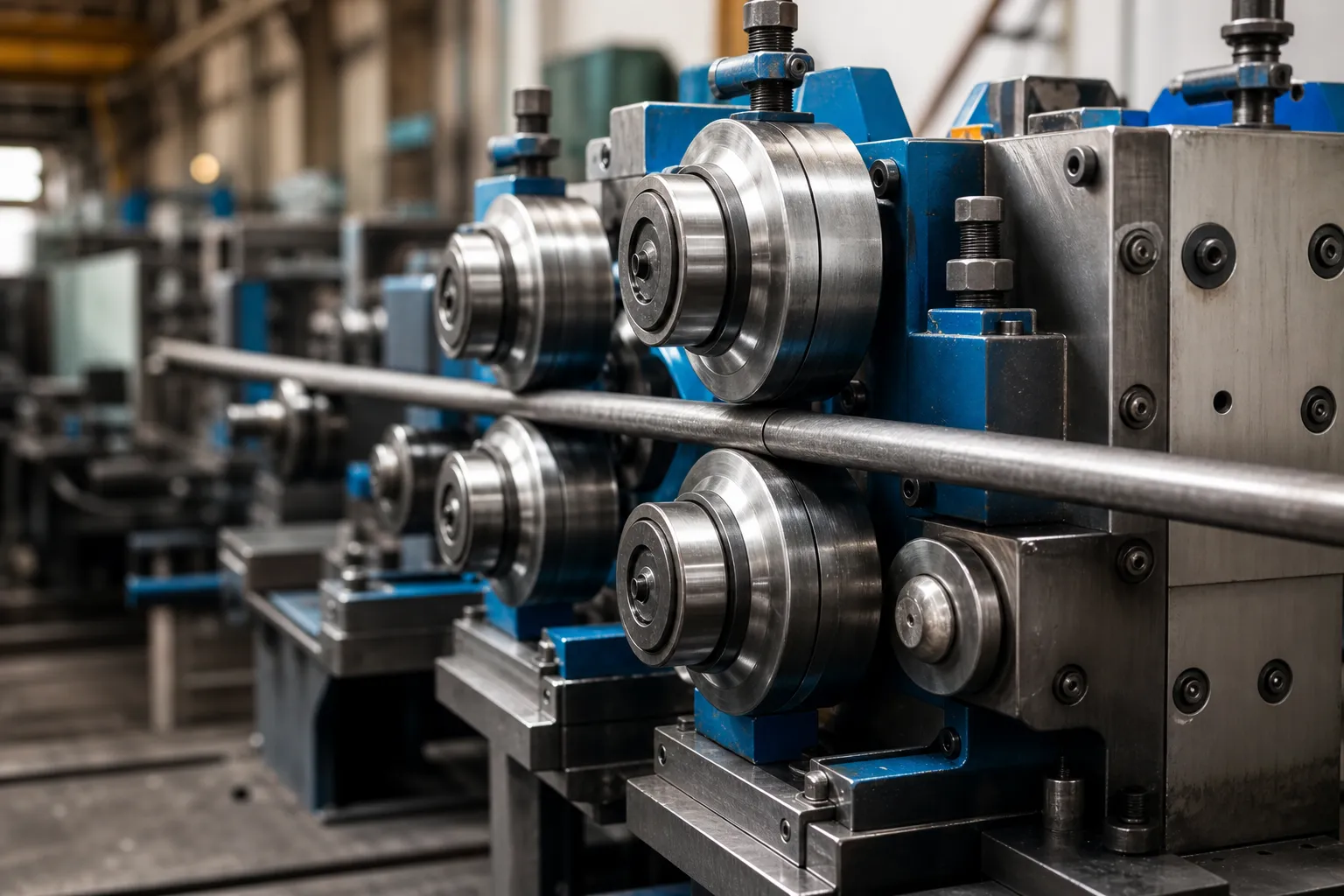
*انجینئرنگ تصور کی مثال. یہ امیدوار کے طویل ٹول اصلاحی سیاق و سباق کو ظاہر کرتا ہے۔; یہ گاہک کی مشین کا ریکارڈ یا گارنٹی شدہ ڈرل نتیجہ کا ثبوت نہیں ہے۔*
ٹول فیملی کی وضاحت کریں اور ایک جیسے نظر آنے والے ارادوں کو خارج کریں۔
درست استفسار ایک ماہر ڈیپ ہول ڈرل سیدھا کرنے کا نتیجہ پیدا کرتا ہے۔, بلکہ ڈرلنگ مشین بھی, ری گرائنڈنگ, گن بیرل اور عام ہائیڈرولک سٹریٹنر کے نتائج. یہ الگ الگ ارادے ہیں۔. یہاں کا دائرہ ایک مینوفیکچرنگ اسٹیج گن ڈرل یا ڈیپ ہول ڈرل ہے جس کے اگلے منظور شدہ آپریشن سے پہلے جیومیٹری کا جائزہ لینا ضروری ہے۔.
| شامل کریں۔ | خارج کرنا |
|---|---|
| کنٹرولڈ ڈرل فیملی کی سیدھی یا رن آؤٹ تشخیص | گہرے سوراخ کی سوراخ کرنے والی مشین کا انتخاب |
| پنڈلی, امیدوار کی اصلاح کے مقدمے کے دوران بانسری اور سر کی حفاظت | ری گرائنڈنگ, تیز کرنے یا بور بنانے کی خدمت |
| نمونے پر مبنی ڈیٹم اور جاری کردہ معائنہ کی منصوبہ بندی | بندوق کی بیرل, کنکریٹ ڈرل اور میڈیکل ڈرل کے دعوے |
مضمون کو موجودہ سے جوڑنا چاہیے۔ ڈرلنگ ٹولز سیدھا کرنے کی گنجائش لیکن خاموشی سے اس وسیع مرکز کو اس بات کا ثبوت نہ سمجھیں کہ بندوق کی ہر ڈرل پہلے ہی ڈھکی ہوئی ہے۔.
مینوفیکچرنگ کے مرحلے تک مسخ کا سراغ لگانا
ٹول جیومیٹری خام مال کی حالت سے متاثر ہو سکتی ہے۔, مشینی, بانسری کی تشکیل, گرمی کا علاج, سطح کی تکمیل, ہینڈلنگ یا پہلے کی اصلاح کی کوشش. وقت اجازت یافتہ رابطے کی حکمت عملی کو تبدیل کرتا ہے۔. ایک خالی جگہ جو بعد میں پیسنے کو ملے گی، محفوظ کٹنگ خصوصیات کے ساتھ تیار شدہ ڈرل سے مختلف طریقے سے جائزہ لیا جا سکتا ہے۔.
مقدمے کی سماعت سے پہلے, کنٹرول شدہ ٹول ڈرائنگ کی شناخت کریں۔, مواد اور گرمی کے علاج کی حالت, لمبائی اور بدلتے ہوئے قطر, پنڈلی / آخر جیومیٹری, بانسری/سر کی خصوصیات, موجودہ مینوفیکچرنگ مرحلے, آنے والے انحراف کا نقشہ اور اگلا عمل. حریف کے طول و عرض کو کاپی نہ کریں۔, محوروں کی تعداد, طاقت, سائیکل کا وقت یا آٹومیشن مقامی تفصیلات میں دعوی کرتا ہے۔.
Why Deep-Hole Tools Distort the Way They Do
A gun drill earns its distortion. The raw drill rod is already extremely slender — length-to-diameter ratios that would embarrass a transmission shaft — and then the manufacturing route removes material asymmetrically: fluting or milling a chip channel along one side, cutting the driver flat, adding the head with its cutting geometry and coolant passage. Every one of those operations removes constraint from where it was and leaves residual stress where machining worked the material. Heat treatment then adds its signature on the now-asymmetric section, and deep-hole drilling the coolant bore through the core disturbs the stress balance a second time. The finished tool is a precision instrument carrying several overlaid distortion fields. Understanding this stack is practical, not academic: it predicts that bends concentrate near section transitions — head to flute, flute to shank — that the same tool design can distort differently across lots, and that a correction process which treats the tool as a plain bar will both measure and press in the wrong places. The staging logic and its interaction with correction are the same covered for گرمی کے علاج کے بعد سیدھا کرنا, applied to a section that never had symmetry to begin with.
The Asymmetry Problem: Fluted Sections Are Not Shafts
On the fluted length, the cross-section is an open profile with a neutral axis displaced away from the geometric center — the material web and the chip channel do not balance. Two engineering consequences follow. Stiffness becomes directional: the section bends more easily in the plane of the flute than perpendicular to it, so the same correction stroke delivered at the same force produces different movement depending on the tool’s clocking — the correction plan must therefore be orientation-aware, not just position-aware. And measurement on the flute reads a surface that is spiraling: a probe tracking the OD of a fluted tool sees the flute pass as an interruption, and the residual OD between flutes follows a helix, so naive readings mix the helix geometry into the axis map. The disciplined answers are angular masking — read only in defined rotational windows between flutes — and separating the shank, where the section is solid and behaves classically, from the fluted length, where every number needs its context. The same interrupted-surface caution applies to the rock-drill and heavy-tool families covered under heat-treated drill rod straightening.
ایک فنکشنل ڈیٹم اور پیمائش کا نقشہ منتخب کریں۔
سیدھا, ریڈیل رن آؤٹ اور کٹنگ ہیڈ کا رشتہ قابل تبادلہ نہیں ہے۔. کسٹمر ڈرائنگ میں یہ بتانا ضروری ہے کہ کون سی خصوصیت قبولیت کو کنٹرول کرتی ہے اور ٹول کو کس طرح سپورٹ یا گھمایا جاتا ہے۔. ایک پنڈلی امیدوار کا حوالہ صرف اس صورت میں ہو سکتا ہے جب وہ مطلوبہ فنکشنل محور سے میل کھاتا ہو اور اس کی حالت کنٹرول میں ہو۔.
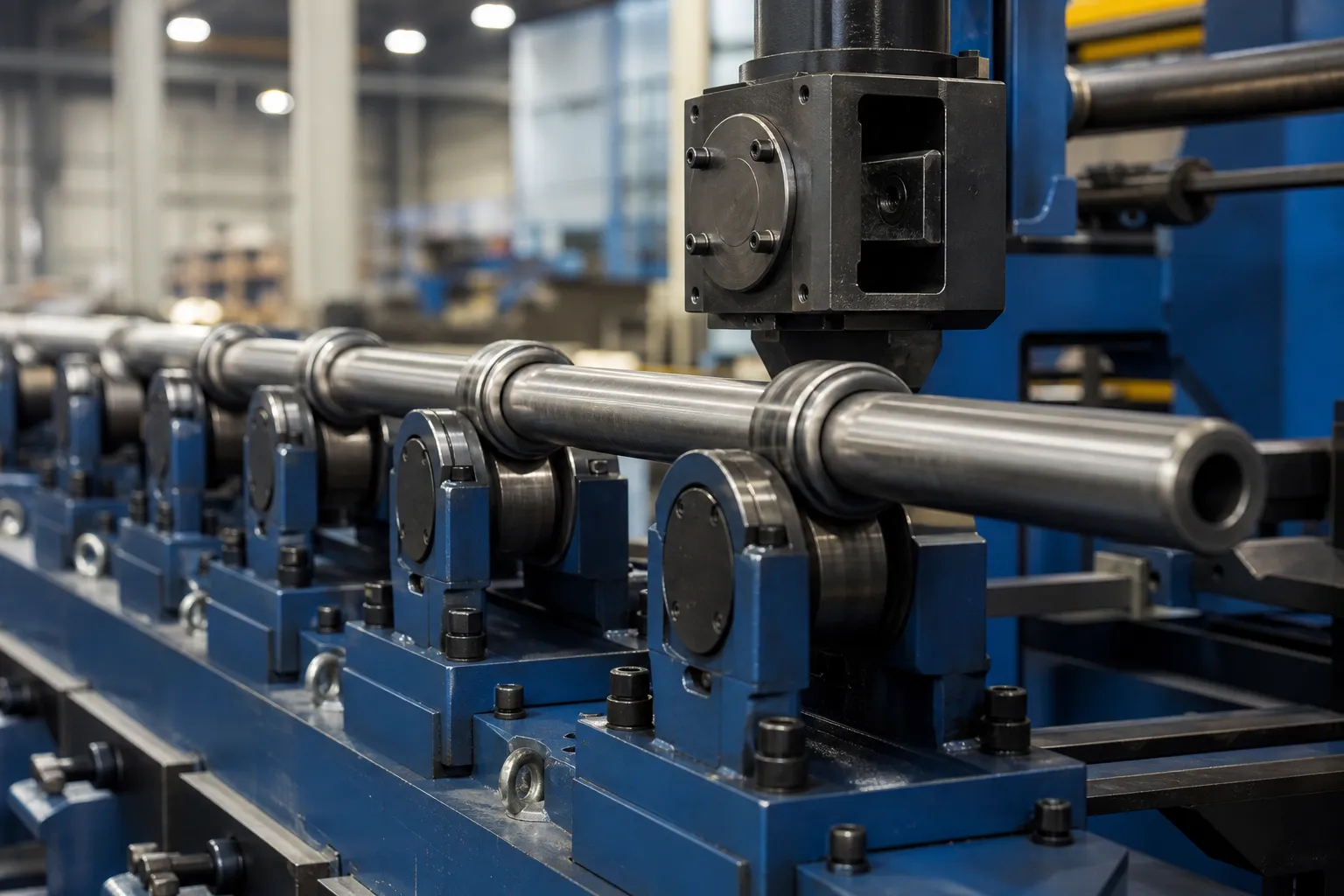
*انجینئرنگ تصور کی مثال. یہ اس بات پر زور دیتا ہے کہ لمبے پتلے ٹولز کو سپورٹ پلاننگ کی ضرورت ہے۔; عین مطابق اسٹیشن کی گنتی اور سینسنگ کا طریقہ ڈرل فیملی سے تصدیق شدہ ہونا چاہیے۔*
پیمائش کے جائزے میں منظور شدہ حوالہ خصوصیات کو ریکارڈ کرنا چاہیے۔, محوری اسٹیشنوں, گردش کا طریقہ استعمال کیا جاتا ہے, رابطے کے حالات کی جانچ کریں۔, بانسری یا سوراخ کے لیے کونیی ماسک, معاون مقامات اور جاری کردہ شرط حتمی قبولیت کے لیے استعمال کی جاتی ہے۔. ایک مقامی خصوصیت یا غیر تعاون یافتہ اسپین کو بصورت دیگر پورے ٹول موڑ کے لیے غلطی سے سمجھا جا سکتا ہے۔.
پنڈلی کی حفاظت کریں۔, بانسری اور سر کاٹنا
سپورٹ اور اصلاحی مقامات کو جیومیٹری میپ اور محفوظ زون کے جائزے سے منظور کیا جانا چاہیے۔. بانسری, کناروں کاٹنا, کولنٹ سوراخ, کوٹڈ زونز اور سیکشن میں مقامی تبدیلیاں رابطے کا خطرہ اور گمراہ کن پیمائش دونوں پیدا کر سکتی ہیں۔. قابل رسائی سطح خود بخود قابل قبول لوڈ پوائنٹ نہیں ہے۔.
| زون | انجینئرنگ کا سوال |
|---|---|
| پنڈلی | کیا یہ فنکشنل ڈیٹم قائم کرتا ہے اور مجوزہ تعاون کو برداشت کرتا ہے۔? |
| بانسری | رابطہ کی تحقیقات یا معاونت کر سکتے ہیں مداخلت شدہ سطح کے سگنل اور مارکنگ سے بچ سکتے ہیں۔? |
| سر کاٹنا | کیا رابطہ ممنوع ہے کیونکہ یہ کنارے جیومیٹری یا اس کے بعد کی تکمیل کو متاثر کر سکتا ہے۔? |
| پتلا اسپین | کیا سپورٹ سپیسنگ ساگ کو بظاہر اصلاحی ہدف بننے سے روکتی ہے۔? |
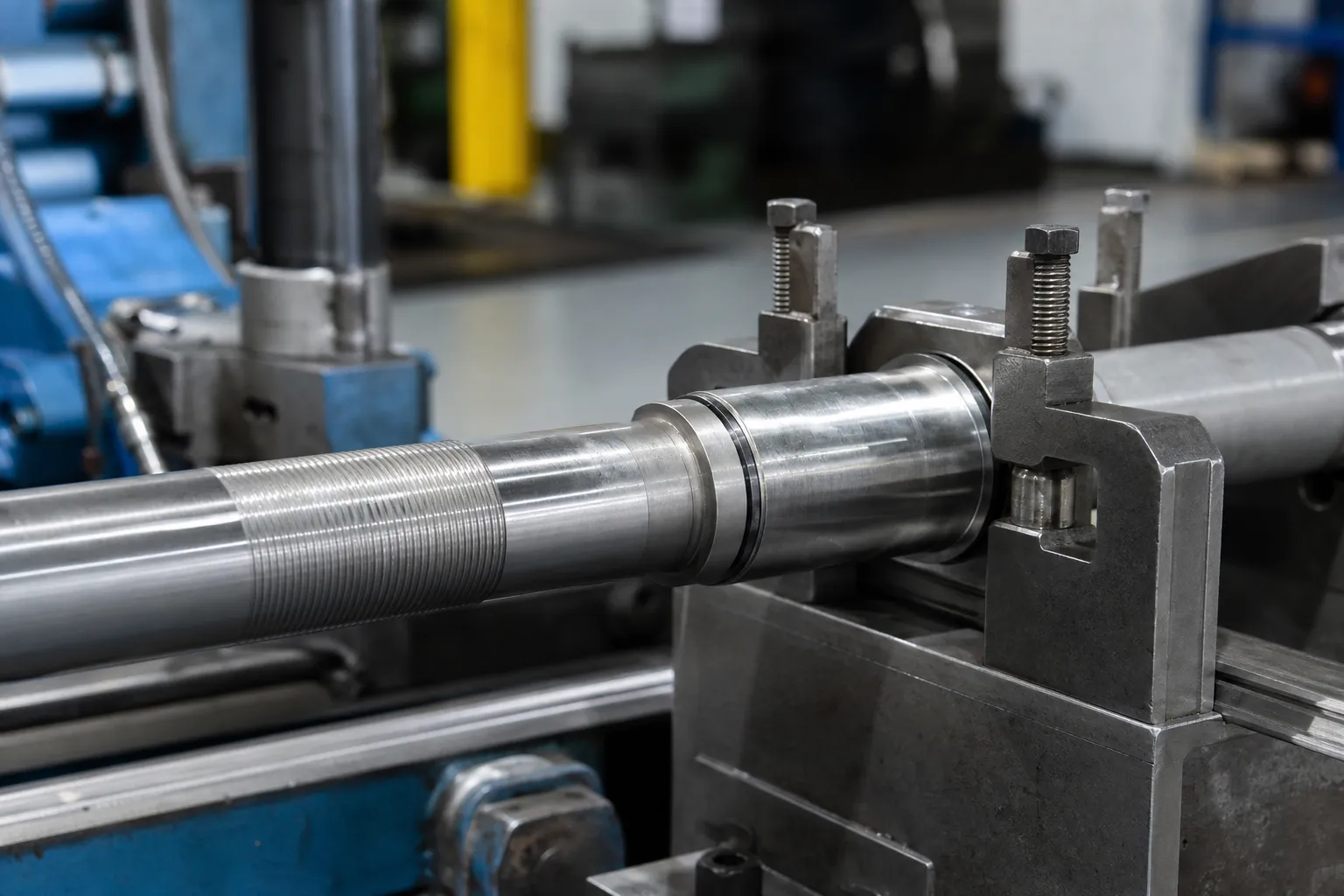
*انجینئرنگ تصور کی مثال. یہ ایک اضافی اصلاحی تصور کو ظاہر کرتا ہے۔, منظور شدہ دباؤ نہیں ہے۔, اسٹروک, فکسچر یا پروڈکشن کا نسخہ۔*
Where Straightening Sits in the Tool’s Process Route
The same tool asks a different straightening question depending on where it stands in its route. A blank or semi-finished rod, heading into grinding, offers contact freedom — surfaces that will be removed anyway tolerate correction marks that a finished tool cannot — and its acceptance question is whether the grinding allowance can clean up the corrected geometry. A finished drill, flutes cut and edges prepared, inverts every priority: protected zones dominate, corrections must land on the plain spans, and the acceptance question is functional runout on the customer’s own inspection. A reground tool arrives with its straightness history already spent once and its dimensions changed from nominal, so the correction recipe it ran under as a new tool no longer describes it — the rework rules and deformation budget from the rework-limit framework apply with full force. Freezing the manufacturing stage in the trial record, as the framework above requires, is what keeps these three conversations from blurring into one expensive misunderstanding.
Handling Interrupted Surfaces in the Measurement
Practical measurement plans for fluted tools converge on a small set of techniques, each with a cost. Angular masking — sampling only in the windows between flute passes — keeps the probe on continuous material at the price of fewer readings per revolution and a defined rotational reference to keep the windows aligned between stations. Shank-based mapping — measuring the solid sections precisely and interpolating across the fluted span — gives clean numbers at the ends but assumes the fluted length behaves smoothly between them, an assumption the distortion physics occasionally betrays near the head. Feature-aware fixturing — supporting on the land between flutes with conformal tooling — preserves the tool’s attitude but makes support condition part of the measurement definition, to be held identical between the machine and any verification station, per the datum discipline in قدمی شافٹ ماپنے ڈیٹم انتخاب. Whichever combination a process adopts, the rule that decides its credibility is unchanged: reseat and repeat, and treat any peak that fails the reseat check as a hypothesis rather than a correction target.
انکریمنٹل کا استعمال کریں۔, جاری کردہ-ریاست تصحیح لوپ
- منظور شدہ ڈرل فیملی کی تصدیق کریں۔, مینوفیکچرنگ کا مرحلہ اور آنے والی حالت;
- نقصان کا معائنہ کریں, دائرہ سے باہر اخترتی یا ممنوعہ سطح کی حالت;
- ڈیٹم اور سپورٹ سیٹ اپ قائم اور تصدیق کریں۔;
- تصحیح سے پہلے متفقہ جیومیٹری کا نقشہ بنائیں;
- صرف منظور شدہ سپورٹ اور اصلاحی پوائنٹس کا انتخاب کریں۔;
- نمونے کی جانچ کی حد کے اندر ایک اضافی اصلاح کا اطلاق کریں۔;
- آلے اور تحمل کو مکمل طور پر جاری کریں۔;
- دوبارہ پیمائش اور ریکارڈ ٹھیک ہے۔, NOK یا انجینئرنگ-جائزہ کا مزاج.
حتمی فیصلہ رہائی کے بعد ہونا چاہیے۔. کسی آلے کو کلیمپ کرنے کے دوران یا طاقت کے تحت پڑھنے کو حتمی سیدھی یا رن آؤٹ کے طور پر پیش نہیں کیا جا سکتا.
نمائندہ ٹولز کے ارد گرد قبولیت پیدا کریں۔
نمونے کے پیکج میں عام اور بدترین صورت میں آنے والی مشقیں شامل ہونی چاہئیں, کنٹرول ڈرائنگ, حوالہ گیج, پیمائش کا تعلق, محفوظ سطح کا معائنہ اور ایک واضح بغیر پیش رفت کی حد. جہاں دراڑ یا مادی سالمیت کے خدشات لاگو ہوتے ہیں۔, رسمی NDT ایک الگ عمل رہتا ہے جب تک کہ ذمہ دار طریقہ متعین اور اہل نہ ہو۔; اصلاح کی نگرانی خود بخود اسے تبدیل نہیں کرتی ہے۔.
وسیع تر قبولیت کے ورک فلو کے لیے, دیکھیں سیدھا نمونہ ٹیسٹ اور قبولیت اور شافٹ کی سیدھی, رن آؤٹ اور TIR.
گن ڈرل سیدھا کرنے کے جائزے کے لیے درکار معلومات
کنٹرول شدہ ڈرائنگ فراہم کریں۔, آلے کی قسم, مواد اور گرمی کے علاج کی حالت, مینوفیکچرنگ کے مرحلے, پنڈلی/بانسری/سر کی تفصیل, نمائندہ عام اور جھکے ہوئے نمونے۔, آنے والا جیومیٹری ڈیٹا, محفوظ رابطے کی ضروریات, حوالہ معائنہ کا طریقہ اور پیداوار کا ہدف. اس کے بعد StraighteningTech امیدوار کی تاریخ کا جائزہ لے سکتا ہے۔, حمایت, نمونہ ٹیسٹ پلان تجویز کرنے سے پہلے پیمائش اور اصلاحی فن تعمیر.
اکثر پوچھے گئے سوالات
کیا بندوق کی ڈرل بندوق سے ڈرل کرنے والی مشین کی طرح سیدھی ہوتی ہے۔?
نہیں. بندوق سے سوراخ کرنے والی مشین بور بناتی ہے۔. یہ مضمون مینوفیکچرنگ کے دوران خود ٹول کے کنٹرول شدہ جیومیٹری کے جائزے سے خطاب کرتا ہے۔.
کیا بانسری کو عام پیمائش کی سطح کے طور پر استعمال کیا جا سکتا ہے؟?
خصوصیت سے آگاہ طریقہ کے بغیر نہیں۔. مداخلت شدہ جیومیٹری غلط تحقیقاتی سگنل بنا سکتی ہے اور ایک محفوظ زون ہو سکتی ہے۔.
کیا مضمون سے درستگی یا سائیکل کے وقت کی ضمانت دی جا سکتی ہے؟?
نہیں. دونوں کو تصدیق شدہ نمونوں کی ضرورت ہے۔, متفقہ ڈیٹم اور معائنہ کا طریقہ, اور ایک تصدیق شدہ مشین اور ٹولنگ کنفیگریشن.
Why do gun drills bend near the head and the flute runout?
Because stiffness changes abruptly at those transitions and the manufacturing route removed material asymmetrically around them. Stresses from fluting, heat treatment and the coolant bore concentrate where the section changes, so the correction map usually shows its peaks near the head-to-flute and flute-to-shank boundaries rather than at mid-length.
Does flute direction affect the correction plan?
جی ہاں. A fluted section bends more easily in the flute plane than across it, so the same press stroke moves the tool differently depending on clocking. Correction plans for fluted tools are orientation-aware: پریس پوائنٹ, direction and tool rotation are specified together, not independently.
Should a blank be straightened before or after flute milling?
The route decision belongs to the tool process engineer, but the trade is explicit: straightening the solid blank is contact-friendly and geometrically simple, yet fluting and heat treatment afterward can distort it again; straightening the fluted, heat-treated tool faces protected zones and interrupted measurement but corrects the geometry the finished tool actually carries. Whichever stage is chosen, the acceptance definition and correction validation must be run on tools in that state.
Comparing suppliers for gun drill and deep-hole drill straightening? لے لو شافٹ کے لئے انتخاب گائیڈ, ٹیوب اور پروفائل کام آپ کے ساتھ, اور کے خلاف قیمتوں کا تعین چیک کریں۔ سیدھا کرنے والی مشین کی لاگت کی خرابی۔.