
فاسٹنر مینوفیکچرنگ انڈسٹری میں, ہیٹ ٹریٹمنٹ کے بعد لمبے بولٹ میں موڑنا ایک عالمگیر درد کا مقام ہے۔. روایتی “دستی ہتھوڑا” نہ صرف ناکارہ ہے بلکہ مسلسل درستگی کی ضمانت دینے میں بھی ناکام ہے۔. یہ مضمون ایک خصوصی کا اشتراک کرتا ہے خودکار بولٹ سیدھا کرنے کا حل: demonstrating a reported client case in which automation took an 8-person manual line to one operator supervising four machines, with straightness held within 0.1 mm on the client’s acceptance records.
What is the Bolt?
بولٹ مشینری کے لیے بنیادی فاسٹنر ہیں۔, تعمیر, اور آٹوموٹو انڈسٹریز. اس حل کے لیے عام ورک پیس ایک اعلیٰ طاقت والا لمبا بولٹ ہے۔: 15ملی میٹر قطر, 340ملی میٹر کی لمبائی.
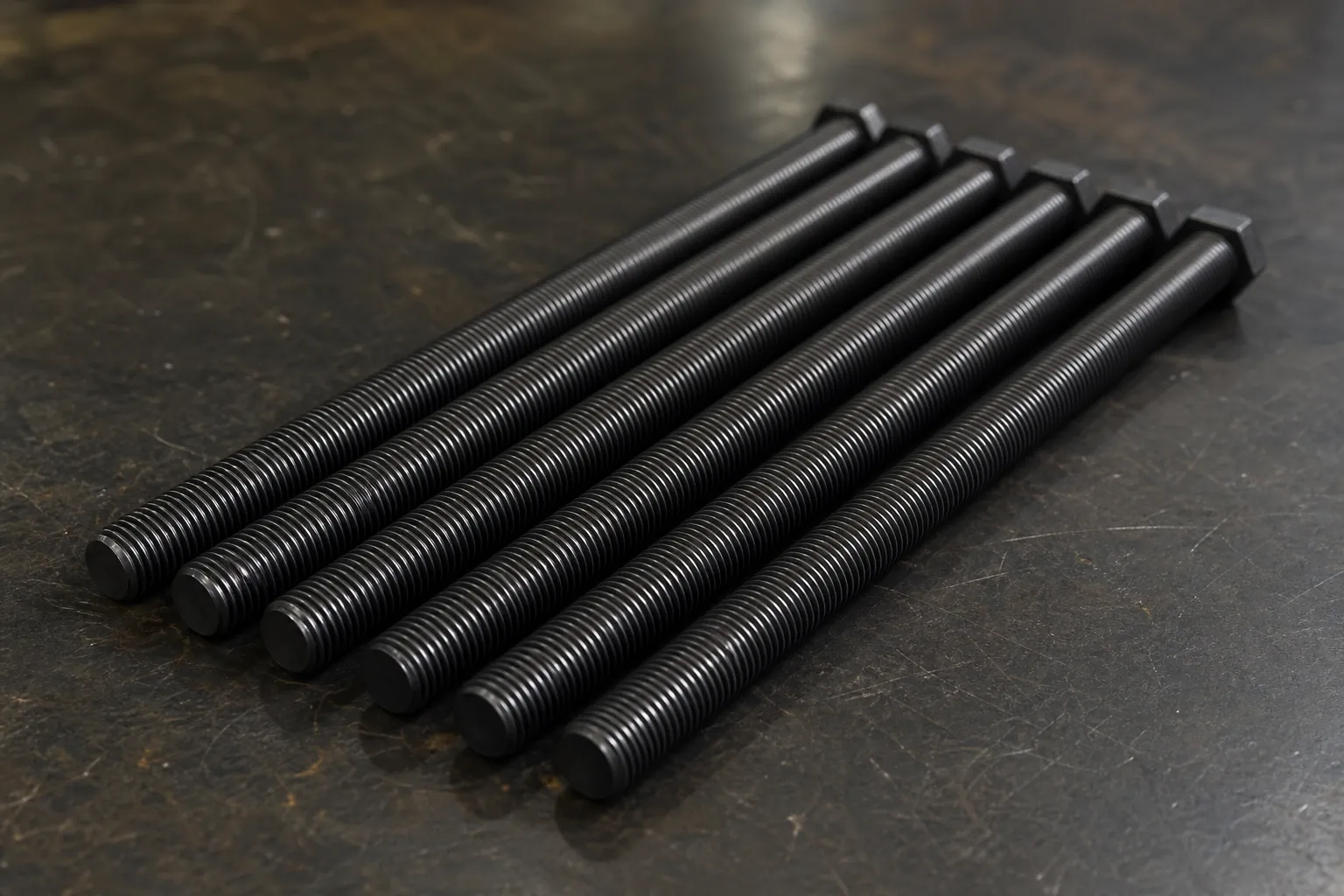
ساختی خصوصیات اور چیلنجز
- ہائی L/D تناسب: 340mm کی لمبائی بولٹ کو 0.5mm کے ابتدائی موڑ کے لیے انتہائی حساس بناتی ہے۔ – 1.5گرمی کے علاج کے بعد ملی میٹر.
- صحت سے متعلق تقاضے: The client required straightness within 0.2 ملی میٹر; the case acceptance records were held under 0.1 ملی میٹر.
- تحفظ کے تقاضے: سیدھا کرنے کے عمل کو دھاگے کی درستگی اور سطح کے معیار کو صفر نقصان کو یقینی بنانا چاہیے۔.
Why Heat Treatment Bends Long Bolts in the First Place
Understanding the distortion source is what makes a correction process defensible instead of decorative. During quenching, a long fastener cools unevenly: the section cools at different rates depending on orientation in the basket or fixture, agitation contact, and local mass differences between the plain shank, the threaded length and the head. Each cooling path wants to contract by a different amount, and the resulting locked-in stresses bend the part when it relaxes. The effect scales with length — which is why short bolts leave heat treatment usable while long ones of the same grade systematically arrive bent. Thread rolling and machining before treatment add their own stress history, and any straightening performed at the heat treater counts as prior deformation for everything done afterward.
Two practical consequences follow. سب سے پہلے, incoming inspection on long heat-treated bolts is not optional paperwork — the bend magnitude and pattern arriving at the straightening station determine both the correction plan and any supplier conversation, and the interaction of prior deformation with correction response is the reason reverse-loading behavior matters, as covered under سیدھا کرنے میں Bauschinger اثر. دوسرا, process decisions upstream — how parts are racked or basketed through quench, whether stress relief is applied — change the distribution the straightening station sees, and are usually the cheapest place to reduce total correction work.
Reading the Bend Before Correcting It
Long fasteners arrive with a small vocabulary of bend patterns, and naming the pattern is the first step of an efficient correction loop. A single-arc bow — one gentle curve, maximum near the middle — is the most common heat-treatment signature and the most straightforward to correct with supports positioned around the peak. An S-shaped double bend has two opposite peaks, usually reflecting two constraint points during quench, and demands two coordinated corrections rather than one big press at the largest reading. A local kink near the head or the thread runout concentrates distortion where section stiffness changes, and behaves differently from a distributed bow. آخر میں, twist about the axis occasionally accompanies bending on parts with asymmetric features. Each pattern requires its own measurement map and correction sequence, which is why an automatic station that scans the full length and builds the map before pressing — rather than chasing the single worst reading — converges in fewer strokes. The measuring-and-correcting loop behind this is described for automatic shaft straightening generally, and for the long-bolt family specifically in the automatic long bolt straightening process.
بولٹ کو سیدھا کرنے سے کیوں دور ہونا ضروری ہے۔ “دستی ہتھوڑا”
روایتی عمل بمقابلہ. خودکار حل
The figures below are this client’s reported baseline and post-commissioning values, not a universal benchmark for every fastener line.
| درد کا نقطہ | دستی ہتھوڑا / دستی پریس | خودکار سیدھا حل |
| مزدوری کی ضرورت | 8 workers per shift (manual baseline, reported case) | 1 operator for 4 مشینیں (reported case) |
| سیدھا | 0.2 – 0.5 mm spread (reported manual baseline) | ≤ 0.1 ملی میٹر (client acceptance records) |
| سائیکل کا وقت | 120 – 180 s/ٹکڑا (reported manual baseline) | 10 – 15 s/ٹکڑا (reported case) |
| مجموعی لاگت | High labor cost per corrected part | Manpower reduced from 8 operators to 1 supervising 4 مشینیں (reported case) |
خودکار بولٹ سیدھا کرنے کا عمل بہاؤ
یہ حل فیڈنگ سے لے کر چھانٹنے تک مکمل بند لوپ خودکار عمل کا احاطہ کرتا ہے۔, اس بات کو یقینی بنانا کہ ہر بولٹ اعلیٰ معیاری ترسیل کی ضروریات کو پورا کرتا ہے۔.
بنیادی عمل کی تفصیل
- آٹو فیڈنگ: جھکے ہوئے بولٹ انسانی مداخلت کے بغیر خود بخود ہوپر سے سیدھے اسٹیشن میں کھلائے جاتے ہیں۔.
- متحرک پیمائش: اعلی درستگی والے سینسر ریئل ٹائم میں گھومنے والی ورک پیس کو اسکین کرتے ہیں۔, پوری لمبائی میں زیادہ سے زیادہ موڑ پوائنٹ کو درست طریقے سے پکڑنا.
- سروو پریسنگ: سمارٹ سسٹم مواد کی بنیاد پر خود بخود اسپرنگ بیک کا حساب لگاتا ہے۔ (کاربن سٹیل / مصر دات سٹیل), اور سروو رام سنگل پاس کی اصلاح کے لیے عین دباؤ کا اطلاق کرتا ہے۔.
- خودکار چھانٹنا: کوالیفائیڈ بولٹ اگلے مرحلے پر جاتے ہیں۔, while non-conforming parts are automatically isolated before they leave the machine.

UBJ-80 بولٹ سیدھا کرنے والی مشین
یہ سیدھا کرنے والا گرمی سے علاج شدہ حصوں کے لیے مثالی ہے۔ (جیسے, سٹیمپنگ/آفس مشین کے اجزاء, آٹو / موٹر سائیکل کے پرزے, اوزار, پیچ) اور سلاخوں (اسٹیل, تانبا, ایلومینیم, سٹینلیس سٹیل, ٹائٹینیم مرکب) 60-600 ملی میٹر کی لمبائی & φ3–φ25mm قطر. یہ صحت سے متعلق اور مصنوعات کے معیار دونوں کو بڑھاتا ہے۔.
بنیادی سیدھا کرنے والے چیلنجز اور حل
چیلنج 1: Manning and the Reported “1 کے لیے آپریٹر 4 مشینیں” Case
مسئلہ کی تفصیل: Manual hammering and press correction depend on operator skill, stamina and shift discipline, so manning levels stay high and results vary from operator to operator.
حل:
ہمارا حل لاگو ہوتا ہے۔ مکمل بند لوپ آٹومیشن. آپریشن کی منطق انتہائی آسان ہے۔, مختلف بولٹ نردجیکرن کے لئے بلٹ ان ترکیبوں کے ساتھ. ایک معیاری کارکن کو صرف وقتا فوقتا ہاپر کو دوبارہ بھرنے کی ضرورت ہوتی ہے۔; باقی - پیمائش, سیدھا کرنا, اور معائنہ مشین کے ذریعہ خود بخود سنبھال لیا جاتا ہے۔. یہ مزدوری کی کمی کو حل کرتا ہے اور تھکاوٹ کی وجہ سے درستگی کے قطرے کو ختم کرتا ہے۔.
چیلنج 2: 0.1 ملی میٹر درستگی کے اندر مستقل مزاجی کی ضمانت
مسئلہ کی تفصیل: جب بولٹ کو ہتھوڑے کے وار کا نشانہ بنایا جاتا ہے۔, اندرونی کشیدگی کی تقسیم ناہموار ہو جاتی ہے۔, اکثر مقامی علاقوں میں زیادہ اصلاح کا باعث بنتا ہے۔.
حل:
حل استعمال کرتا ہے a مکمل طور پر پیرامیٹرائزڈ سروو کنٹرول سسٹم. مبہم انسانی فیصلے کے برعکس, سینسر مائیکرون کی سطح کی درستگی کے ساتھ بولٹ کے محوری وکر کا پتہ لگاتے ہیں۔. ملٹی سٹیپ سرو الگورتھم کے ذریعے, سسٹم S45C یا الائے اسٹیلز کے لچکدار اسپرنگ بیک پر ٹھیک ٹھیک قابو پاتا ہے۔, locking final straightness within the 0.1 mm window achieved on this client’s qualified recipe.
How Thread and Head Zones Are Protected During Correction
Thread protection is a contact-zone engineering problem, and the principles are the same ones that govern surface-protection tooling across straightening applications. The correction force and the reaction forces both need somewhere to live, and on a long bolt the plain shank is the region designed to carry load, while the threaded length and the under-head fillet are the regions most easily damaged. A protection concept therefore has three parts: place supports on the shank at controlled span positions around the bend peak; direct press contact onto the shank through tooling that conforms to the section instead of touching thread crests; and keep every edge that could contact the workpiece generously radiused so load spreads instead of concentrating. Cleanliness belongs in the same sentence — debris trapped between press tooling and a thread flank is a scratch generator, and on plated or coated bolts the coating class defines how much contact the finish can tolerate at all.
The validation side is equally concrete. A thread-protection claim is proven by inspection agreed before the trial — thread gauges still running, flank condition reviewed under the method the quality function specifies — together with the released-state straightness result, on representative parts, after repeat setups. Protection and geometry are accepted together or not at all.
What an Acceptance Criteria Package Should Contain
A bolt straightening process is only as good as the acceptance definition it answers to, and a complete one answers five questions in writing. What characteristic governs — straightness of the axis, measured how: on centers, on supports, گھومنے, in what condition, since a reading under restraint is not a released result, فی loaded versus released measurement practice. What the limit is, and where it applies — full length or specified spans. What else must survive the process — thread fit, سطح ختم, کوٹنگ, head markings. How conformity is sampled — every part through an automatic gauge, or a sampling plan with defined reaction to a failure. And what happens to nonconforming parts — rework limits, segregation and disposition authority, following the NOK sorting and rework-limit framework. Buyers comparing straightening suppliers are well advised to ask for exactly this package; the ability to produce it says more about a supplier than any single machine specification.
مینوفیکچرنگ کیس: ہندوستانی کلائنٹ کا چوتھا انتخاب
کسٹمر کا پس منظر
ایک مشہور ہندوستانی فاسٹنر سپلائر جو عالمی تعمیراتی مشینری برانڈز کے اجزاء فراہم کرتا ہے۔.
نفاذ کے نتائج
- احکامات دہرائیں۔: پہلے تین یونٹس کی شاندار کارکردگی کی بنیاد پر, کلائنٹ نے حال ہی میں ان کی خریداری کی۔ 4مشین.
- Operator Consolidation: The client reported one operator managing all 4 machines after commissioning, with a substantial increase in output per operator.
- کوالٹی بینچ مارک: The client’s records report straightness moving from 0.2 mm down to under 0.1 mm after commissioning.
اکثر پوچھے گئے سوالات
- سوال: کیا سیدھا کرنے والا رام بولٹ کے دھاگوں کو نقصان پہنچائے گا؟?
- نہیں. ہم نے ڈیزائن کیا ہے۔ غیر رابطہ, کشن تحفظ کے سانچوں خاص طور پر بولٹ سیدھا کرنے کے لیے. پریس بلاکس بولٹ کے گھماؤ سے بالکل مماثل ہیں۔, یکساں طاقت کی تقسیم کو یقینی بنانا اور سطح کے اشارے سے گریز کرنا.
- سوال: کیا سامان ہماری فیکٹری کے MES سسٹم میں ضم ہو سکتا ہے؟?
- جی ہاں. ہمارا کنٹرول سسٹم معیاری ڈیٹا انٹرفیس کی خصوصیات رکھتا ہے تاکہ ہر بولٹ کے لیے ریئل ٹائم سیدھا کرنے والے ڈیٹا کو ریکارڈ اور برآمد کیا جا سکے۔, جدید سراغ رسانی کی ضروریات کو پورا کرنا.
Additional Process Questions
Why do bolts from the same heat-treatment lot arrive with different bend patterns?
Because each part’s position in the basket or rack gave it a different cooling path. Quench distortion is sensitive to orientation, local mass and agitation contact, so even identical bolts leave treatment with different locked-in stress patterns. Mapping incoming parts rather than assuming a uniform error is the practical answer, and it is why scanning-based stations build a per-part correction plan.
How many correction passes does a long bolt need?
It depends on the pattern, not a fixed number. A single-arc bow typically converges in one planned press; an S-bend needs two coordinated corrections; local kinks near section changes respond differently again. The governing rule is a rework limit set before production — parts that stop responding are routed to review, not pressed repeatedly, because each additional plastic cycle consumes fatigue life and changes the material’s response.
Should straightening come before or after thread rolling?
The route belongs to the fastener process engineer, but the trade-off is explicit: correcting before thread rolling lets subsequent operations work from a straight blank, while correcting after heat treatment with finished threads demands the contact-zone protection described above. Whichever route is chosen, the acceptance package must define what state the straightness limit applies to, and the correction validation must be run on parts carrying that state.
خلاصہ
فاسٹنر فیکٹریوں کے لئے جو اعلی کارکردگی اور معیار کا تعاقب کرتے ہیں۔, ایک خودکار بولٹ سیدھا کرنے کا حل مسابقت میں اضافے کا ایک لازمی راستہ ہے۔. Whether the target is lower manning or 0.1 mm delivery precision, the figures in this article are one client’s reported case; your own results depend on the bolt family, incoming distortion and acceptance definition.
Moving from manual bolt correction toward automation? دی دستی بمقابلہ خودکار انتخاب منطق اور خودکار سیدھا کرنے کے لیے ROI کیس قدرتی اگلے اقدامات ہیں.
اگر آپ کو لیبر مینجمنٹ کے مسائل یا صحت سے متعلق رکاوٹوں کا سامنا ہے۔, بلا جھجھک ہم سے رابطہ کریں۔ اپنی مرضی کے مطابق تکنیکی تجویز کے لیے.