
ایک پڑھنا جب ایک ورک پیس اصلاحی قوت کے تحت ہو۔, کلیمپ فورس, تناؤ یا معاونت کی ایک خاص حالت قابل قدر عمل کی معلومات ہو سکتی ہے۔. یہ خود بخود حتمی قبولیت کا نتیجہ نہیں ہے۔. جب بیرونی قوتوں کو ہٹا دیا جاتا ہے۔, حصہ, سپورٹ اور پیمائش کا نظام اسپرنگ بیک کے ذریعے مختلف طریقے سے جواب دے سکتا ہے۔, جھکنا, بیٹھنے کی تبدیلی یا فکسچر کی رہائی. اس لیے قبولیت کے طریقہ کار کو یہ بتانا چاہیے کہ کون سی شرط فیصلے پر حکومت کرتی ہے۔.
یہ مضمون انجینئرنگ قبولیت کا فریم ورک فراہم کرتا ہے۔. اس میں اسپرنگ بیک کی قدر نہیں بتائی گئی ہے۔, ایک اجازت شدہ انحراف, ایک سیدھا کرنے والی ٹیک پیمائش کی صلاحیت یا گارنٹی شدہ نتیجہ. کنٹرول شدہ ڈرائنگ اور کسٹمر ریفرنس کا طریقہ مستند رہتا ہے۔.

*انجینئرنگ تصور کی مثال. یہ رہائی کے بعد معائنہ پر زور دیتا ہے۔; یہ گاہک کی قبولیت کی رپورٹ یا کسی مخصوص سیدھی نتیجہ کا ثبوت نہیں ہے۔*
پیمائش کی حالت کا نام دیں۔
پڑھنے کا موازنہ کرنے سے پہلے, دستاویز کریں کہ آیا حصہ مفت ہے۔, حمایت کی, کلیمپڈ, تناؤ, گھومنے, دبایا, روک یا دوسری صورت میں روکا گیا. ڈیٹم کی بھی وضاحت کریں۔, سپورٹ مقامات, مدت, واقفیت, گیج اور حساب کتاب کا اصول. اس سیاق و سباق کے بغیر نمبر کا ڈرائنگ کی ضرورت یا کسی دوسرے معائنہ اسٹیشن کے ساتھ قابل اعتماد موازنہ نہیں کیا جاسکتا.
| حالت | کے لیے مفید ہے۔ | کے لیے بذات خود کافی نہیں۔ |
|---|---|---|
| اصلاحی قوت کے تحت | عمل کا ردعمل اور اضافی کنٹرول | جیومیٹری کی حتمی قبولیت |
| فکسچر میں جکڑا ہوا ہے۔ | ریپیٹ ایبلٹی اور ان پروسیس پوزیشننگ سیٹ اپ کریں۔ | مفت/جاری شدہ حصہ کا نتیجہ جب تک مخصوص نہ ہو۔ |
| ایک کنٹرول شدہ اسپین پر تعاون یافتہ | مسلسل مشین کی پیمائش | کسٹمر گیج سپورٹ کی ایک مختلف حالت |
| متفقہ معائنہ کے طریقہ کار کے تحت جاری کیا گیا۔ | حتمی فیصلہ جب تصریح کی ضرورت ہو۔ | مستقبل کے ہر لاٹ یا مختلف قسم کے بارے میں دعویٰ |
The Mechanics Behind the Difference
Why does a part measure straighter under the press than after release? Three effects stack. سب سے پہلے, elastic deflection: while correction force is applied, the section is elastically bent in addition to its permanent shape, so the gauge reads the sum of plastic geometry and elastic deflection. Remove the force and the elastic part of that reading disappears with it — the mechanics behind springback معاوضہ in process control. دوسرا, رد عمل جیومیٹری: supports and clamps carry reaction loads that change the part’s shape while it is held, and fixture compliance under those loads shifts the measured stations. تیسرا, seating: clamping forces seat the part onto its datum features differently than free placement does, so the datum itself moves between conditions.
The sign of the combined effect is not always predictable — that is the trap. A machine reading under support can be higher or lower than the released value depending on which effect dominates, which is why no fixed correction offset between the two conditions survives contact with a real part family. The relationship has to be measured per family, per support condition, and revisited whenever the setup changes.
Gravity Is Part of the Reading
پتلے حصوں پر, self-weight sag is not negligible — it is often the same order as the tolerance being controlled. A bar supported at its ends droops in the middle; the same bar supported at intermediate points droops less but tilts its ends. This gives the support layout a measurement role that is independent of its correction role: where the part sits while being read determines what the gauge sees, before any part geometry enters. Precision length metrology solved this decades ago for standards and line scales, and the same logic transfers: symmetric support at roughly 0.21 of the length from each end (the Airy points) minimizes end slope, while support near 0.22 of length (the Bessel points) minimizes mid-length sag for a uniform section. Production lines do not always need textbook elegance — they need consistency — but the underlying point is non-negotiable: the support condition is part of the measurement definition, and it must match between machine, local inspection and customer gauge or be explicitly correlated. The same reasoning governs rotating measurements, where support and seating effects enter the trace directly.
سمجھیں کہ پڑھنا کیوں بدل سکتا ہے۔
مواد کی وصولی, سپورٹ کیس, رابطے کی رہائی, حقیقت لچکدار ردعمل, بیٹھنے کی تبدیلیاں, درجہ حرارت اور پیمائش کا طریقہ سبھی عمل میں اور حتمی پڑھنے کے درمیان تبدیلی میں حصہ ڈال سکتے ہیں۔. فرض کرنے کے بجائے اس کی وجہ تلاش کی جانی چاہیے۔. کم لوڈ ریڈنگ کا سیدھا مطلب یہ ہو سکتا ہے کہ مشین اس حصے کو ایسی حالت میں رکھتی ہے کہ یہ ریلیز کے بعد برقرار نہیں رہے گی۔.
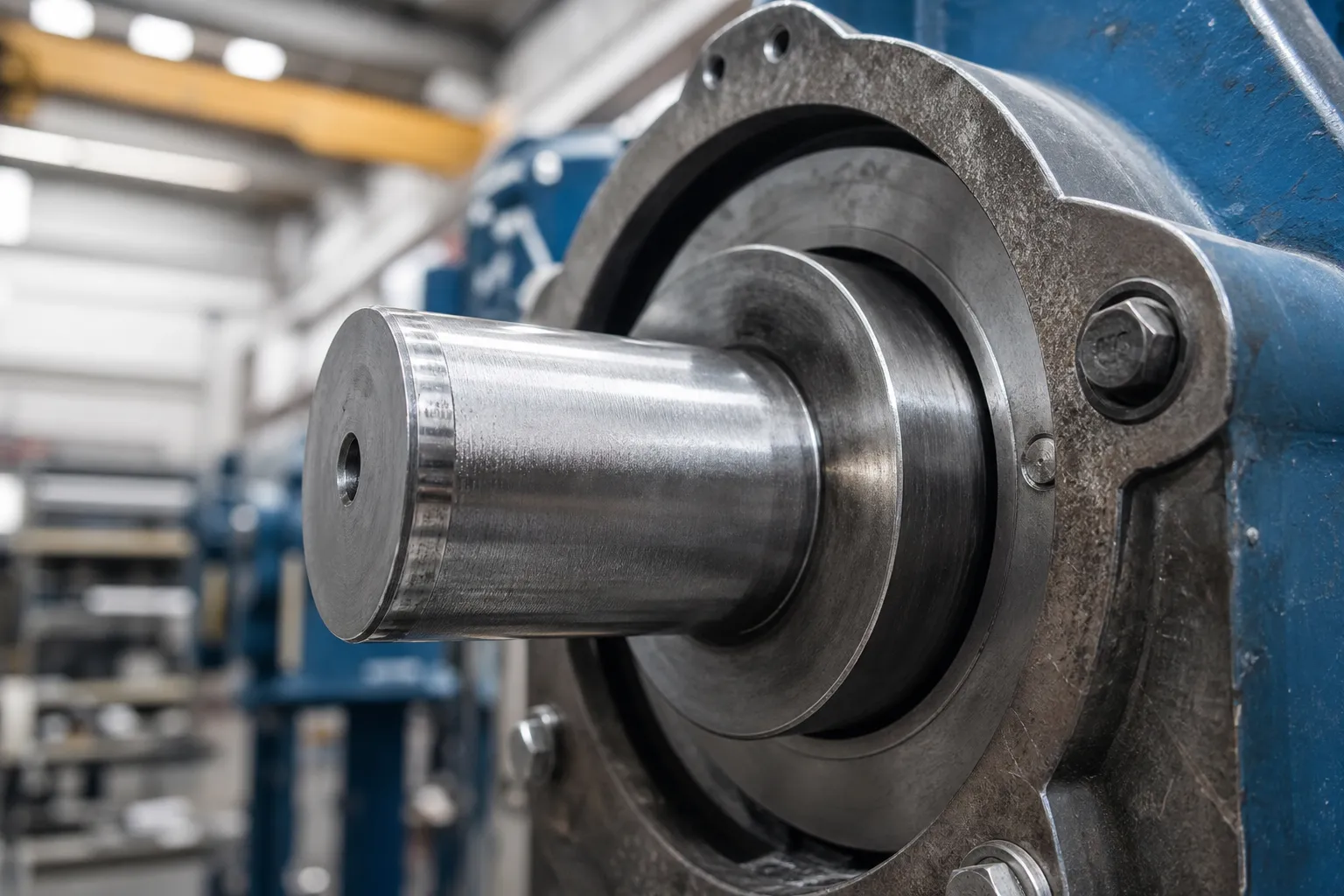
*انجینئرنگ تصور کی مثال. یہ ایک جاری شدہ ریاست کی تصدیق کا مرحلہ دکھاتا ہے۔, ایک عالمگیر فکسچر نہیں, سینسر یا قبولیت کا طریقہ کار۔*
ڈیٹم اور سپورٹ کنڈیشن کو ایک ساتھ متعین کریں۔
ایک ہی ورک پیس مختلف جیومیٹری پیش کر سکتا ہے جب مختلف پوائنٹس پر سپورٹ کیا جائے یا فکسچر میں دوبارہ سیٹ کیا جائے۔. معاہدے کو حوالہ کی خصوصیات کی نشاندہی کرنی چاہئے۔, اجازت دی گئی حمایت, محوری / گھومنے والی پوزیشنیں, گیج رابطہ اور درست رہائی کی حالت. جب مشین اور کسٹمر گیج میں فرق ہو۔, ان کے تعلقات کے لیے مساوات کے مفروضے کی بجائے دستاویزی ارتباط کے مطالعہ کی ضرورت ہوتی ہے۔.
See machine gauge versus customer gauge correlation and فکسچر ریپیٹ ایبلٹی اور ڈیٹم سیٹنگ متعلقہ کوالٹی کنٹرولز کے لیے.
ریلیز کو بند لوپ عمل کے مرحلے کے طور پر استعمال کریں۔
عمل میں درج ذیل ترتیب شامل ہونی چاہیے۔:
- منظور شدہ حصہ خاندان کی شناخت کریں, ڈرائنگ نظرثانی اور پیمائش کا طریقہ;
- معائنہ, مخصوص ڈیٹم/سپورٹ انتظامات کو صاف اور لوڈ کریں۔;
- ابتدائی پڑھنے اور اس کی حالت کو پکڑیں۔;
- کسی بھی منظور شدہ اضافہ اصلاح کا اطلاق کریں۔;
- اصلاحی قوت کو ہٹا دیں۔, کلیمپ اور عارضی پابندیاں جیسا کہ وضاحت کی گئی ہے۔;
- صرف طے شدہ طریقہ کار کے مطابق انتظار کریں یا مستحکم کریں۔;
- مطلوبہ جاری کی حالت میں remeasure;
- نتیجہ ریکارڈ کریں, دہرائیں/دوبارہ سیٹ چیک کریں اور پاس/NOK/انجینئرنگ کا جائزہ لیں۔.
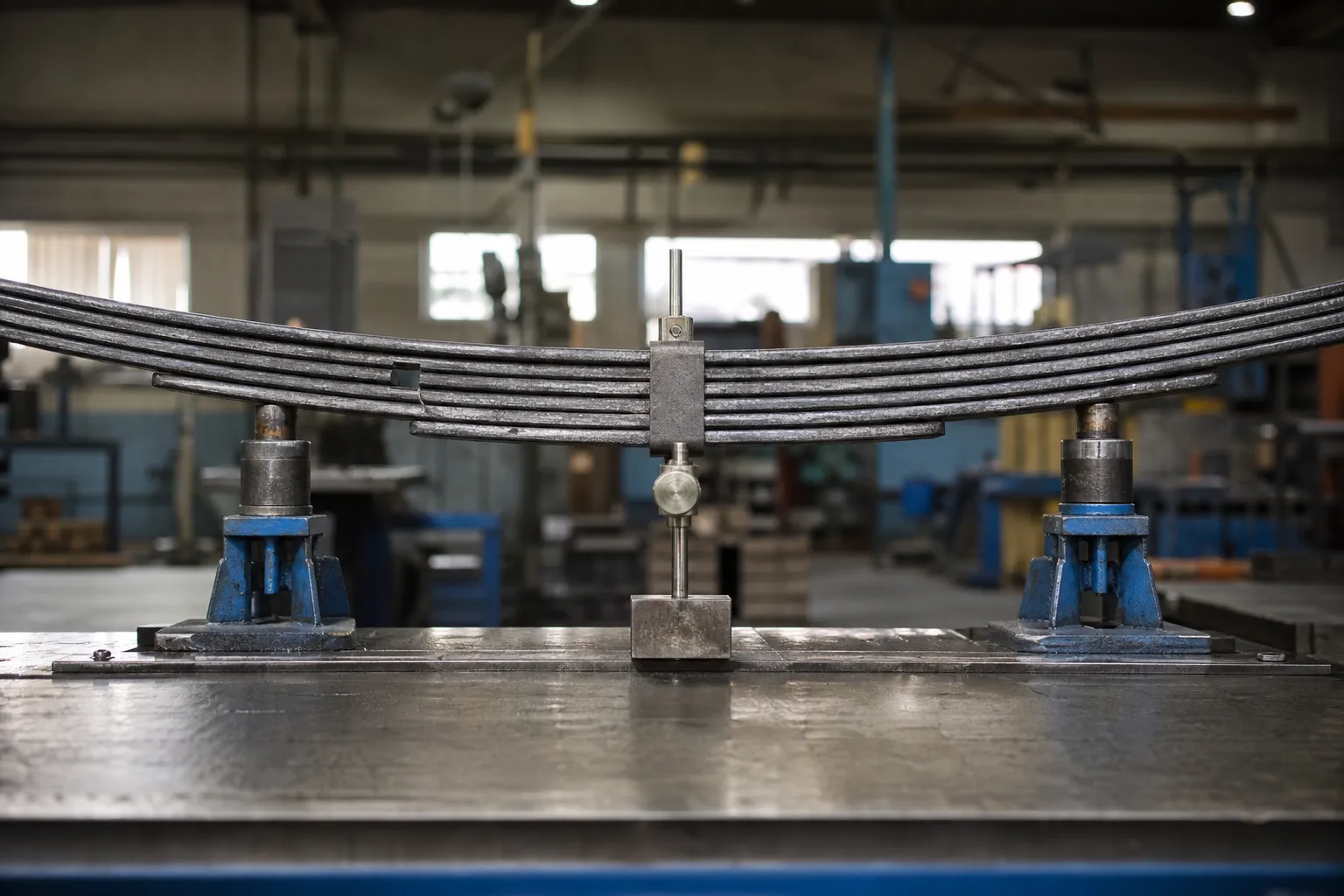
*انجینئرنگ تصور کی مثال. It illustrates that the required free-state condition may differ by workpiece family; it does not prescribe a spring acceptance procedure for shafts or tubes.*
When the Loaded Reading Is the Right Reading
Loaded-versus-released is not a morality tale in which released always wins. Some acceptance definitions are written in a loaded or restrained state, because that is how the part functions or how its predecessor processes measured it: wire and strip under tension, parts inspected on a defined mandrel, assemblies checked in the clamped condition of the next operation. The engineering failure is not measuring under load — it is measuring under load while the drawing and the customer expect free state, یا اس کے برعکس, without anyone naming the condition. The fix is clerical and absolute: the acceptance record states the condition, and any station that cannot reproduce that condition either gets the correlation study or gets out of the acceptance path.
Is the Part Finished Moving After Release?
A released reading is only final if the part has stopped changing. Immediately after correction, several slow effects can still be in play: elastic recovery completes quickly, but micro-yield rearrangement in freshly worked zones, residual-stress redistribution around the corrected section, and temperature equalization between a warm part and a cooler gauge room all act on slower clocks. For most part families the movement after release is small and stabilizes quickly — but “small” اور “quickly” are exactly the kind of quantities that must be established once per family by re-measuring released parts at defined intervals, rather than assumed forever. When a family shows continuing drift, the process answer may be a defined stabilization hold before final measurement, or in stubborn cases a stress-relief route reviewed with the customer — the staging decisions covered for گرمی کے علاج کے بعد سیدھا کرنا.
The practical protocol is simple: at qualification, measure released parts immediately, then again after the interval the production schedule can afford. If the readings agree within the gauge’s own repeatability, immediate reading is validated for that family and the question is closed. If not, the stabilization step becomes part of the method, written down with the interval, the support state during the hold, and the temperature condition.
Build a Sample Correlation Plan
Representative samples should be measured under the machine condition and under the customer reference condition. Record the datum, حمایت کرتا ہے, temperature/environment where relevant, operator/setup, repeat readings, part orientation and calculation method. The purpose is to understand bias and variation, not to force two systems to report the same number without a defined relation.
استعمال کریں۔ سیدھا نمونہ ٹیسٹ اور قبولیت to define the sample plan and پوائنٹ پریس سیدھا کرنا for the process-control boundary.
اکثر پوچھے گئے سوالات
Is a lower reading under press force a passing result?
نہیں. یہ ایک درون عمل پڑھنا ہے جب تک کہ کنٹرول شدہ قبولیت کے طریقہ کار کو واضح طور پر اس شرط کی ضرورت نہ ہو۔. حتمی قبولیت کو جاری کردہ مخصوص شرط پر عمل کرنا چاہیے۔.
کیا جاری کردہ پیمائش کا مطلب ہمیشہ مکمل طور پر غیر تعاون یافتہ ہے۔?
نہیں. "ریلیز" کا مطلب ہے وہ شرط جو معاہدے کے ذریعے بیان کی گئی اصلاحی قوت اور عارضی پابندی ہٹانے کے بعد. ایک کنٹرول شدہ معائنہ کی مدد کی ضرورت ہو سکتی ہے۔.
کیا ایک پیمائش کا طریقہ کسٹمر گیج کی جگہ لے سکتا ہے؟?
دستاویزی ارتباط اور قبولیت کے معاہدے کے بغیر نہیں۔.
How much lower is a released reading than a loaded one?
There is no universal difference — the offset depends on the part’s stiffness, the correction force, the support layout and the fixture compliance, and it can even change sign between setups. That is precisely why the correlation plan measures the relationship per part family instead of applying a inherited correction factor.
Does support location change straightness readings on slender parts?
جی ہاں, through self-weight sag. Supporting a long part at its ends maximizes mid-span droop; intermediate supports reduce it. The measurement definition therefore fixes the support positions, and the same positions — or a documented correlation to them — must be used wherever the acceptance decision is made.
Should parts be re-measured some time after release?
At qualification, yes — released parts re-measured after a defined interval tell you whether the family stabilizes immediately or continues to move. If readings agree within gauge repeatability, immediate measurement is validated; if not, a written stabilization step joins the method.