
บรรทัดไม่ควรปฏิบัติต่อการอ่านที่ไม่ผ่านทุกครั้งในลักษณะเดียวกัน. ส่วนหนึ่งอาจมีปัญหาในการตั้งค่า, สัญญาณเตือนการวัด, สภาพเรขาคณิตที่แก้ไขได้, การตอบสนองที่ไม่มีความคืบหน้า, ปัญหาที่เป็นสาระสำคัญที่น่าสงสัยหรือความไม่สอดคล้องที่ได้รับการยืนยัน. โดยไม่มีเส้นทางที่ชัดเจน, การแก้ไขซ้ำๆ สามารถปกปิดปัญหาการวัดได้, ทำให้ชิ้นส่วนเสียหาย, ผสมล็อตหรือสร้างการตัดสินใจด้านคุณภาพที่ไม่สามารถติดตามได้.
บทความนี้เป็นกรอบงานการกำหนดเส้นทางคุณภาพ. ไม่ได้อ้างว่าปัจจุบัน StraighteningTech จัดหาการเรียงลำดับอัตโนมัติ, เซ็นเซอร์เฉพาะ, เกณฑ์การปฏิเสธ, ซอฟต์แวร์ตรวจสอบย้อนกลับหรือกฎการทำงานซ้ำที่ได้รับอนุญาต. ฟังก์ชั่นเหล่านั้นต้องได้รับการตรวจสอบขอบเขตท้องถิ่นและการอนุมัติคุณภาพ.
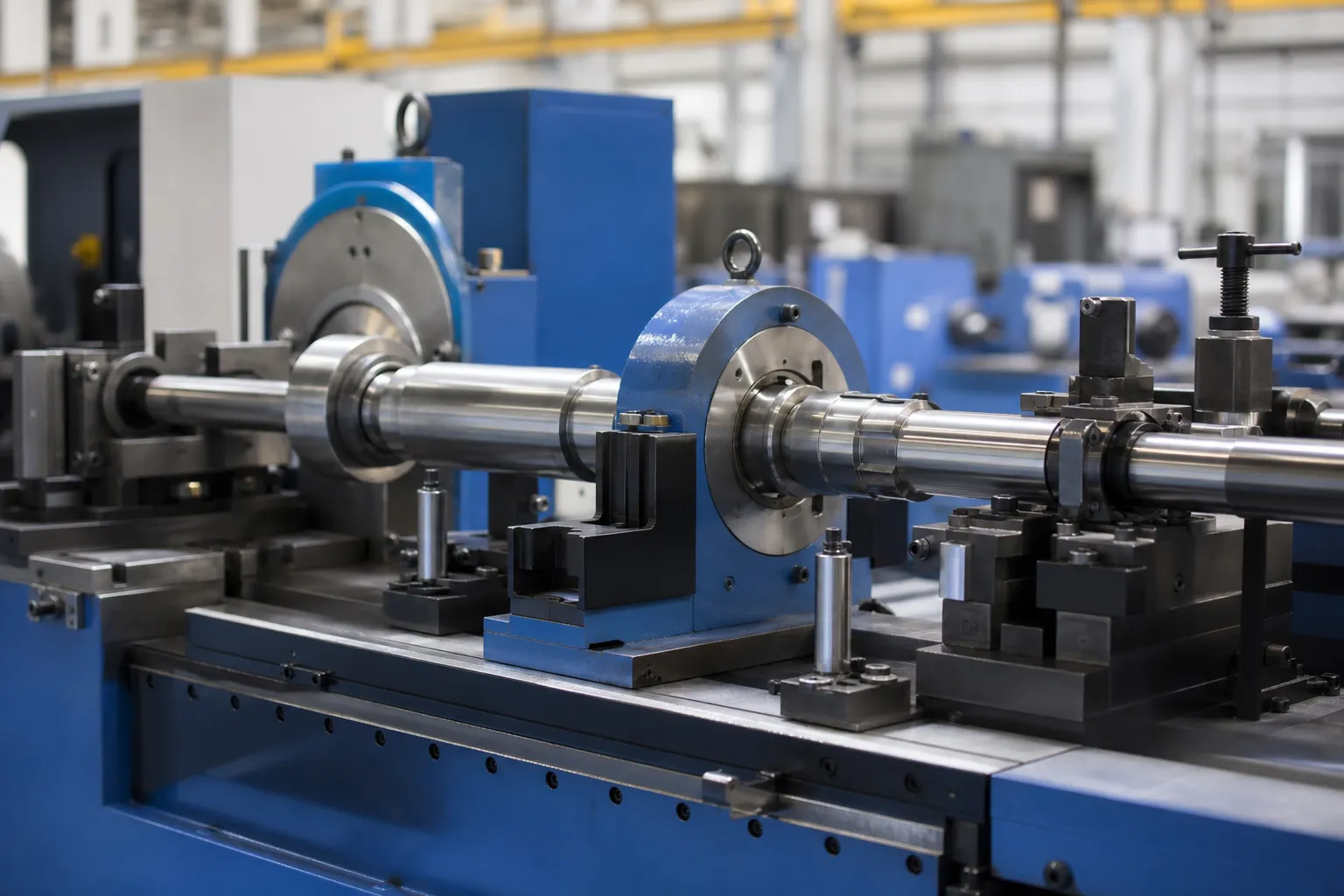
*ภาพประกอบทางวิศวกรรม. มันแสดงเซลล์การผลิตที่เป็นตัวเลือก, ไม่ใช่ระบบคัดแยกอัตโนมัติที่ติดตั้งไว้หรือความสามารถในการตรวจจับข้อบกพร่องที่กำหนดไว้*
กำหนดสถานะการจัดการ
อย่างน้อยที่สุด, แยกแยะ PASS, เพียงพอ, มีสิทธิ์ทำงานซ้ำได้, หยุด/ระงับ และการตรวจสอบทางวิศวกรรม/คุณภาพ. คำจำกัดความต้องอ้างอิงถึงรูปวาดควบคุม, วิธีการวัด, เงื่อนไขกระบวนการและอำนาจในการออก. การแจ้งเตือนกระบวนการไม่ใช่การปฏิเสธโดยอัตโนมัติ; อาจเป็นสัญญาณการบานปลายที่ต้องได้รับการตรวจสอบ.
| สถานะ | คำจำกัดความที่จำเป็น |
|---|---|
| ผ่าน | เป็นไปตามข้อกำหนดสถานะเผยแพร่ที่ตกลงไว้พร้อมบันทึกที่จำเป็น |
| เพียงพอ | ไม่เป็นไปตามข้อกำหนดที่กำหนดไว้หรือได้รับการยืนยันว่าไม่เป็นไปตามข้อกำหนด |
| มีสิทธิ์ทำงานซ้ำได้ | ตรงตามเงื่อนไขที่บันทึกไว้สำหรับความพยายามที่ได้รับอนุมัติอีกครั้ง |
| หยุด / ถือ | ต้องมีการตั้งค่า, สัญญาณกระบวนการ, การตรวจสอบคุณภาพหรือทางวิศวกรรมก่อนดำเนินการต่อไป |
| การตรวจสอบทางวิศวกรรม | ต้องการการควบคุมการตัดสินใจนอกเส้นทางอัตโนมัติปกติ |
แยกปัญหาการตั้งค่าออกจากส่วนที่ไม่เป็นไปตามข้อกำหนด
ก่อนที่จะกำหนดเส้นทางชิ้นส่วนเป็น NOK, พิจารณาว่าสัญญาณอาจเป็นผลมาจากที่นั่งของ Datum หรือไม่, รูปแบบการติดตั้ง, สภาพเซ็นเซอร์, เอกลักษณ์ส่วนหนึ่ง, สูตรผิดหรือสถานะการสนับสนุนที่ไม่ได้รับการอนุมัติ. ขั้นตอนควรกำหนดการตรวจสอบทำความสะอาด/ใส่ซ้ำ/ทำซ้ำที่ได้รับอนุญาต และป้องกันการลองซ้ำโดยไม่จำกัด.
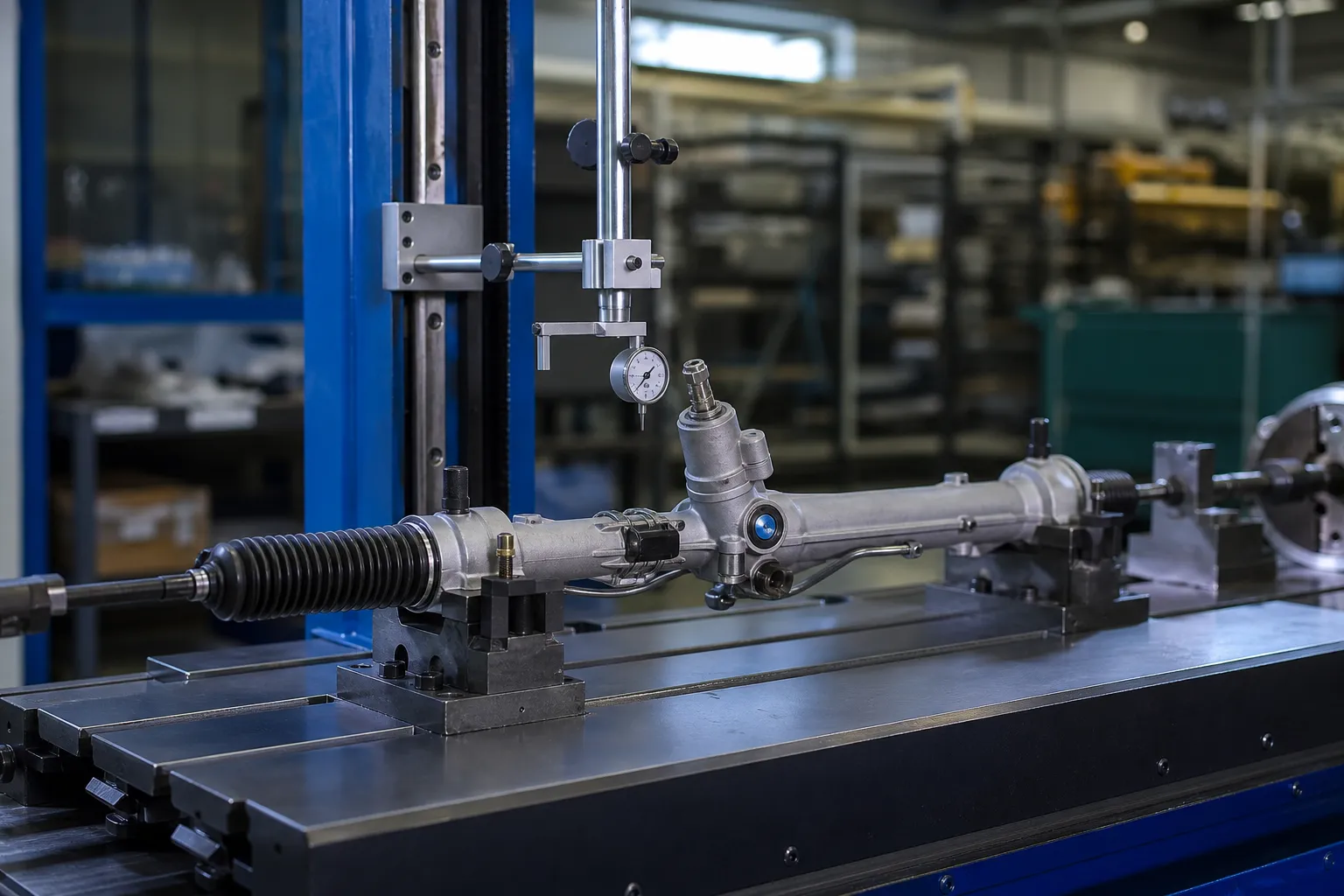
*ภาพประกอบทางวิศวกรรม. แสดงถึงจุดตัดสินใจในการวัด, ไม่ใช่ข้อพิสูจน์ถึงการแบ่งประเภทอัตโนมัติหรือกฎการแจ้งเตือนเฉพาะ*
ดู ความสามารถในการทำซ้ำของฟิกซ์เจอร์และที่นั่งของ Datum และ การตรวจจับรอยแตกระหว่างการยืดผมอัตโนมัติ สำหรับการแยกระหว่างสัญญาณและสาเหตุที่ตรวจสอบแล้ว.
กำหนดขีดจำกัดการทำงานซ้ำก่อนการแก้ไขครั้งแรก
การทำงานซ้ำควรเป็นเส้นทางที่ได้รับอนุมัติโดยมีจำนวนความพยายามสูงสุดที่กำหนดไว้, เงื่อนไขการติดต่อ/การสนับสนุนที่ได้รับอนุญาต, ข้อกำหนดการวัด, การตรวจสอบพื้นผิว/คุณสมบัติ และสิทธิ์ในการดำเนินการต่อหรือหยุด. ขีดจำกัดไม่ใช่จำนวนสากล; มันขึ้นอยู่กับวัสดุ, ขั้นตอนกระบวนการ, ความเสี่ยงด้านคุณลักษณะ, ความต้องการของลูกค้าและการตอบสนองที่ได้รับการตรวจสอบแล้ว. เมื่อชิ้นส่วนไม่ตอบสนองตามที่คาดไว้, การกระทำที่เหมาะสมอาจถูกระงับหรือปฏิเสธมากกว่าการบังคับเพิ่มเติม.
เหตุใดการลองซ้ำแบบไม่จำกัดจึงทำให้สายเสียหาย
การปล่อยให้เส้นแก้ไขชิ้นส่วนอีกครั้งจนกระทั่งเกจผ่านไปในที่สุดทำให้รู้สึกมีประสิทธิผลและทำลายสองสิ่งอย่างเงียบๆ. อย่างแรกคือส่วนนั้นเอง: ทุกรอบการดัดพลาสติกจะใช้ส่วนแบ่งของอายุการใช้งานความล้ารอบต่ำของส่วนต่างๆ, และพฤติกรรมการโหลดแบบย้อนกลับที่อธิบายไว้ โหลดย้อนกลับในการยืดผม หมายถึงรอบต่อมาจะเคลื่อนย้ายวัสดุต่อหน่วยแรงมากกว่าครั้งก่อนๆ. ส่วนที่ถึงเกณฑ์ความอดทนในความพยายามครั้งที่หกนั้นไม่เทียบเท่ากับส่วนที่มาถึงในครั้งแรก, แม้ว่าทั้งคู่จะอ่าน PASS แล้วก็ตาม.
ผู้เสียชีวิตรายที่ 2 เป็นข้อมูลของสายการเอง. เมื่อลองใหม่ได้ไม่จำกัด, มาตรวัดจะมองเห็นเฉพาะผลลัพธ์ในที่สุดเท่านั้น: ส่วนที่มาบรรจบกัน, ช้า, under repeated force. A drifting correction setup, a worn anvil, a bad lot of stock and a genuinely struggling part family all produce the same visible symptom — more attempts per part — and none of them generates a stop condition. The retry count is one of the cheapest and most informative process signals a straightening line produces, and it only exists as data if the line is required to stop and route the part at a defined limit instead of looping.
Thinking of the Rework Limit as a Budget
A more useful mental model than “three strikes” is a budget of deformation that each part may spend. The budget is set by the material’s condition and the consequence of failure in service, and it is spent by every correction stroke — forward or reverse. เพลาที่แข็งตัวซึ่งมีความสำคัญต่อความปลอดภัยและแท่งโครงสร้างแบบอ่อนอาจมีงบประมาณที่แตกต่างกันมาก, ซึ่งเป็นเหตุผลว่าทำไมจึงไม่สามารถป้องกันหมายเลขการทำงานซ้ำสากลได้ และเหตุใดขีดจำกัดจึงอยู่ในกระบวนการตรวจสอบความถูกต้องของตระกูลชิ้นส่วน, ตรวจสอบโดยคุณภาพ. แนวคิดเรื่องงบประมาณเดียวกันจะอธิบายกฎที่ดูไม่เป็นไปตามอำเภอใจ: ส่วนหนึ่งที่ใช้งบประมาณไปแล้วแต่ยังคงล้มเหลวจะถูกปฏิเสธ แม้ว่าจะพยายามอีกครั้งหนึ่งอาจผ่านไปได้ก็ตาม, เพราะส่วนที่จะเกิดขึ้นไม่ใช่ส่วนที่ภาพวาดระบุความหมายใดๆ อีกต่อไป.
งบประมาณยังต้องการความได้เปรียบ. เงื่อนไขสองประการที่หยุดการทำงานซ้ำโดยไม่คำนึงถึงความพยายามที่เหลืออยู่คือไม่มีความคืบหน้า — การแก้ไขที่หยุดการเปลี่ยนแปลงเรขาคณิต, บ่งชี้ว่ากระบวนการไม่เกี่ยวข้องกับข้อผิดพลาดอีกต่อไป — และเกิดการสั่นเกิน, where each attempt moves the part from one side of tolerance to the other. Both are stop signals, not tuning opportunities, and both feed the integrity-review concerns that repeated plastic cycling raises.
Maintain Isolation and Traceability
Each disposition must preserve part/lot identity, drawing/recipe version, measurement condition, correction attempts, result, operator/automation event, time, review decision and physical location. Isolation must prevent a held or NOK part from returning to the PASS flow without explicit authorization.
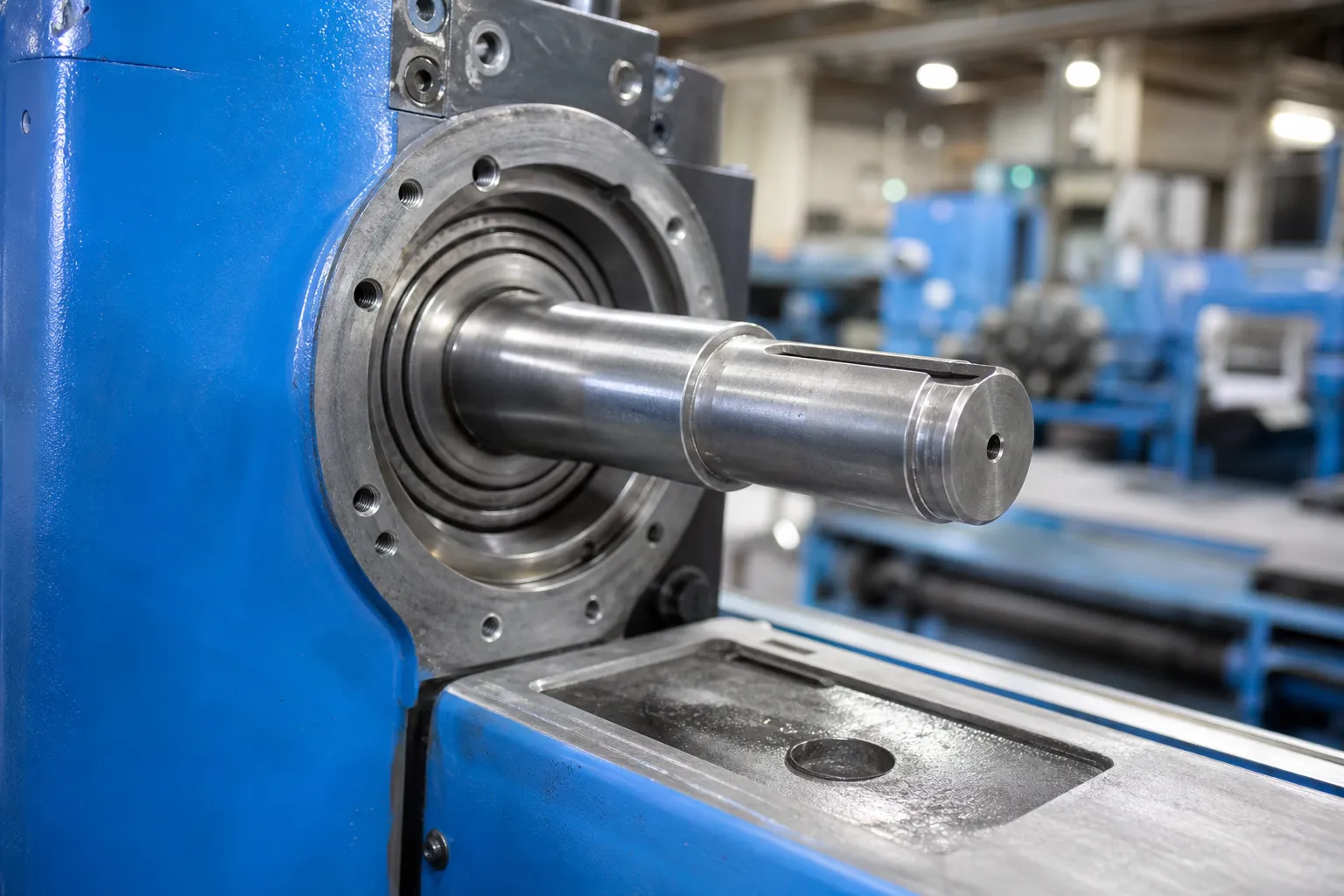
*ภาพประกอบทางวิศวกรรม. It emphasizes released-state verification and recorded disposition, not a promise of a DMC/MES interface or automatic sorter.*
Designing Segregation That Cannot Be Defeated
Disposition states only work if the physical line enforces them. The failure mode is always the same: a held or NOK part re-enters the good flow during a busy shift, through an operator judgment call, a shared conveyor or an unlabeled tote. Effective segregation design follows mistake-proofing logic rather than instruction signs. Good and rejected parts take different physical paths with no shared section where a part can be redirected by hand. Hold locations lock or require an access step that itself creates a record. Labels and bins are part-specific, not generic scrap tags, so a held-for-review part cannot decay into anonymous scrap or anonymous stock. Where volume justifies it, diverters and gates make the routing decision the machine’s, not the operator’s — the automation boundary discussed in manual versus automatic straightening applies to disposition as much as to correction.
The record side has the same anti-defeat requirement. A disposition that lives only in an operator’s memory, or in a spreadsheet anyone may edit, does not survive an audit or a containment event. The minimum durable record is the tuple — part identity, มาก, drawing and recipe version, measurement condition, attempt count, result, decision, decision-maker, time — retained long enough to answer the customer question that eventually comes: which parts from that week, from that machine, from that shift.
What the Disposition Data Buys Later
A line that routes honestly accumulates, as a by-product, the dataset that every improvement program wishes it had. Attempt-count trends flag tooling wear and setup drift while they are still cheap to fix. Lot-to-lot shifts in incoming geometry point upstream to suppliers with evidence instead of complaints. The ratio of setup-issue holds to true part nonconformances measures how much of the line’s apparent quality problem is actually its measurement and fixturing — information directly relevant to planning a เกจ อาร์&การศึกษาวิจัย. And when a customer raises a field concern, traceability converts a week of panic into an afternoon of records. None of that value survives a culture of retry-until-pass; all of it is the natural dividend of the routing discipline described here.
Build a Verification and Escalation Route
- identify the part, มาก, drawing and recipe;
- verify the measurement/datum setup within the approved checks;
- capture the reading, process state and any alert;
- apply only the allowed rework route when eligibility is confirmed;
- release and remeasure under the agreed condition;
- เส้นทางผ่าน, เพียงพอ, การระงับหรือการทบทวนทางวิศวกรรม;
- รักษาความสามารถในการตรวจสอบย้อนกลับและการแยกทางกายภาพ;
- ใช้รูปแบบที่เกิดซ้ำเพื่อกระตุ้นกระบวนการหรือการตรวจสอบคุณภาพ.
สำหรับสถาปัตยกรรมหลักฐานที่จำเป็น, ดู การทดสอบและการยอมรับตัวอย่างให้ตรง และ เกจ อาร์&R สำหรับการยืดเส้นตรง.
ประตูที่ไม่มีความคืบหน้าและการแก้ไขจำกัด
วลีที่แน่นอน ขีดจำกัดการแก้ไขการยืดผมไม่มีประตูความคืบหน้า มีมลภาวะทางการแพทย์ใน SERP, ดังนั้นตรรกะที่ไม่มีความคืบหน้าตามรูปแบบบัญญัติจึงอยู่บนหน้าการเรียงลำดับ NOK และหน้าจำกัดการทำงานซ้ำ. กำหนดรอบการแก้ไขสูงสุด, เพดานแรง/ระยะชัก และการหยุด/จัดเรียงที่จำเป็นก่อนปล่อยการผลิต.
คำถามที่พบบ่อย
NOK หมายถึงเศษเหล็กเสมอไป?
เลขที่. รัฐ NOK อาจต้องมีการยืนยัน, ควบคุมการทำงานซ้ำ, การตรวจสอบทางวิศวกรรมหรือการปฏิเสธขั้นสุดท้ายขึ้นอยู่กับเส้นทางคุณภาพที่ได้รับอนุมัติ.
สามารถลองบรรทัดใหม่ได้จนกว่าการอ่านจะผ่าน?
เลขที่. การทำงานซ้ำจำเป็นต้องมีขีดจำกัดความพยายามสูงสุดที่กำหนดไว้และการควบคุมคุณภาพ. การลองซ้ำแบบไม่จำกัดสามารถปกปิดกระบวนการหรือปัญหาการวัดได้.
บทความนี้หมายความว่าบรรทัดมีการเรียงลำดับอัตโนมัติหรือไม่?
เลขที่. มันเป็นกรอบการกำหนดเส้นทาง. การเรียงลำดับจริง, ฟังก์ชันการตรวจสอบย้อนกลับและอินเทอร์เฟซจำเป็นต้องมีการตรวจสอบแยกต่างหาก.
เหตุใดความพยายามจึงมีความสำคัญมากกว่าการอ่านครั้งสุดท้าย?
เพราะการอ่านครั้งสุดท้ายจะอธิบายว่าส่วนนั้นจบลงที่ใด, ในขณะที่จำนวนความพยายามจะอธิบายถึงค่าใช้จ่ายในการไปถึงที่นั่น. สองส่วนที่อ่านค่า PASS ที่เหมือนกันจะไม่เท่ากันหากส่วนหนึ่งทำการแก้ไขเพียงครั้งเดียว และอีกส่วนหนึ่งใช้งบประมาณเต็มของรอบซ้ำ. จำนวนความพยายามยังเป็นสัญญาณเตือนการดริฟท์ที่เร็วที่สุดของสายด้วย ซึ่งเป็นการตั้งค่า, การเปลี่ยนแปลงเครื่องมือหรือวัสดุมักจะแสดงเมื่อมีการพยายามมากขึ้นต่อชิ้นส่วนก่อนที่จะแสดงเป็นการปฏิเสธ.
ขีดจำกัดการทำงานซ้ำควรแตกต่างกันระหว่างตระกูลชิ้นส่วน?
ใช่. ขีดจำกัดคืองบประมาณการเสียรูปที่กำหนดโดยสภาพวัสดุ, ความเสี่ยงด้านคุณลักษณะและผลที่ตามมาของการบริการ, so a hardened safety-critical shaft and a soft structural bar justify different numbers. The limit belongs to each family’s validated process with quality approval, not to the line as a single setting.
What is the minimum physical segregation a small line needs?
Separate paths or lockable, labeled, part-specific containers for PASS, hold and NOK — arranged so a held part cannot return to the good flow without a recorded, authorized step. The design principle is that doing the wrong thing must require effort, not just discipline. Escalate to machine-controlled diverters when volume or staffing makes human routing unreliable.
Sorting decisions are also capacity decisions – ที่ การเปรียบเทียบแบบแมนนวลกับแบบอัตโนมัติ และ กรณี ROI สำหรับการยืดผมอัตโนมัติ both price the NOK stream a manual line tends to hide.