
Fabryczny test odbiorczy nie jest krótką demonstracją maszyny. Do systemu prostowania, FAT powinien zweryfikować uzgodnioną rodzinę detali, kontrolowany rysunek, metoda pomiaru, trasa korekty, akceptacja stanu zwolnionego, bezpieczeństwo, zapisy i proces otwartego elementu przed wysyłką. Nie zastępuje to akceptacji witryny, sprawdzenie użyteczności/interfejsu klienta, ostateczna walidacja instalacji lub trwały dowód produkcji.
Niniejszy przewodnik stanowi ramy umowy i jakości. Nie twierdzi, że StraighteningTech wykorzystuje określony protokół FAT, dostarcza każdy dokument lub może przyjąć maszynę bez specyficznej umowy z klientem. Umowa, URS, przegląd ryzyka i plan kontrolowanej akceptacji określają ostateczny zakres.

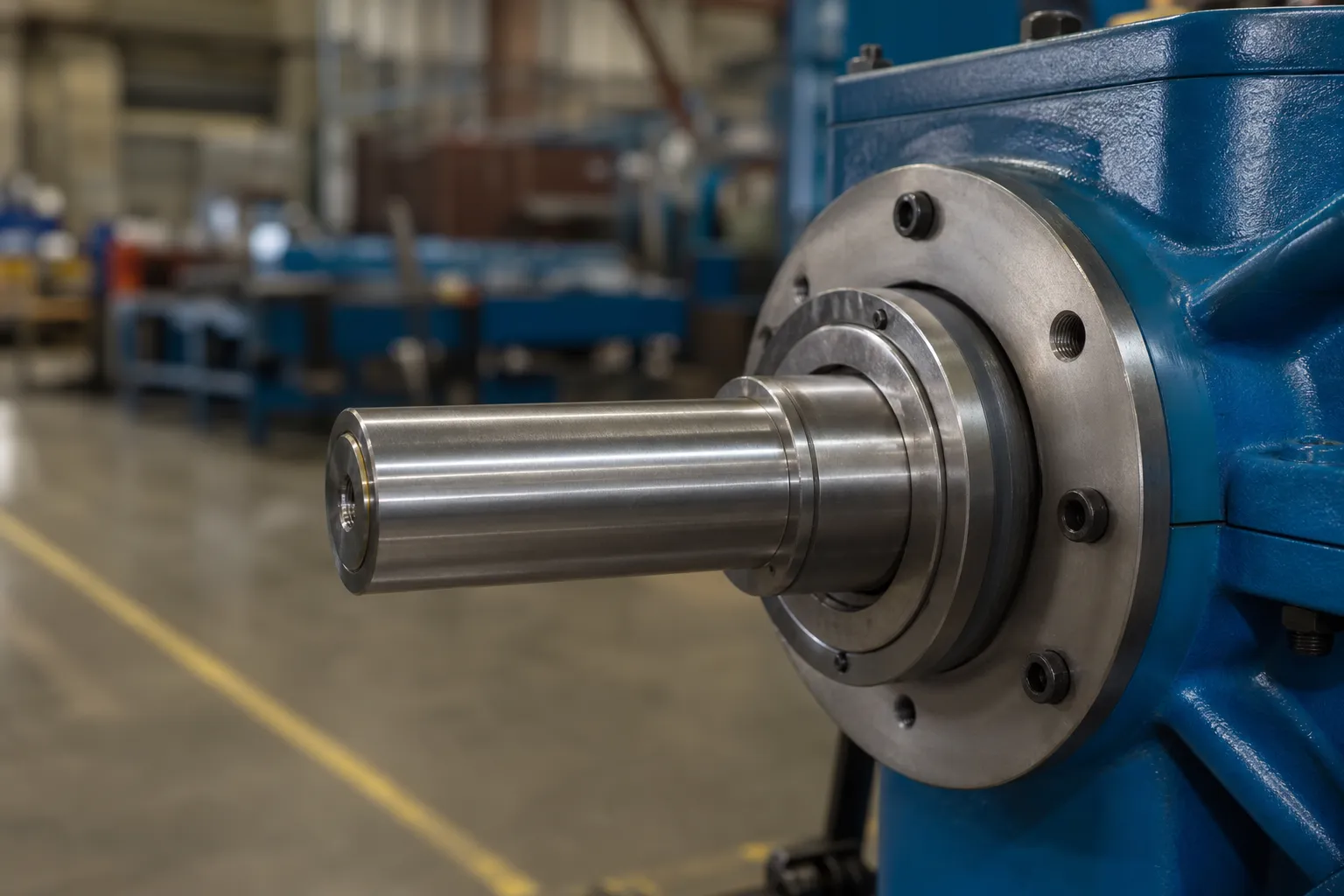
*Ilustracja koncepcja inżynierii. Reprezentuje potencjalny kontekst procesu FAT, nie jest dowodem na to, że jest to konkretna maszyna, funkcja bezpieczeństwa lub wynik działania został zaakceptowany.*
Zamroź wejścia FAT przed testowaniem
Potwierdź konfigurację maszyny, kontrolowane próbki detali, poprawki rysunkowe, etap materiału/procesu, fakt, miernik klienta, cechy akceptacji, dozwolone strefy kontaktu, docelowe warunki testowe, pola danych, wymogi bezpieczeństwa i odpowiedzialnych sygnatariuszy. Test nie może udowodnić niezdefiniowanego wymagania.
| Wejście FAT | Dlaczego to ma znaczenie |
|---|---|
| Próbki reprezentatywne i graniczne | Pokazuje uzgodnioną rodzinę, nie tylko łatwa część demonstracyjna |
| Wskaźnik klienta/zatwierdzony | Łączy odczyty liniowe z zamierzoną metodą akceptacji |
| Rysunek i punkt odniesienia | Określa cechę aktualnie sprawdzaną |
| Rewizja procesu/przepisu | Uniemożliwia testowi użycie niezatwierdzonych ustawień |
| Zakres bezpieczeństwa i obsługi | Zapewnia, że test obejmuje osłony, blokady i ruch przedmiotu obrabianego |
What a FAT Can and Cannot Certify
The honest scope of a factory acceptance test is narrow and valuable: it certifies that, on the agreed day, with the agreed parts, gauges and witnesses, the system performed the defined sequence and produced the defined records. It does not certify sustained capability — that accrues from weeks of production data after installation, which is what site acceptance and early-production reviews sample. It does not certify every future part variant — each new family carries its own qualification. And it does not certify the customer’s own processes — staffing, material flow, gauge maintenance — which determine much of real-world performance, jak omówiono w manual versus automatic straightening. Writing this boundary into the FAT plan protects both sides: the buyer knows what evidence they are buying, and the supplier is not held to an open-ended demonstration.
Designing the Challenge Parts
The weakest FATs demonstrate the machine on the easiest available parts; the strongest exercise it on parts chosen to probe the edges of the agreed scope. Designing those challenge parts is a joint exercise with a short checklist of its own. Geometric edge: include at least one part with the worst incoming distortion the production contract expects, because a machine that only proves itself on moderate bends has not demonstrated its working range. Family edge: if the contract covers a range of diameters or sections, the FAT samples both ends of the range, not the comfortable middle. Event edge: deliberately include a part that must be routed hold or NOK, to prove the exception path — many machines that pass every good part have never demonstrated what happens with a bad one until it matters. Condition edge: reseating, a changeover within the agreed scope, and a recovery from an interrupted cycle each test the state machine rather than the press. None of these is a trap; every one is a scenario production will deliver within the first month, and the factory floor is the cheapest place to see the response for the first time.
Sprawdź pomiar i akceptację stanu zwolnionego
FAT powinien rejestrować przychodzącą geometrię, ustawienie odniesienia, stacje pomiarowe, zdarzenia korekcyjne, ponowny pomiar w stanie zwolnionym, kontrola powierzchni/cech i porównanie z zatwierdzoną metodą referencyjną. Odczyt pod przymusem lub tymczasowym ograniczeniem nie jest ostatecznym wynikiem akceptacji, chyba że zostało to wyraźnie określone w umowie.
*Ilustracja koncepcja inżynierii. Kładzie nacisk na weryfikację stanu zwolnionego; nie jest to zapis FAT klienta ani dowód uniwersalnej metody akceptacji.*
Używać pomiar prostoliniowości obciążonej i zwolnionej and machine gauge versus customer gauge correlation to define the measurement boundary.
Przetestuj proces, Nie tylko najlepsza część
Uwzględnij reprezentatywne części normalne i uzgodnione części stanowiące wyzwanie/graniczne. Warunki wyzwania mogą obejmować zadeklarowany warunek geometrii, różnice w dozwolonej rodzinie produktów, ważna zmiana, kontrolowane zdarzenie wstrzymania/NOK, kontrola ponownego założenia lub inny scenariusz zatwierdzony przez klienta. Celem nie jest wymuszenie porażki; ma to na celu weryfikację zdefiniowanej odpowiedzi i zapisów.

*Ilustracja koncepcja inżynierii. Pokazuje wybór metody specyficznej dla przedmiotu obrabianego, nie jest to stwierdzenie, że każdy wariant kandydujący należy do zakresu FAT.*
Sprawdź bezpieczeństwo, Trasy danych i wyjątków
Sprawdź uzgodnioną ochronę, funkcje zatrzymania, obsługi zabezpieczeń, alarmy, zapisy danych, identyfikacja receptury/wersji, funkcje identyfikowalności, jeśli zostały zakontraktowane, i routing PASS/NOK/hold. Wyświetlacz pokazujący status nie wystarczy: FAT powinien określić, co zostało zakwestionowane, zaobserwowaną reakcję, zatrzymane dowody i kto je zatwierdził.
Dla powiązanych kontroli, Widzieć Limity sortowania i przeróbek NOK and straightening-line traceability and DMC.
Rejestruj odchylenia i otwarte pozycje
Każde odchylenie powinno identyfikować wymaganie, dowód, uderzenie, właściciel, działanie naprawcze, termin płatności i sposób zamknięcia. Zakończenie procesu FAT nie oznacza zniknięcia wszystkich odchyleń; oznacza to, że uzgodniona dyspozycja jest udokumentowana. Otwórz przedmioty mające wpływ na bezpieczeństwo, akceptacja lub plan instalacji na miejscu muszą zostać uwzględnione w egzaminie SAT i ostatecznym odbiorze.
The Measurement Segment Deserves Its Own Agenda Item
Between the mechanical demonstration and the paperwork, the measurement segment of a straightening FAT is where acceptance substance lives, and it deserves explicit time on the agenda rather than leftovers. Three demonstrations earn their place. The reseat demonstration: a witness part measured, unloaded, reloaded and remeasured, with the spread on record — this is the machine’s measurement floor, and every later agreement about tolerances silently rests on it. The released-state demonstration: parts remeasured after correction force and restraint are removed, za loaded versus released discipline, so the report values are the values that ship. The correlation demonstration: the same parts read on the machine and on the customer’s reference method, with the comparison on record. Whether a full miernik R&R study belongs inside the FAT or follows as a site activity is a scoping decision — but a FAT that measures nothing, measures only under force, or measures only with the supplier’s own gauge has documented a demonstration, not an acceptance.
Recognizing a Weak FAT Before You Sign It
Weak acceptance tests share a recognizable signature, and naming it helps buyers push back and suppliers self-correct. The golden-part pattern: the same easy workpiece, prepared in advance, demonstrated repeatedly while nothing from the contract’s boundary conditions appears. The undefined-condition pattern: readings quoted without stating support, restraint or gauge — numbers floating free of method. The exception-path silence: the test ends without ever routing a hold or NOK part, so the sorting logic and its records are untested at handover. The retrospective paperwork: records assembled after the test from memory, which fails the first audit that asks for contemporaneous evidence. And the disappearing open items: deviations acknowledged verbally at the test that surface in no document, no owner and no SAT carry-forward. Any one of these is a reason to extend the FAT, not a reason to renegotiate its meaning afterward.
Lista kontrolna tłuszczu
- kontrolowane próbki, rysunki, dostępne mierniki i metoda akceptacji;
- konfiguracja, zidentyfikowano osprzęt/oprzyrządowanie i rewizję receptury;
- zademonstrowano metodę pomiaru/danych odniesienia i stanu uwolnionego;
- Zapisano normalne i uzgodnione części graniczne/wyzwania;
- uwzględniono ochronę powierzchni/elementów i uwzględniono wymagane niezależne kontrole;
- bezpieczeństwo, obsługiwanie, przetestowano alarmy i reakcję na wyjątki;
- dokumentacja, identyfikowalność/eksport w przypadku zawarcia umowy i przegląd wymagań dotyczących tworzenia kopii zapasowych;
- odchylenia, otwarte elementy, udokumentowani właściciele i lista przeniesienia SAT;
- organy ds. jakości klienta/dostawcy podpisują uzgodniony raport.
Do instalacji na miejscu i długotrwałej pracy, use straightening machine SAT checklist after FAT. Przykładowe dowody, Widzieć badanie próbki prostowania i akceptacja.
Często zadawane pytania
Czy FAT potwierdza ostateczną zdolność produkcyjną?
NIE. FAT weryfikuje uzgodniony zakres testów fabrycznych. Warunki witryny, interfejsy klienta, instalacja, wskaźniki i trwała produkcja wymagają egzaminu SAT i dalszych dowodów.
Czy krótki przebieg próbny może zastąpić akceptację przedmiotu obrabianego??
NIE. FAT wymaga kontrolowanych próbek, metoda odniesienia/miernika, weryfikację stanu uwolnionego i udokumentowaną reakcję na uzgodnione warunki.
Czy otwarty element może zostać zignorowany po FAT?
NIE. Musi mieć udokumentowanego właściciela, ryzyko/dyspozycja i droga zamknięcia, często przenoszone do SAT.
How many parts should a straightening FAT process?
Enough to cover the agreed matrix, not a fixed count: representative normal parts from the family, the geometric and family-edge challenge parts, and at least one part routed to hold or NOK to demonstrate the exception path. The contract scope defines the matrix; the test plan should list each part and what it is there to demonstrate.
Should a gage R&R study be part of the FAT?
It depends on scope and schedule. The FAT should at minimum demonstrate reseating repeatability, released-state measurement and correlation to the customer gauge. A full repeatability-and-reproducibility study is often better executed at site with the customer’s own operators and environment — but then it must appear in the SAT plan, not disappear between the two documents.
Who should witness the FAT?
The buyer’s quality function, not only procurement. The people who will own acceptance records, maintain the gauges and answer for the line’s disposition logic are the right witnesses for reseat spreads, released-state readings and exception-path behavior — and their signature on the report is what makes it an acceptance rather than a demonstration.