
Ręczne i automatyczne prostowanie nie jest znakiem jakości. Każda trasa może być nieodpowiednia w przypadku punktu odniesienia przedmiotu obrabianego, metoda pomiaru, strefy kontaktu, zasada akceptacji lub proces obsługi jest niezdefiniowany. Przydatnym pytaniem jest to, które kroki wymagają powtarzalnej kontroli dla określonej rodziny części, a które nadal wymagają fachowej konfiguracji, zatwierdzenie techniczne lub weryfikacja miernika klienta.
Ten przewodnik stanowi ramy wyboru, nie jest to twierdzenie, że StraighteningTech zapewnia określoną konfigurację automatyki lub że automatyzacja gwarantuje dokładność, czas cyklu, redukcja zatrudnienia lub zwrot z inwestycji. Wyniki te wymagają zweryfikowanego zakresu sprzętu i reprezentatywnych dowodów produkcyjnych.
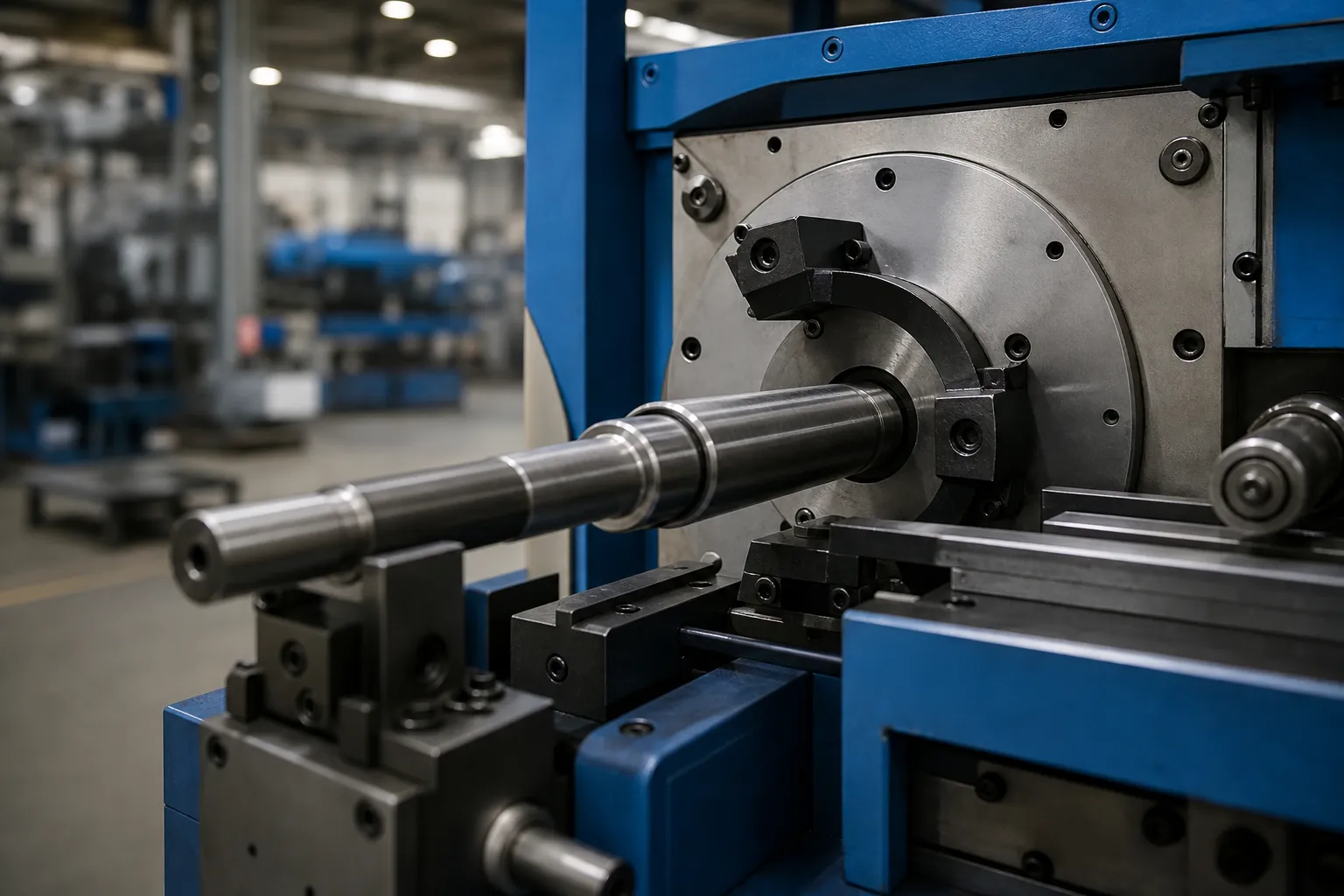
*Ilustracja koncepcja inżynierii. Pokazuje możliwy kontekst automatycznej obsługi, nie stanowi dowodu dostępnej konfiguracji lokalnej ani wyniku produkcyjnego.*
Zdefiniuj granicę automatyzacji
„Automatyczny” może opisywać jedną lub kilka różnych funkcji. Załadunek, identyfikacja części, orientacja, miejsce odniesienia, pomiar, korekta, rozładunek, wybór przepisu, identyfikowalność i sortowanie NOK należy oceniać oddzielnie.
| Funkcjonować | Ręczna trasa do oceny | Zautomatyzowana trasa do oceny |
|---|---|---|
| Ładowanie i orientacja | Obsługa operatora, potwierdzenie mocowania i bezpieczna ergonomia | Identyfikacja rodziny, kontrolowana prezentacja i walidacja obsługi |
| Pomiar | Konfiguracja operatora, odczyt miernika i jego powtarzalność | Kontrolowana sekwencja, przechwytywanie danych i korelacja wskaźników |
| Korekta | Umiejętna ocena i stopniowa reakcja | Pętla sterowana recepturą i progi wyjątków |
| Zmiana | Dyscyplina dotycząca spotkań/ustawień i przegląd po raz pierwszy | Kontrola wersji, identyfikacja oprzyrządowania i potwierdzenie pierwszej części |
| Usposobienie | Segregacja fizyczna i udokumentowany przegląd | Defined PASS/NOK/rework routing with human authority |
An automatic line can still require manual approval at a critical step. A manual workstation can still use controlled gauges and traceable records. The selection should describe the real process rather than use a broad label.
Start With Workpiece Mix and Acceptance
High variation, uncertain datums, complex handling or frequent engineering changes can make a flexible manual or semi-automatic route appropriate during development. A stable family with repeatable loading, defined measurement and a validated correction response may justify more automation. Neither conclusion can be made from production volume alone.
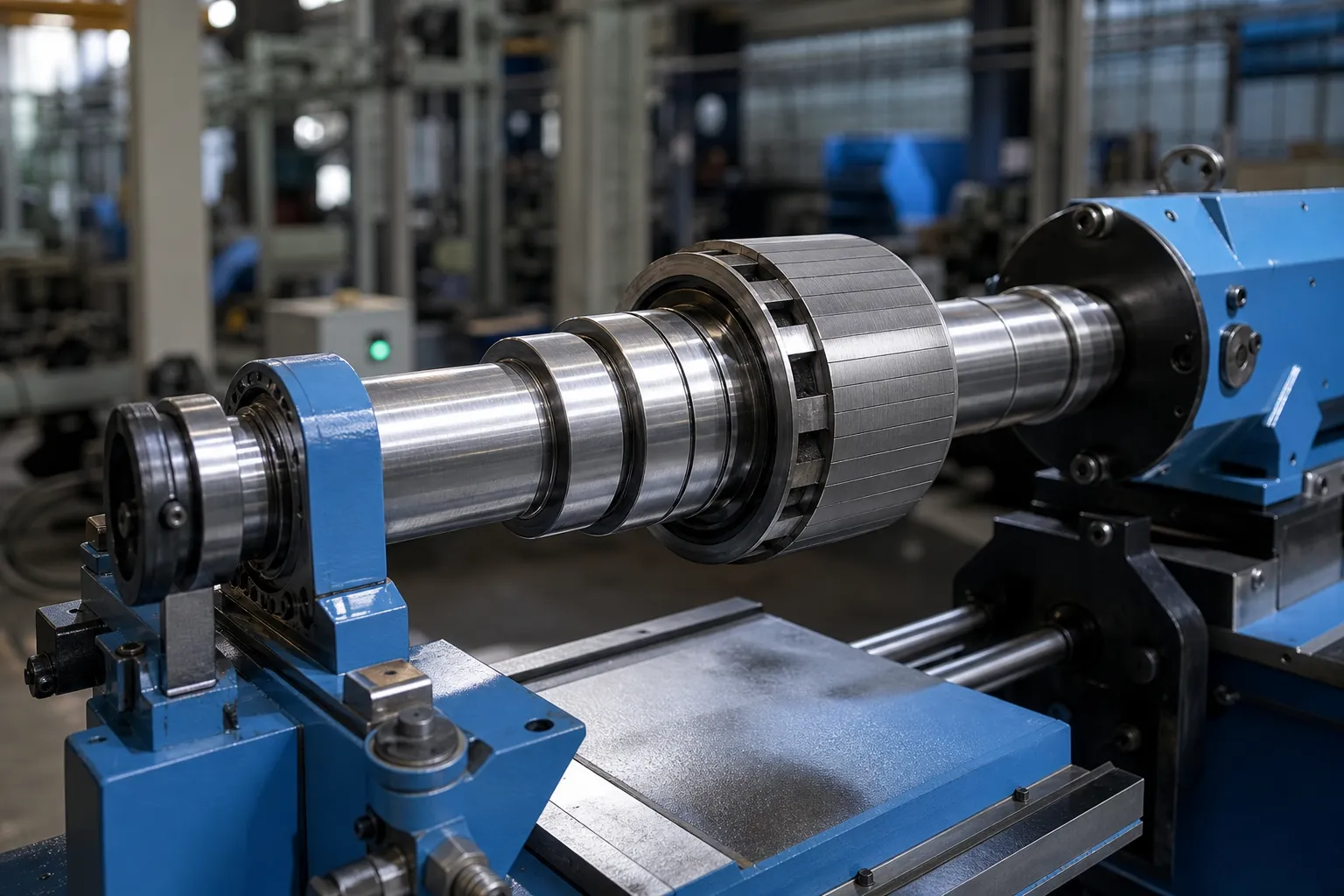
*Ilustracja koncepcja inżynierii. It represents a closed-loop correction concept; nie twierdzi, że dany wał silnika lub funkcja automatyki jest obsługiwana.*
Zapytanie ofertowe powinno określać warianty przedmiotu obrabianego, etap materiału/procesu, dystrybucja błędów przychodzących, fakt, strefy chronione, miernik klienta, mieszanka celów i ograniczenia obsługi. Używać wał, dobór prostownic do rur i profili przed porównaniem etykiet automatyzacji.
What Automation Actually Repeats
Strip away the robotics and an automatic straightening machine is a device for repeating a validated sequence: identify the family, seat the part, measure against a stored rule, apply a stored correction response, ponownie zmierzyć, route. Every one of those verbs was originally written by a person — an engineer who qualified the datum, an operator who proved the correction response on samples, a quality function that approved the acceptance rule. Automation does not create that knowledge; it preserves and executes it. This framing explains both the strength and the boundary. The strength: once validated, the sequence runs identically at hour eight of a shift as at hour one, unaffected by fatigue, and every part carries its data. The boundary: everything upstream of validation — developing the correction concept for a new family, diagnosing an unfamiliar signal, deciding whether an anomaly is a setup fault or a part problem — remains engineering and skilled work, no matter how automatic the cell. A factory that automates before validating automates its confusion at line rate.
The Cost Structures Are Different, Not Just the Labels
Comparing routes on purchase price or headcount misses where each route actually spends money. The manual route spends it continuously: skilled operators take time to develop and are hard to replace, throughput varies with the person on shift, and consistency between operators is a permanent supervision task — the reproducibility component of measurement studies exists largely because of this. The automated route spends it front-loaded and in lumps: engineering effort to validate each family before the cell can run it, fixture and tooling per family, and a maintenance and calibration discipline that the cell depends on but the production schedule rarely celebrates. Changeover economics invert between the routes — cheap in skill and slow in minutes on a manual bench, fast in minutes but expensive in preparation on an automatic line. None of this makes either route cheaper in the abstract; it means the part mix, changeover frequency and available skills decide which cost structure fits. The machine cost structure discussion treats these drivers without pretending at universal payback numbers.
Porównaj pętle pomiarowe i korekcyjne
Ręczne prostowanie może wymagać załadunku przez operatora, mierzyć, wybierz punkt korekty i dokonaj ponownego pomiaru. Automatyczne prostowanie może powtórzyć zapisaną sekwencję. W obu przypadkach, ostateczny wynik zależy od osadzenia punktu odniesienia, korelacja pomiaru, dozwolony kontakt, korekcja przyrostowa i weryfikacja stanu zwolnionego.
| Pytanie | Dlaczego zmienia decyzję |
|---|---|
| Czy przychodząca mapa geometrii jest powtarzalna?? | Automatyka nie może kompensować niezdefiniowanego lub niestabilnego sygnału |
| Czy podpory i punkty korekcyjne są ustalane przez rodzinę? | Część o dużej zawartości mieszanki może wymagać przeglądu technicznego, a nie ogólnego przepisu |
| Czy wskaźnik klienta jest ze sobą skorelowany?? | Odczyty maszynowe nie zastępują automatycznie kontroli końcowej |
| Czy zdefiniowano wyjątki? | Niekontrolowane ponawianie prób może ukryć problem z procesem |
Dla granicy procesu, Widzieć prostowanie punktowe I badanie próbki prostowania i akceptacja.
Oceń zmianę, Dane i wyjątki
Automatyzacja może być przydatna tylko w przypadku identyfikacji części, osprzęt, wersja przepisu, potwierdzenie pierwszej sztuki, pola danych i trasy wyjątków są kontrolowane. Przegląd powinien określać, kto może zmienić ustawienie, w jaki sposób starsze wersje nie mogą działać, sposób identyfikowania urządzenia, i co dzieje się po alarmie pomiarowym lub sygnale procesowym.
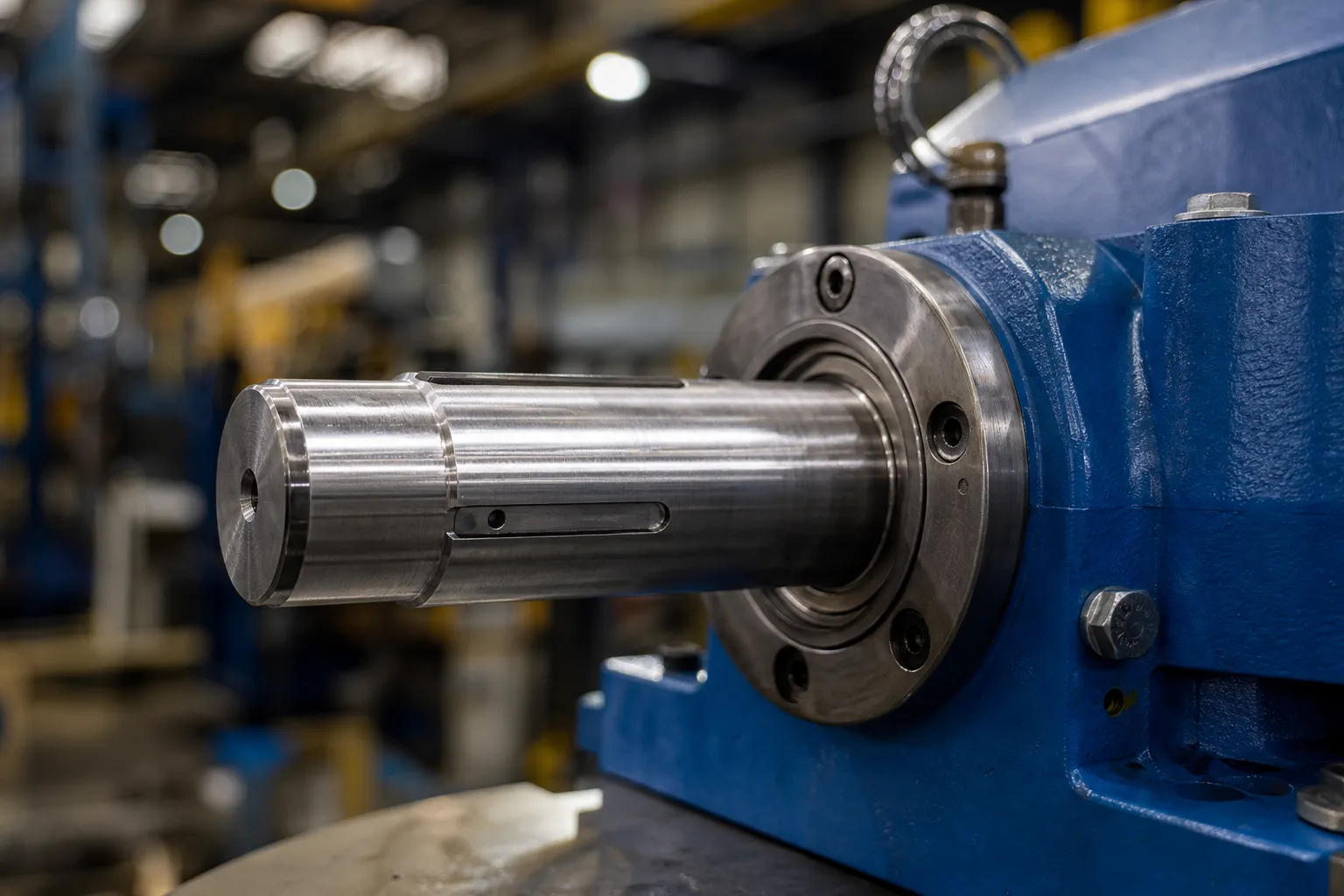
*Ilustracja koncepcja inżynierii. Kładzie nacisk na weryfikację stanu uwolnionego i identyfikowalną dyspozycję, nie jest to obiecana funkcja automatycznej inspekcji.*
The Migration Path Nobody Regrets
The manual-versus-automatic decision is rarely binary in practice, and the most common successful pattern is staged: automate the steps whose validation is complete and whose failure modes are understood, keep human hands and judgment on the steps that are not. A frequent first stage automates measurement and disposition — the machine gauges the part, the operator still loads and corrects — because measurement repeatability is usually the first bottleneck and its automation risk is low. A second stage adds automatic loading and part identification once the family presentation is stable, the domain covered for robot tending of straightening machines. Full closed-loop correction comes last, after the correction response has been validated across the incoming error distribution. Each stage is justified by the same evidence rule: a sample test on the specific step, run on representative and worst-case parts, with disposition routing demonstrated per the NOK discipline. Factories that follow this sequence buy automation where it is proven and keep flexibility where it is needed; factories that buy the last stage first spend their commissioning period discovering what they skipped.
Skills Each Route Consumes
Neither route is skill-free, and planning the wrong skill set starves the line quietly. The manual route concentrates skill in the operator: reading the error map, choosing correction points, judging incremental response — expertise that takes real time to build, lives in few people, and walks out the door with them. The automated route distributes skill across the organization: process engineers who validate families and maintain recipes, maintenance staff who can diagnose a sensor or fixture fault before it becomes scrap, and quality staff who own the correlation studies that keep the machine’s readings meaningful at acceptance. A buyer moving from manual to automatic who staffs only for operation — and not for engineering and maintenance — typically finds the cell’s recipes frozen, its correlation stale and its exceptions unowned within the first year. The automation boundary on paper should therefore be matched by a staffing plan for the skills each side of that boundary consumes.
Podejmij decyzję na podstawie przykładowego testu
Porównaj proponowane trasy, używając reprezentatywnych części normalnych i najgorszych. Rekordowa powtarzalność ładowania/konfiguracji, geometria przed i po, odczyty stanu uwolnionego, stan powierzchni, obsługiwanie, zmiana, przechwytywanie danych i routing wyjątków. Nie należy wyciągać wniosków z rocznych oszczędności pracy, przepustowość lub zwrot z artykułu konkurencji lub hipotetyczny czas cyklu.
Często zadawane pytania
Czy automatyczne prostowanie jest zawsze dokładniejsze?
NIE. Dokładność zależy od przedmiotu obrabianego, fakt, pomiar, odpowiedź korygująca i sposób akceptacji. Automatyzacja może poprawić powtarzalność tylko wtedy, gdy te podstawy zostaną sprawdzone.
Kiedy ręczne prostowanie jest lepszym wyborem??
Może to być odpowiednie dla rozwoju, niestabilne lub bardzo zmienne rodziny części, praca o niskim nakładzie, złożona konfiguracja, lub sytuacje, w których trasa korekty jest w dalszym ciągu kwalifikowana.
Czy system ręczny może zapewniać identyfikowalność??
Tak. Kontrolowana identyfikacja, zapisy mierników, Zapisy dotyczące dyscypliny i dyspozycji dotyczące receptur/urządzeń mogą być wdrażane niezależnie od poziomu automatyzacji.
Is semi-automatic straightening a compromise or a strategy?
A strategy, when it is staged deliberately. Automating measurement and disposition first, loading second, and closed-loop correction last matches automation investment to validated knowledge — each stage carries a sample test, and flexibility is retained where families are still developing.
What skills does an automatic line still need?
Process engineering to validate families and control recipes, maintenance able to diagnose sensor and fixture faults, and quality ownership of the gauge correlation. Operation labor drops; engineering and maintenance skill does not — it usually rises.
Does automation reduce the number of quality decisions?
It relocates them. Routine dispositions become automatic, but the definition of the routing rules, the approval of recipes and the response to exceptions remain human decisions with named authority. The boundary is between executing decisions and making them.