
Linia nie powinna traktować każdego nieprzemijającego odczytu w ten sam sposób. Część może mieć problem z konfiguracją, alarm pomiarowy, poprawialny warunek geometrii, odpowiedź wskazującą na brak postępu, podejrzewany istotny problem lub potwierdzoną niezgodność. Bez odrębnych tras, wielokrotna korekta może ukryć problem pomiarowy, uszkodzić część, mieszaj partie lub twórz niemożliwe do wyśledzenia decyzje dotyczące jakości.
Ten artykuł dotyczy struktury routingu jakości. Nie utrzymuje ona, że StraighteningTech zapewnia obecnie automatyczne sortowanie, konkretne czujniki, progi odrzucenia, oprogramowanie identyfikujące lub zasady autoryzowanych przeróbek. Funkcje te wymagają zweryfikowanego zasięgu lokalnego i zatwierdzenia jakości.
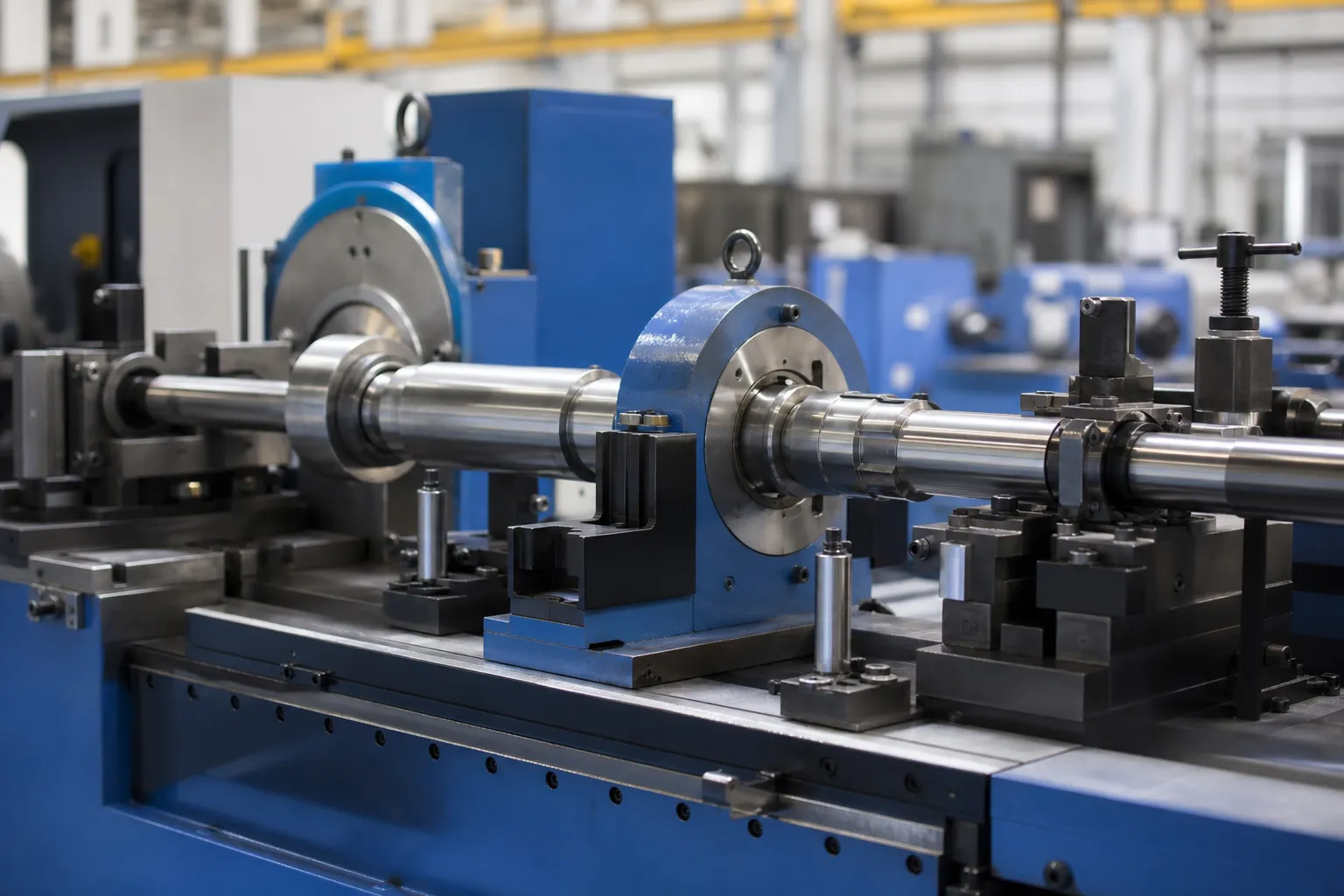
*Ilustracja koncepcja inżynierii. Przedstawia kandydaturę na komórkę produkcyjną, a nie zainstalowany system automatycznego sortowania lub zdefiniowana zdolność wykrywania defektów.*
Zdefiniuj stany dyspozycji
Minimalnie, rozróżnij PASS, WYSTARCZAJĄCO, kwalifikuje się do przeróbki, zatrzymanie/wstrzymanie i przegląd inżynieryjny/jakości. Definicje muszą odnosić się do kontrolowanego rysunku, metoda pomiaru, stan procesu i uprawnienia do zwolnienia. Alarm procesowy nie jest automatycznie odrzuceniem; może to być sygnał eskalacji wymagający weryfikacji.
| Państwo | Wymagana definicja |
|---|---|
| PRZECHODZIĆ | Spełnia uzgodnione wymagania dotyczące stanu uwolnienia z wymaganymi zapisami |
| WYSTARCZAJĄCO | Nie spełnia określonych wymagań lub posiada potwierdzoną niezgodność |
| Nadaje się do przeróbki | Spełnia udokumentowane warunki kolejnej zatwierdzonej próby |
| Zatrzymywać się / trzymać | Wymaga konfiguracji, sygnał procesowy, przegląd jakości lub inżynierii przed dalszym przetwarzaniem |
| Przegląd inżynieryjny | Wymaga kontrolowanej decyzji poza normalną trasą automatyczną |
Oddziel problemy związane z konfiguracją od niezgodności części
Przed frezowaniem części jako NOK, rozważyć, czy sygnał może wynikać z osadzenia punktu odniesienia, odmiana oprawy, stan czujnika, tożsamość części, zła receptura lub niezatwierdzony stan wsparcia. Procedura powinna definiować dozwolone kontrole czyszczenia/ponownego podłączenia/powtórzenia i zapobiegać nieograniczonej liczbie ponownych prób.
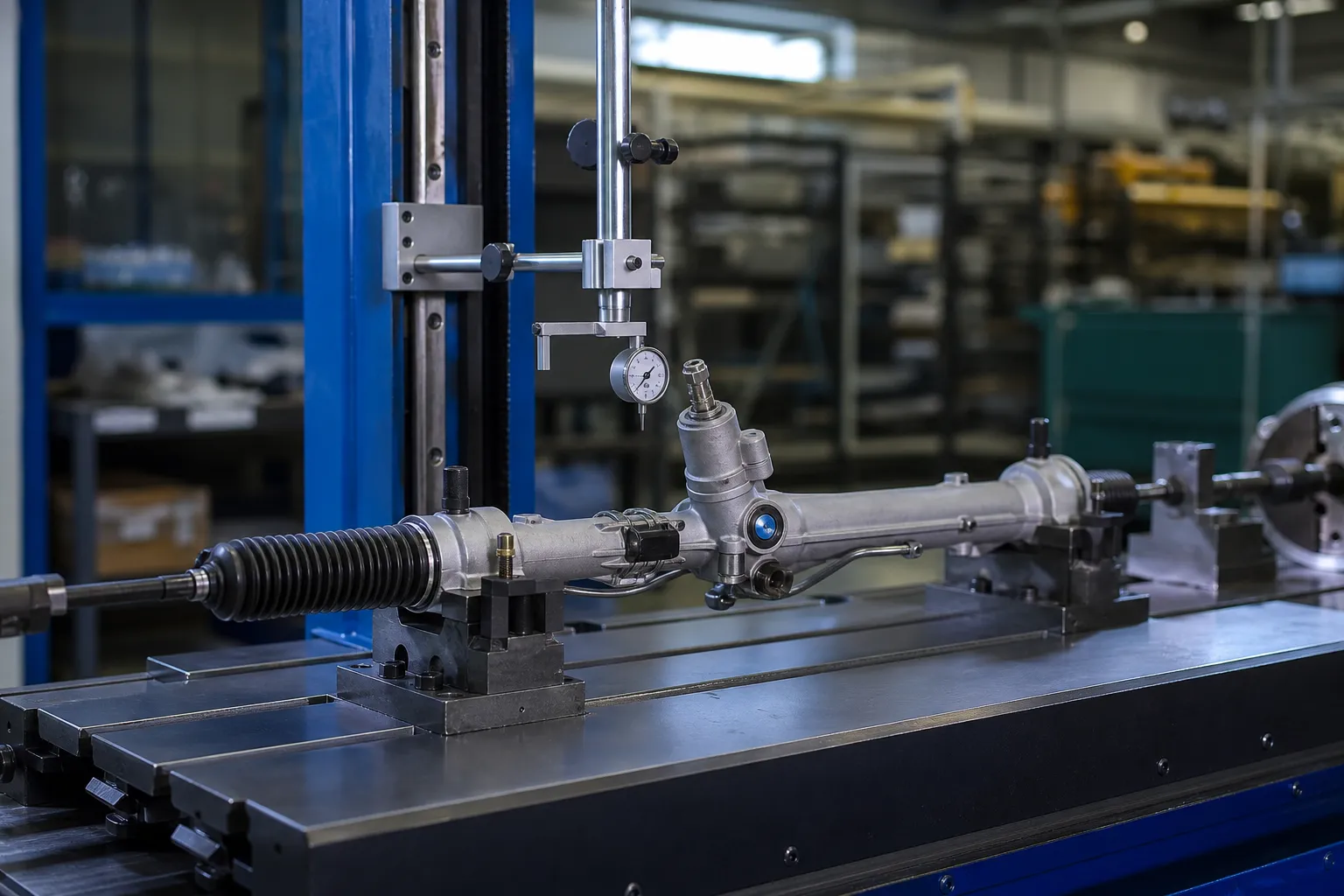
*Ilustracja koncepcja inżynierii. Przedstawia punkt decyzji pomiaru, nie stanowi dowodu automatycznej klasyfikacji ani określonej reguły alarmowej.*
Widzieć Powtarzalność osprzętu i osadzenie punktu odniesienia I wykrywanie pęknięć podczas automatycznego prostowania do oddzielenia sygnału od jego zweryfikowanej przyczyny.
Ustaw limit przeróbek przed pierwszą korektą
Przeróbka powinna być zatwierdzoną trasą z określoną maksymalną liczbą prób, dozwolone warunki kontaktu/wsparcia, wymóg ponownego pomiaru, sprawdzenie powierzchni/elementów i zezwolenie na kontynuację lub zatrzymanie. Limit nie jest liczbą uniwersalną; to zależy od materiału, etap procesu, ryzyko funkcji, wymagania klienta i zweryfikowana odpowiedź. Gdy część nie reaguje zgodnie z oczekiwaniami, właściwym działaniem może być wstrzymanie lub odrzucenie, a nie zastosowanie dodatkowej siły.
Why Unlimited Retries Corrupt the Line
Allowing a line to re-correct a part until the gauge finally passes feels productive and quietly destroys two things. The first is the part itself: every plastic bending cycle consumes a share of the section’s low-cycle fatigue life, and the reverse-loading behavior described for reverse loading in straightening means later cycles move the material more per unit force than earlier ones did. A part that reaches tolerance on its sixth attempt is not equivalent to one that reached it on the first, even though both read PASS.
The second casualty is the line’s own information. When retries are unlimited, the gauge sees only eventual outcomes: parts that converge, slowly, under repeated force. A drifting correction setup, a worn anvil, a bad lot of stock and a genuinely struggling part family all produce the same visible symptom — more attempts per part — and none of them generates a stop condition. The retry count is one of the cheapest and most informative process signals a straightening line produces, and it only exists as data if the line is required to stop and route the part at a defined limit instead of looping.
Thinking of the Rework Limit as a Budget
A more useful mental model than “three strikes” is a budget of deformation that each part may spend. The budget is set by the material’s condition and the consequence of failure in service, and it is spent by every correction stroke — forward or reverse. A hardened safety-critical shaft and a soft structural bar may carry very different budgets, which is why no universal rework number is defensible and why the limit belongs to the part family’s validated process, reviewed by quality. The same budget concept explains a rule that otherwise looks arbitrary: a part that has consumed its budget and still fails is rejected even though one more attempt might conceivably pass, because the part that would emerge is no longer the part the drawing specifies in any meaningful sense.
Budgets also need edges. Two conditions that stop rework regardless of remaining attempts are no-progress — corrections that stop changing the geometry, indicating the process is no longer engaging the error — and overshoot oscillation, where each attempt moves the part from one side of tolerance to the other. Both are stop signals, not tuning opportunities, and both feed the integrity-review concerns that repeated plastic cycling raises.
Zachowaj izolację i identyfikowalność
Każda dyspozycja musi zachować tożsamość części/partii, wersja rysunku/przepisu, warunek pomiaru, próby korekty, wynik, zdarzenie operatora/automatyki, czas, decyzja o przeglądzie i lokalizacja fizyczna. Izolacja musi uniemożliwiać powrót wstrzymanej części lub części NOK do przepływu PASS bez wyraźnej autoryzacji.
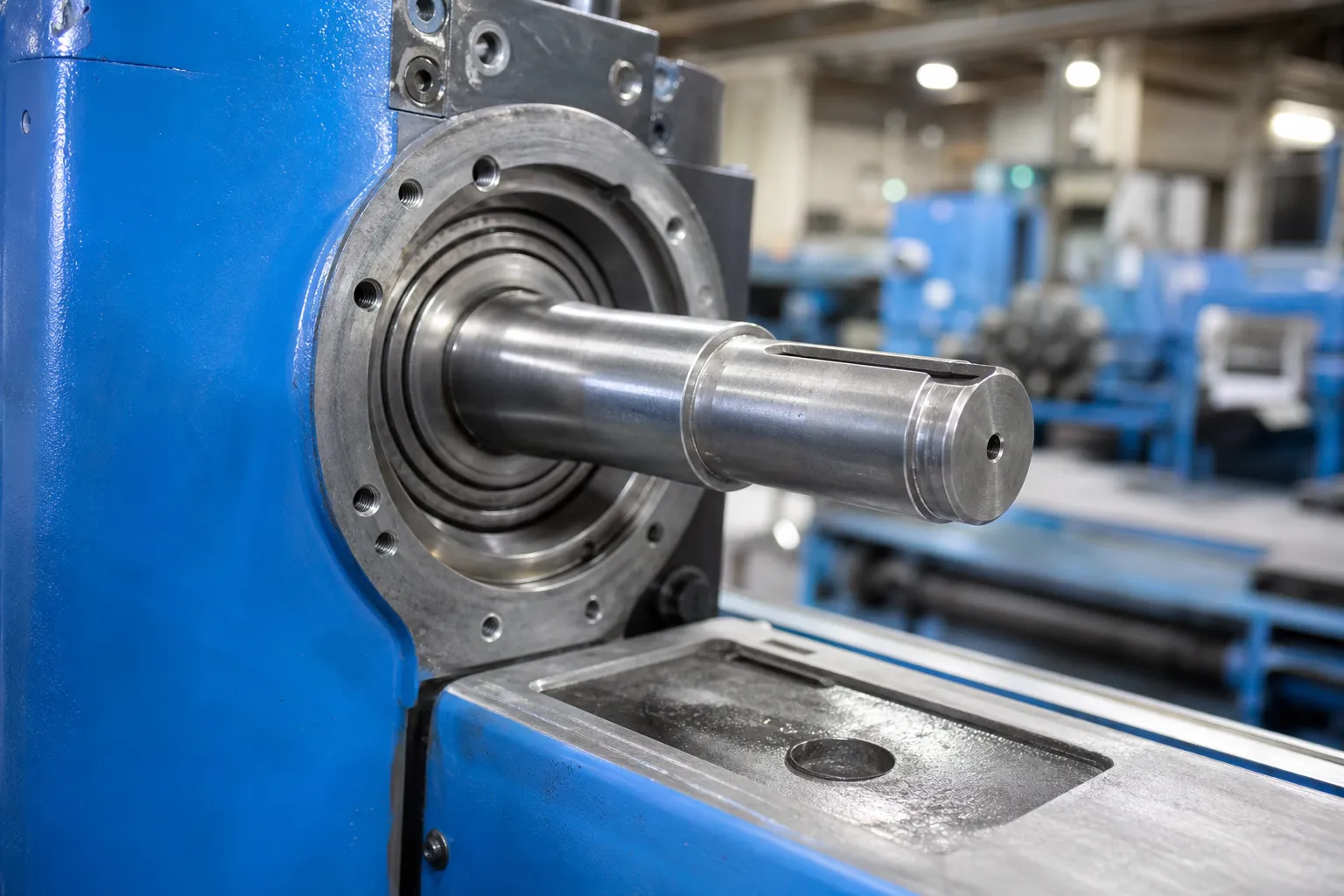
*Ilustracja koncepcja inżynierii. Kładzie nacisk na weryfikację stanu uwolnionego i zarejestrowaną dyspozycję, nie jest to obietnica interfejsu DMC/MES ani automatycznego sortera.*
Designing Segregation That Cannot Be Defeated
Disposition states only work if the physical line enforces them. The failure mode is always the same: a held or NOK part re-enters the good flow during a busy shift, through an operator judgment call, a shared conveyor or an unlabeled tote. Effective segregation design follows mistake-proofing logic rather than instruction signs. Good and rejected parts take different physical paths with no shared section where a part can be redirected by hand. Hold locations lock or require an access step that itself creates a record. Labels and bins are part-specific, not generic scrap tags, so a held-for-review part cannot decay into anonymous scrap or anonymous stock. Where volume justifies it, diverters and gates make the routing decision the machine’s, not the operator’s — the automation boundary discussed in manual versus automatic straightening applies to disposition as much as to correction.
The record side has the same anti-defeat requirement. A disposition that lives only in an operator’s memory, or in a spreadsheet anyone may edit, does not survive an audit or a containment event. The minimum durable record is the tuple — part identity, działka, drawing and recipe version, warunek pomiaru, attempt count, wynik, decision, decision-maker, time — retained long enough to answer the customer question that eventually comes: which parts from that week, from that machine, from that shift.
What the Disposition Data Buys Later
A line that routes honestly accumulates, as a by-product, the dataset that every improvement program wishes it had. Attempt-count trends flag tooling wear and setup drift while they are still cheap to fix. Lot-to-lot shifts in incoming geometry point upstream to suppliers with evidence instead of complaints. The ratio of setup-issue holds to true part nonconformances measures how much of the line’s apparent quality problem is actually its measurement and fixturing — information directly relevant to planning a miernik R&Badanie R. And when a customer raises a field concern, traceability converts a week of panic into an afternoon of records. None of that value survives a culture of retry-until-pass; all of it is the natural dividend of the routing discipline described here.
Zbuduj ścieżkę weryfikacji i eskalacji
- zidentyfikować część, działka, rysunek i przepis;
- zweryfikować konfigurację pomiaru/danych w ramach zatwierdzonych kontroli;
- uchwycić odczyt, stan procesu i wszelkie alerty;
- zastosuj tylko dozwoloną trasę przeróbek, gdy kwalifikowalność zostanie potwierdzona;
- zwolnić i ponownie zmierzyć w uzgodnionych warunkach;
- PRZEJDŹ trasy, WYSTARCZAJĄCO, wstrzymać lub dokonać przeglądu technicznego;
- zachowują identyfikowalność i fizyczną segregację;
- używaj powtarzających się wzorców, aby wywołać proces lub przegląd jakości.
Dla potrzebnej architektury dowodów, Widzieć badanie próbki prostowania i akceptacja I Gage R&R do prostowania linii.
Bramki bez postępu i z limitem korekty
Dokładne zdanie limit korekty prostowania bez bramki postępu jest medycznie zanieczyszczony w SERP, więc kanoniczna logika braku postępu obowiązuje na stronie sortowania NOK i limitu przeróbek. Zdefiniuj maksymalne cykle korekcji, force/stroke ceilings and mandatory stop/sort actions before production release.
Często zadawane pytania
Czy NOK zawsze oznacza złom?
NIE. Stan NOK może wymagać weryfikacji, kontrolowana przeróbka, przegląd techniczny lub ostateczne odrzucenie w zależności od zatwierdzonej ścieżki jakości.
Czy można ponowić próbę linii, dopóki odczyt nie zakończy się pomyślnie?
NIE. Przeróbka wymaga określonego limitu maksymalnej liczby prób i uprawnień dotyczących jakości. Nieograniczona liczba ponownych prób może maskować problem z procesem lub pomiarem.
Czy ten artykuł oznacza, że linia ma automatyczne sortowanie??
NIE. Jest to framework routingu. Rzeczywiste sortowanie, funkcje identyfikowalności i interfejsu wymagają osobnej weryfikacji.
Why does the attempt count matter more than the final reading?
Because the final reading describes where the part ended, while the attempt count describes what it cost to get there. Two parts reading identical PASS values are not equivalent if one took a single correction and the other took a full budget of repeated cycles. The attempt count is also the line’s earliest drift alarm — a setup, tooling or material change usually shows up as more attempts per part long before it shows up as rejects.
Should rework limits differ between part families?
Tak. The limit is a deformation budget set by material condition, feature risk and service consequence, so a hardened safety-critical shaft and a soft structural bar justify different numbers. The limit belongs to each family’s validated process with quality approval, not to the line as a single setting.
What is the minimum physical segregation a small line needs?
Separate paths or lockable, labeled, part-specific containers for PASS, hold and NOK — arranged so a held part cannot return to the good flow without a recorded, authorized step. The design principle is that doing the wrong thing must require effort, not just discipline. Escalate to machine-controlled diverters when volume or staffing makes human routing unreliable.
Sorting decisions are also capacity decisions – the porównanie ręczne i automatyczne i Obudowa ROI do automatycznego prostowania both price the NOK stream a manual line tends to hide.