
מקדחת אקדח ומקדחת חורים עמוקים היא בעיה מיוחדת בשלב הייצור. מקדחה היא לא פיר עגול רגיל: השוק, חָלִיל, ראש חיתוך, תכונות נוזל קירור, מצב טיפול בחום ובהמשך פעולות השחזה או השחזה מחדש יכולים להשתנות היכן ניתן לתמוך בכלי, נמדד ותוקן. תהליך שרק גורם לכלי להיראות ישר עדיין יכול לפגוע בתכונה מוגנת או להשתמש בנתון שאינו מייצג בדיקה פונקציונלית.
מאמר זה מספק מסגרת בדיקה לדוגמה, לא הבטחה ש-StrighteningTech תומך בכל גיאומטריה או גודל מקדחה. התהליך הסופי תלוי בציור, כלים מייצגים, מצב חומרי, permitted contact zones and the customer's released-state inspection method.
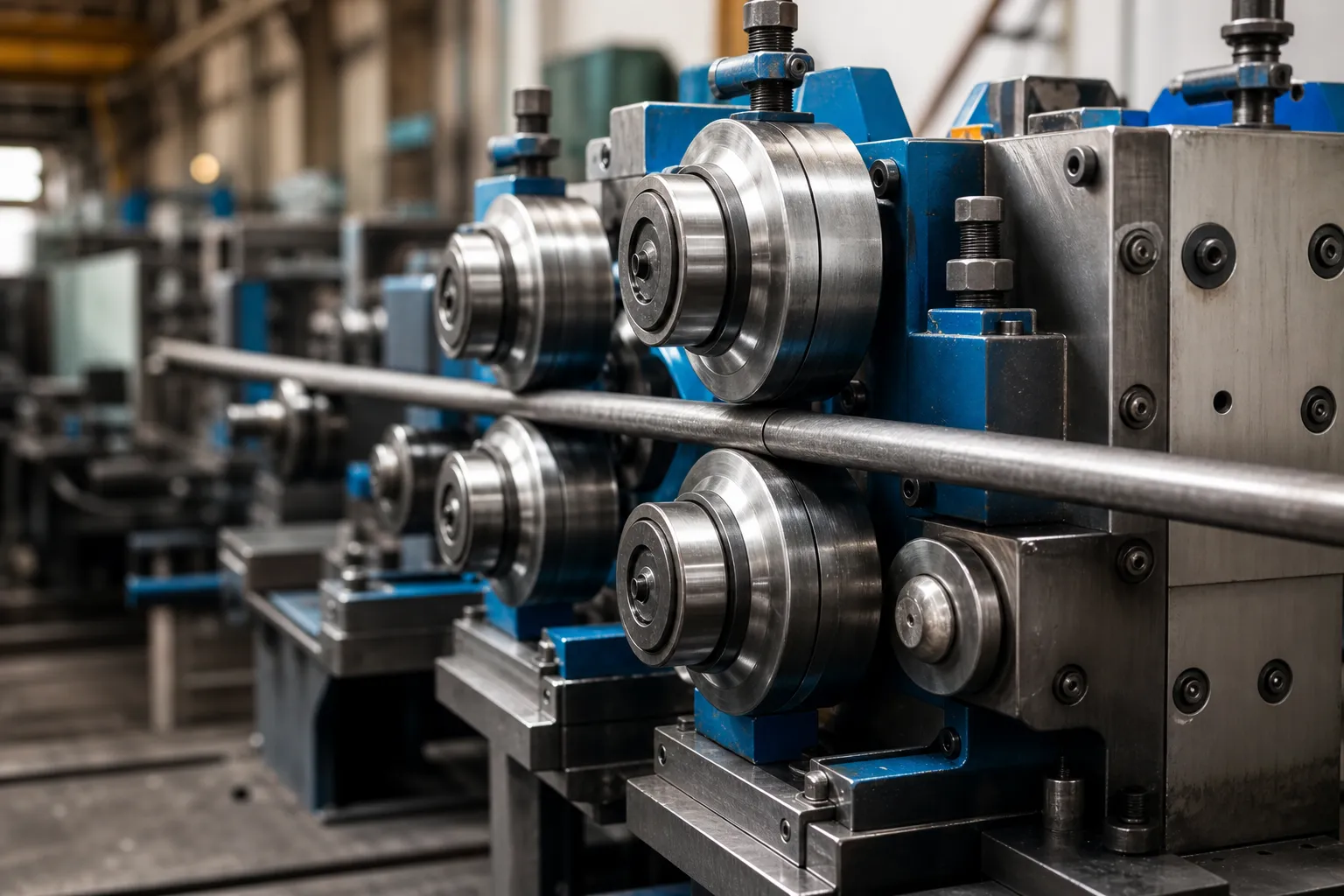
*איור קונספט הנדסי. זה מראה קונטקסט של תיקון ארוך של כלי מועמד; זה לא תיעוד של מכונה של לקוח או עדות לתוצאת תרגיל מובטחת.*
הגדר את משפחת הכלים ואי הכללה של כוונות Look-Alike
השאילתה המדויקת מייצרת תוצאת יישור מקדחה עמוקה של חורים עמוקים, אלא גם מכונת קידוח, טחינה מחדש, תוצאות קנה רובה ומיישר הידראולי כללי. אלו כוונות נפרדות. ההיקף כאן הוא תרגיל אקדח בשלבי ייצור או תרגיל חורים עמוקים שיש להעריך את הגיאומטריה שלו לפני הפעולה המאושרת הבאה..
| לִכלוֹל | אל תכלול |
|---|---|
| הערכת ישרות או יציאה של משפחת מקדחים מבוקרת | בחירת מכונות קידוח חורים עמוקים |
| שאנק, הגנה על חליל וראש במהלך משפט תיקון מועמד | טחינה מחדש, שירות השחזה או יצירת קדחים |
| נתונים מבוססי דגימה ותכנון בדיקה משוחררת | קנה אקדח, מקדחת בטון ותביעות מקדחות רפואיות |
המאמר צריך לקשר לקיים היקף יישור כלי קידוח אבל אל תתייחס בשקט למרכז הרחב הזה כהוכחה לכך שכל תרגיל אקדח כבר מכוסה.
עקבו אחרי עיוות לשלב הייצור
גיאומטריית הכלים יכולה להיות מושפעת ממצב חומר הגלם, machining, היווצרות חליל, טיפול בחום, גימור משטח, טיפול או ניסיון תיקון מוקדם יותר. התזמון משנה את אסטרטגיית הקשר המותרת. ריק שיקבל השחזה מאוחר יותר עשוי להיבדק בצורה שונה ממקדחה מוגמרת עם תכונות חיתוך מוגנות.
לפני משפט, לזהות את ציור הכלי המבוקר, מצב חומר וטיפול בחום, אורך וקוטר משתנה, גיאומטריית שוק/קצה, תכונות חליל/ראש, שלב הייצור הנוכחי, מפת סטייה נכנסת והתהליך הבא. אין להעתיק מידות מתחרים, מספר צירים, כּוֹחַ, זמן מחזור או תביעות אוטומציה למפרט מקומי.
Why Deep-Hole Tools Distort the Way They Do
A gun drill earns its distortion. The raw drill rod is already extremely slender — length-to-diameter ratios that would embarrass a transmission shaft — and then the manufacturing route removes material asymmetrically: fluting or milling a chip channel along one side, cutting the driver flat, adding the head with its cutting geometry and coolant passage. Every one of those operations removes constraint from where it was and leaves residual stress where machining worked the material. Heat treatment then adds its signature on the now-asymmetric section, and deep-hole drilling the coolant bore through the core disturbs the stress balance a second time. The finished tool is a precision instrument carrying several overlaid distortion fields. Understanding this stack is practical, not academic: it predicts that bends concentrate near section transitions — head to flute, flute to shank — that the same tool design can distort differently across lots, and that a correction process which treats the tool as a plain bar will both measure and press in the wrong places. The staging logic and its interaction with correction are the same covered for יישור לאחר טיפול בחום, applied to a section that never had symmetry to begin with.
The Asymmetry Problem: Fluted Sections Are Not Shafts
On the fluted length, the cross-section is an open profile with a neutral axis displaced away from the geometric center — the material web and the chip channel do not balance. Two engineering consequences follow. Stiffness becomes directional: the section bends more easily in the plane of the flute than perpendicular to it, so the same correction stroke delivered at the same force produces different movement depending on the tool’s clocking — the correction plan must therefore be orientation-aware, not just position-aware. And measurement on the flute reads a surface that is spiraling: a probe tracking the OD of a fluted tool sees the flute pass as an interruption, and the residual OD between flutes follows a helix, so naive readings mix the helix geometry into the axis map. The disciplined answers are angular masking — read only in defined rotational windows between flutes — and separating the shank, where the section is solid and behaves classically, from the fluted length, where every number needs its context. The same interrupted-surface caution applies to the rock-drill and heavy-tool families covered under heat-treated drill rod straightening.
בחר תאריך פונקציונלי ומפת מדידה
יוֹשֶׁר, התרחקות רדיאלית ויחסי ראש חיתוך אינם ניתנים להחלפה. ציור הלקוח חייב לציין איזה מאפיין שולט בקבלה וכיצד הכלי נתמך או מסובב. שוק יכול להיות אסמכתא מועמד רק אם הוא תואם את הציר הפונקציונלי הנדרש ומצבו נשלט.
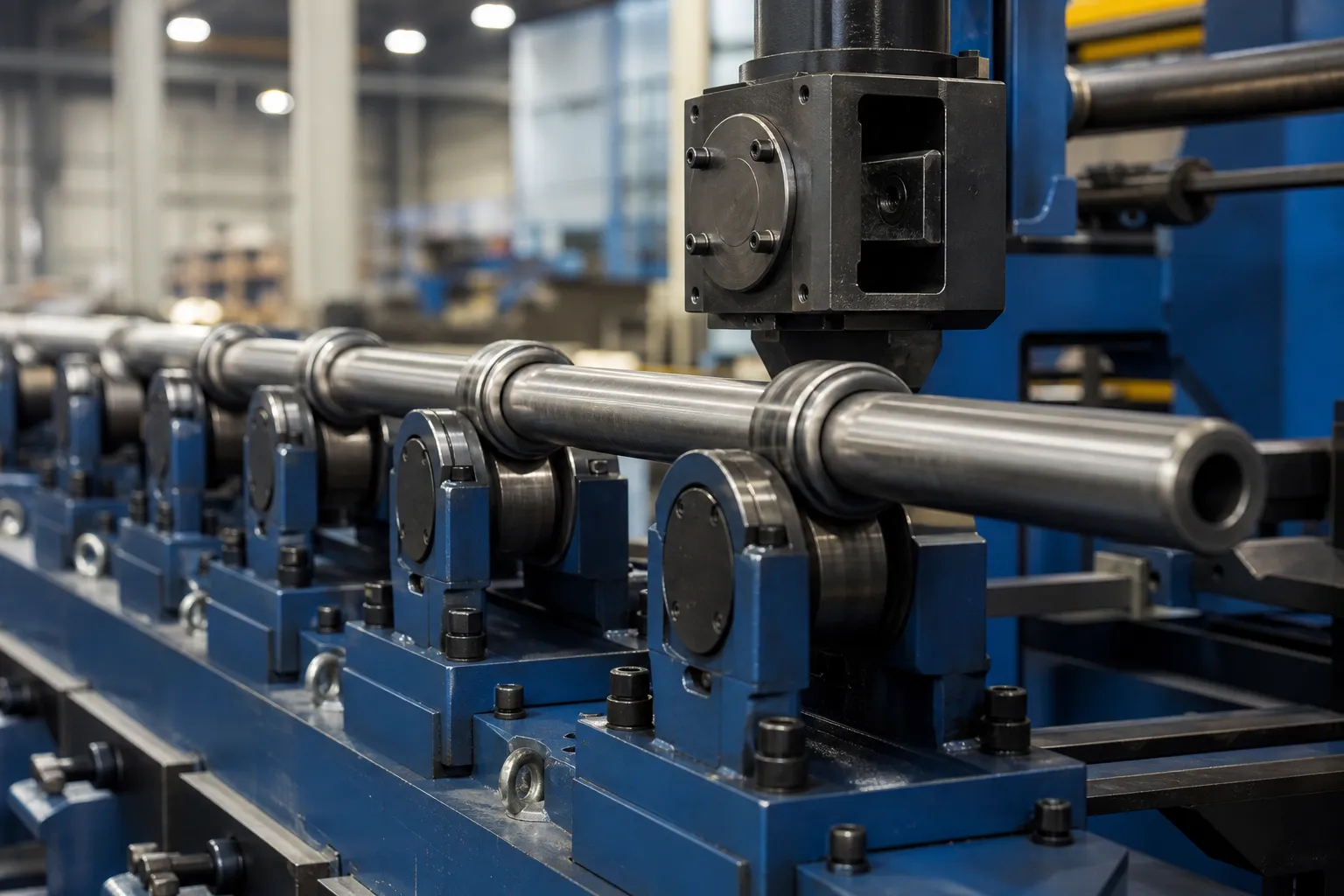
*איור קונספט הנדסי. הוא מדגיש שכלים ארוכים ודקים זקוקים לתכנון תמיכה; יש לאמת ספירת תחנות מדויקת ושיטת חישה ממשפחת המקדחים.*
סקירת המדידה צריכה לתעד תכונות ייחוס מאושרות, תחנות ציריות, שיטת סיבוב אם נעשה שימוש, תנאי מגע בדיקה, מסכות זוויתיות עבור חלילים או חורים, מיקומי תמיכה והמצב המשוחרר המשמש לקבלה סופית. אחרת, תכונה מקומית או טווח לא נתמך יכולים להיחשב בטעות לכיפוף של הכלי.
הגן על השוק, חליל וראש חיתוך
מיקומי תמיכה ותיקון חייבים להיות מאושרים ממפת הגיאומטריה ומסקירת האזור המוגן. חלילים, קצוות חיתוך, חורי נוזל קירור, אזורים מצופים ושינויים מקומיים בחתך יכולים ליצור גם סיכון למגע וגם מדידה מטעה. משטח נגיש אינו אוטומטית נקודת עומס מקובלת.
| אֵזוֹר | שאלה הנדסית |
|---|---|
| שאנק | האם הוא קובע את הנתון הפונקציונלי וסובל את התמיכה המוצעת? |
| חָלִיל | יכול לחקור או לתמוך במגע למנוע אות וסימון משטח מופרע? |
| ראש חיתוך | האם מגע אסור מכיוון שהוא יכול להשפיע על גיאומטריית הקצה או הגימור שלאחר מכן? |
| טווח דק | האם תומך במרווח מונע מהצניחה להפוך ליעד תיקון לכאורה? |
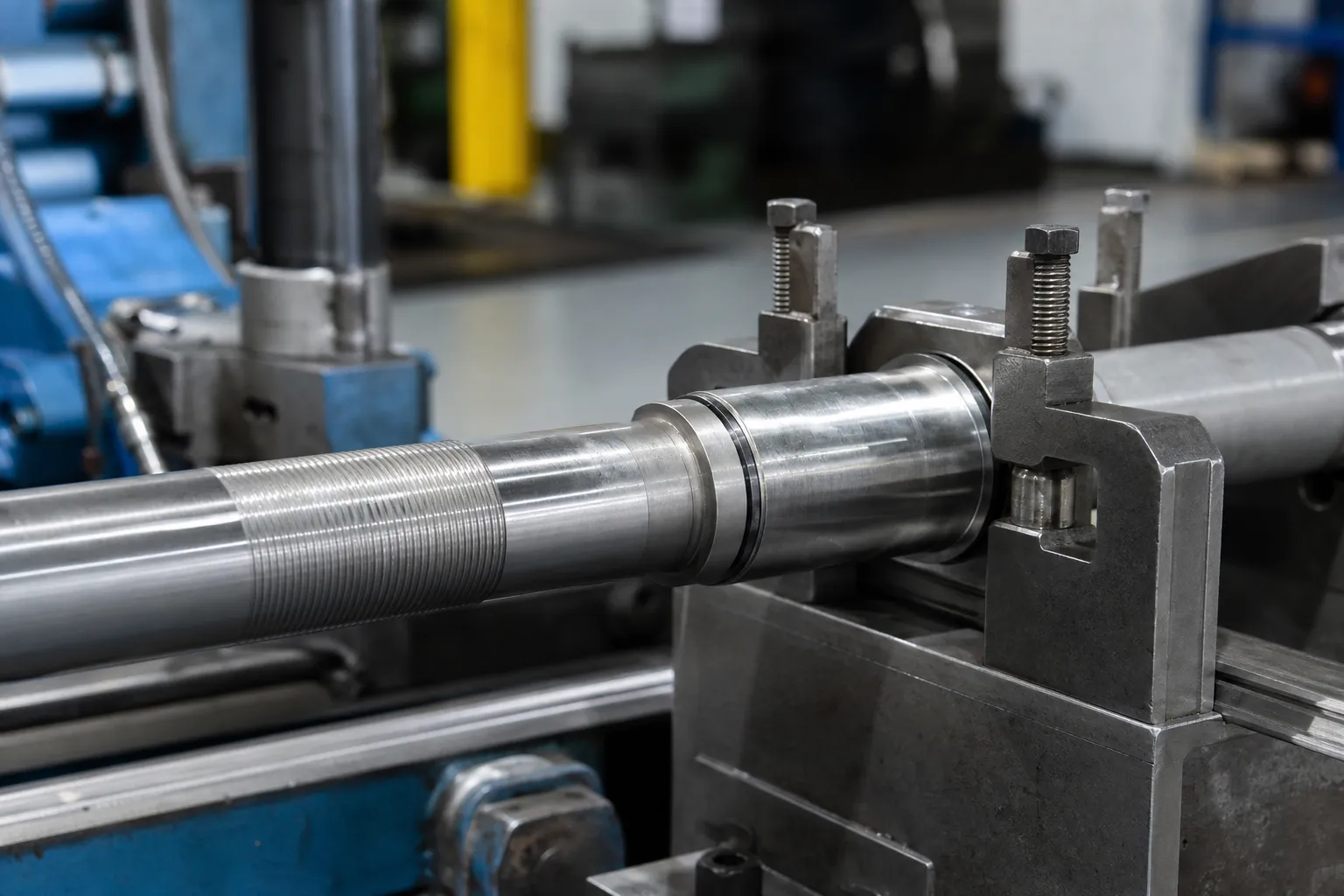
*איור קונספט הנדסי. זה מראה מושג תיקון מצטבר, לא לחץ מאושר, שָׁבָץ, מתקן או מתכון ייצור.*
Where Straightening Sits in the Tool’s Process Route
The same tool asks a different straightening question depending on where it stands in its route. A blank or semi-finished rod, heading into grinding, offers contact freedom — surfaces that will be removed anyway tolerate correction marks that a finished tool cannot — and its acceptance question is whether the grinding allowance can clean up the corrected geometry. A finished drill, flutes cut and edges prepared, inverts every priority: protected zones dominate, corrections must land on the plain spans, and the acceptance question is functional runout on the customer’s own inspection. A reground tool arrives with its straightness history already spent once and its dimensions changed from nominal, so the correction recipe it ran under as a new tool no longer describes it — the rework rules and deformation budget from the rework-limit framework apply with full force. Freezing the manufacturing stage in the trial record, as the framework above requires, is what keeps these three conversations from blurring into one expensive misunderstanding.
Handling Interrupted Surfaces in the Measurement
Practical measurement plans for fluted tools converge on a small set of techniques, each with a cost. Angular masking — sampling only in the windows between flute passes — keeps the probe on continuous material at the price of fewer readings per revolution and a defined rotational reference to keep the windows aligned between stations. Shank-based mapping — measuring the solid sections precisely and interpolating across the fluted span — gives clean numbers at the ends but assumes the fluted length behaves smoothly between them, an assumption the distortion physics occasionally betrays near the head. Feature-aware fixturing — supporting on the land between flutes with conformal tooling — preserves the tool’s attitude but makes support condition part of the measurement definition, to be held identical between the machine and any verification station, per the datum discipline in בחירת נתון מדידת פיר מדורג. Whichever combination a process adopts, the rule that decides its credibility is unchanged: reseat and repeat, and treat any peak that fails the reseat check as a hypothesis rather than a correction target.
השתמש ב-Incremental, לולאת תיקון מצב משוחררת
- לאמת את משפחת המקדחים המאושרים, שלב הייצור ומצב הכניסה;
- לבדוק אם יש נזק, דפורמציה מחוץ לתחום או מצב משטח אסור;
- לקבוע ולאמת את הנתון והגדרת התמיכה;
- מפה את הגיאומטריה המוסכמת לפני התיקון;
- בחר רק תמיכות ונקודות תיקון מאושרות;
- להחיל תיקון מצטבר בתוך מגבלת בדיקת המדגם;
- לשחרר את הכלי ואת הריסון במלואו;
- למדוד מחדש ולהקליט בסדר, NOK או נטייה לביקורת הנדסית.
ההחלטה הסופית חייבת לאחר השחרור. קריאה בזמן שהכלי מהדק או תחת כוח לא יכולה להיות מוצגת כישורות סופית או יציאה.
בניית קבלה סביב כלים נציגים
החבילה לדוגמה צריכה לכלול תרגילים נכנסים רגילים ובמקרה הגרוע ביותר, הציור המבוקר, מד התייחסות, מתאם מדידה, בדיקת משטח מוגן ומגבלה מפורשת של אי התקדמות. כאשר חששות לגבי סדק או שלמות החומר חלים, NDT פורמלי נשאר תהליך נפרד אלא אם השיטה האחראית צוינה ומוסמכת; ניטור תיקון אינו מחליף אותו אוטומטית.
עבור זרימת העבודה הקבלה הרחבה יותר, לִרְאוֹת בדיקת מדגם יישור וקבלה ו ישרות פיר, runout ו-TIR.
מידע הדרוש לסקירת יישור תרגיל אקדח
ספק את הציור המבוקר, סוג כלי, מצב חומר וטיפול בחום, שלב הייצור, פירוט שוק/חליל/ראש, דגימות רגילות וכפופות מייצגות, נתוני גיאומטריה נכנסים, דרישות מגע מוגן, התייחסות לשיטת הבדיקה ויעד הייצור. לאחר מכן, StraighteningTech יכולה לסקור את נתון המועמד, תְמִיכָה, ארכיטקטורת מדידה ותיקון לפני הצעת תוכנית בדיקה לדוגמה.
שאלות נפוצות
האם יישור אקדח זהה למכונת קידוח אקדח?
לֹא. מכונת קידוח אקדח עושה קדח. מאמר זה מתייחס לסקירת גיאומטריה מבוקרת של הכלי עצמו במהלך הייצור.
האם ניתן להשתמש בחליל כמשטח מדידה כללי?
לא בלי שיטה מודעת לתכונות. Interrupted geometry can create false probe signals and may be a protected zone.
Can an accuracy or cycle time be guaranteed from the article?
לֹא. Both require validated samples, the agreed datum and inspection method, and a verified machine-and-tooling configuration.
Why do gun drills bend near the head and the flute runout?
Because stiffness changes abruptly at those transitions and the manufacturing route removed material asymmetrically around them. Stresses from fluting, heat treatment and the coolant bore concentrate where the section changes, so the correction map usually shows its peaks near the head-to-flute and flute-to-shank boundaries rather than at mid-length.
Does flute direction affect the correction plan?
כֵּן. A fluted section bends more easily in the flute plane than across it, so the same press stroke moves the tool differently depending on clocking. Correction plans for fluted tools are orientation-aware: נקודת העיתונות, direction and tool rotation are specified together, not independently.
Should a blank be straightened before or after flute milling?
The route decision belongs to the tool process engineer, but the trade is explicit: straightening the solid blank is contact-friendly and geometrically simple, yet fluting and heat treatment afterward can distort it again; straightening the fluted, heat-treated tool faces protected zones and interrupted measurement but corrects the geometry the finished tool actually carries. Whichever stage is chosen, the acceptance definition and correction validation must be run on tools in that state.
Comparing suppliers for gun drill and deep-hole drill straightening? Take the מדריך בחירה עבור פיר, עבודת צינור ופרופיל with you, and sanity-check pricing against the פירוט עלות מכונת יישור.