
שורה לא צריכה להתייחס לכל קריאה שאינה חולפת באותו אופן. ייתכן שלחלק יש בעיית הגדרה, אזעקת מדידה, מצב גיאומטריה בר תיקון, תגובה ללא התקדמות, חשד לבעיה מהותית או אי התאמה מאומתת. ללא מסלולים נפרדים, תיקון חוזר יכול להסתיר בעיית מדידה, לפגוע בחלק, לערבב המון או ליצור החלטה איכותית בלתי ניתנת לאיתור.
מאמר זה הוא מסגרת לניתוב איכות. היא אינה טוענת כי StraighteningTech מספקת כיום מיון אוטומטי, חיישנים ספציפיים, ספי דחייה, תוכנת מעקב או כללי עיבוד מחדש מורשים. פונקציות אלה דורשות היקף מקומי מאומת ואישור איכות.
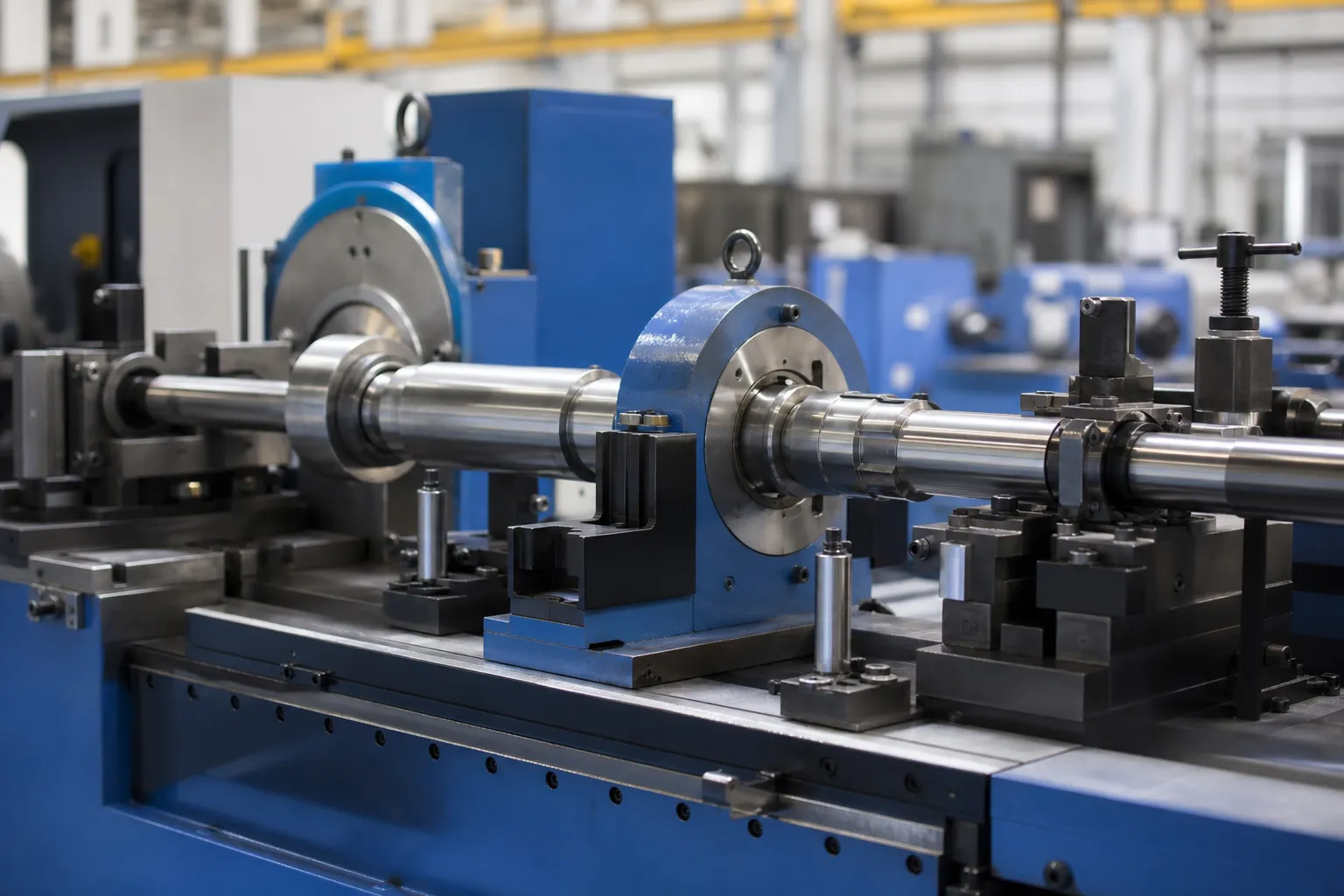
*איור קונספט הנדסי. זה מציג תא ייצור מועמד, לא מערכת מיון אוטומטית מותקנת או יכולת מוגדרת לזיהוי פגמים.*
הגדר את מדינות הנטייה
לכל הפחות, להבחין PASS, מַסְפִּיק, זכאי לעבודה חוזרת, עצירה/החזקה ובדיקת הנדסה/איכות. ההגדרות חייבות להתייחס לשרטוט המבוקר, שיטת מדידה, מצב תהליך וסמכות לשחרר. אזעקת תהליך אינה דחייה אוטומטית; זה עשוי להיות אות הסלמה הדורש אימות.
| מְדִינָה | הגדרה נדרשת |
|---|---|
| לַעֲבוֹר | עומד בדרישת המדינה המשוחררת המוסכמת עם הרשומות הנדרשות |
| מַסְפִּיק | אינו עומד בדרישה שהוגדרה או שיש לו אי התאמה מאושרת |
| זכאי לעבודה חוזרת | עומד בתנאים מתועדים לניסיון מאושר נוסף |
| לְהַפְסִיק / לְהַחזִיק | דורש הגדרה, תהליך-אות, סקירת איכות או הנדסה לפני עיבוד נוסף |
| סקירה הנדסית | צריך החלטה מבוקרת מחוץ למסלול האוטומטי הרגיל |
שמור על בעיות הגדרה בנפרד מאי התאמה של חלק
לפני ניתוב חלק כ-NOK, שקול אם האות יכול לנבוע מהישיבה בדאטום, וריאציה של מתקן, מצב החיישן, זהות חלק, מתכון שגוי או מצב תמיכה לא מאושר. הנוהל צריך להגדיר את בדיקות הניקוי/השבה/חזרה המותרות ולמנוע ניסיונות חוזרים בלתי מוגבלים.
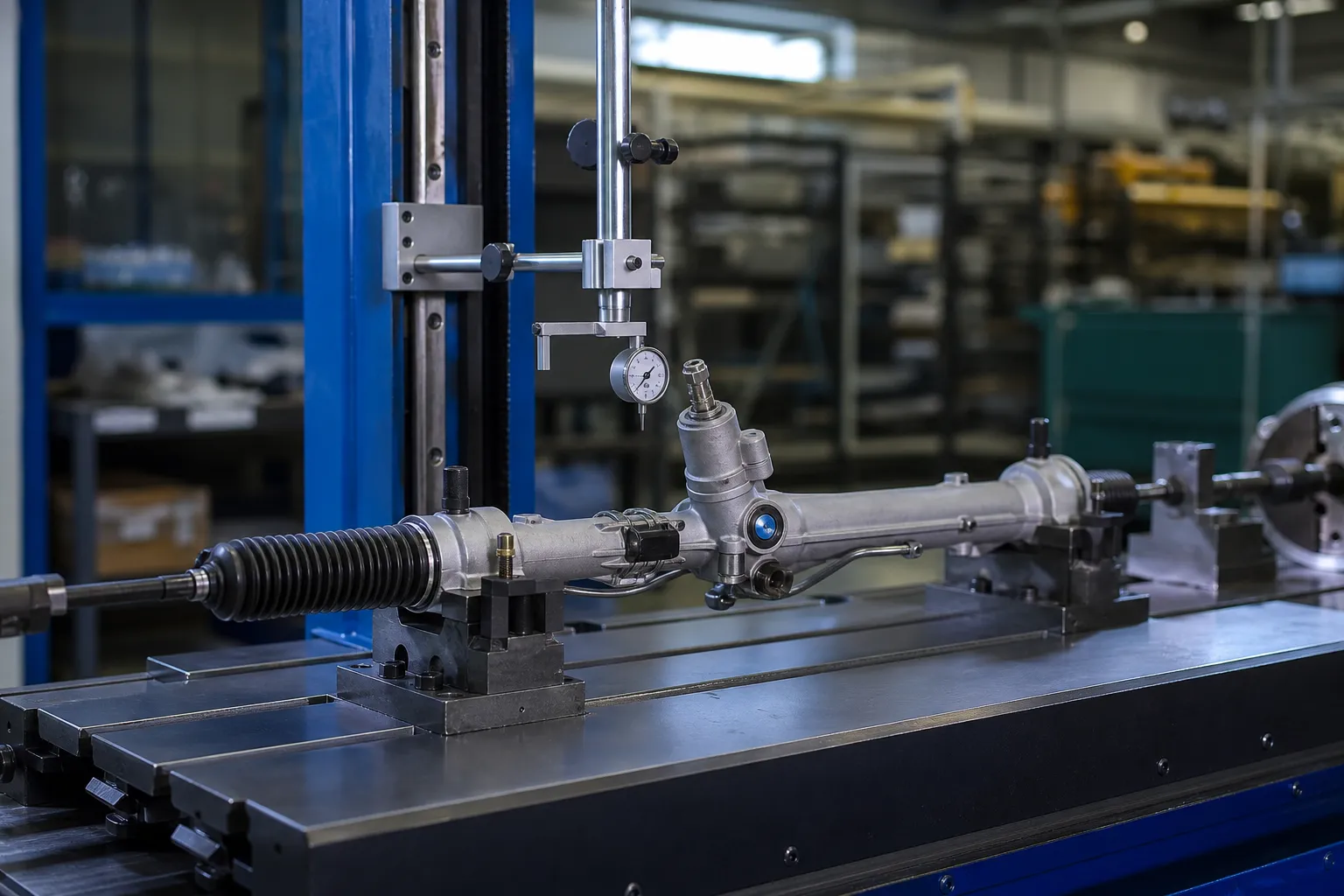
*איור קונספט הנדסי. הוא מתאר נקודת החלטה למדידה, לא הוכחה לסיווג אוטומטי או כלל אזעקה ספציפי.*
לִרְאוֹת יכולת חזרה של המתקן והושבה בדאטום ו זיהוי סדקים במהלך יישור אוטומטי להפרדה בין אות לסיבה המאומתת שלו.
הגדר מגבלת עיבוד מחדש לפני התיקון הראשון
עבודה חוזרת צריכה להיות מסלול מאושר עם מספר מרבי מוגדר של ניסיונות, תנאי קשר/תמיכה מותרים, דרישת מדידה מחדש, בדיקות שטח/תכונות וסמכות להמשיך או להפסיק. המגבלה אינה מספר אוניברסלי; זה תלוי בחומר, שלב התהליך, סיכון תכונה, דרישות הלקוח ותגובה מאומתת. כאשר חלק לא מגיב כמצופה, הפעולה המתאימה עשויה להיות החזקה או דחייה במקום כוח נוסף.
Why Unlimited Retries Corrupt the Line
Allowing a line to re-correct a part until the gauge finally passes feels productive and quietly destroys two things. The first is the part itself: every plastic bending cycle consumes a share of the section’s low-cycle fatigue life, and the reverse-loading behavior described for reverse loading in straightening means later cycles move the material more per unit force than earlier ones did. A part that reaches tolerance on its sixth attempt is not equivalent to one that reached it on the first, even though both read PASS.
The second casualty is the line’s own information. When retries are unlimited, the gauge sees only eventual outcomes: parts that converge, slowly, under repeated force. A drifting correction setup, a worn anvil, a bad lot of stock and a genuinely struggling part family all produce the same visible symptom — more attempts per part — and none of them generates a stop condition. The retry count is one of the cheapest and most informative process signals a straightening line produces, and it only exists as data if the line is required to stop and route the part at a defined limit instead of looping.
Thinking of the Rework Limit as a Budget
A more useful mental model than “three strikes” is a budget of deformation that each part may spend. The budget is set by the material’s condition and the consequence of failure in service, and it is spent by every correction stroke — forward or reverse. A hardened safety-critical shaft and a soft structural bar may carry very different budgets, which is why no universal rework number is defensible and why the limit belongs to the part family’s validated process, reviewed by quality. The same budget concept explains a rule that otherwise looks arbitrary: a part that has consumed its budget and still fails is rejected even though one more attempt might conceivably pass, because the part that would emerge is no longer the part the drawing specifies in any meaningful sense.
Budgets also need edges. Two conditions that stop rework regardless of remaining attempts are no-progress — corrections that stop changing the geometry, indicating the process is no longer engaging the error — and overshoot oscillation, where each attempt moves the part from one side of tolerance to the other. Both are stop signals, not tuning opportunities, and both feed the integrity-review concerns that repeated plastic cycling raises.
שמור על בידוד ומעקב
כל דיפוזיציה חייבת לשמור על זהות חלק/מגרש, גרסת ציור/מתכון, מצב מדידה, ניסיונות תיקון, תוֹצָאָה, אירוע מפעיל/אוטומציה, זְמַן, סקירת החלטה ומיקום פיזי. בידוד חייב למנוע מחלק מוחזק או NOK לחזור לזרימת PASS ללא אישור מפורש.
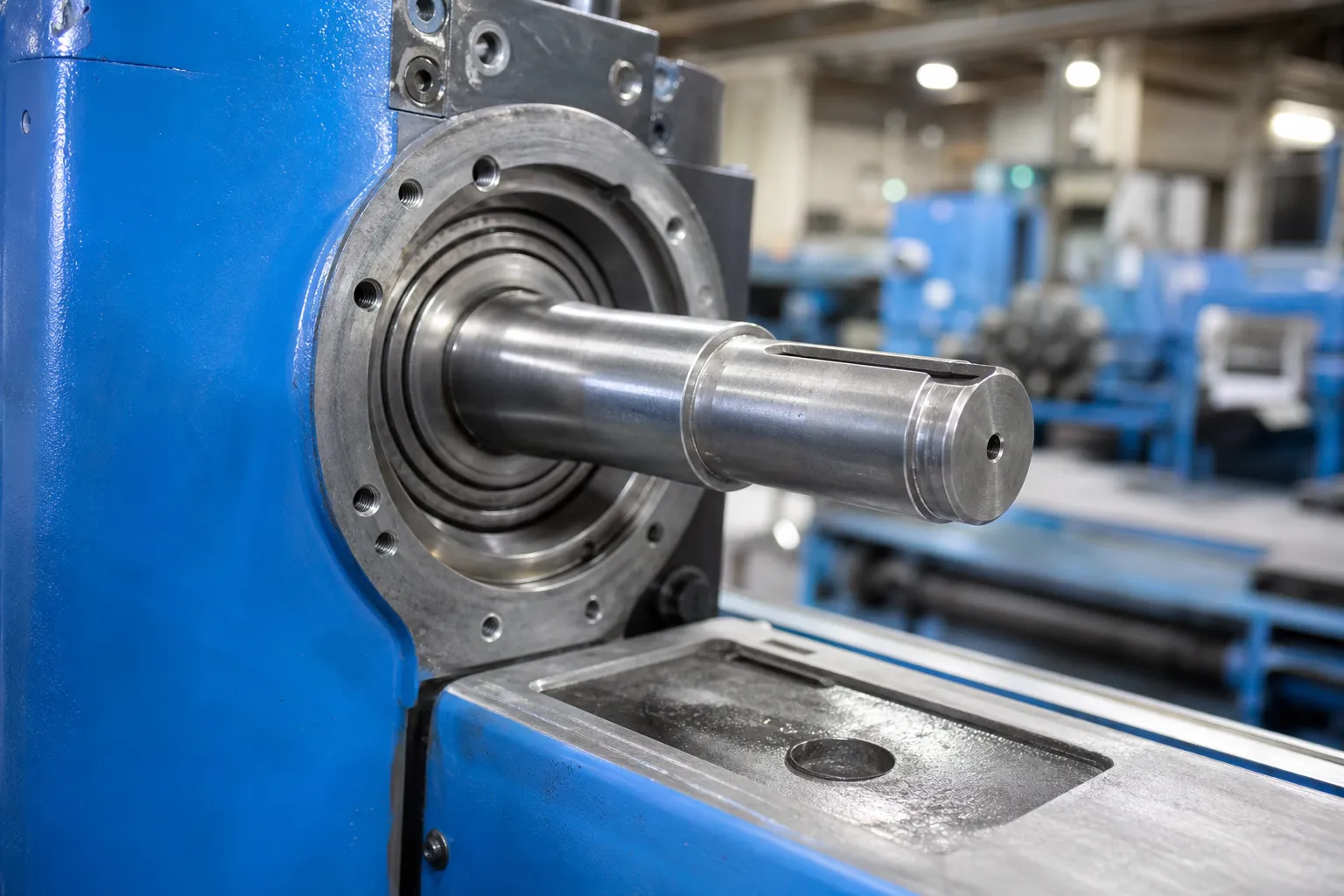
*איור קונספט הנדסי. הוא מדגיש אימות של מדינה משוחררת ונטייה רשומה, לא הבטחה לממשק DMC/MES או ממיין אוטומטי.*
Designing Segregation That Cannot Be Defeated
Disposition states only work if the physical line enforces them. The failure mode is always the same: a held or NOK part re-enters the good flow during a busy shift, through an operator judgment call, a shared conveyor or an unlabeled tote. Effective segregation design follows mistake-proofing logic rather than instruction signs. Good and rejected parts take different physical paths with no shared section where a part can be redirected by hand. Hold locations lock or require an access step that itself creates a record. Labels and bins are part-specific, not generic scrap tags, so a held-for-review part cannot decay into anonymous scrap or anonymous stock. Where volume justifies it, diverters and gates make the routing decision the machine’s, not the operator’s — the automation boundary discussed in manual versus automatic straightening applies to disposition as much as to correction.
The record side has the same anti-defeat requirement. A disposition that lives only in an operator’s memory, or in a spreadsheet anyone may edit, does not survive an audit or a containment event. The minimum durable record is the tuple — part identity, מִגרָשׁ, drawing and recipe version, מצב מדידה, attempt count, תוֹצָאָה, decision, decision-maker, time — retained long enough to answer the customer question that eventually comes: which parts from that week, from that machine, from that shift.
What the Disposition Data Buys Later
A line that routes honestly accumulates, as a by-product, the dataset that every improvement program wishes it had. Attempt-count trends flag tooling wear and setup drift while they are still cheap to fix. Lot-to-lot shifts in incoming geometry point upstream to suppliers with evidence instead of complaints. The ratio of setup-issue holds to true part nonconformances measures how much of the line’s apparent quality problem is actually its measurement and fixturing — information directly relevant to planning a גייג ר&לימוד ר. And when a customer raises a field concern, traceability converts a week of panic into an afternoon of records. None of that value survives a culture of retry-until-pass; all of it is the natural dividend of the routing discipline described here.
בניית מסלול אימות והסלמה
- לזהות את החלק, מִגרָשׁ, ציור ומתכון;
- לאמת את הגדרת המדידה/נתונים במסגרת הבדיקות המאושרות;
- ללכוד את הקריאה, מצב התהליך וכל התראה;
- החל רק את מסלול העבודה מחדש המותר לאחר אישור הזכאות;
- שחרור ומדידה מחדש בתנאי המוסכם;
- מסלול PASS, מַסְפִּיק, להחזיק או סקירה הנדסית;
- לשמור על מעקב והפרדה פיזית;
- השתמש בדפוסים חוזרים כדי להפעיל תהליך או ביקורת איכות.
עבור ארכיטקטורת הראיות הדרושה, לִרְאוֹת בדיקת מדגם יישור וקבלה ו גייג' ר&R ליישור קווים.
No-Progress and Correction-Limit Gates
הביטוי המדויק מגבלת תיקון יישור אין שער התקדמות מזוהם מבחינה רפואית ב-SERP, כך שההיגיון הקנוני של אי-התקדמות חי בדף מיון ועיבוד מחדש של NOK. הגדר מחזורי תיקון מקסימליים, force/stroke ceilings and mandatory stop/sort actions before production release.
שאלות נפוצות
האם NOK תמיד אומר גרוטאות?
לֹא. מדינה NOK יכולה לדרוש אימות, עבודה מחדש מבוקרת, סקירה הנדסית או דחייה סופית בהתאם למסלול האיכות המאושר.
האם שורה יכולה לנסות שוב עד שהקריאה תעבור?
לֹא. עיבוד מחדש צריך מגבלת ניסיון מרבי מוגדרת וסמכות איכות. ניסיונות חוזרים בלתי מוגבלים יכולים להסוות תהליך או בעיית מדידה.
האם מאמר זה אומר שלשורה יש מיון אוטומטי?
לֹא. זוהי מסגרת ניתוב. מיון בפועל, פונקציות עקיבות וממשק דורשות אימות נפרד.
Why does the attempt count matter more than the final reading?
Because the final reading describes where the part ended, while the attempt count describes what it cost to get there. Two parts reading identical PASS values are not equivalent if one took a single correction and the other took a full budget of repeated cycles. The attempt count is also the line’s earliest drift alarm — a setup, tooling or material change usually shows up as more attempts per part long before it shows up as rejects.
Should rework limits differ between part families?
כֵּן. The limit is a deformation budget set by material condition, feature risk and service consequence, so a hardened safety-critical shaft and a soft structural bar justify different numbers. The limit belongs to each family’s validated process with quality approval, not to the line as a single setting.
What is the minimum physical segregation a small line needs?
Separate paths or lockable, labeled, part-specific containers for PASS, hold and NOK — arranged so a held part cannot return to the good flow without a recorded, authorized step. The design principle is that doing the wrong thing must require effort, not just discipline. Escalate to machine-controlled diverters when volume or staffing makes human routing unreliable.
Sorting decisions are also capacity decisions – את השוואה ידנית מול אוטומטית ואת מארז ROI ליישור אוטומטי both price the NOK stream a manual line tends to hide.