
יישור כרוך לעתים קרובות בכיפוף חומר בכיוון הקשור להיסטוריית העיוות הקודמת שלו. אפקט באושינגר הוא מושג התנהגות חומרי המשמש לתיאור כיצד דפורמציה פלסטית קודמת יכולה לשנות את התנהגות הניב בטעינה הפוכה. זה עוזר להסביר מדוע כלל תיקון גנרי יחיד עשוי שלא לעבור בין מצבים מהותיים, יצירת היסטוריות או המון.
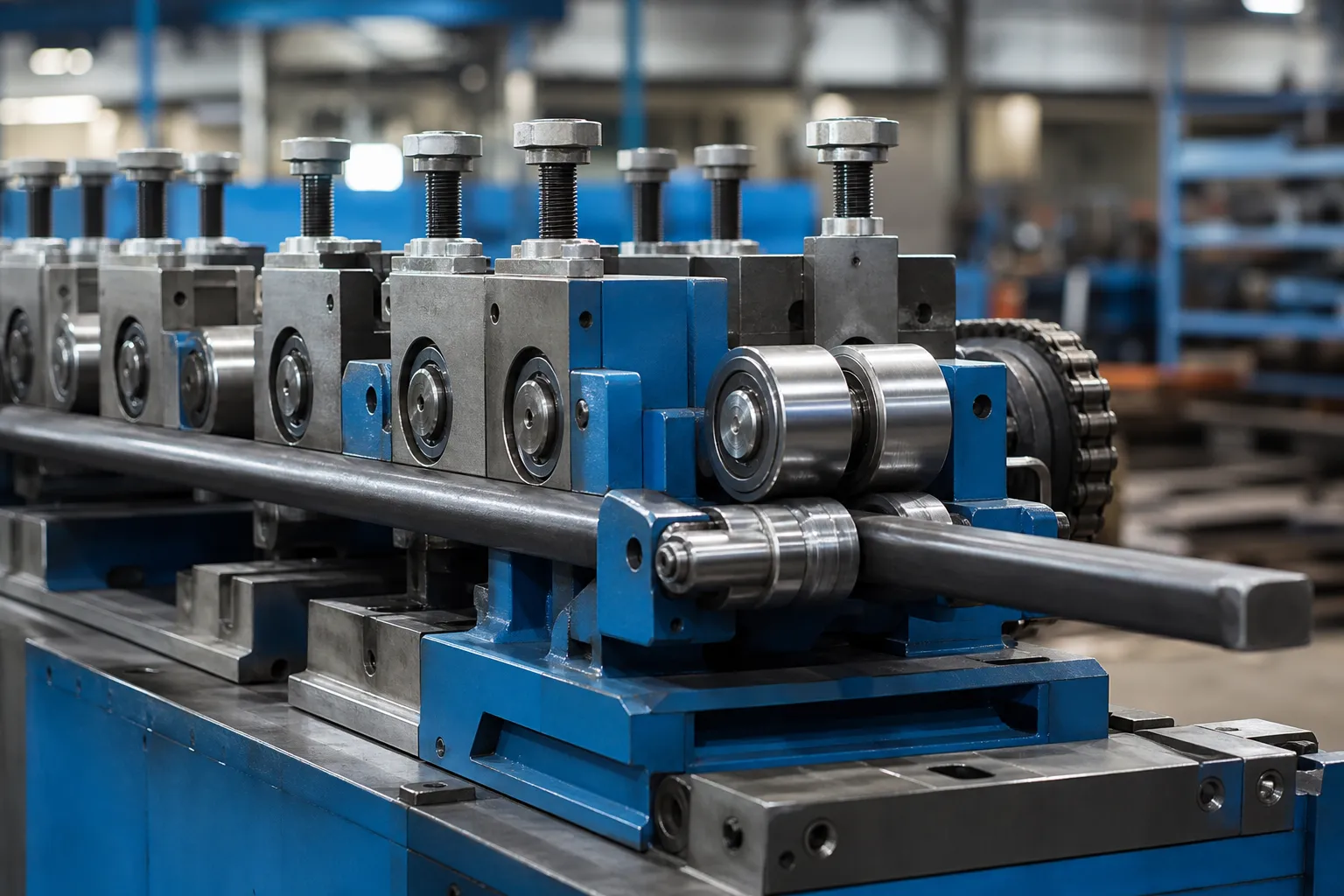
*איור קונספט הנדסי. זה לא מבחן מהותי, מודל מתח או תוצאת יישור מאומתת.*
What the Effect Physically Is
במילים פשוטות: a metal that has been plastically bent one way yields more easily when it is then bent the other way. On a stress–strain curve, a bar pulled past yield, unloaded, and then loaded in compression reaches its new yield point at a lower magnitude than the original tensile yield. The microstructural reason is that plastic deformation leaves the crystal lattice populated with dislocations arranged to resist further deformation in the loading direction; when the load reverses, that same arrangement assists slip in the opposite direction, so reverse yielding begins early. The effect is strongest right after the first reversal and saturates after a few cycles, and it is more pronounced in softer, lower-carbon conditions than in heavily hardened ones.
Two consequences matter for straightening. רֵאשִׁית, the material’s force–deflection response is asymmetric with respect to the sign of bending: the same press stroke moving a bend in one direction produces a different permanent set than the identical stroke applied against it. שְׁנִיָה, every unload leaves a locked-in micro-residual stress state, so the “אוֹתוֹ” part is never quite the same material twice once correction has begun. Both consequences push toward the same process discipline — few, planned, well-aimed correction strokes instead of many small reversing ones.
What This Means for a Correction Stroke
Straightening control commonly assumes a repeatable relationship between applied correction and resulting movement — the basis of springback compensation practice. Reverse-loading history threatens exactly that repeatability. Consider the classic over-correct-and-press-back sequence: the first stroke plastically bends the section, the second stroke bends it back. Because the material yields earlier in the reverse direction, the second stroke needs less force to move the part the same amount, and a control routine calibrated on the first stroke’s response will overshoot. Each additional reversal compounds the drift while accumulating low-cycle fatigue damage in the section, which is the mechanism that connects careless correction sequences to the cracking risks discussed for יישור יתר ופיצוח.
The practical rules that follow are qualitative but firm. Plan the correction so that each location is plastically worked in one predominant direction, not ping-ponged. Set the rework limit before the first stroke — the number of correction attempts a part may receive — and enforce it through the NOK sorting and rework-limit discipline. And when a process has drifted so that the same nominal error now needs visibly more or fewer strokes than it did at qualification, treat the change as a material signal to investigate, not as a knob to tune away.
למה חשובה טעינה הפוכה
ייתכן שלחלק צבר עיוות במהלך הגלגול, צִיוּר, טְבִיעָה, טיפול בחום, machining, הובלה או שלב תיקון קודם. כאשר תהליך יישור חל כיפוף הפוך, התגובה יכולה להיות תלויה בהיסטוריה הזו כמו גם במצב החומרי הנוכחי ובגיאומטריה. זו הסיבה שמפת עיקול לבדה אינה מקימה חלון תיקון בטוח.
| גוֹרֵם | שאלת ניסיון |
|---|---|
| דרגת החומר ומצבו | האם המצב הרלוונטי מתועד, לא הניחו? |
| גיבוש/ציור קודם | האם היסטוריית העיוות יכולה להיות שונה בין חלקים? |
| שלב טיפול בחום | האם מותר לתקן בשלב זה? |
| חתך/גיאומטריה | האם הקשיחות משתנה לאורך החלק? |
| תכונות משטח/פונקציונליות | האם יש אילוצי מגע או סיכון סדק? |
| עיבוד מחודש קודם | האם טעינה הפוכה כבר התרחשה? |
השתמש בו כקונספט לתכנון ניסיון
הרעיון אמור להוביל לרשומות טובות יותר, לא טענות לא נתמכות. הקלט מצב נכנס, חומר/מגרש, שלב הייצור, מפה ראשונית, רצף תיקון, מדידה שפורסמה, מצב תצפית משטח ועיבוד מחדש. שנה גורם מבוקר אחד בכל פעם במהלך הפיתוח ואל תבצע אקסטרפולציה מדגימה קלה למשפחת חלקים אחרת.
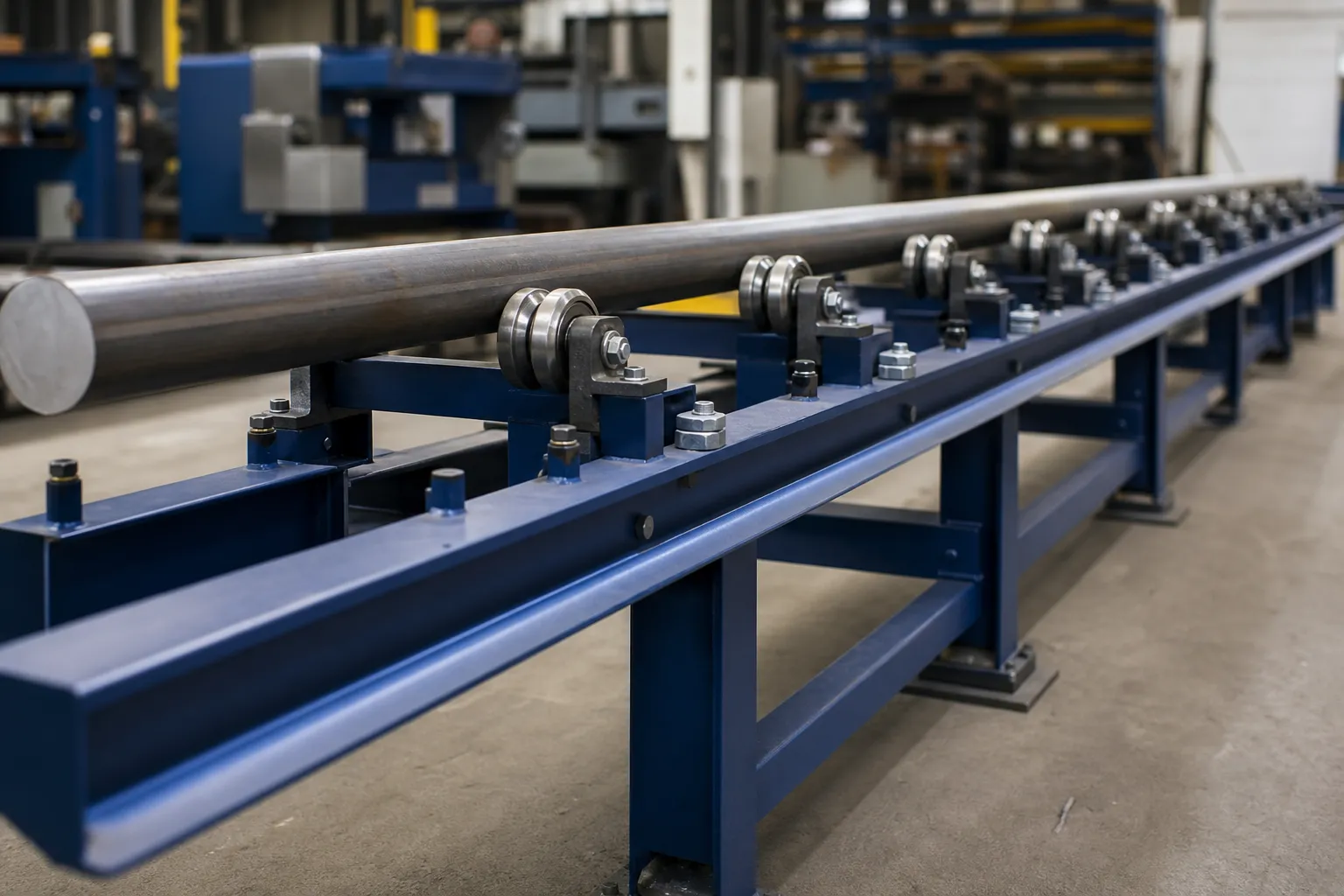
*איור קונספט הנדסי. תְמִיכָה, מגע והתנהגות חומר דורשים סקירה הנדסית ספציפית לחלק.*
הימנע לקרוא לתוצאה "נשלטת באושינגר" אלא אם כן חומר/תהליך מוסמך מגדיר בדיוק מה זה אומר. המונח אינו מחליף דרישת שרטוט, תעודת חומר, הערכת שבר או אישור הלקוח.
Where Loading History Hides in Real Parts
Reverse-loading sensitivity does not require a previous straightening operation — most parts arrive with a history already written into them. Bars and wire carry directional deformation from rolling and drawing, so their bend response differs with orientation relative to the mill direction. Heat-treated parts carry quench distortion plus the residual stress field of the treatment, and any straightening performed at the heat treater counts as prior history for the correction performed later — the staging questions covered under יישור לאחר טיפול בחום. Long slender parts accumulate transport and clamping bends, and a part that has already been through one rework loop at a supplier arrives pre-cycled. Even within one purchased lot, different bar lengths can come from different mill heats with different histories, which is why a correction setup that works on the first pieces of a lot can misbehave on the last.
The countermeasure is informational, not mechanical: capture material and lot identity, the manufacturing stage, and any prior correction record alongside the incoming geometry map. That data costs almost nothing at receiving and is the difference between a drift investigation that takes an afternoon and one that cannot be closed at all.
Reading the Effect in Production Data
Because the effect cannot be seen on the part, it announces itself through patterns in the process data. The signals to watch for are structural rather than numeric: the number of correction strokes needed for the same incoming error creeping upward or downward over a run; parts that oscillate around nominal across alternating strokes instead of converging; released measurements that flip to the opposite side of the tolerance band after correction sequences that historically landed centered; and lot-to-lot differences in correction behavior with no change in machine setup. None of these patterns is proof of reverse-yield behavior on its own — each has measurement and fixture mimics, which is why the datum and gauge checks come first — but together they justify pulling a sample set aside for a controlled material-and-history review rather than continuing to adjust the machine.
הפרד התנהגות חומר משגיאת מדידה
תוצאה בלתי צפויה שפורסמה יכולה לבוא מתגובה מהותית, אלא גם מהישיבה בדאטום, עמידה בתקן, תמיכה/מקרה, מתאם מד או מפת שגיאות לא מלאה. בדוק את הגורמים הללו לפני הקצאת הסיבה להתנהגות של תשואה הפוכה. לִרְאוֹת יכולת חזרה של המתקן והושבה בדאטום ו אי ודאות מדידה בבדיקת ישרות.
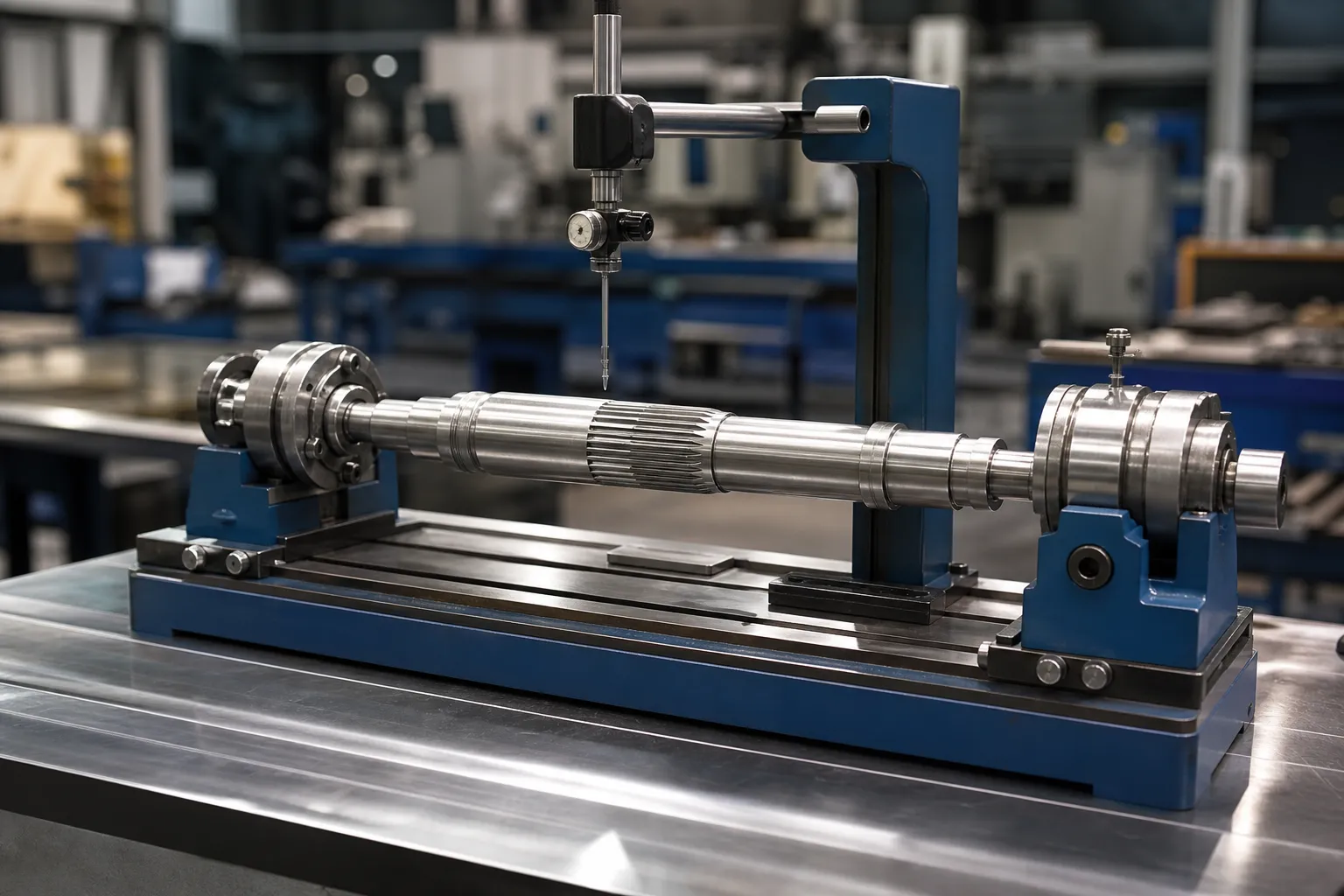
*איור קונספט הנדסי. שיטת המדידה המאושרת של מצב שחרור קובעת את התוצאה הניתנת לדיווח.*
דרוש ראיות לפני תהליך תביעות
ספק שרטוט/תיקון, מפרט ומצב החומר, היסטוריית ייצור, שלב טיפול בחום, רישומי תיקון/עיבוד מחדש קודמים, גיאומטריה נכנסת, הגבלות פני השטח, שיטת מדידה מקובלת ודגימות מייצגות. לְהִשְׁתַמֵשׁ יישור לאחר טיפול בחום כדי להבהיר בקרות הבמה ו בדיקת מדגם יישור וקבלה לתכנן ניסויים. אָז צור קשר עם StraighteningTech לדיון.
נדרש אימות לפני תביעת מערכת
Any material-behavior claim needs a defined material and process scope, הפניות מכוילות, representative heat-treated samples, and traceable measurement data. A generic machine capability is not a verified result for this topic.
שאלות נפוצות
Does the Bauschinger effect make straightening impossible for previously bent parts?
לֹא. It makes the response history-dependent rather than fixed. Processes handle it by planning corrections that work each location predominantly in one direction, limiting the number of correction cycles per part, and validating the correction rule on representative parts that carry the same history as production.
Why does pressing a bend back often overshoot?
Because the reverse stroke meets a material that yields at a lower stress than the forward stroke did. A force or depth calibrated on the forward response therefore over-delivers in reverse. The remedy is a separate, smaller correction rule for reverse strokes, or better, an error-map strategy that avoids reversing the same location repeatedly.
Can a correction setup be transferred to a new material lot unchanged?
Only with evidence. Different mill heats can carry different deformation histories and conditions, so the first pieces of each new lot should be treated as a confirmation sample: if correction behavior matches the qualified baseline, continue; if it shifts, requalify before running. This is standard practice for managing the springback variation discussed for springback variation between batches.
משאבים קשורים StraighteningTech
לִרְאוֹת כיצד פועל יישור פיר אוטומטי, בדיקת מדגם יישור וקבלה ו ישרות פיר מול יציאה מול TIR עבור גבולות בקרה גנריים החלים לפני כל תביעת יכולת על אפקט באושינגר בהחלקה.