
יישור ידני ואוטומטי אינם תוויות איכות. כל מסלול יכול להיות לא מתאים כאשר נתון חלק העבודה, שיטת מדידה, אזורי מגע, כלל הקבלה או תהליך הטיפול אינם מוגדרים. השאלה השימושית היא אילו שלבים זקוקים לשליטה חוזרת עבור משפחת חלקים מוגדרת - ואילו שלבים עדיין דורשים הגדרה מיומנת, אישור הנדסי או אימות מד לקוח.
מדריך זה מהווה מסגרת בחירה, לא טענה ש-StrighteningTech מספקת תצורת אוטומציה מסוימת או שהאוטומציה מבטיחה דיוק, זמן מחזור, הפחתת עבודה או החזר ROI. תוצאות אלו דורשות היקף ציוד מאומת והוכחות ייצור מייצגות.
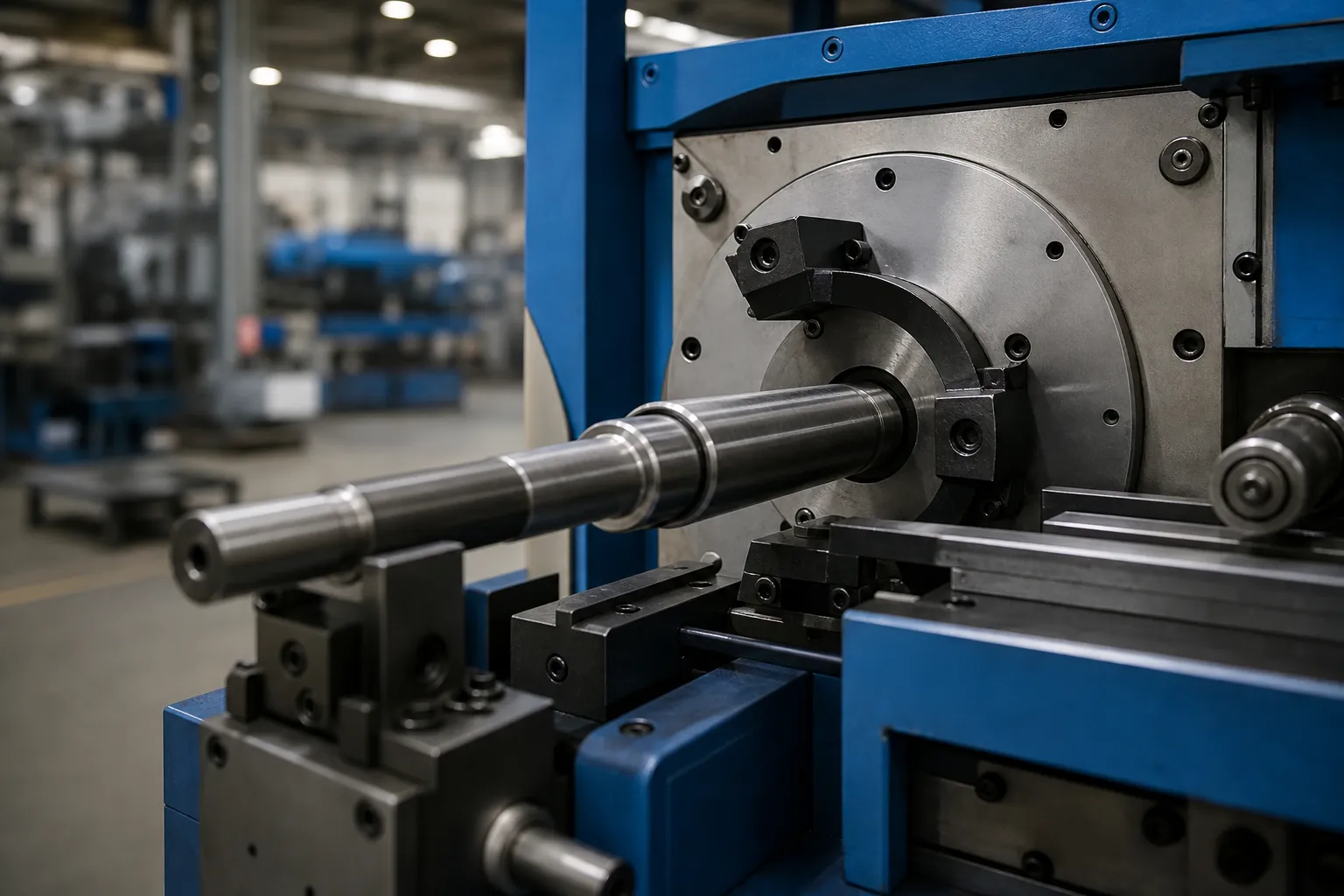
*איור קונספט הנדסי. זה מראה הקשר אפשרי לטיפול אוטומטי, לא הוכחה לתצורה מקומית זמינה או תוצאת ייצור.*
הגדר את גבול האוטומציה
"אוטומטי" יכול לתאר אחת או כמה פונקציות שונות. טְעִינָה, זיהוי חלק, הִתמַצְאוּת, מקום ישיבה בדאטום, מְדִידָה, תִקוּן, פְּרִיקָה, בחירת מתכונים, יש להעריך בנפרד את העקיבות והמיון של NOK.
| פוּנקצִיָה | מסלול ידני להערכה | מסלול אוטומטי להערכה |
|---|---|---|
| טעינה והתמצאות | טיפול במפעיל, אישור מתקן וארגונומיה בטוחה | זיהוי משפחה, הצגה מבוקרת ואימות טיפול |
| מְדִידָה | הגדרת מפעיל, קריאת מד וחזרה | רצף מבוקר, לכידת נתונים ולאמוד מתאם |
| תִקוּן | כושר שיפוט מיומן ותגובה מצטברת | ספי לולאה וחריגה מבוקרת מתכון |
| החלפה | משמעת מתקן/הגדרה וסקירה ראשונה | בקרת גרסאות, זהות כלי ואישור חלק ראשון |
| מֶזֶג | הפרדה פיזית וסקירה מתועדת | מוגדר PASS/NOK/ניתוב מחדש עם סמכות אנושית |
קו אוטומטי עדיין יכול לדרוש אישור ידני בשלב קריטי. תחנת עבודה ידנית עדיין יכולה להשתמש במדדים מבוקרים וברשומות הניתנות למעקב. הבחירה צריכה לתאר את התהליך האמיתי במקום להשתמש בתווית רחבה.
התחל עם תערובת וקבלה של חלקי עבודה
וריאציה גבוהה, תאריך לא ברור, טיפול מורכב או שינויים הנדסיים תכופים יכולים להפוך מסלול ידני או חצי אוטומטי גמיש למתאים במהלך הפיתוח. משפחה יציבה עם טעינה חוזרת, מדידה מוגדרת ותגובת תיקון מאומתת עשויים להצדיק יותר אוטומציה. לא ניתן להסיק אף מסקנה מנפח הייצור בלבד.
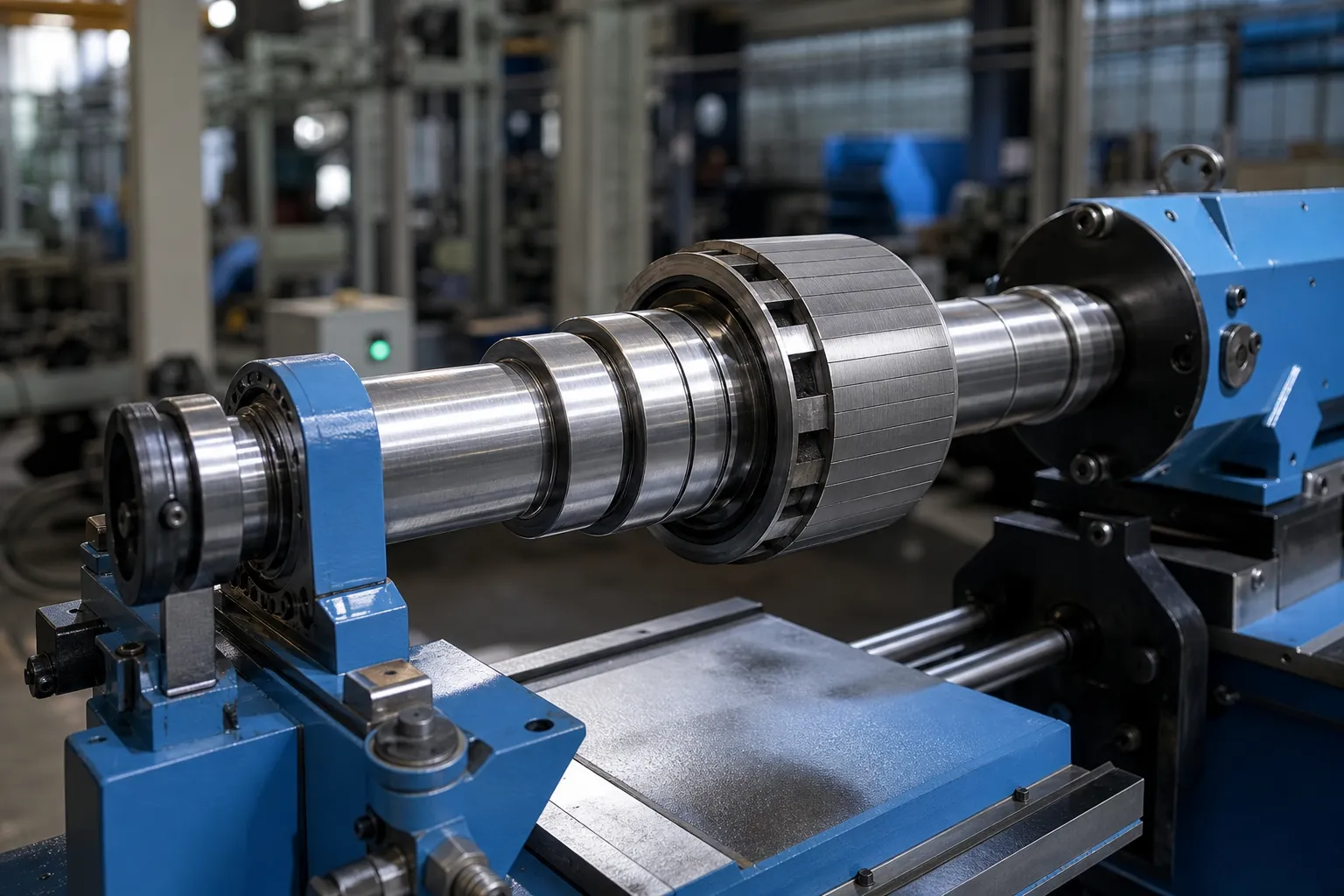
*איור קונספט הנדסי. הוא מייצג תפיסת תיקון בלולאה סגורה; היא אינה טוענת שציר מנוע נתון או פונקציית אוטומציה נתמכים.*
הצעת המחיר צריכה לציין גרסאות של חלקי עבודה, שלב החומר/תהליך, הפצת שגיאות נכנסות, נָתוּן, אזורים מוגנים, מד לקוח, תמהיל היעד ומגבלות הטיפול. לְהִשְׁתַמֵשׁ פִּיר, בחירת מחליק צינורות ופרופילים לפני השוואת תוויות אוטומציה.
What Automation Actually Repeats
Strip away the robotics and an automatic straightening machine is a device for repeating a validated sequence: identify the family, seat the part, measure against a stored rule, apply a stored correction response, למדוד מחדש, route. Every one of those verbs was originally written by a person — an engineer who qualified the datum, an operator who proved the correction response on samples, a quality function that approved the acceptance rule. Automation does not create that knowledge; it preserves and executes it. This framing explains both the strength and the boundary. The strength: once validated, the sequence runs identically at hour eight of a shift as at hour one, unaffected by fatigue, and every part carries its data. The boundary: everything upstream of validation — developing the correction concept for a new family, diagnosing an unfamiliar signal, deciding whether an anomaly is a setup fault or a part problem — remains engineering and skilled work, no matter how automatic the cell. A factory that automates before validating automates its confusion at line rate.
The Cost Structures Are Different, Not Just the Labels
Comparing routes on purchase price or headcount misses where each route actually spends money. The manual route spends it continuously: skilled operators take time to develop and are hard to replace, throughput varies with the person on shift, and consistency between operators is a permanent supervision task — the reproducibility component of measurement studies exists largely because of this. The automated route spends it front-loaded and in lumps: engineering effort to validate each family before the cell can run it, fixture and tooling per family, and a maintenance and calibration discipline that the cell depends on but the production schedule rarely celebrates. Changeover economics invert between the routes — cheap in skill and slow in minutes on a manual bench, fast in minutes but expensive in preparation on an automatic line. None of this makes either route cheaper in the abstract; it means the part mix, changeover frequency and available skills decide which cost structure fits. ה machine cost structure discussion treats these drivers without pretending at universal payback numbers.
השווה בין לולאות מדידה ותיקון
יישור ידני עשוי להסתמך על המפעיל שיטען, לִמְדוֹד, לבחור את נקודת התיקון ולמדוד מחדש. יישור אוטומטי עשוי לחזור על רצף מאוחסן. בשני המקרים, התוצאה הסופית תלויה במקומות ישיבה, מתאם מדידה, מגע מותר, תיקון מצטבר ואימות מצב משוחרר.
| שְׁאֵלָה | למה זה משנה את ההחלטה |
|---|---|
| האם ניתן לחזור על מפת הגיאומטריה הנכנסת? | אוטומציה לא יכולה לפצות על אות לא מוגדר או לא יציב |
| האם נקודות תמיכות ותיקון קבועות על ידי המשפחה? | חלק בתערובת גבוהה עשוי להזדקק לסקירה הנדסית ולא למתכון גנרי |
| האם מד הלקוח מתאם? | קריאות מכונה אינן מחליפות אוטומטית את הבדיקה הסופית |
| האם מוגדרים חריגים? | ניסיון חוזר בלתי מבוקר יכול להסתיר בעיה בתהליך |
לגבול התהליך, לִרְאוֹת יישור נקודת לחיצה ו בדיקת מדגם יישור וקבלה.
הערכת מעבר, נתונים וחריגים
אוטומציה יכולה להיות שימושית רק כאשר זהות החלק, מִתקָן, גרסת המתכון, אישור מקשה ראשונה, שדות נתונים ומסלולי חריגים נשלטים. הסקירה צריכה לציין מי יכול לשנות הגדרה, כמה גרסאות ישנות מונעות לפעול, כיצד מזהים מתקן, ומה קורה לאחר התראת מדידה או אות תהליך.
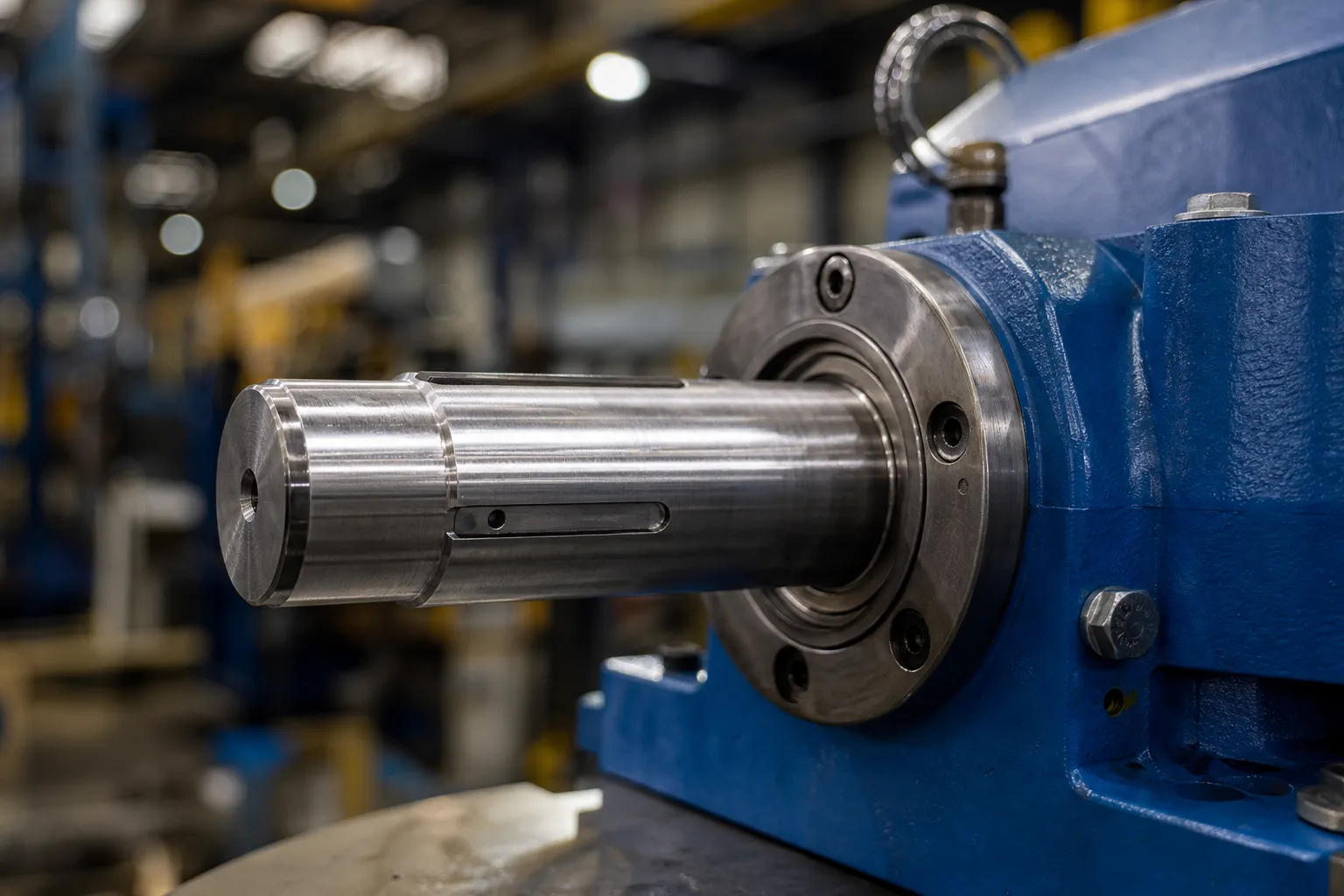
*איור קונספט הנדסי. הוא מדגיש אימות של מדינה משוחררת ונטייה ניתנת למעקב, לא פונקציית בדיקה אוטומטית שהובטחה.*
The Migration Path Nobody Regrets
The manual-versus-automatic decision is rarely binary in practice, and the most common successful pattern is staged: automate the steps whose validation is complete and whose failure modes are understood, keep human hands and judgment on the steps that are not. A frequent first stage automates measurement and disposition — the machine gauges the part, the operator still loads and corrects — because measurement repeatability is usually the first bottleneck and its automation risk is low. A second stage adds automatic loading and part identification once the family presentation is stable, the domain covered for robot tending of straightening machines. Full closed-loop correction comes last, after the correction response has been validated across the incoming error distribution. Each stage is justified by the same evidence rule: a sample test on the specific step, run on representative and worst-case parts, with disposition routing demonstrated per the NOK discipline. Factories that follow this sequence buy automation where it is proven and keep flexibility where it is needed; factories that buy the last stage first spend their commissioning period discovering what they skipped.
Skills Each Route Consumes
Neither route is skill-free, and planning the wrong skill set starves the line quietly. The manual route concentrates skill in the operator: reading the error map, choosing correction points, judging incremental response — expertise that takes real time to build, lives in few people, and walks out the door with them. The automated route distributes skill across the organization: process engineers who validate families and maintain recipes, maintenance staff who can diagnose a sensor or fixture fault before it becomes scrap, and quality staff who own the correlation studies that keep the machine’s readings meaningful at acceptance. A buyer moving from manual to automatic who staffs only for operation — and not for engineering and maintenance — typically finds the cell’s recipes frozen, its correlation stale and its exceptions unowned within the first year. The automation boundary on paper should therefore be matched by a staffing plan for the skills each side of that boundary consumes.
קבל את ההחלטה באמצעות בדיקה לדוגמה
השווה מסלולים מועמדים באמצעות חלקים מייצגים רגילים והגרועים ביותר. שיא טעינה/חזרה על הגדרות, גיאומטריה לפני ואחרי, קריאות שפורסמו במדינה, מצב פני השטח, טיפול, מעבר, לכידת נתונים וניתוב חריגים. אל תסיקו חיסכון שנתי בעבודה, תפוקה או החזר ממאמר מתחרה או זמן מחזור היפותטי.
שאלות נפוצות
האם יישור אוטומטי תמיד מדויק יותר?
לֹא. הדיוק תלוי בחומר העבודה, נָתוּן, מְדִידָה, תגובת תיקון ושיטת קבלה. אוטומציה יכולה לשפר את יכולת החזרה רק כאשר היסודות הללו מאומתים.
מתי יישור ידני הוא הבחירה הטובה ביותר?
יכול להיות שזה מתאים לפיתוח, משפחות חלקים לא יציבות או משתנות מאוד, עבודה בנפח נמוך, התקנה מורכבת, או מצבים שבהם מסלול התיקון עדיין נמצא בהסמכה.
האם למערכת ידנית יכולה להיות מעקב?
כֵּן. זיהוי מבוקר, רישומי מדידה, ניתן ליישם רשומות של משמעת מתכונים/מתקן וגישה ללא תלות ברמת האוטומציה.
Is semi-automatic straightening a compromise or a strategy?
A strategy, when it is staged deliberately. Automating measurement and disposition first, loading second, and closed-loop correction last matches automation investment to validated knowledge — each stage carries a sample test, and flexibility is retained where families are still developing.
What skills does an automatic line still need?
Process engineering to validate families and control recipes, maintenance able to diagnose sensor and fixture faults, and quality ownership of the gauge correlation. Operation labor drops; engineering and maintenance skill does not — it usually rises.
Does automation reduce the number of quality decisions?
It relocates them. Routine dispositions become automatic, but the definition of the routing rules, the approval of recipes and the response to exceptions remain human decisions with named authority. The boundary is between executing decisions and making them.