
متعدد نقل مکانی ریڈنگ ایک ہی چوٹی سے طویل شافٹ معائنہ کو غلطی کے نقشے میں بدل سکتی ہے۔. یہ قدر سینسر سے زیادہ پر منحصر ہے۔: سپورٹ جیومیٹری, ڈیٹم بیٹھنے, تحقیقاتی رابطہ, گردش/انڈیکسنگ, ہم وقت سازی, ماحولیاتی حالات اور حساب کے اصول سبھی اس بات کو متاثر کرتے ہیں جس کی اطلاع دی جا رہی ہے۔.

*انجینئرنگ تصور کی مثال. یہ سینسر کی تصریح نہیں ہے۔, نصب شدہ نظام یا تصدیق شدہ پیمائش کا نتیجہ۔*
سینسرز کو منتخب کرنے سے پہلے خصوصیت کی وضاحت کریں۔
پہلے یہ بتائیں کہ کیا قبولیت کی خصوصیت مرکزی لائن سیدھی ہے۔, مقامی دخش, ڈیٹم کے مقابلے میں رن آؤٹ, پروفائل انحراف یا کوئی اور کنٹرول شدہ نتیجہ. ایک سینسر وولٹیج یا نقل مکانی کا سراغ خود گاہک کی ضرورت نہیں ہے۔. معائنہ کے منصوبے کو ڈیٹم کی خصوصیات کی نشاندہی کرنا ضروری ہے۔, حمایت کرتا ہے, اسٹیشنز, واقفیت, مدت, حساب, اکائیوں, حدود اور ریاست جس میں حصہ قبول کیا جاتا ہے۔.
| عنصر | بند کرنے کا سوال |
|---|---|
| ڈیٹم | کون سی خصوصیات حوالہ محور یا سطح کو قائم کرتی ہیں۔? |
| حمایت | کیا یہ گاہک کی نقل تیار کرتا ہے یا جاری کردہ حصہ کی حالت? |
| تحقیقات کا راستہ | رابطہ پوائنٹس فعال سطحیں ہیں اور نقصان سے محفوظ ہیں۔? |
| اسٹیشنز | کیا وہ معروف موڑ زونز اور فیچر ٹرانزیشن پر قبضہ کرتے ہیں۔? |
| گردش/انڈیکسنگ | پڑھنے کے درمیان واقفیت کیسے محفوظ ہے؟? |
| حساب کتاب | ریڈنگز کو کنٹرول شدہ خصوصیت میں کیسے تبدیل کیا جاتا ہے۔? |
ڈیٹم کنٹرولز کے لیے, دیکھیں شافٹ سینٹر ہول کی صفائی اور ڈیٹم کی تیاری اور فکسچر ریپیٹ ایبلٹی اور ڈیٹم سیٹنگ.
LVDT کیسے کام کرتا ہے۔, اور اس کی فزکس کیوں اہمیت رکھتی ہے۔
لکیری متغیر ڈیفرینشل ٹرانسفارمر جسمانی خوبیوں کی ایک مختصر فہرست کے ذریعے پیداواری مشینری میں اپنا مقام حاصل کرتا ہے۔. ہاؤسنگ کے اندر, ایک بنیادی کنڈلی ایک متبادل کرنٹ کے ساتھ پرجوش ہے۔, اور دو ثانوی کنڈلی اس کے دونوں طرف بیٹھتے ہیں۔; ایک فیرو میگنیٹک کور, ایک پتلی دھکا چھڑی کی طرف سے تحقیقات کی نوک سے منسلک, محور کے ساتھ ساتھ سلائڈ. مرکزی مرکز کے ساتھ, دو ثانوی توازن میں حوصلہ افزائی وولٹیجز; حرکت کے تناسب سے کور اور بیلنس ٹپس کو بے گھر کریں۔. الیکٹرانکس اس عدم توازن کے طول و عرض اور مرحلے کو پڑھتے ہیں اور نقل مکانی کی اطلاع دیتے ہیں۔. کیونکہ کور کبھی بھی کنڈلیوں کو نہیں چھوتا, سینسر کے اندر کوئی رگڑ یا لباس نہیں ہے۔; کیونکہ جوڑا دلکش ہے۔, پڑھنا دھول سے بڑی حد تک لاتعلق ہے۔, oil mist and humidity that blind optical sensors; and because the moving mass is small, the tip can follow moderate surface motion faithfully. The trade-offs are equally physical: it needs signal conditioning and calibration against a reference, the raw output is relative rather than absolute, and the probe tip itself is a mechanical component with its own condition, force and wear story.
Where Errors Enter Between Probe and Number
Treating the chain as one system, as the section above demands, means knowing the specific doors through which error walks in. Thermal drift: the sensor body, the fixture and the part all expand and contract with temperature, and on a machine that warms through a shift, a morning zero and an afternoon reading are not the same event — hence reference checks on a master at intervals the procedure defines. Mounting: a probe on a long, unsupported bracket is a cantilever with its own compliance, and vibration or cable pull moves the whole assembly relative to the part, indistinguishable from part movement in the data. Dynamics: when the part or probe moves during scanning, the stylus mass and tip force set a speed limit beyond which the tip skips or lags, writing false features into the trace. Contact condition: tip wear flattens the intended radius and changes where the reading sits on a curved surface. None of these is exotic; each is controlled by written procedure — zero method, master check interval, scan speed, tip inspection — which is precisely what the validation framework above asks the system description to contain.
پیمائش کے سلسلہ کو ایک نظام کے طور پر سمجھیں۔
ایک LVDT متعلقہ نقل مکانی کے لیے موزوں ہو سکتا ہے۔, لیکن ناپے گئے نتیجے میں سینسر کی تنصیب بھی شامل ہے۔, فکسچر انحراف, سگنل کنڈیشنگ, ٹائمنگ, حصہ بیٹھنے اور آپریٹر یا آٹومیشن رویہ. سلسلہ میں ہر عنصر کو ریکارڈ کریں تاکہ نتیجہ میں بعد میں تبدیلی کی تحقیقات کی جا سکیں.
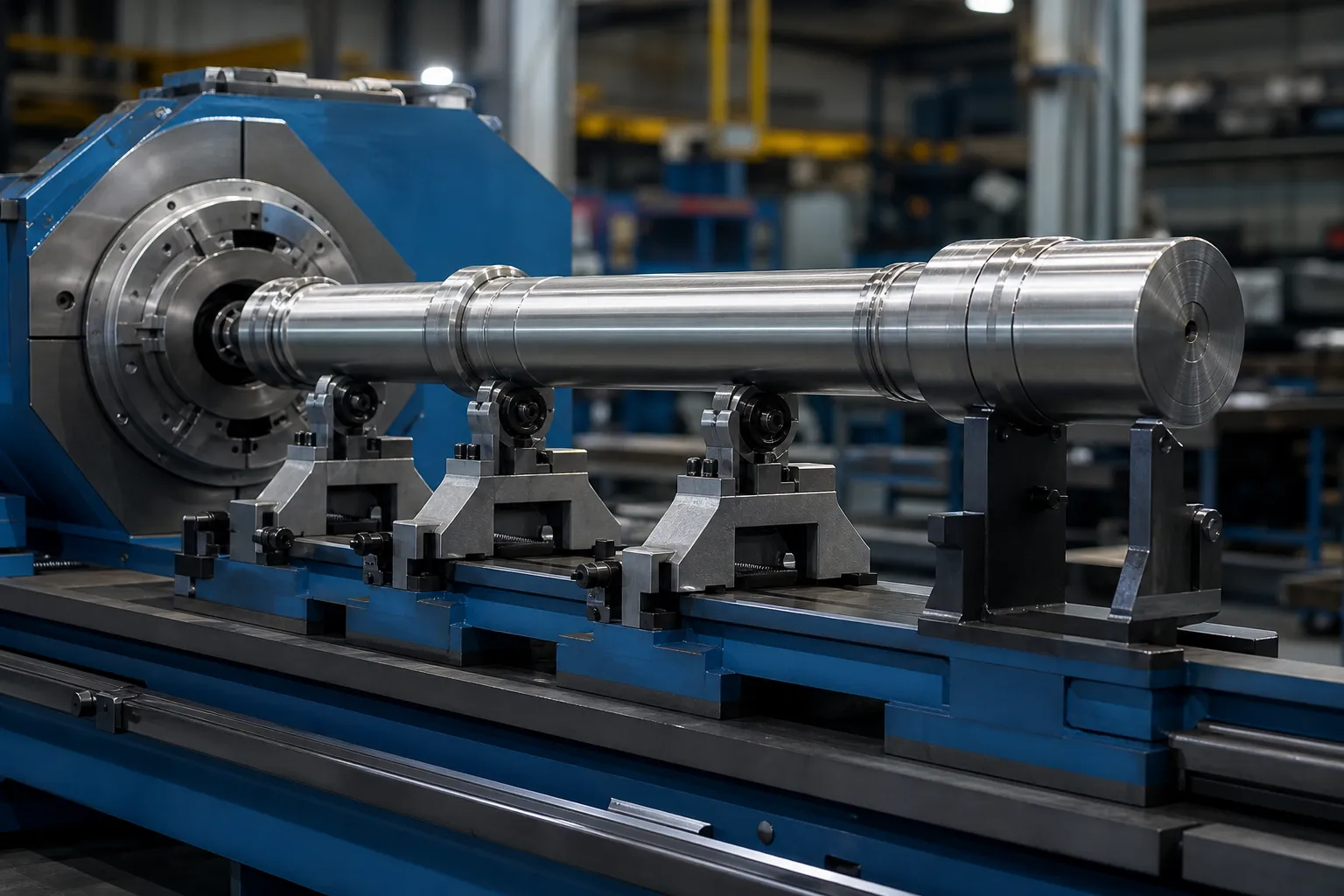
*انجینئرنگ تصور کی مثال. فکسچر کی سختی, سینسر کی پوزیشن اور گارڈنگ کے لیے پروجیکٹ کے لیے مخصوص انجینئرنگ کی ضرورت ہوتی ہے۔*
کنٹرول شدہ طریقہ کار میں سینسر کی شناخت کا احاطہ کرنا چاہیے۔, حوالہ/ماسٹر چیک, بڑھتے ہوئے حالت, کیبل تحفظ, صفر طریقہ, نمونہ واقفیت, صفائی کی حمایت کرتے ہیں, ڈیٹا کے حصول کی ترتیبات اور ڈیٹا کو برقرار رکھنا. غیر مستحکم فکسچر سے بار بار پڑھنا تکرار ہونے کا ثبوت نہیں ہے۔.
مقام کی مطابقت پذیری کریں۔, واقفیت اور ریڈنگ
ملٹی پوائنٹ ڈیٹا صرف اس وقت کارآمد ہوتا ہے جب ہر قدر کو معلوم پوزیشن اور حالت کے لیے تفویض کیا جا سکے۔. اگر حصہ گھومتا ہے یا حرکت کرتا ہے۔, انکوڈر/انڈیکس کی وضاحت کریں۔, اسٹیشن کوآرڈینیٹ, سفر کی سمت, رہائش یا نمونے لینے کی حالت, اور اگر سگنل غائب ہو تو کیا ہوتا ہے۔. نتیجہ میں نقشے کی تشکیل نو کے لیے درکار خام یا قابل سراغ ماخذ ڈیٹا کو محفوظ رکھنا چاہیے۔.
بیٹھنے اور رابطے کی جانچ کیے بغیر مقامی چوٹی کی ترجمانی کرنے سے گریز کریں۔. دوبارہ سیٹ ٹیسٹ, الٹ واقفیت جہاں مناسب اور بار بار بیس لائن ریڈز ایک جزوی خصوصیت کو غلط اشارے سے ممتاز کر سکتی ہے۔.
Choosing Station Count and Placement
How many stations, and where, is a geometry question before it is a budget question. The error modes of slender parts are smooth in space: a bend is a low-frequency curve, so a modest number of stations — placed where the physics says the information lives — reconstructs it well, while doubling the count in uninformative positions buys data volume, not accuracy. Informative positions are predictable: mid-span between supports where a bow reaches its excursion; each stiffness transition on stepped parts, where peaks like to hide; immediately beside functional features whose relationship to the datum matters; and the free ends, which anchor the map. The failure mode of sparse placement is aliasing in its practical form — a short kink sitting between two stations contributes to neither reading cleanly, and a correction aimed at the reconstructed map presses in the wrong place. The honest way to close this risk is not infinite density but a validation: map a set of parts at high density once, confirm that the production station set reconstructs the same peaks and amplitudes, and document that comparison as the station-plan justification.
Turning the Map Into a Correction Decision
The map exists to drive action, and its action vocabulary has three entries: where to press, in which direction, and how hard to expect the part to respond. Peak position and direction come from comparing stations around the maximum; on a part rotating between stations, preserving angular indexing — the synchronization discipline above — is what converts separate readings into a vector, not a pile of magnitudes. Expected response comes from the stiffness story the map already tells: a peak on a heavy section needs a different correction plan than the same amplitude on a thin one, and peaks at stiffness transitions deserve the respect described for separating bend from roundness and setup effects before any press follows. What the map must not do is trigger correction on unverified signals: a localized reading that has not survived a reseat check is a hypothesis, not a peak. That guard rail — map, تصدیق کریں, then correct, with released-state measurement closing the loop — is the same sequence that makes خودکار شافٹ سیدھا کرنا converge in few strokes instead of many.
جاری کردہ حصہ کی قبولیت سے مربوط ہوں۔
کلیمپنگ یا اصلاح کے دوران پیمائش عمل کو کنٹرول کرنے کے لیے مفید ہو سکتی ہے۔, لیکن یہ خود بخود ثابت نہیں ہوتا ہے کہ جاری کردہ شافٹ ضرورت کو پورا کرتا ہے۔. عام تغیرات میں نمائندہ نمونوں پر منظور شدہ جاری شدہ حصے کے طریقہ کار سے لائن طریقہ کا موازنہ کریں۔. دیکھیں بھری ہوئی بمقابلہ جاری کردہ سیدھے پن کی پیمائش حد کے لئے.
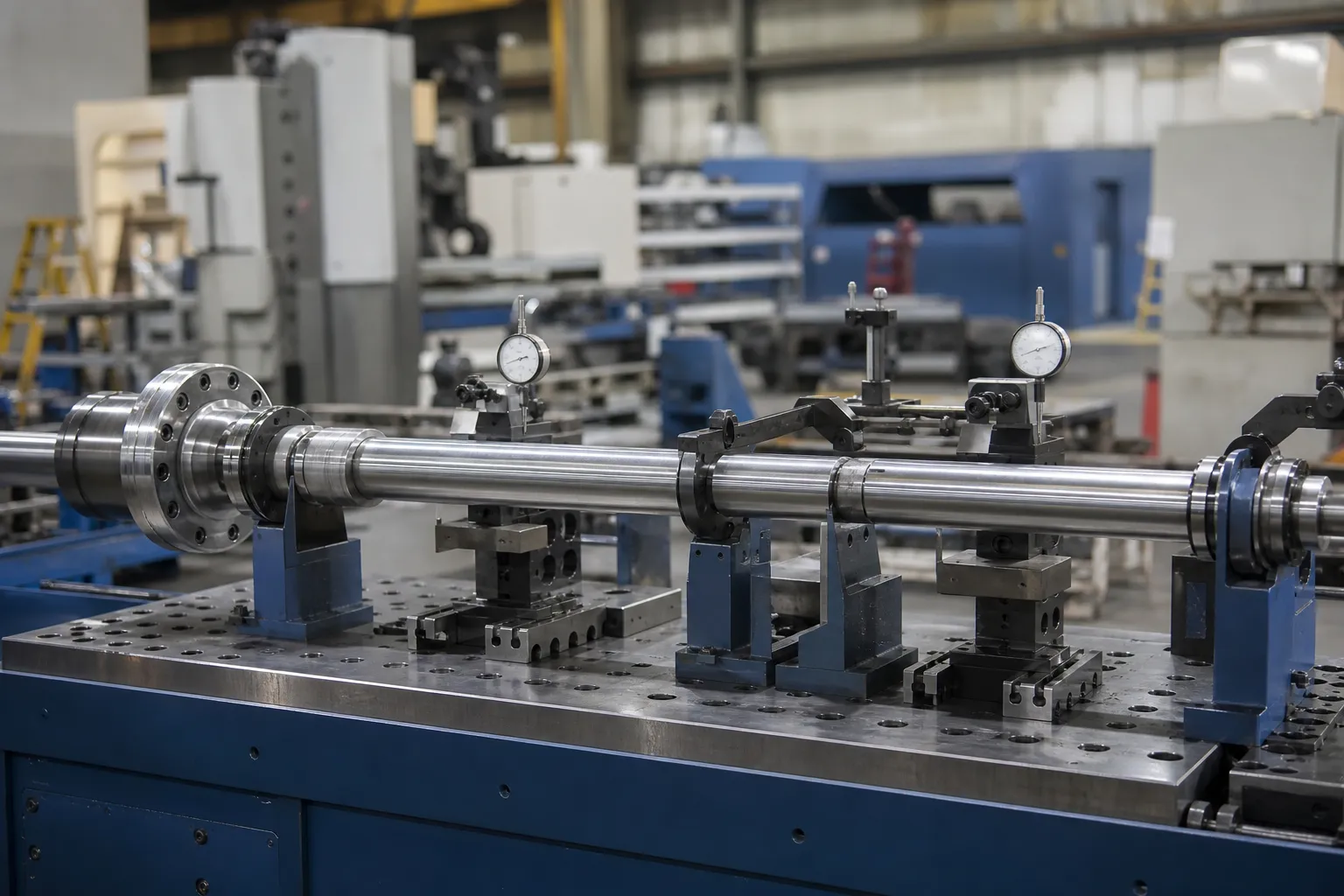
*انجینئرنگ تصور کی مثال. حوالہ کا طریقہ, حمایت اور قبولیت کے حساب کتاب کو منظور شدہ کوالٹی پلان کے ذریعے کنٹرول کیا جانا چاہیے۔*
ایک ارتباطی منصوبہ کو مماثل نمونوں کی وضاحت کرنی چاہیے۔, اندھا موازنہ جہاں عملی ہو۔, ڈیٹم/سپورٹ مساوات, انشانکن کی حیثیت, تعصب کا جائزہ, دہرانے کی صلاحیت/ تولیدی صلاحیت کا جائزہ, اجازت شدہ فرق, اضافہ اور تبدیلی کنٹرول کے قواعد. سے رجوع کریں۔ مشین گیج بمقابلہ کسٹمر گیج کا ارتباط اور گیج آر&لائنوں کو سیدھا کرنے کے لیے R.
پیمائش کے مطالعہ کے لیے درکار معلومات
ڈرائنگ اور خصوصیت کی تعریف فراہم کریں۔, موجودہ معائنہ کا طریقہ, حصہ جیومیٹری اور ڈیٹم کی خصوصیات, مواد / مینوفیکچرنگ کے مرحلے, متوقع موڑ مقامات, نمونہ آبادی, ماحولیاتی پابندیاں, مطلوبہ ڈیٹا ریکارڈ اور کسٹمر قبولیت کا طریقہ. استعمال کریں۔ سیدھا نمونہ ٹیسٹ اور قبولیت گائیڈ مقدمے کی سماعت کا ریکارڈ قائم کرنے کے لیے, پھر اسٹریٹیننگ ٹیک سے رابطہ کریں۔ درخواست کی بحث کے لیے.
سسٹم کلیم سے پہلے توثیق کی ضرورت ہے۔
Any multi-point measurement claim needs a defined probe and datum setup, کیلیبریٹڈ حوالہ جات, repeated or reseated readings on representative parts, and customer-gauge correlation. A generic machine capability is not a verified result.
اکثر پوچھے گئے سوالات
Does adding more measurement stations automatically improve accuracy?
نہیں. Stations placed where the geometry has information — mid-span peaks, stiffness transitions, functional features, ends — improve the map. Stations added elsewhere add data volume and cost while leaving reconstruction essentially unchanged. Validate the chosen set once against a dense map and document the comparison.
Why do LVDT readings drift over a production shift?
Most often thermal: سینسر, fixture and part expand at different rates as the cell warms, shifting the zero. Mechanical causes come next — bracket compliance, cable pull, tip wear. The control is procedural: a defined zero method and reference-master checks at set intervals, with any shift beyond the procedure’s limit triggering investigation rather than quiet re-zeroing.
Can multipoint LVDT data replace final inspection?
Only through correlation. In-process multipoint data drives the correction loop; the acceptance decision belongs to the released-state method the customer recognizes. When the two have a documented correlation on representative parts, the line method gains standing — until then it is process control, not release.
متعلقہ سیدھا کرنے والے ٹیک وسائل
دیکھیں خودکار شافٹ سیدھا کیسے کام کرتا ہے۔, سیدھا نمونہ ٹیسٹ اور قبولیت اور شافٹ سیدھا پن بمقابلہ رن آؤٹ بمقابلہ TIR عام کنٹرول کی حدود کے لیے جو کسی بھی قابلیت کے دعوے سے پہلے لاگو ہوتی ہیں۔ LVDT ملٹی پوائنٹ شافٹ پیمائش.
Multipoint measurement pays off at acceptance time – pair the FAT چیک لسٹ کے ساتھ جی ڈی&ٹی سیدھی قبولیت گائیڈ to agree measurement method and tolerance interpretation in one pass.