
W branży produkcji elementów złącznych, zginanie długich śrub po obróbce cieplnej jest powszechnym problemem. Tradycyjny “ręczne młotkowanie” jest nie tylko nieefektywne, ale także nie gwarantuje stałej precyzji. Ten artykuł ma charakter specjalistyczny Zautomatyzowane rozwiązanie do prostowania śrub: zademonstrowanie zgłoszonego przypadku klienta, w którym automatyzacja przeniosła 8-osobową linię ręczną do jednego operatora nadzorującego cztery maszyny, z prostotą trzymaną w środku 0.1 mm na protokołach odbioru klienta.
Co to jest Bolt?
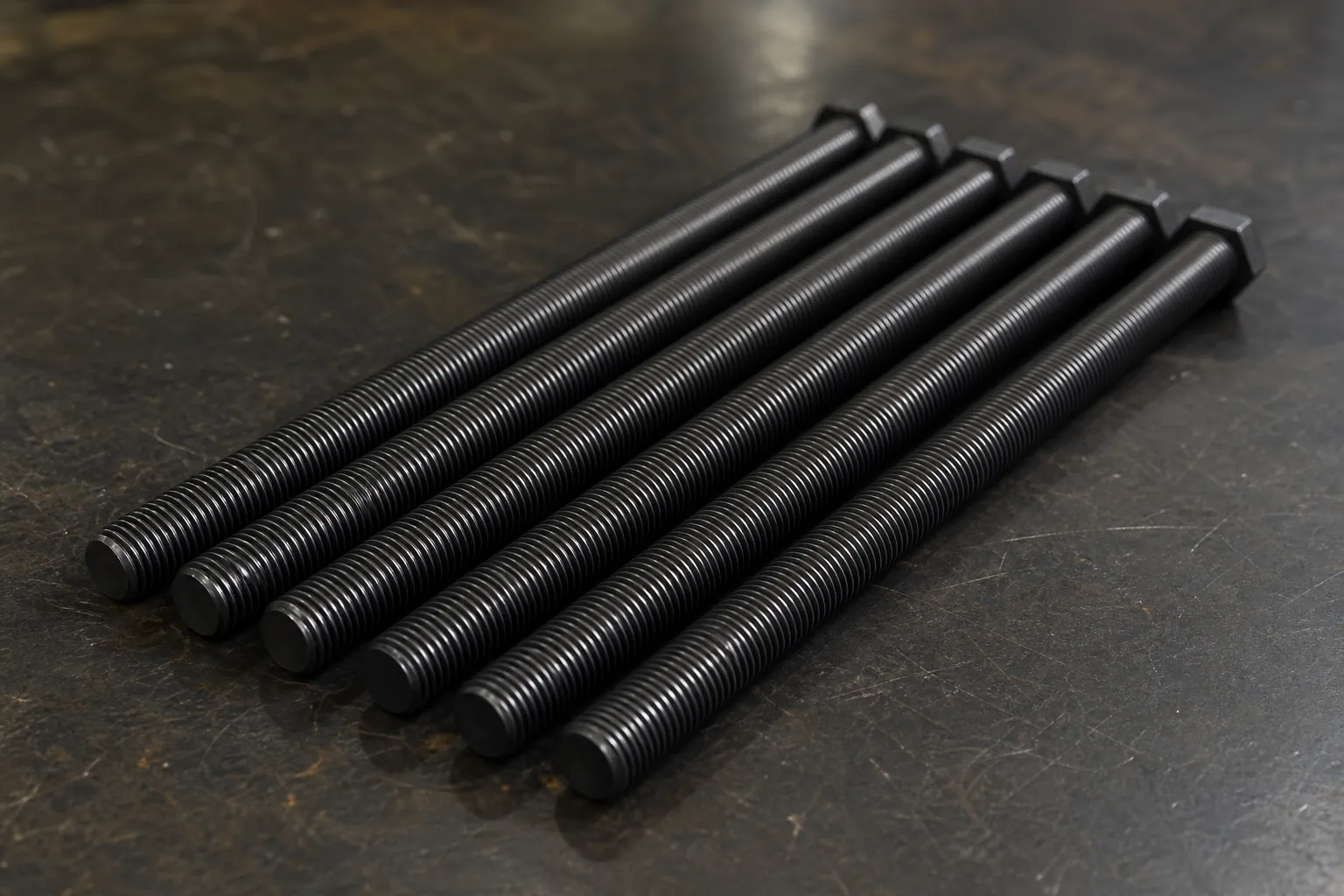
Śruby są podstawowymi elementami złącznymi maszyn, budowa, i branży motoryzacyjnej. Typowym przedmiotem obrabianym dla tego rozwiązania jest długa śruba o dużej wytrzymałości: 15średnica mm, 340długość mm.
Cechy strukturalne i wyzwania
- Wysoki współczynnik L/D: Długość 340 mm sprawia, że śruba jest bardzo podatna na początkowe zgięcie o 0,5 mm – 1.5mm po obróbce cieplnej.
- Wymagania dotyczące precyzji: Klient wymagał wewnętrznej prostoty 0.2 mm; pod którym przechowywana była dokumentacja przyjęcia sprawy 0.1 mm.
- Wymagania dotyczące ochrony: Proces prostowania musi zapewniać zerowe uszkodzenie precyzji gwintu i jakości powierzchni.
Dlaczego obróbka cieplna przede wszystkim wygina długie śruby
Zrozumienie źródła zniekształceń sprawia, że proces korekcji staje się obronny, a nie dekoracyjny. Podczas gaszenia, długi łącznik chłodzi nierównomiernie: sekcja schładza się z różną szybkością w zależności od orientacji w koszu lub uchwycie, kontakt agitacyjny, oraz lokalne różnice mas pomiędzy trzonem gładkim, długość gwintu i łeb. Każda ścieżka chłodzenia chce się skurczyć o inną wielkość, a powstałe naprężenia blokujące wyginają część podczas relaksacji. Efekt skaluje się wraz z długością — dlatego krótkie śruby nadają się do obróbki cieplnej, podczas gdy długie tego samego gatunku są systematycznie wyginane. Walcowanie gwintów i obróbka przed obróbką dodają własną historię naprężeń, a wszelkie prostowanie wykonane w urządzeniu do obróbki cieplnej liczy się jako wcześniejsze odkształcenie w odniesieniu do wszystkiego, co zostanie wykonane później.
Następują dwie praktyczne konsekwencje. Pierwszy, Kontrola przychodząca długich śrub poddanych obróbce cieplnej nie jest opcjonalną formalnością — wielkość i wzór zgięcia docierający do stacji prostowania określają zarówno plan korekty, jak i każdą rozmowę z dostawcą, a interakcja wcześniejszego odkształcenia z reakcją korekcyjną jest powodem, dla którego zachowanie przy obciążeniu odwrotnym ma znaczenie, jak opisano poniżej efekt Bauschingera w prostowaniu. Drugi, decyzje dotyczące procesów na wcześniejszym etapie — w jaki sposób części są układane w stojakach lub koszowane w procesie hartowania, czy zastosowano odprężanie — zmień rozkład widziany przez stację prostującą, i są zazwyczaj najtańszym miejscem, w którym można ograniczyć całkowitą pracę korekcyjną.
Odczytanie zagięcia przed jego skorygowaniem
Długie elementy złączne są dostarczane z niewielkim słownictwem dotyczącym wzorów zgięć, a nazwanie wzoru jest pierwszym krokiem skutecznej pętli korekcyjnej. Łuk jednołukowy — jedna delikatna krzywa, maksimum w pobliżu środka — jest najczęstszą cechą obróbki cieplnej i najłatwiejszą do skorygowania za pomocą podpór umieszczonych wokół wierzchołka. Podwójne zagięcie w kształcie litery S ma dwa przeciwne wierzchołki, zwykle odzwierciedla dwa punkty ograniczenia podczas hartowania, i żąda dwóch skoordynowanych poprawek, a nie jednego dużego naciśnięcia przy największym czytaniu. Lokalne załamanie w pobliżu łba lub bicie gwintu powoduje skupienie zniekształceń tam, gdzie zmienia się sztywność przekroju, i zachowuje się inaczej niż łuk rozproszony. Wreszcie, skręt wokół osi czasami towarzyszy zginaniu części o cechach asymetrycznych. Każdy wzór wymaga własnej mapy pomiarowej i sekwencji korekcji, dlatego automatyczna stacja, która skanuje całą długość i tworzy mapę przed naciśnięciem — zamiast gonić za pojedynczym najgorszym odczytem — osiąga zbieżność w mniejszej liczbie pociągnięć. Opisano stojącą za tym pętlę pomiarowo-korekcyjną automatyczne prostowanie wału, ogólnie, oraz dla rodziny długich śrub, szczególnie w automatyczny proces prostowania długich śrub.
Dlaczego prostowanie śrub musi odejść od “Ręczne młotkowanie”
Tradycyjny proces vs. Zautomatyzowane rozwiązanie
Poniższe liczby przedstawiają wartości bazowe i po oddaniu do użytku tego klienta, nie jest uniwersalnym punktem odniesienia dla każdej linii elementów złącznych.
| Punkt bólu | Ręczne młotkowanie / Naciśnij ręcznie | Automatyczne rozwiązanie do prostowania |
| Wymagania pracy | 8 pracowników na zmianę (ręczna linia bazowa, zgłoszony przypadek) | 1 operatora dla 4 maszyny (zgłoszony przypadek) |
| Prostota | 0.2 – 0.5 rozpiętość mm (zgłoszony ręczny poziom bazowy) | ≤ 0,1 mm (protokoły akceptacji klientów) |
| Czas cyklu | 120 – 180 s/szt (zgłoszony ręczny poziom bazowy) | 10 – 15 s/szt (zgłoszony przypadek) |
| Całkowity koszt | Wysoki koszt pracy w przeliczeniu na poprawioną część | Zmniejszono siłę roboczą z 8 operatorzy do 1 kontrola 4 maszyny (zgłoszony przypadek) |
Zautomatyzowany przebieg procesu prostowania śrub
Rozwiązanie to obejmuje w pełni zautomatyzowany proces w zamkniętej pętli, od podawania do sortowania, pewność, że każda śruba spełnia wysokie standardy dostawy.
Podstawowe opisy procesów
- Automatyczne podawanie: Wygięte śruby są automatycznie podawane z leja zasypowego do stacji prostowania, bez interwencji człowieka.
- Pomiar dynamiczny: Precyzyjne czujniki skanują obracający się przedmiot w czasie rzeczywistym, dokładne uchwycenie maksymalnego punktu zgięcia na całej długości.
- Naciśnięcie serwa: Inteligentny system automatycznie oblicza sprężynowanie na podstawie materiału (stal węglowa/stal stopowa), a siłownik wywiera precyzyjny nacisk w celu korekcji w jednym przejściu.
- Automatyczne sortowanie: Zakwalifikowane śruby przechodzą do kolejnego etapu, podczas gdy części niezgodne są automatycznie izolowane przed opuszczeniem maszyny.

Maszyna do prostowania śrub UBJ-80
Ta prostownica jest idealna do gotowych części poddawanych obróbce cieplnej (np., elementy do stemplowania/maszyny biurowej, części samochodowe/motocyklowe, narzędzia, śruby) i bary (stal, miedź, aluminium, Stal nierdzewna, stopu tytanu) o długości 60–600 mm & Średnica φ3–φ25mm. Zwiększa zarówno precyzję, jak i jakość produktu.
Podstawowe wyzwania i rozwiązania związane z prostowaniem
Wyzwanie 1: Manninga i raportowanych “1 Operatora dla 4 Maszyny” Sprawa
Opis problemu: Ręczne młotkowanie i korekta prasy zależą od umiejętności operatora, wytrzymałość i zmiana dyscypliny, dlatego poziom zatrudnienia pozostaje wysoki, a wyniki różnią się w zależności od operatora.
Rozwiązanie:
Nasze rozwiązanie wdraża pełna automatyka w pętli zamkniętej. Logika działania jest niezwykle prosta, z wbudowanymi recepturami dla różnych specyfikacji śrub. Standardowy pracownik musi jedynie okresowo napełniać zbiornik; reszta – pomiar, prostowanie, i inspekcja – jest wykonywana automatycznie przez maszynę. Rozwiązuje to niedobory siły roboczej i eliminuje spadki precyzji spowodowane zmęczeniem.
Wyzwanie 2: Gwarancja spójności z dokładnością do 0,1 mm
Opis problemu: Kiedy śruba jest poddawana uderzeniom młotka, rozkład naprężeń wewnętrznych staje się nierówny, często prowadzi do nadmiernej korekty w zlokalizowanych obszarach.
Rozwiązanie:
Rozwiązanie wykorzystuje a w pełni sparametryzowany system sterowania serwo. W przeciwieństwie do niejasnego ludzkiego osądu, czujniki wykrywają krzywiznę osiową śruby z dokładnością do mikrona. Poprzez wieloetapowe algorytmy serwo, system precyzyjnie pokonuje sprężystą sprężynę S45C lub stali stopowych, blokowanie ostatecznej prostoliniowości w obrębie 0.1 mm okna uzyskano według kwalifikowanej receptury tego klienta.
Jak chronione są obszary gwintu i łba podczas korekcji
Ochrona gwintu to problem inżynierii strefy styku, i zasady są te same, które rządzą narzędzia do ochrony powierzchni w zastosowaniach związanych z prostowaniem. Zarówno siła korekcyjna, jak i siła reakcji muszą mieć gdzie mieszkać, a na długiej śrubie gładki trzpień jest obszarem przeznaczonym do przenoszenia obciążenia, natomiast długość gwintu i zaokrąglenie pod łbem to obszary najbardziej podatne na uszkodzenia. Koncepcja ochrony składa się zatem z trzech części: umieść podpory na trzonie w kontrolowanych pozycjach rozpiętości wokół szczytu zagięcia; bezpośredni kontakt dociskowy z trzpieniem za pomocą oprzyrządowania dopasowanego do przekroju, zamiast dotykać grzbietów gwintu; i dbaj o to, aby każda krawędź, która może stykać się z przedmiotem obrabianym, była odpowiednio zaokrąglona, aby obciążenie rozłożyło się zamiast koncentrować. Czystość należy do tego samego zdania — zanieczyszczenia uwięzione pomiędzy oprzyrządowaniem prasującym a bokiem gwintu są źródłem zarysowań, a w przypadku śrub platerowanych lub powlekanych klasa powłoki określa, jak duży kontakt może w ogóle tolerować wykończenie.
Strona walidacji jest równie konkretna. Roszczenie dotyczące ochrony gwintu potwierdza kontrola uzgodniona przed rozprawą – sprawdziany do gwintów nadal działają, stan boku sprawdzany zgodnie z metodą określoną przez funkcję jakości — wraz z wynikiem prostoliniowości w stanie zwolnionym, na reprezentacyjnych częściach, po wielokrotnych konfiguracjach. Ochrona i geometria są akceptowane razem lub wcale.
Co powinien zawierać pakiet kryteriów akceptacji
Proces prostowania śrub jest tak dobry, jak definicja akceptacji, której odpowiada, a pełny odpowiada na pięć pytań pisemnie. Jaka cecha rządzi — prostoliniowość osi, zmierzył jak: na centrach, na podporach, obrotowy, w jakim stanie, ponieważ odczyt z ograniczeniem nie jest wynikiem opublikowanym, za załadowana i zwolniona praktyka pomiarowa. Jaki jest limit, oraz tam, gdzie ma to zastosowanie – pełną długość lub określone rozpiętości. Co jeszcze musi przetrwać ten proces — dopasowanie gwintu, wykończenie powierzchni, powłoka, oznaczenia głowy. Sposób pobierania próbek zgodności — każda część za pomocą automatycznego miernika, lub plan pobierania próbek z określoną reakcją na awarię. A co dzieje się z częściami niezgodnymi – limity przeróbek, uprawnienia do segregacji i rozporządzania, podążanie za Struktura sortowania i ograniczania przeróbek NOK. Kupującym porównującym dostawców produktów do prostowania, radzimy poprosić o dokładnie ten pakiet; zdolność do jej wyprodukowania mówi więcej o dostawcy niż jakakolwiek specyfikacja pojedynczej maszyny.
Sprawa produkcyjna: Czwarty wybór indyjskiego klienta
Tło klienta
Znany indyjski dostawca elementów złącznych dostarczający komponenty dla światowych marek maszyn budowlanych.
Wyniki wdrożenia
- Powtórz zamówienia: Na podstawie wyjątkowej wydajności pierwszych trzech jednostek, klient niedawno kupił swoje 4maszyna.
- Konsolidacja operatorów: Klient zgłosił, że wszystkim zarządza jeden operator 4 maszyny po uruchomieniu, przy znacznym wzroście wydajności na operatora.
- Wskaźnik jakości: Zapisy klienta podają prostotę ruchu 0.2 mm w dół do poniżej 0.1 mm po uruchomieniu.
Często zadawane pytania
- Q: Czy siłownik prostujący uszkodzi gwinty śrub?
- NIE. Zaprojektowaliśmy bezkontaktowy, amortyzowane formy ochronne specjalnie do prostowania śrub. Bloki dociskowe idealnie dopasowują się do krzywizny śruby, zapewniając równomierny rozkład siły i unikając wgnieceń powierzchniowych.
- Q: Czy sprzęt można zintegrować z systemem MES naszej fabryki??
- Tak. Nasz system sterowania wyposażony jest w standardowe interfejsy danych umożliwiające rejestrację i eksport danych dotyczących prostowania każdej śruby w czasie rzeczywistym, spełniające nowoczesne wymagania dotyczące identyfikowalności.
Dodatkowe pytania dotyczące procesu
Dlaczego śruby z tej samej partii poddanej obróbce cieplnej dostarczane są z różnymi wzorami gięcia??
Ponieważ położenie każdej części w koszu lub stojaku zapewniało inną ścieżkę chłodzenia. Zniekształcenie tłumienia jest wrażliwe na orientację, lokalny kontakt masy i pobudzenia, więc nawet identyczne śruby opuszczają obróbkę z różnymi wzorami naprężeń blokujących. Praktycznym rozwiązaniem jest mapowanie przychodzących części zamiast zakładania jednolitego błędu, i dlatego stacje oparte na skanowaniu tworzą plan korekcji poszczególnych części.
Ile przejść korekcyjnych potrzebuje długa śruba?
To zależy od wzoru, nie jest to stała liczba. Łuk jednołukowy zwykle zbiega się w jednej zaplanowanej prasie; zagięcie w kształcie litery S wymaga dwóch skoordynowanych korekt; lokalne załamania w pobliżu zmian sekcji znów reagują inaczej. Obowiązującą zasadą jest limit poprawek ustalony przed rozpoczęciem produkcji — części, które przestają odpowiadać, kierowane są do przeglądu, nie naciśnięty wielokrotnie, ponieważ każdy dodatkowy cykl plastyczny zużywa trwałość zmęczeniową i zmienia reakcję materiału.
Czy prostowanie powinno nastąpić przed czy po walcowaniu gwintu?
Trasa należy do inżyniera procesu elementów złącznych, ale kompromis jest wyraźny: korekta przed walcowaniem gwintu pozwala na wykonanie kolejnych operacji z prostego półfabrykatu, natomiast korekta po obróbce cieplnej gotowych gwintów wymaga opisanej powyżej ochrony strefy styku. Niezależnie od wybranej trasy, pakiet akceptacji musi określać, jakiego stanu dotyczy granica prostości, a weryfikacja korekcji musi zostać przeprowadzona na częściach mających ten stan.
Streszczenie
Dla fabryk elementów złącznych dążących do wysokiej wydajności i jakości, jakiś Zautomatyzowane rozwiązanie do prostowania śrub jest podstawową drogą do zwiększonej konkurencyjności. Niezależnie od tego, czy celem jest niższa załoga, czy 0.1 mm precyzja dostawy, liczby podane w tym artykule dotyczą jednego przypadku zgłoszonego przez klienta; Twoje własne wyniki zależą od rodziny śrub, definicja przychodzącego zniekształcenia i akceptacji.
Przejście od ręcznej korekcji śrub do automatyzacji? The ręczna a automatyczna logika wyboru i Obudowa ROI do automatycznego prostowania to naturalne kolejne kroki.
Jeśli masz problemy z zarządzaniem pracą lub wąskimi gardłami w zakresie precyzji, nie krępuj się Skontaktuj się z nami dla dostosowanej propozycji technicznej.