
מבחן קבלה למפעל אינו הדגמת מכונה קצרה. למערכת יישור, FAT צריך לאמת את משפחת חלקי העבודה המוסכמת, ציור מבוקר, שיטת מדידה, מסלול תיקון, קבלת המדינה המשוחררת, בְּטִיחוּת, רשומות ותהליך של פריט פתוח לפני המשלוח. זה לא מחליף את קבלת האתר, בדיקות שירות/ממשק לקוחות, אימות התקנה סופי או עדות ייצור מתמשכת.
מדריך זה מהווה מסגרת חוזה ואיכותית. היא אינה טוענת ש-StrighteningTech משתמשת בפרוטוקול FAT מסוים, מספק כל מסמך או יכול לקבל מכונה ללא הסכם ספציפי ללקוח. החוזה, URS, סקירת סיכונים ותוכנית קבלה מבוקרת מגדירים את ההיקף הסופי.
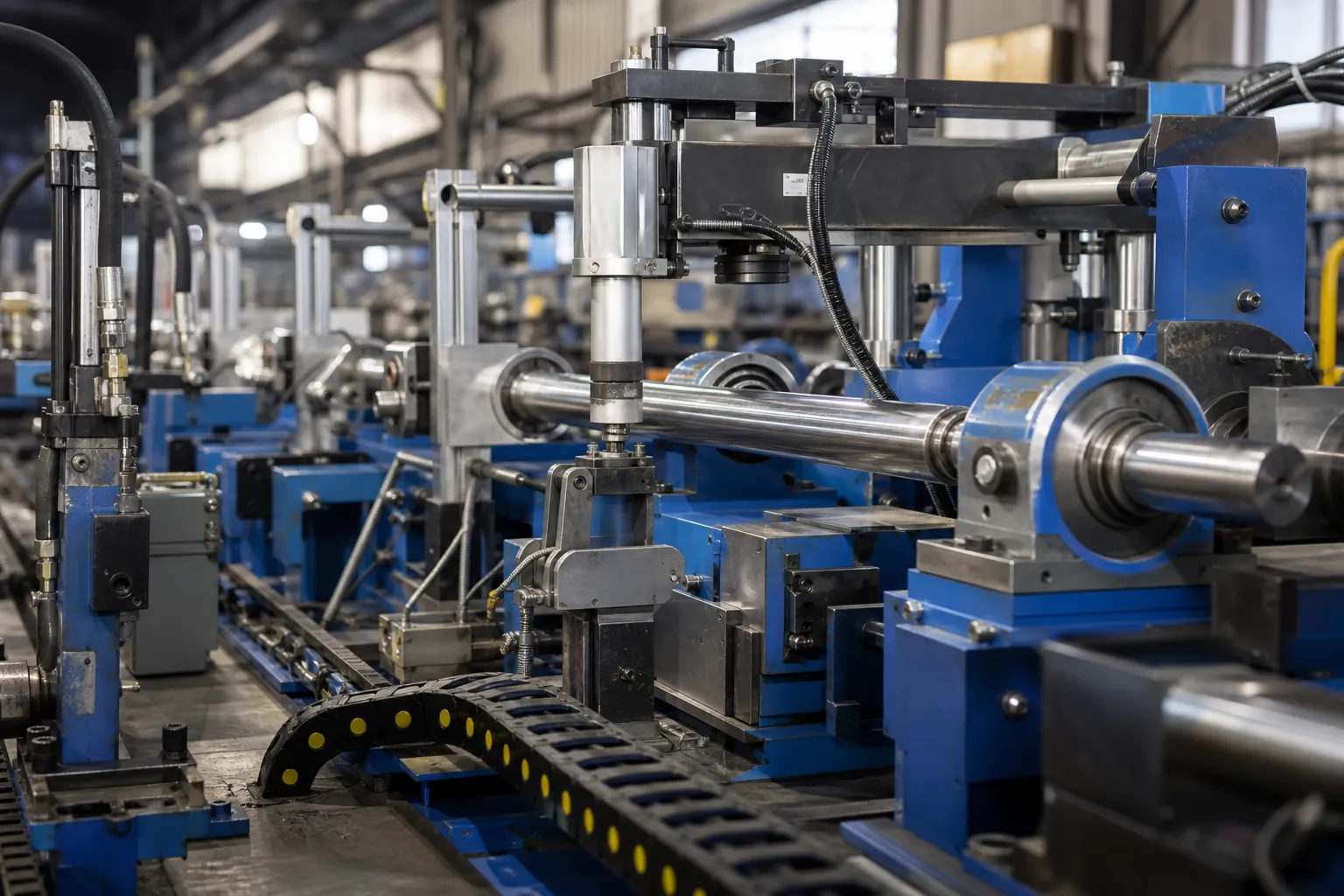
*איור קונספט הנדסי. הוא מייצג קונטקסט של תהליך FAT מועמד, לא הוכחה למכונה מסוימת, פונקציית בטיחות או תוצאת ביצועים התקבלו.*
הקפאת כניסות השומן לפני הבדיקה
אשר את תצורת המכונה, דוגמאות מבוקרות של חלקי עבודה, תיקוני ציור, שלב החומר/תהליך, נָתוּן, מד לקוח, מאפייני קבלה, אזורי מגע מותרים, תנאי בדיקת היעד, שדות נתונים, דרישות בטיחות וחותמים אחראיים. בדיקה לא יכולה להוכיח דרישה לא מוגדרת.
| קלט FAT | למה זה חשוב |
|---|---|
| דגימות נציג וגבולות | מדגים את המשפחה המוסכמת, לא רק חלק הדגמה קל |
| לקוח/מד מאושר | מחבר את קריאות השורות לשיטת הקבלה המיועדת |
| ציור ודאטום | מגדיר את המאפיין המאומת בפועל |
| עדכון תהליך/מתכונים | מונע מבדיקה להשתמש בהגדרות לא מאושרות |
| היקף בטיחות וטיפול | מבטיח שהבדיקה מכסה שומרים, שלובים ותנועת חלקי עבודה |
What a FAT Can and Cannot Certify
The honest scope of a factory acceptance test is narrow and valuable: it certifies that, on the agreed day, with the agreed parts, gauges and witnesses, the system performed the defined sequence and produced the defined records. It does not certify sustained capability — that accrues from weeks of production data after installation, which is what site acceptance and early-production reviews sample. It does not certify every future part variant — each new family carries its own qualification. And it does not certify the customer’s own processes — staffing, material flow, gauge maintenance — which determine much of real-world performance, כפי שנדון ב manual versus automatic straightening. Writing this boundary into the FAT plan protects both sides: the buyer knows what evidence they are buying, and the supplier is not held to an open-ended demonstration.
Designing the Challenge Parts
The weakest FATs demonstrate the machine on the easiest available parts; the strongest exercise it on parts chosen to probe the edges of the agreed scope. Designing those challenge parts is a joint exercise with a short checklist of its own. Geometric edge: include at least one part with the worst incoming distortion the production contract expects, because a machine that only proves itself on moderate bends has not demonstrated its working range. Family edge: if the contract covers a range of diameters or sections, the FAT samples both ends of the range, not the comfortable middle. Event edge: deliberately include a part that must be routed hold or NOK, to prove the exception path — many machines that pass every good part have never demonstrated what happens with a bad one until it matters. Condition edge: reseating, a changeover within the agreed scope, and a recovery from an interrupted cycle each test the state machine rather than the press. None of these is a trap; every one is a scenario production will deliver within the first month, and the factory floor is the cheapest place to see the response for the first time.
ודא מדידה וקבלה של מצב משוחרר
FAT אמור לתעד גיאומטריה נכנסת, הגדרת הנתונים, תחנות מדידה, אירועי תיקון, מדידה מחדש של מצב משוחרר, בדיקת משטח/תכונה וההשוואה לשיטת הייחוס המאושרת. קריאה בכוח או בריסון זמני אינה תוצאת קבלה סופית אלא אם הוגדרה במפורש בהסכם.
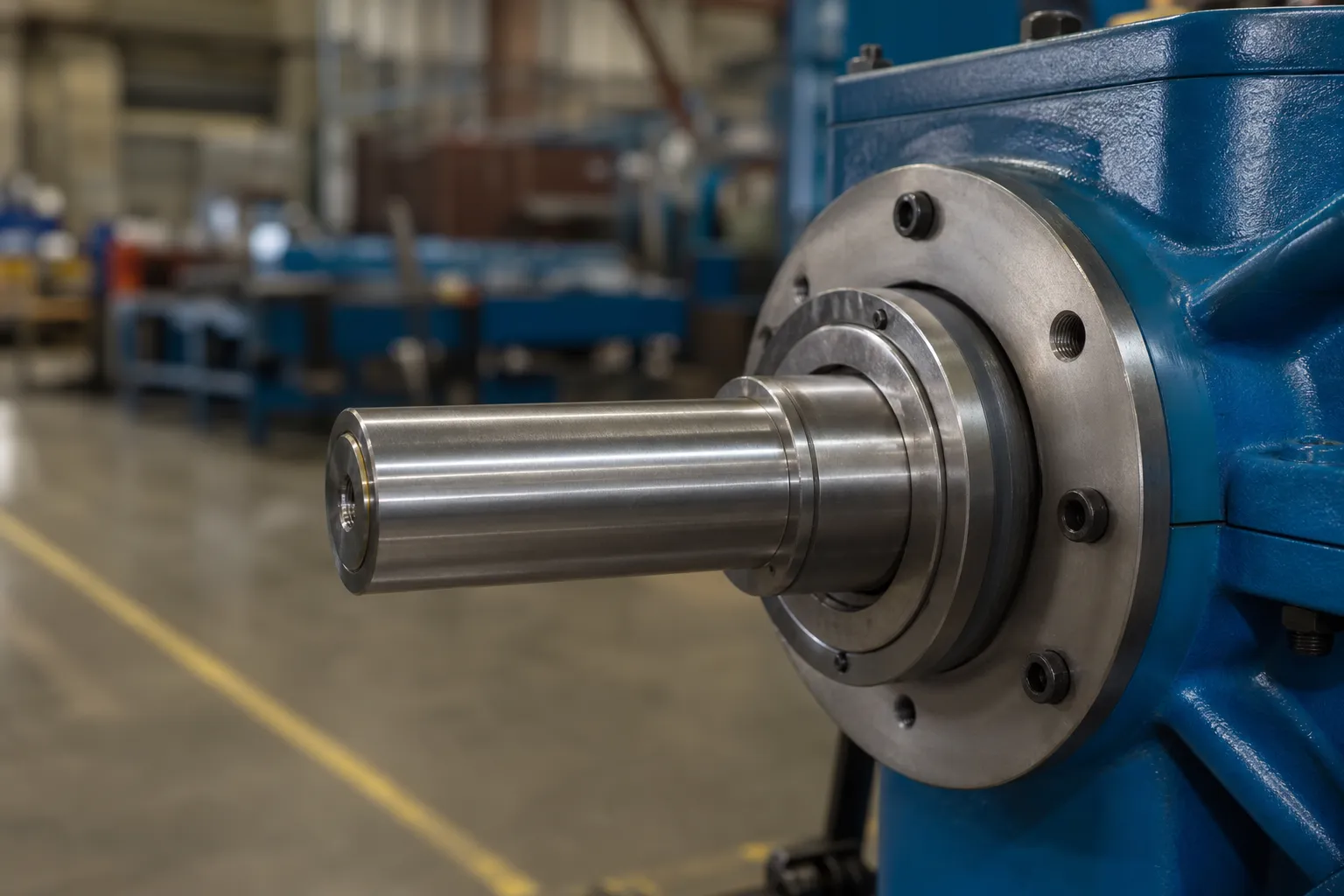
*איור קונספט הנדסי. הוא מדגיש אימות של מדינה משוחררת; זה לא רשומת FAT של לקוח או הוכחה לשיטת קבלה אוניברסלית.*
לְהִשְׁתַמֵשׁ מדידת ישרות עמוסה לעומת משוחררת and machine gauge versus customer gauge correlation to define the measurement boundary.
בדוק את התהליך, לא רק החלק הטוב ביותר
כלול חלקים רגילים מייצגים וחלקי אתגר/גבול מוסכמים. תנאי האתגר עשויים לכלול מצב גיאומטריה מוצהר, שונות במשפחת המוצרים המותרים, החלפה תקפה, אירוע החזקה/NOK מבוקר, בדיקה חוזרת או תרחיש אחר שאושר על ידי הלקוח. המטרה היא לא לכפות כישלון; זה לאמת את התגובה והרשומות שהוגדרו.

*איור קונספט הנדסי. זה מראה בחירת שיטה ספציפית לחומר עבודה, לא טענה שכל וריאנט מועמד שייך לתחום ה-FAT.*
בדוק בטיחות, נתונים ומסלולי חריגים
ודא את השמירה המוסכמת, פונקציות עצירה, טיפול באמצעי הגנה, אַזעָקָה, רשומות נתונים, זיהוי מתכון/גרסה, פונקציות עקיבות כאשר חוזה, וניתוב PASS/NOK/חזק. תצוגה המראה סטטוס אינה מספיקה: ה-FAT צריך להגדיר מה האתגר, התגובה הנצפית, הראיות שנשמרו ומי אישר אותן.
עבור בקרות קשורות, לִרְאוֹת מגבלות מיון ועיבוד חוזר של NOK and straightening-line traceability and DMC.
רשום סטיות ופריטים פתוחים
כל סטייה צריכה לזהות את הדרישה, עֵדוּת, פְּגִיעָה, בַּעַל, פעולה מתקנת, תאריך יעד ושיטת סגירה. השלמת FAT לא אומרת שכל הסטיות נעלמות; זה אומר שהנטייה המוסכמת מתועדת. פתח פריטים המשפיעים על הבטיחות, הקבלה או תוכנית התקנת האתר חייבת להתבצע ב-SAT ובמסירה סופית.
The Measurement Segment Deserves Its Own Agenda Item
Between the mechanical demonstration and the paperwork, the measurement segment of a straightening FAT is where acceptance substance lives, and it deserves explicit time on the agenda rather than leftovers. Three demonstrations earn their place. The reseat demonstration: a witness part measured, unloaded, reloaded and remeasured, with the spread on record — this is the machine’s measurement floor, and every later agreement about tolerances silently rests on it. The released-state demonstration: parts remeasured after correction force and restraint are removed, לְכָל loaded versus released discipline, so the report values are the values that ship. The correlation demonstration: the same parts read on the machine and on the customer’s reference method, with the comparison on record. Whether a full גייג ר&לימוד ר belongs inside the FAT or follows as a site activity is a scoping decision — but a FAT that measures nothing, measures only under force, or measures only with the supplier’s own gauge has documented a demonstration, not an acceptance.
Recognizing a Weak FAT Before You Sign It
Weak acceptance tests share a recognizable signature, and naming it helps buyers push back and suppliers self-correct. The golden-part pattern: the same easy workpiece, prepared in advance, demonstrated repeatedly while nothing from the contract’s boundary conditions appears. The undefined-condition pattern: readings quoted without stating support, restraint or gauge — numbers floating free of method. The exception-path silence: the test ends without ever routing a hold or NOK part, so the sorting logic and its records are untested at handover. The retrospective paperwork: records assembled after the test from memory, which fails the first audit that asks for contemporaneous evidence. And the disappearing open items: deviations acknowledged verbally at the test that surface in no document, no owner and no SAT carry-forward. Any one of these is a reason to extend the FAT, not a reason to renegotiate its meaning afterward.
רשימת שומן
- דגימות מבוקרות, ציורים, מודים ושיטת קבלה זמינים;
- תְצוּרָה, זוהו מתקן/כלים ותיקון מתכון;
- הוכחה שיטת מדידה/נתון ומצב משוחרר;
- חלקי גבול/אתגר רגילים ומוסכמים נרשמו;
- הגנת משטח/תכונה ובדיקות עצמאיות נדרשות מטופלות;
- בְּטִיחוּת, טיפול, נבדקו אזעקות ותגובת חריגה;
- רשומות, מעקב/ייצוא היכן שחוזה ודרישות גיבוי נבדקו;
- סטיות, פריטים פתוחים, הבעלים ורשימת ההעברה של SAT מתועדת;
- רשויות איכות של לקוחות/ספקים חותמות על הדוח המוסכם.
להתקנה באתר ותפעול מתמשך, use straightening machine SAT checklist after FAT. להוכחות לדוגמה, לִרְאוֹת בדיקת מדגם יישור וקבלה.
שאלות נפוצות
האם FAT מוכיח יכולת ייצור סופית?
לֹא. FAT מאמת את היקף בדיקת המפעל המוסכם. תנאי האתר, ממשקי לקוחות, הַתקָנָה, מדידות וייצור מתמשך דורשים SAT וראיות נוספות.
האם ריצה יבשה קצרה יכולה להחליף את קבלת חלקי העבודה?
לֹא. FAT זקוק לדגימות מבוקרות, שיטת נתון/מד, אימות מדינה משוחרר ותגובה מתועדת לתנאים המוסכמים.
האם ניתן להתעלם מפריט פתוח לאחר FAT?
לֹא. חייב להיות בעלים מתועד, סיכון/נטייה ותוואי סגירה, לעתים קרובות נשא לתוך SAT.
How many parts should a straightening FAT process?
Enough to cover the agreed matrix, not a fixed count: representative normal parts from the family, the geometric and family-edge challenge parts, and at least one part routed to hold or NOK to demonstrate the exception path. The contract scope defines the matrix; the test plan should list each part and what it is there to demonstrate.
Should a gage R&R study be part of the FAT?
It depends on scope and schedule. The FAT should at minimum demonstrate reseating repeatability, released-state measurement and correlation to the customer gauge. A full repeatability-and-reproducibility study is often better executed at site with the customer’s own operators and environment — but then it must appear in the SAT plan, not disappear between the two documents.
Who should witness the FAT?
The buyer’s quality function, not only procurement. The people who will own acceptance records, maintain the gauges and answer for the line’s disposition logic are the right witnesses for reseat spreads, released-state readings and exception-path behavior — and their signature on the report is what makes it an acceptance rather than a demonstration.