
Elevator guide rail straightening is a manufacturing-stage geometry process. It is different from aligning installed rails in a hoistway. A production route must control the rail section, reference faces, дължина, лък, странично почистване, усукване, surface condition and the interfaces to machining, inspection and packing.
This guide is a workpiece-based engineering framework. It does not claim that StraighteningTech currently handles a particular rail profile, дължина, production rate or acceptance tolerance. Those points require a drawing review, representative rails, measurement agreement and a validated sample process.
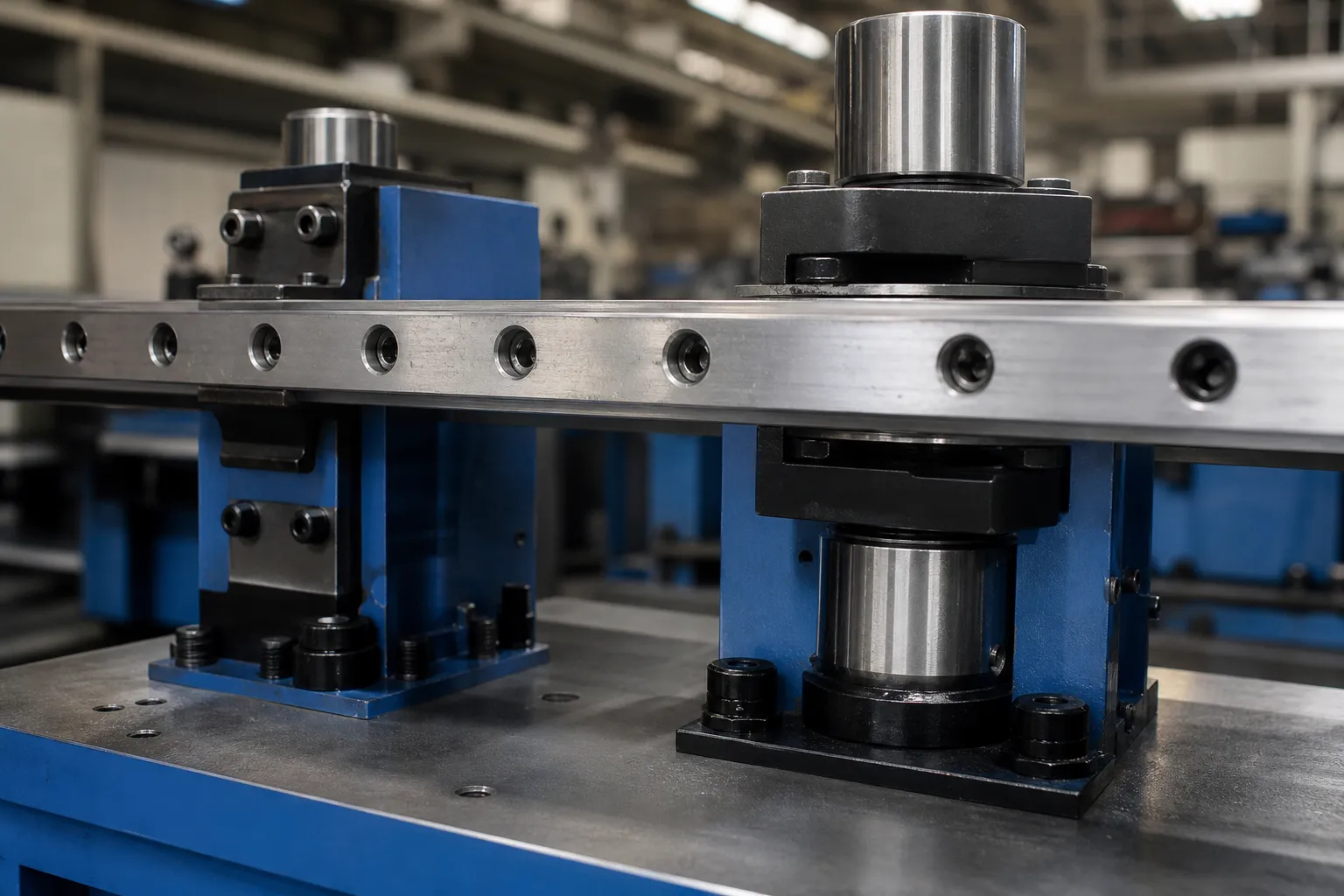
*Илюстрация на инженерна концепция. It depicts a candidate manufacturing-stage rail process, not an installed-elevator alignment service or a delivered-machine record.*
Отделете изправността на производството от подравняването на монтажа
Резултатите от търсенето на машини за направляващи релси за асансьори включват специални машини за изправяне, производствени линии за водачи и въпроси за монтаж. Производственият въпрос е дали доставената релса отговаря на контролираните геометрични изисквания, след като всички корекционни сили са премахнати. Подравняването на инсталацията се отнася до сградата, скоби, фуги и теренно проучване. Те се нуждаят от отделни системи за измерване и не трябва да се комбинират в една декларация за приемане.
| Обхват | Типичен контролиран проблем | Не замествайте |
|---|---|---|
| Производство на релси | Геометрия на сечението, надлъжен лък, странично почистване, усукване и състояние на повърхността | Полева проверка на отвеса или разстоянието между релсите |
| Интеграция на производствена линия | Храна, изправяне, рязане, механична обработка, интерфейс за проверка и опаковане | Обещание, че всяка конфигурация на линия е доставена |
| Монтаж на подемник | Скоби, подравняване на фугите и вертикалност в сградата | A factory straightening result |
The market structure supports this separation: Senbo представя специално оборудване за изправяне на направляващи релси, докато Co-effort представя обхвата на линията за производство на направляващи релси. Полезната архитектура на сайта държи решението за детайла отделно от направляваща релса за асансьор, ръководство за закупуване на производствена линия.
Свързаните теми за производствена геометрия включват линейно изправяне на водеща релса и изправяне на железопътни релси. Те изискват собствена секция, преглед на данните и процеса; нито е заместител на квалификацията за асансьорна релса.
Определете релсовия участък, Дата и карта на грешките
„Изправеността на релсата“ е непълна до секцията, reference faces, обхватът на дължината и условията за измерване са посочени. Т-образен или друг асиметричен профил може да покаже вертикален лък, странично измитане и усукване едновременно. Подпорният модел може също да създаде очевидна геометрия, ако релсата провисне под собствената си маса или почива непостоянно.
Инженерният преглед трябва да бъде замразен:
- релсов чертеж, профилен вариант, дължина и етап на производство;
- еталонни лица, разрешени поддържащи зони и козметични или функционални защитени зони;
- характеристиката на приемане за всяка равнина и метода, използван за нейното изчисляване;
- дали усукването е контролирано, как се индексира ориентацията, и как се третира умишлената вариация на раздела;
- разпределение на входящата грешка, условия на работа и референтния габарит или контролно приспособление;
- механична обработка, рязане, присъединяване, опаковане и интерфейси надолу по веригата, които могат да въведат отново изкривяване.

*Илюстрация на инженерна концепция. Той показва възможен подход за измерване на цялата дължина; действителните позиции на сензора, разстоянието и точката трябва да бъдат валидирани за фамилията релси.*
Откъде идва изкривяването на релсите
Водещата релса натрупва своята геометрична история много преди да достигне станция за изправяне. Търкалянето оставя остатъчно напрежение през сечението, неравномерно разпределени между главата и мрежата на профила; охлаждането върху леглото на мелницата добавя собствено поле. Изправянето, извършено в мелницата, се счита за история — релса, която е била ротационно изправена нагоре, пристига с частично изразходван бюджет за деформация и променен отговор на допълнителна корекция, покриваното поведение при обратно зареждане ефектът на Баушингер. Нарязването на дължина освобождава ограничението в краищата, поради което крайната геометрия често се различава от поведението на средната дължина. Обработката на водещите повърхности премахва повърхностния материал и позволява асиметричното отпускане на скритите напрежения. И манипулирането пише последната глава: дълга релса, повдигната на грешни точки, или съхраняван изправен под собствената си тежест, събира завои, които не е предвиден от процес нагоре по веригата. Всеки източник прогнозира своя собствен подпис - къде се намират върховете, дали доминира sweep или twist — и четенето на този подпис от входящата карта е това, което превръща корекцията от общо натискане в планиран маршрут.
Механичната личност на T-секция
Асиметричната релсова секция не е кръгла лента с ъгли. Неговата твърдост се различава в зависимост от посоката - огъването около едната ос на профила среща много по-голямо съпротивление, отколкото около другата - така че вертикалният лък и страничното движение не са две показания на един проблем, а две различни механични реакции, всяка със собствена икономика на корекцията. Отвореният профил също е чувствителен към усукване: умерено усукване около надлъжната ос измества водещите повърхности в краищата в противоположни посоки, поради което една релса може да измерва приемливо за лък на всяка станция и все пак да представлява усукана функционална повърхност на обувките на автомобила. А самите направляващи лица са функционалният продукт: те са там, където контактът е както механично необходим за измерване, така и козметично или функционално ограничен, напрежението, което прави инструментална практика за повърхностна защита и консервативен избор на контактна зона - както изисква разделът по-горе - неотделимо от геометричния план. Същата логика на първо място на асиметрията управлява обсъжданите структурни профили Изправяне на I-греда и H-греда.
Измерете лък, Размахване и усукване като различни сигнали
Една релса може да изглежда права в един изглед, но да се провали в друг. Процесът трябва да картографира договорените станции и посоки преди корекция. Вертикален лък, страничното изместване и усукване трябва да се съхраняват като отделни характеристики, не се комбинират в обща стойност на „огъване“..
| Характеристика | Въпрос за измерване | Инженерни последствия |
|---|---|---|
| Вертикален лък | Коя опорна равнина и обхват определят резултата? | Определя посоката на опора и корекция |
| Странично почистване | Дали лицето на мрежата или ръководството се препраща последователно? | Може да се нуждае от различна ориентация на корекцията |
| Twist | Кои лица установяват ъглова ориентация? | Не може да се направи извод от една линейна сонда |
| Сигнал за фиксиране/провисване | Повторно поставяне или променен модел на опора променя ли показанието? | Изисква преглед на настройката преди корекция |
Дългата поддръжка има значение. Карта на измерване, която се променя, когато опорите се преместват, все още не е надеждна корекционна карта. Следователно ръководството трябва да разграничава поведението в свободно състояние от състоянието на контролирана поддръжка, използвано от чертежа и проверката на клиента.
Изберете консервативно зоните за контакт и корекция
Корекцията на кандидата може да включва контролирано натискане на точки, изправяне на ролка или друг специфичен метод. Изборът зависи от геометрията на релсата, материално състояние, модел на грешка, достъпни контактни зони и преглед на повърхностния риск. Последователността на точкова корекция за кръгъл вал не може просто да бъде копирана върху асиметрична релса.
Преди съдебен процес, дефинирайте одобрените опори, реакционен път, точки на натоварване, защитни контактни материали, контроли за ориентация и максимални опити за корекция. Не прилагайте сила върху повърхност само защото е достъпна. Обработени направляващи лица, reference faces, характеристиките на връзката и козметичните зони може да изискват защита или могат да бъдат забранени като точки за контакт.
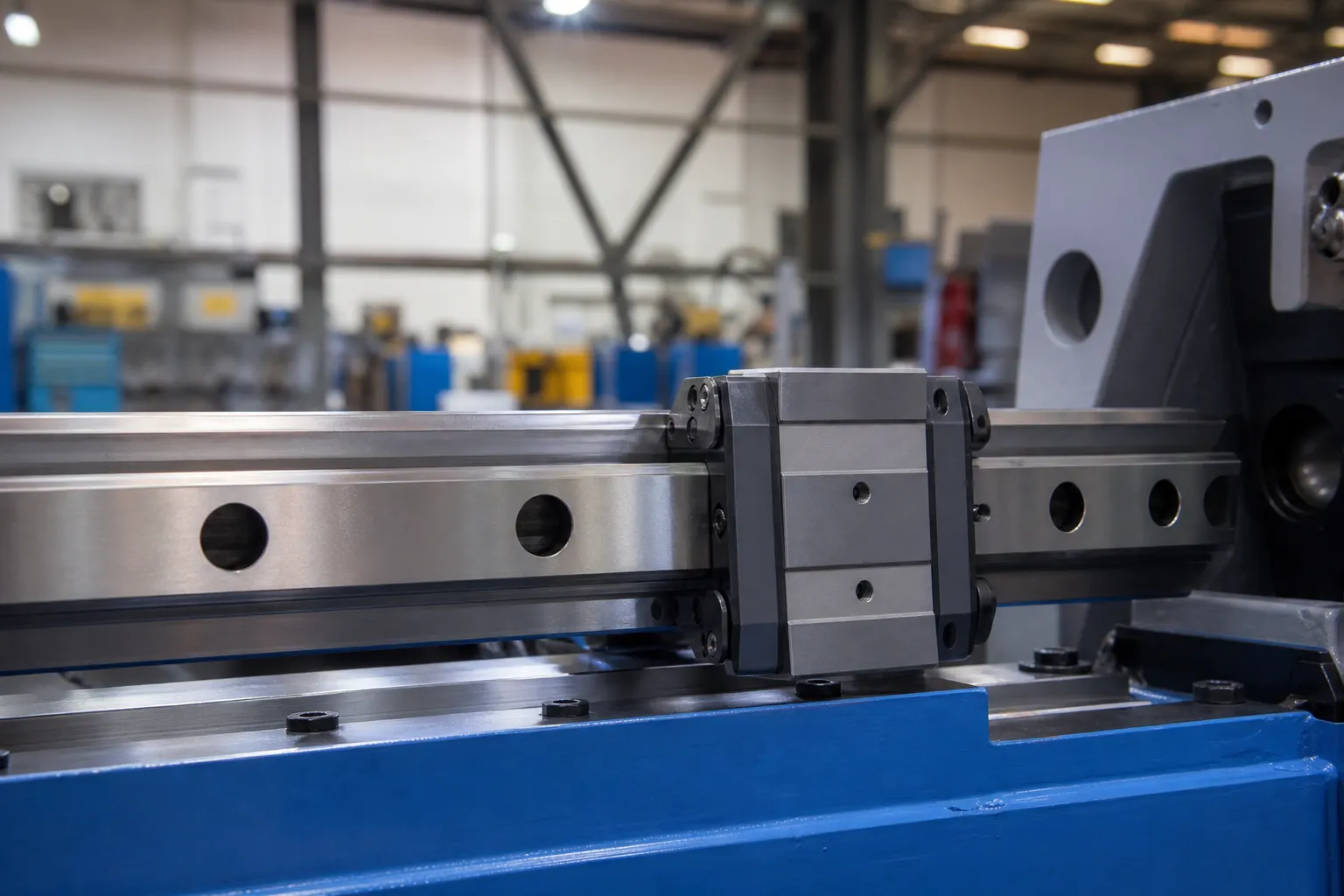
*Илюстрация на инженерна концепция. Той разграничава възможния проблем с ъглова корекция от обикновеното вертикално пресоване; това не доказва, че определена релса или машина поддържа корекция на усукване.*
Използвайте цикъл Измерване–Коригиране–Освобождаване–Повторно измерване
Окончателното решение за приемане трябва да се основава на освободената релса. Временно отчитане, докато релсата е задържана от инструменти или под коригираща сила, не доказва окончателната геометрия.
- идентифицирайте семейството на релсите, ревизия на чертежа и етап на производство;
- огледайте за щети, грешен профил, неодобрено състояние на повърхността или деформация извън обхвата;
- заредете частта в одобрената ориентация и проверете позицията на опората;
- улови вертикала, карта на страничните и ъглови грешки, изисквана от плана за приемане;
- изберете разрешения план за корекция и защитете всички зони без контакт;
- приложете постепенна корекция в рамките на одобрения лимит;
- освободете напълно силата и задръжките;
- преизмерете, запишете разположението и насочете релсите без напредък към инженерния преглед.
Изградете примерния тест около потребителския показател
The sample plan should compare the machine method with the customer's controlled reference method. Той трябва да включва типични и най-лоши входящи релси, повторете проверките за настройка, показания за освободено състояние, проверка на повърхността, проследимост и дефиниран маршрут за релси, които се нуждаят от многократна корекция или не реагират.
| Елемент за приемане | Доказателства, необходими преди иск за производство |
|---|---|
| Поклон, изметете и завъртете | Необработени показания преди/след, свързани с базовите точки на чертежа и обхватите |
| Повторяемост на приспособлението | Поставете отново проучването и записа на състоянието на опората |
| Повърхностна защита | Одобрени критерии за проверка и снимки или доклади |
| Боравене и линеен интерфейс | Квалифициран трансфер, ориентация и преглед на безопасността |
| Пропускателна способност и автоматизация | Време, валидиран пробег за договореното семейство релси |
Необходима информация за преглед на изправяне на направляваща релса на асансьора
Предоставяне на контролирани чертежи на релси и варианти на профили, дължина, материал и етап на производство, входящи геометрични данни, дата и метод на приемане, разрешени опорни и контактни зони, повърхностни изисквания, производствена цел, ограничения за обработка и представителни релси. След това StraightenTech може да прегледа измерванията на кандидата, архитектура за поддръжка и корекция и дефиниране на доказателството за проба-тест, необходимо преди да бъде предложена конфигурация на машината.
ЧЗВ
Това ръководство за монтаж-подравняване на асансьор ли е?
не. Тази страница обхваща геометрията на фабричното производство. Подравняване на подемника, скобите и монтажът на място изискват отделен обхват.
Може ли една коригираща станция да контролира лък и усукване?
Не автоматично. Поклон, страничното изместване и усукване изискват отделно определени базови точки, следи за измерване и валидиране на корекцията.
Може ли да се приеме релса, докато е захваната?
не. Приемането трябва да следва договореното състояние на освобождаване. Затягането може да прикрие пружинирането или провисването.
Може ли раздел, дължината или времето на цикъла се определят от тази статия?
не. Тези стойности изискват проверено семейство релси, способност на машината, преглед на инструменталната екипировка и тест на представителна извадка.
Защо един и същ профил на релсата се изкривява по различен начин в партидите?
Тъй като мелничните условия на валцуване, позиция на охлаждащото легло, Историята на изправянето нагоре по веригата и съхранението варират много до много, и всеки записва различен модел на остатъчен стрес в раздела. Практическият отговор е входящо картографиране за партида, а не единична наследена рецепта за корекция.
Точковото пресоване или изправянето с ролка е по-добро за водещите релси?
Нито едно от двете не е по подразбиране. Точковото натискане е дискретно, картографирани върхове върху асиметричен участък с определени контактни зони; ролковите методи отговарят на непрекъсната корекция на съвместими секции при обем. Границата между маршрутите - и доказателствата за проба-тест, изисквани от всеки - следва преса срещу ролково изправяне сравнение, приложени с оглед на защитените повърхности на релсата.
Как се появява усукването, когато се използват само линейни сонди?
Като противоположно изместване на едно и също лице в противоположните краища - модел на четене, който изглежда като противоречиви лъкове от една следа на сондата. Потвърждаването на усукване се нуждае от измерване, съобразено с ориентацията, върху определени лица на множество станции, поради което картата на грешките съхранява bow, sweep и twist като отделни характеристики, а не една комбинирана стойност.
Преминаване от ръчна корекция на водещата релса на асансьора към автоматизация? The ръководство за избор на изправител за валове, тръби и профили и на машина за изправяне FAT контролен списък са естествените следващи стъпки.