
Изправянето често включва огъване на материал в посока, свързана с предишната му история на деформация. Ефектът на Баушингер е концепция за поведението на материала, използвана, за да опише как предишната пластична деформация може да промени поведението на провлачване при обратно натоварване. Това помага да се обясни защо едно общо правило за корекция може да не се прехвърля между материални състояния, формиране на истории или партиди.
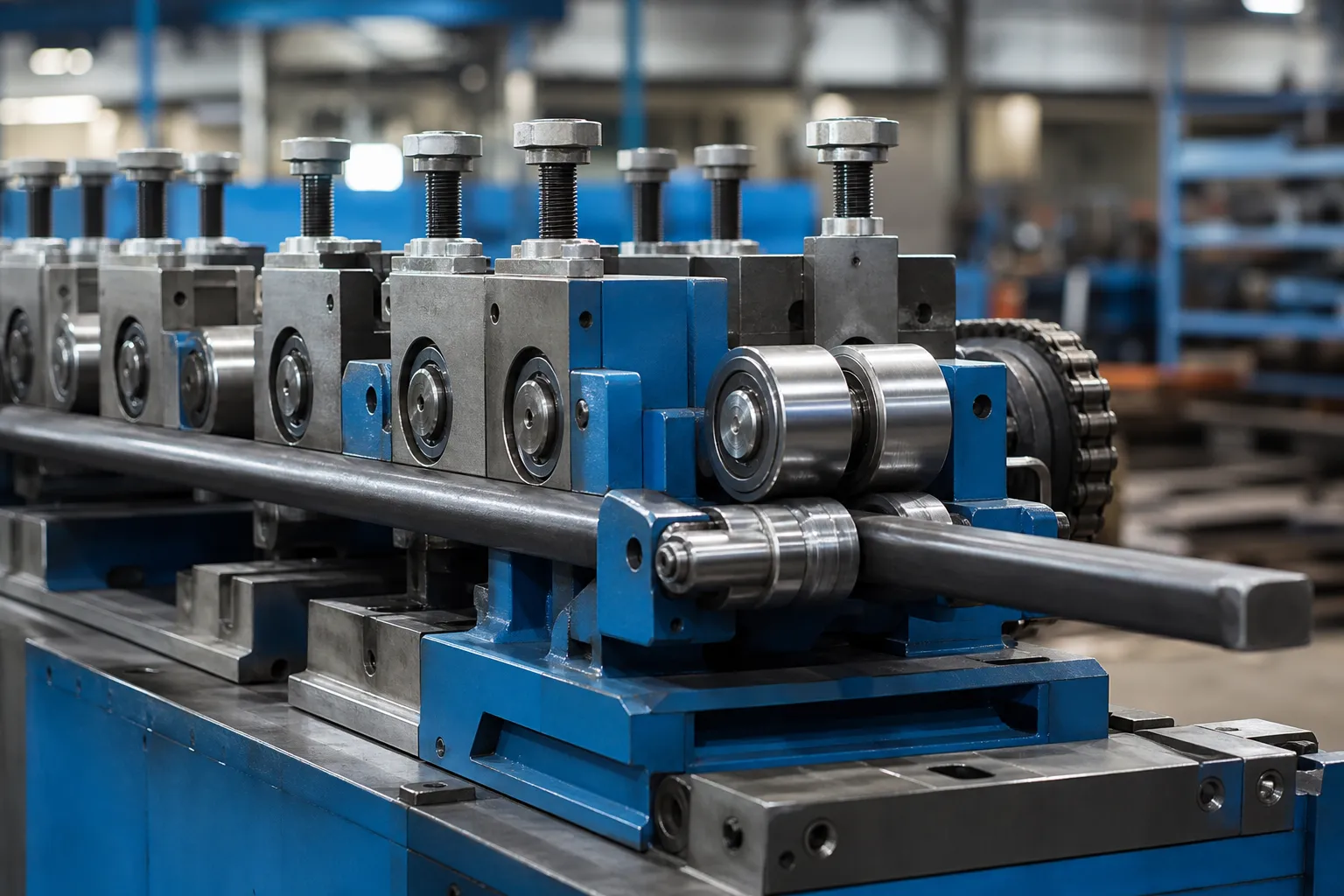
*Илюстрация на инженерна концепция. Това не е материален тест, модел на напрежение или потвърден резултат от изправяне.*
What the Effect Physically Is
С прости думи: a metal that has been plastically bent one way yields more easily when it is then bent the other way. On a stress–strain curve, a bar pulled past yield, unloaded, and then loaded in compression reaches its new yield point at a lower magnitude than the original tensile yield. The microstructural reason is that plastic deformation leaves the crystal lattice populated with dislocations arranged to resist further deformation in the loading direction; when the load reverses, that same arrangement assists slip in the opposite direction, so reverse yielding begins early. The effect is strongest right after the first reversal and saturates after a few cycles, and it is more pronounced in softer, lower-carbon conditions than in heavily hardened ones.
Two consequences matter for straightening. Първо, the material’s force–deflection response is asymmetric with respect to the sign of bending: the same press stroke moving a bend in one direction produces a different permanent set than the identical stroke applied against it. Второ, every unload leaves a locked-in micro-residual stress state, so the “същото” part is never quite the same material twice once correction has begun. Both consequences push toward the same process discipline — few, planned, well-aimed correction strokes instead of many small reversing ones.
What This Means for a Correction Stroke
Straightening control commonly assumes a repeatable relationship between applied correction and resulting movement — the basis of springback compensation practice. Reverse-loading history threatens exactly that repeatability. Consider the classic over-correct-and-press-back sequence: the first stroke plastically bends the section, the second stroke bends it back. Because the material yields earlier in the reverse direction, the second stroke needs less force to move the part the same amount, and a control routine calibrated on the first stroke’s response will overshoot. Each additional reversal compounds the drift while accumulating low-cycle fatigue damage in the section, which is the mechanism that connects careless correction sequences to the cracking risks discussed for прекомерно изправяне и напукване.
The practical rules that follow are qualitative but firm. Plan the correction so that each location is plastically worked in one predominant direction, not ping-ponged. Set the rework limit before the first stroke — the number of correction attempts a part may receive — and enforce it through the NOK sorting and rework-limit discipline. And when a process has drifted so that the same nominal error now needs visibly more or fewer strokes than it did at qualification, treat the change as a material signal to investigate, not as a knob to tune away.
Защо обратното зареждане има значение
Една част може да има натрупана деформация по време на валцуване, рисунка, формиране, термична обработка, механична обработка, транспортиране или предварителна стъпка за корекция. При процес на изправяне се прилага обратно огъване, реакцията може да зависи от тази история, както и от текущото материално състояние и геометрия. Ето защо една карта на огъване сама по себе си не създава прозорец за безопасна корекция.
| Фактор | Пробен въпрос |
|---|---|
| Степен на материала и състояние | Документирано ли е приложимото състояние, не се предполага? |
| Предварително оформяне/чертане | Възможно ли е историята на деформациите да се различава между партидите? |
| Етап на топлинна обработка | Допуска ли се корекция на този етап? |
| Разрез/геометрия | Коравината варира ли по частта? |
| Повърхностни/функционални характеристики | Има ли ограничения за риск от контакт или спукване? |
| Предишна преработка | Възникна ли вече обратно зареждане? |
Използвайте го като концепция за планиране на изпитания
Концепцията трябва да доведе до по-добри записи, не неподкрепени твърдения. Запишете входящото състояние, материал/лот, етап на производство, начална карта, последователност на корекция, пуснато измерване, наблюдение на повърхността и статус на преработка. Променяйте един контролиран фактор наведнъж по време на разработката и не екстраполирайте от лесен екземпляр към различно семейство части.
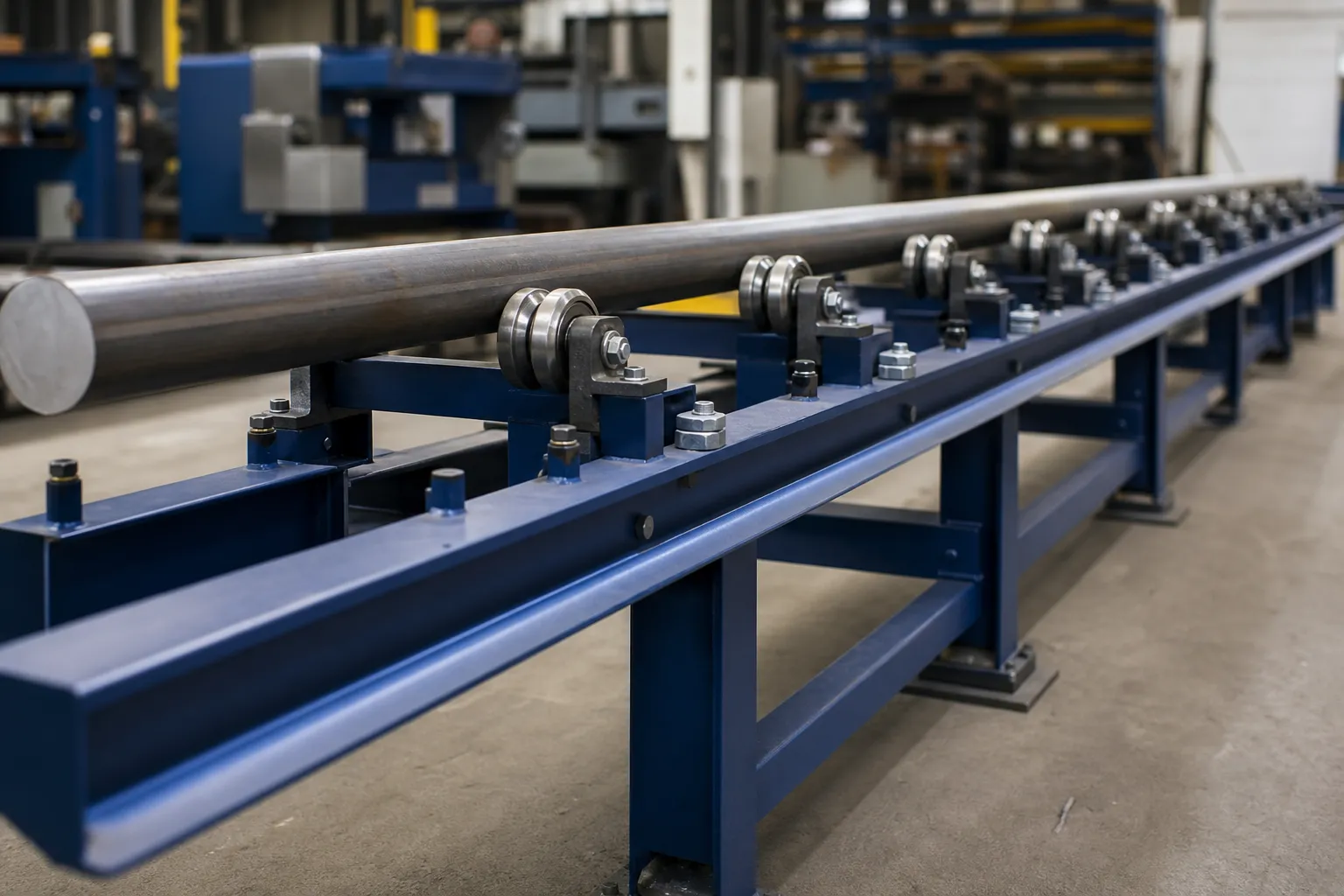
*Илюстрация на инженерна концепция. поддръжка, контактът и поведението на материала изискват специфичен инженерен преглед на частта.*
Избягвайте да наричате резултат „контролиран от Баушингер“, освен ако квалифицирано проучване на материала/процеса не дефинира точно какво означава това. Терминът не замества изискването за чертеж, материален сертификат, оценка на счупване или одобрение от клиента.
Where Loading History Hides in Real Parts
Reverse-loading sensitivity does not require a previous straightening operation — most parts arrive with a history already written into them. Bars and wire carry directional deformation from rolling and drawing, so their bend response differs with orientation relative to the mill direction. Heat-treated parts carry quench distortion plus the residual stress field of the treatment, and any straightening performed at the heat treater counts as prior history for the correction performed later — the staging questions covered under изправяне след термична обработка. Long slender parts accumulate transport and clamping bends, and a part that has already been through one rework loop at a supplier arrives pre-cycled. Even within one purchased lot, different bar lengths can come from different mill heats with different histories, which is why a correction setup that works on the first pieces of a lot can misbehave on the last.
The countermeasure is informational, not mechanical: capture material and lot identity, the manufacturing stage, and any prior correction record alongside the incoming geometry map. That data costs almost nothing at receiving and is the difference between a drift investigation that takes an afternoon and one that cannot be closed at all.
Reading the Effect in Production Data
Because the effect cannot be seen on the part, it announces itself through patterns in the process data. The signals to watch for are structural rather than numeric: the number of correction strokes needed for the same incoming error creeping upward or downward over a run; parts that oscillate around nominal across alternating strokes instead of converging; released measurements that flip to the opposite side of the tolerance band after correction sequences that historically landed centered; and lot-to-lot differences in correction behavior with no change in machine setup. None of these patterns is proof of reverse-yield behavior on its own — each has measurement and fixture mimics, which is why the datum and gauge checks come first — but together they justify pulling a sample set aside for a controlled material-and-history review rather than continuing to adjust the machine.
Отделете поведението на материала от грешката в измерването
Неочакван освободен резултат може да дойде от материален отговор, но също така и от базовото сядане, съответствие на приспособлението, поддръжка/случай, измервателна корелация или непълна карта на грешките. Проверете тези фактори, преди да присвоите причината на поведението на обратен добив. Вижте повторяемост на приспособлението и поставяне на еталона и несигурност на измерването при проверка на праволинейност.
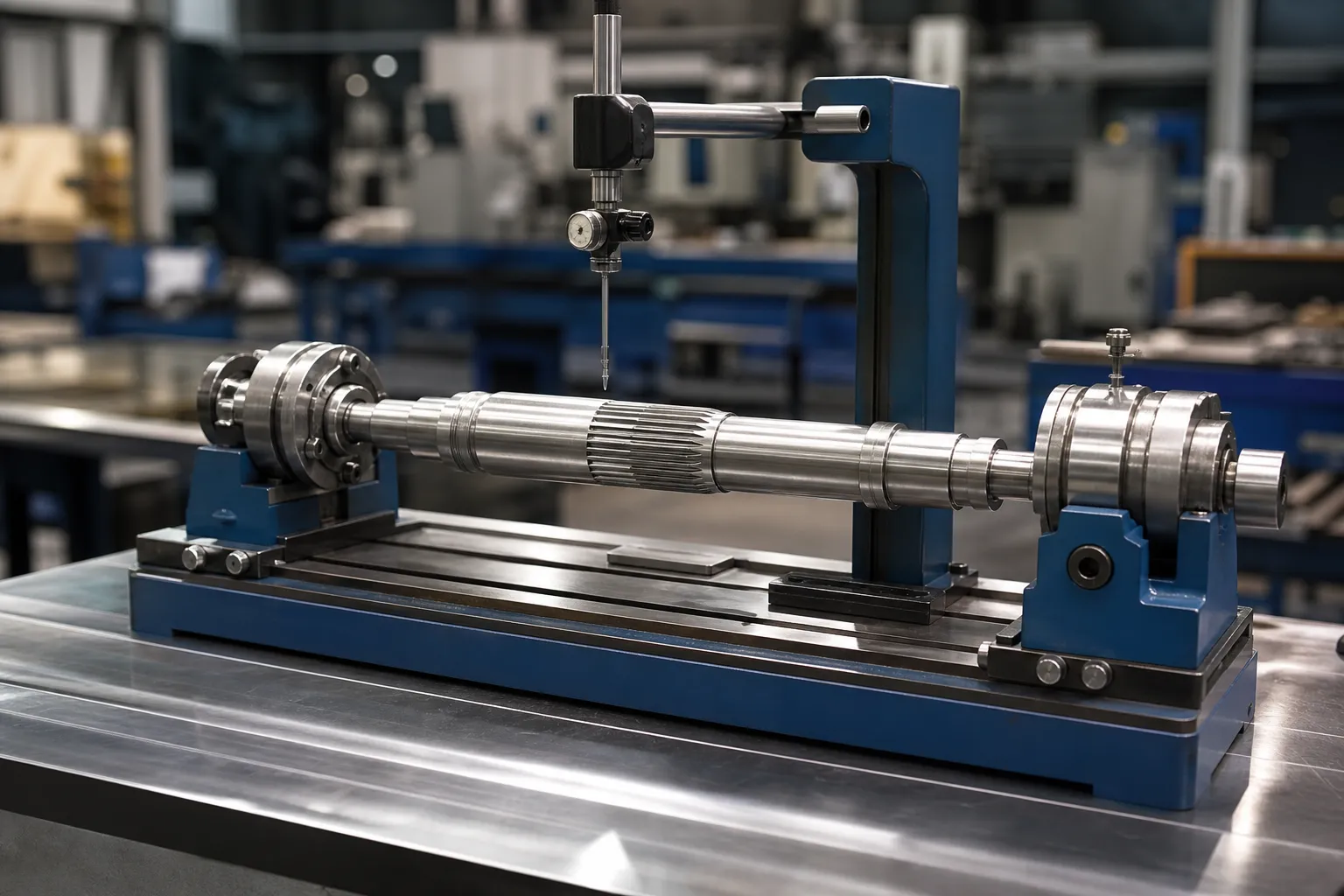
*Илюстрация на инженерна концепция. Одобреният метод за измерване на изпуснато състояние определя отчетения резултат.*
Доказателства, необходими преди обработка на искове
Предоставете чертеж/преработка, спецификация и състояние на материала, история на производството, етап на термична обработка, записи за предишни корекции/преработки, входяща геометрия, повърхностни ограничения, приет метод за измерване и представителни проби. Използвайте изправяне след термична обработка за изясняване на сценичните контроли и тест за изправяне на проби и приемане да планира изпитания. Тогава свържете се с StraighteningTech за обсъждане.
Изисква се валидиране преди системен иск
Any material-behavior claim needs a defined material and process scope, калибрирани референции, representative heat-treated samples, and traceable measurement data. A generic machine capability is not a verified result for this topic.
ЧЗВ
Does the Bauschinger effect make straightening impossible for previously bent parts?
не. It makes the response history-dependent rather than fixed. Processes handle it by planning corrections that work each location predominantly in one direction, limiting the number of correction cycles per part, and validating the correction rule on representative parts that carry the same history as production.
Why does pressing a bend back often overshoot?
Because the reverse stroke meets a material that yields at a lower stress than the forward stroke did. A force or depth calibrated on the forward response therefore over-delivers in reverse. The remedy is a separate, smaller correction rule for reverse strokes, or better, an error-map strategy that avoids reversing the same location repeatedly.
Can a correction setup be transferred to a new material lot unchanged?
Only with evidence. Different mill heats can carry different deformation histories and conditions, so the first pieces of each new lot should be treated as a confirmation sample: if correction behavior matches the qualified baseline, continue; if it shifts, requalify before running. This is standard practice for managing the springback variation discussed for springback variation between batches.
Свързани ресурси за StraighteningTech
Вижте как работи автоматичното изправяне на валовете, тест за изправяне на проби и приемане и изправеност на вала срещу биене срещу TIR за общи контролни граници, които се прилагат преди всяка претенция за способности Ефект на Баушингер при изправяне.