
Фабричният тест за приемане не е кратка демонстрация на машината. За система за изправяне, FAT трябва да провери договореното семейство детайли, контролирано рисуване, метод на измерване, корекционен път, освободено състояние приемане, безопасност, записи и процес на отворен артикул преди изпращане. Не замества приемането на сайта, проверки на полезност/интерфейс на клиента, окончателно валидиране на инсталацията или доказателства за устойчиво производство.
Това ръководство е рамка за договор и качество. Той не твърди, че StraighteningTech използва конкретен FAT протокол, доставя всеки документ или може да приеме машина без конкретно споразумение с клиента. Договорът, URS, преглед на риска и план за контролирано приемане определят крайния обхват.

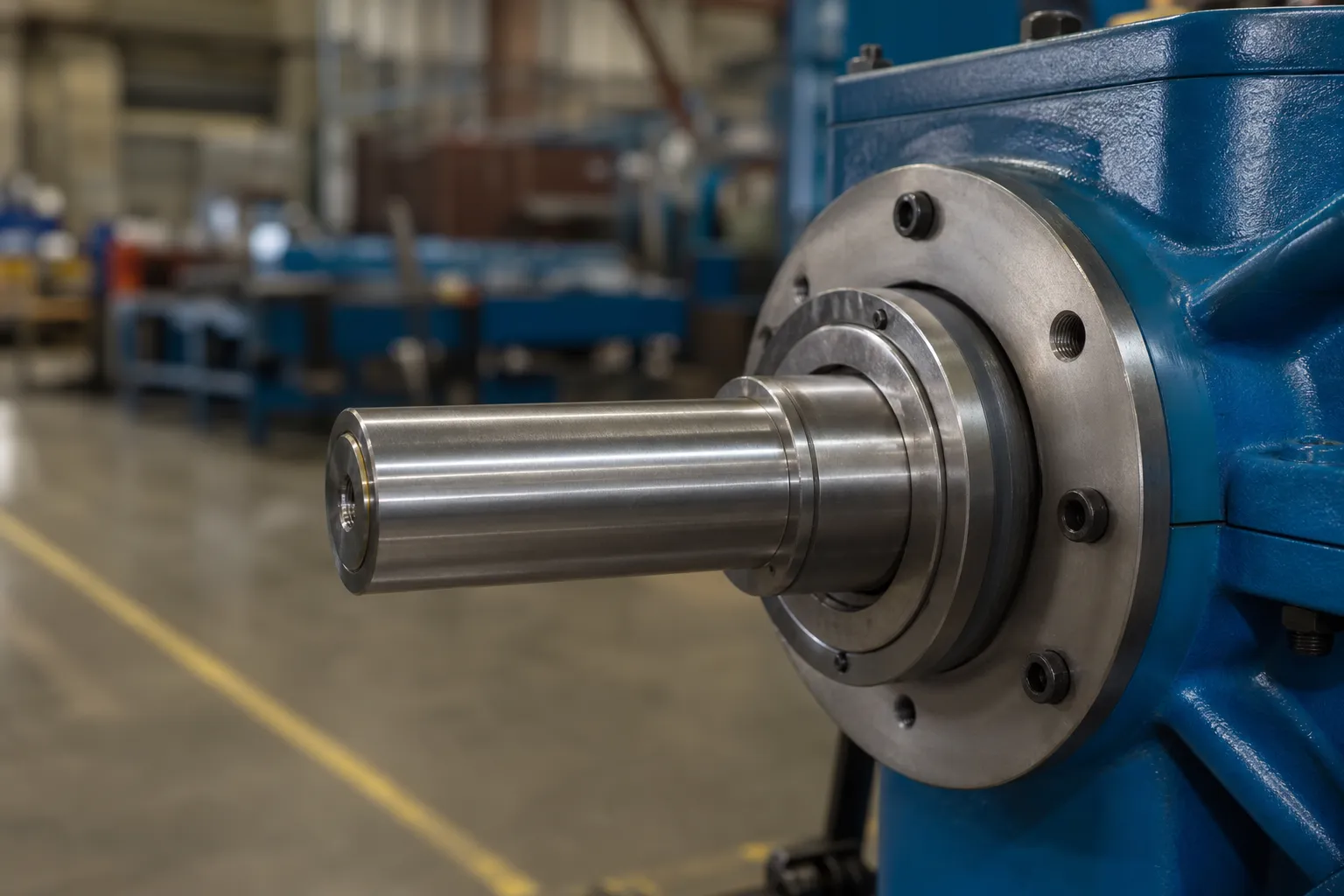
*Илюстрация на инженерна концепция. Той представлява контекст на кандидат FAT процес, не е доказателство, че конкретна машина, safety function or performance result has been accepted.*
Замразете FAT входовете преди тестване
Потвърдете конфигурацията на машината, контролирани проби от детайли, ревизии на чертежа, material/process stage, данни, клиентски габарит, характеристики на приемане, разрешени контактни зони, target test conditions, data fields, изисквания за безопасност и отговорни лица. Един тест не може да докаже недефинирано изискване.
| FAT вход | Защо има значение |
|---|---|
| Представителни и гранични проби | Демонстрира съгласуваното семейство, не само лесна демонстрационна част |
| Клиент/одобрен габарит | Connects line readings to the intended acceptance method |
| Чертеж и данни | Defines the characteristic actually being verified |
| Ревизия на процеса/рецептата | Предотвратява теста да използва неодобрени настройки |
| Безопасност и обхват на работа | Гарантира, че тестът покрива предпазителите, блокировки и движение на детайла |
What a FAT Can and Cannot Certify
The honest scope of a factory acceptance test is narrow and valuable: it certifies that, on the agreed day, with the agreed parts, gauges and witnesses, the system performed the defined sequence and produced the defined records. It does not certify sustained capability — that accrues from weeks of production data after installation, which is what site acceptance and early-production reviews sample. It does not certify every future part variant — each new family carries its own qualification. And it does not certify the customer’s own processes — staffing, material flow, gauge maintenance — which determine much of real-world performance, as discussed in manual versus automatic straightening. Writing this boundary into the FAT plan protects both sides: the buyer knows what evidence they are buying, and the supplier is not held to an open-ended demonstration.
Designing the Challenge Parts
The weakest FATs demonstrate the machine on the easiest available parts; the strongest exercise it on parts chosen to probe the edges of the agreed scope. Designing those challenge parts is a joint exercise with a short checklist of its own. Geometric edge: include at least one part with the worst incoming distortion the production contract expects, because a machine that only proves itself on moderate bends has not demonstrated its working range. Family edge: if the contract covers a range of diameters or sections, the FAT samples both ends of the range, not the comfortable middle. Event edge: deliberately include a part that must be routed hold or NOK, to prove the exception path — many machines that pass every good part have never demonstrated what happens with a bad one until it matters. Condition edge: reseating, a changeover within the agreed scope, and a recovery from an interrupted cycle each test the state machine rather than the press. None of these is a trap; every one is a scenario production will deliver within the first month, and the factory floor is the cheapest place to see the response for the first time.
Проверете измерването и приемането в състояние на освобождаване
FAT трябва да записва входящата геометрия, настройка на еталон, измервателни станции, коригиращи събития, повторно измерване на освободено състояние, инспекция на повърхността/функцията и сравнение с одобрения референтен метод. Отчитане под сила или временно задържане не е окончателен резултат за приемане, освен ако не е изрично определено в споразумението.
*Илюстрация на инженерна концепция. Той набляга на проверката на освободеното състояние; това не е клиентски FAT запис или доказателство за универсален метод за приемане.*
Използвайте измерване на натоварена спрямо освободена праволинейност and machine gauge versus customer gauge correlation to define the measurement boundary.
Тествайте процеса, Не само най-добрата част
Включете представителни нормални части и съгласувани предизвикателства/гранични части. Условията за предизвикателство може да включват декларирано геометрично условие, вариация в разрешеното семейство продукти, валидна смяна, контролирано задържане/NOK събитие, проверка за повторно поставяне или друг сценарий, одобрен от клиента. Целта не е да се наложи провал; това е да провери дефинирания отговор и записи.

*Илюстрация на инженерна концепция. Той показва специфичен за детайла избор на метод, не е твърдение, че всеки кандидат вариант принадлежи към обхвата на FAT.*
Проверете безопасността, Маршрути за данни и изключения
Проверете договорената охрана, стоп функции, предпазни мерки при работа, аларми, записи на данни, идентификация на рецепта/версия, функции за проследяване, когато са договорени, и PASS/NOK/hold маршрутизиране. Дисплей, показващ статус, не е достатъчен: FAT трябва да определи какво е оспорено, наблюдаваната реакция, запазените доказателства и кой ги е одобрил.
За свързани контроли, виж Граници за сортиране и преработка на NOK and straightening-line traceability and DMC.
Запишете отклонения и отворени елементи
Всяко отклонение трябва да идентифицира изискването, доказателства, въздействие, собственик, коригиращо действие, краен срок и метод на затваряне. FAT completion does not mean all deviations vanish; това означава, че договореното разпореждане е документирано. Отворени елементи, които засягат безопасността, acceptance or the site installation plan must be carried into SAT and final handover.
The Measurement Segment Deserves Its Own Agenda Item
Between the mechanical demonstration and the paperwork, the measurement segment of a straightening FAT is where acceptance substance lives, and it deserves explicit time on the agenda rather than leftovers. Three demonstrations earn their place. The reseat demonstration: a witness part measured, unloaded, reloaded and remeasured, with the spread on record — this is the machine’s measurement floor, and every later agreement about tolerances silently rests on it. The released-state demonstration: parts remeasured after correction force and restraint are removed, пер loaded versus released discipline, so the report values are the values that ship. The correlation demonstration: the same parts read on the machine and on the customer’s reference method, with the comparison on record. Whether a full измервателен уред Р&R проучване belongs inside the FAT or follows as a site activity is a scoping decision — but a FAT that measures nothing, measures only under force, or measures only with the supplier’s own gauge has documented a demonstration, not an acceptance.
Recognizing a Weak FAT Before You Sign It
Weak acceptance tests share a recognizable signature, and naming it helps buyers push back and suppliers self-correct. The golden-part pattern: the same easy workpiece, prepared in advance, demonstrated repeatedly while nothing from the contract’s boundary conditions appears. The undefined-condition pattern: readings quoted without stating support, restraint or gauge — numbers floating free of method. The exception-path silence: the test ends without ever routing a hold or NOK part, so the sorting logic and its records are untested at handover. The retrospective paperwork: records assembled after the test from memory, which fails the first audit that asks for contemporaneous evidence. And the disappearing open items: deviations acknowledged verbally at the test that surface in no document, no owner and no SAT carry-forward. Any one of these is a reason to extend the FAT, not a reason to renegotiate its meaning afterward.
FAT Checklist
- controlled samples, чертежи, налични габарити и метод за приемане;
- configuration, идентифицирани приспособления/инструменти и ревизия на рецептата;
- measurement/datum and released-state method demonstrated;
- normal and agreed boundary/challenge parts recorded;
- surface/feature protection and required independent checks addressed;
- безопасност, обработка, тествани аларми и отговор на изключение;
- записи, traceability/exports where contracted and backup requirements reviewed;
- deviations, open items, собствениците и списъкът за пренасяне на SAT са документирани;
- customer/supplier quality authorities sign the agreed report.
За инсталиране на място и продължителна работа, use straightening machine SAT checklist after FAT. За примерни доказателства, виж тест за изправяне на проби и приемане.
ЧЗВ
FAT доказва ли крайна производствена способност?
не. FAT проверява договорения обхват на фабричните тестове. Условия на сайта, клиентски интерфейси, монтаж, измервателните уреди и устойчивото производство изискват SAT и допълнителни доказателства.
Може ли кратък пробег на сухо да замени приемането на детайла?
не. FAT се нуждае от контролирани проби, метод на еталон/измерване, проверка на освободеното състояние и документиран отговор на договорените условия.
Може ли отворен елемент да бъде игнориран след FAT?
не. Трябва да е с документиран собственик, риск/разпореждане и път на затваряне, често се пренася в SAT.
How many parts should a straightening FAT process?
Enough to cover the agreed matrix, not a fixed count: representative normal parts from the family, the geometric and family-edge challenge parts, and at least one part routed to hold or NOK to demonstrate the exception path. The contract scope defines the matrix; the test plan should list each part and what it is there to demonstrate.
Should a gage R&R study be part of the FAT?
It depends on scope and schedule. The FAT should at minimum demonstrate reseating repeatability, released-state measurement and correlation to the customer gauge. A full repeatability-and-reproducibility study is often better executed at site with the customer’s own operators and environment — but then it must appear in the SAT plan, not disappear between the two documents.
Who should witness the FAT?
The buyer’s quality function, not only procurement. The people who will own acceptance records, maintain the gauges and answer for the line’s disposition logic are the right witnesses for reseat spreads, released-state readings and exception-path behavior — and their signature on the report is what makes it an acceptance rather than a demonstration.