
Заводське приймальне випробування не є короткою демонстрацією машини. Для системи випрямлення, FAT має перевірити узгоджене сімейство деталей, контрольований малюнок, метод вимірювання, шлях корекції, звільнене державне прийняття, безпеки, записи та відкритий процес перед відправкою. Це не замінює прийняття сайту, перевірки утиліт/інтерфейсу клієнта, валідація остаточного встановлення або підтвердження тривалого виробництва.
Цей посібник є контрактом і рамковою основою якості. Він не стверджує, що StraighteningTech використовує певний протокол FAT, надає всі документи або може прийняти машину без угоди з клієнтом. Договір, URS, аналіз ризиків і контрольований план приймання визначають остаточний обсяг.
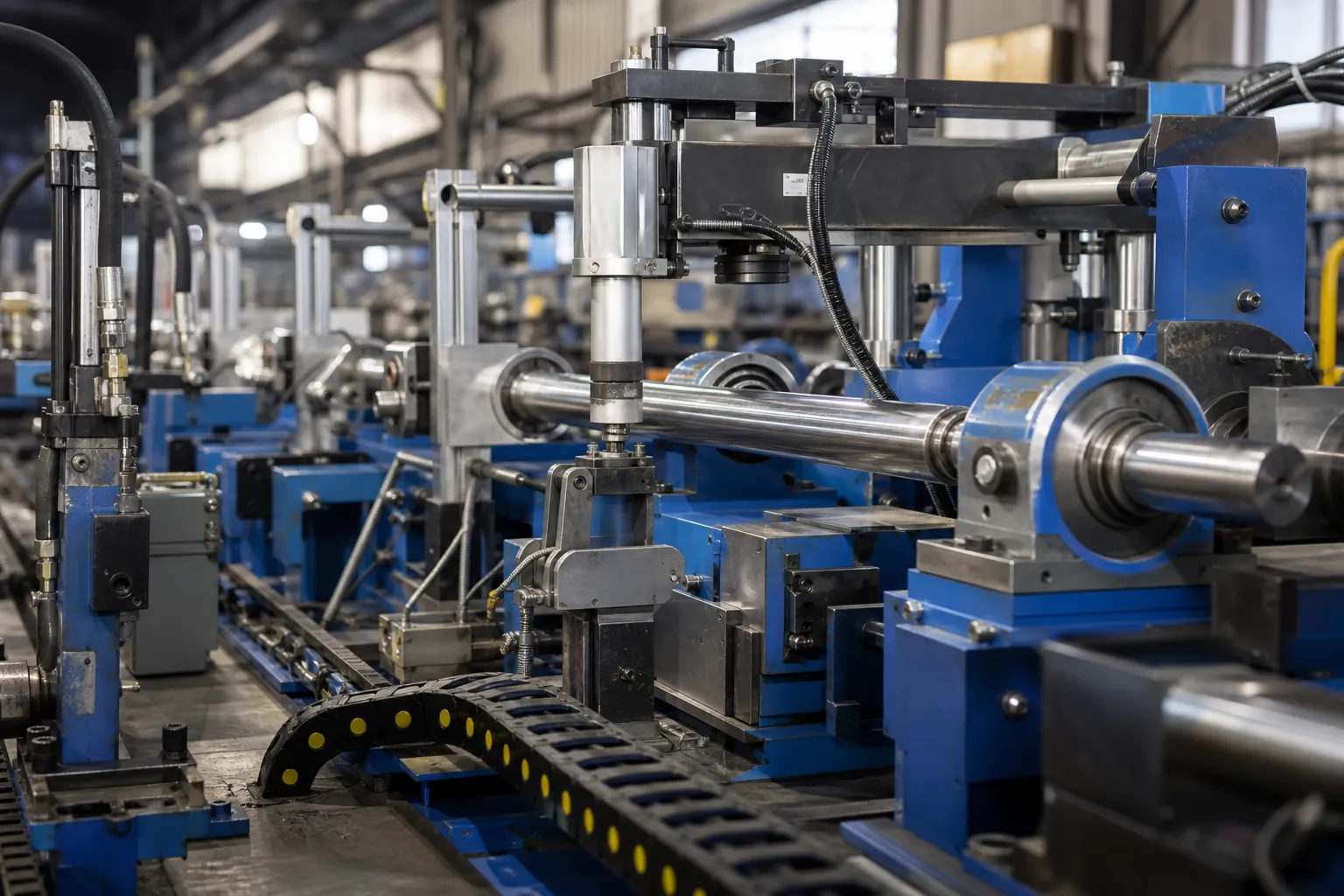
*Інженерна концепція ілюстрації. Він представляє потенційний контекст процесу FAT, не є доказом того, що конкретна машина, функція безпеки або продуктивність була прийнята.*
Заморозьте вхідні дані FAT перед тестуванням
Підтвердьте конфігурацію машини, контрольовані зразки заготовок, ревізії креслення, стадія матеріалу/процесу, дані, вимірювач клієнта, приймальні характеристики, дозволені контактні зони, цільові умови тестування, поля даних, вимог безпеки та відповідальних підписантів. Тест не може підтвердити невизначену вимогу.
| Введення FAT | Чому це важливо |
|---|---|
| Репрезентативні та граничні проби | Демонструє домовлену сім'ю, не лише проста демонстраційна частина |
| Замовник/схвалений калібр | Пов’язує показання лінії з передбачуваним методом приймання |
| Креслення та привід | Визначає характеристику, яка фактично перевіряється |
| Перегляд процесу/рецепту | Запобігає тесту використовувати несхвалені налаштування |
| Безпека та сфера застосування | Переконайтеся, що тест покриває охоронців, блокування і рух заготовки |
What a FAT Can and Cannot Certify
The honest scope of a factory acceptance test is narrow and valuable: it certifies that, on the agreed day, with the agreed parts, gauges and witnesses, the system performed the defined sequence and produced the defined records. It does not certify sustained capability — that accrues from weeks of production data after installation, which is what site acceptance and early-production reviews sample. It does not certify every future part variant — each new family carries its own qualification. And it does not certify the customer’s own processes — staffing, material flow, gauge maintenance — which determine much of real-world performance, як обговорювалося в manual versus automatic straightening. Writing this boundary into the FAT plan protects both sides: the buyer knows what evidence they are buying, and the supplier is not held to an open-ended demonstration.
Designing the Challenge Parts
The weakest FATs demonstrate the machine on the easiest available parts; the strongest exercise it on parts chosen to probe the edges of the agreed scope. Designing those challenge parts is a joint exercise with a short checklist of its own. Geometric edge: include at least one part with the worst incoming distortion the production contract expects, because a machine that only proves itself on moderate bends has not demonstrated its working range. Family edge: if the contract covers a range of diameters or sections, the FAT samples both ends of the range, not the comfortable middle. Event edge: deliberately include a part that must be routed hold or NOK, to prove the exception path — many machines that pass every good part have never demonstrated what happens with a bad one until it matters. Condition edge: reseating, a changeover within the agreed scope, and a recovery from an interrupted cycle each test the state machine rather than the press. None of these is a trap; every one is a scenario production will deliver within the first month, and the factory floor is the cheapest place to see the response for the first time.
Перевірте вимірювання та прийнятність у стані випуску
FAT має записувати вхідну геометрію, налаштування датуму, вимірювальні станції, корекційні заходи, повторне вимірювання звільненого стану, огляд поверхні/об’єкта та порівняння із затвердженим еталонним методом. Зчитування під примусовим або тимчасовим обмеженням не є остаточним результатом прийняття, якщо це чітко не визначено угодою.
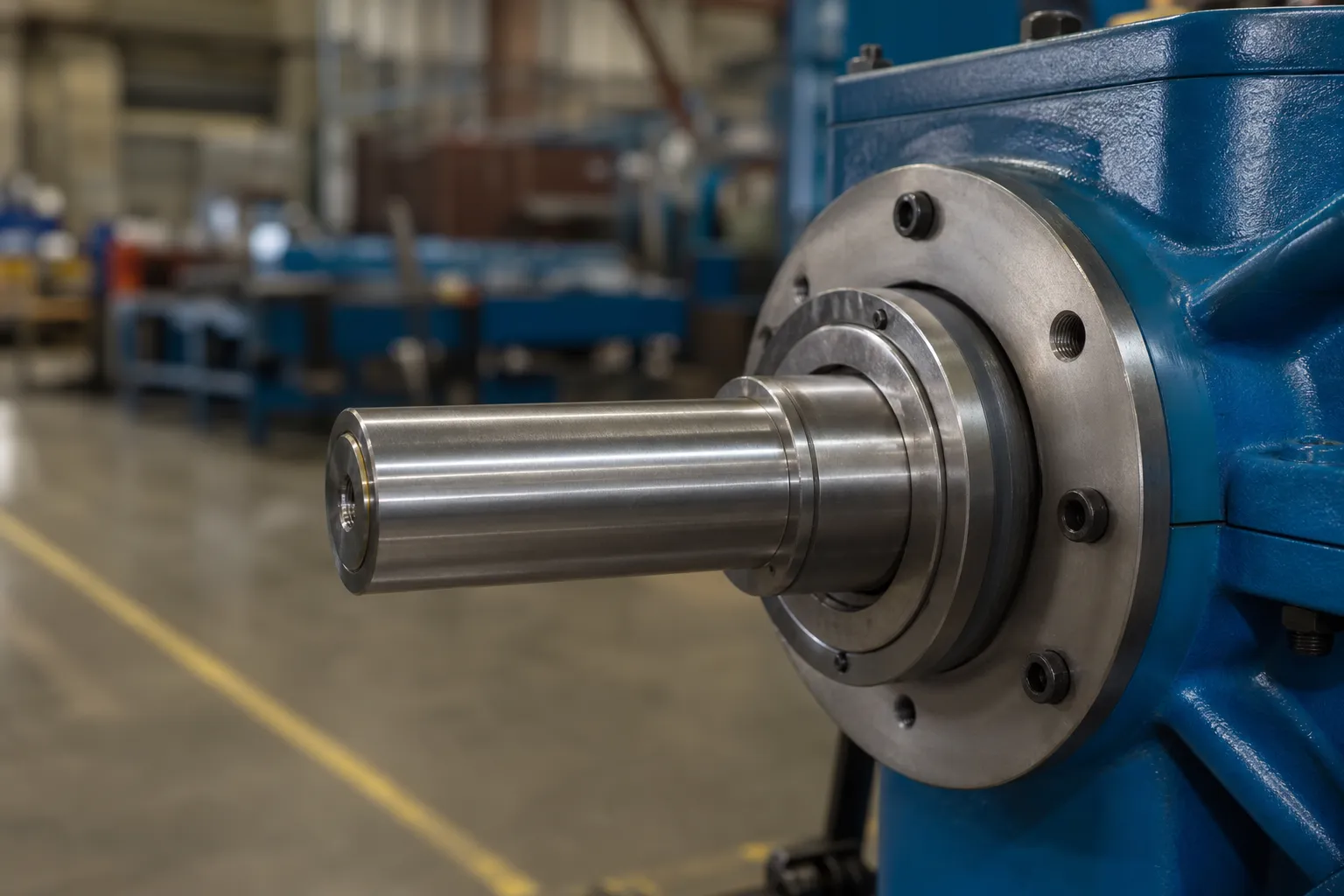
*Інженерна концепція ілюстрації. Він наголошує на перевірці стану випуску; це не запис клієнта FAT або доказ універсального методу прийняття.*
використання вимірювання прямолінійності під навантаженням і у відпустці and machine gauge versus customer gauge correlation to define the measurement boundary.
Перевірте процес, Не тільки найкраща частина
Включайте репрезентативні звичайні частини та узгоджені складні/граничні частини. Умови виклику можуть включати оголошену умову геометрії, відхилення в дозволеному сімействі продуктів, дійсний перехід, подія контрольованого утримання/NOK, перевірка повторного посадки або інший сценарій, схвалений клієнтом. Мета полягає не в тому, щоб змусити невдачу; це перевірка визначеної відповіді та записів.

*Інженерна концепція ілюстрації. Він показує вибір методу для конкретної деталі, не твердження, що кожен кандидатський варіант належить до області FAT.*
Перевірте безпеку, Маршрути даних і винятки
Перевірити узгоджену охорону, функції зупинки, заходи безпеки при поводженні, сигналізації, записи даних, ідентифікація рецепта/версії, функції відстеження, якщо це передбачено контрактом, і маршрутизація PASS/NOK/hold. Дисплею, що показує статус, недостатньо: FAT має визначити, що було оскаржено, спостережувана відповідь, збережені докази та хто їх затвердив.
Для відповідних елементів керування, побачити Обмеження сортування та переробки NOK and straightening-line traceability and DMC.
Записуйте відхилення та відкриті позиції
Кожне відхилення повинно визначати вимогу, докази, вплив, власник, коригувальні дії, дата виконання та спосіб закриття. Завершення FAT не означає зникнення всіх відхилень; це означає, що узгоджене розпорядження задокументовано. Відкриті предмети, що впливають на безпеку, приймання або план встановлення на місці повинні бути перенесені в SAT і остаточну передачу.
The Measurement Segment Deserves Its Own Agenda Item
Between the mechanical demonstration and the paperwork, the measurement segment of a straightening FAT is where acceptance substance lives, and it deserves explicit time on the agenda rather than leftovers. Three demonstrations earn their place. The reseat demonstration: a witness part measured, unloaded, reloaded and remeasured, with the spread on record — this is the machine’s measurement floor, and every later agreement about tolerances silently rests on it. The released-state demonstration: parts remeasured after correction force and restraint are removed, пер loaded versus released discipline, so the report values are the values that ship. The correlation demonstration: the same parts read on the machine and on the customer’s reference method, with the comparison on record. Whether a full Гейдж Р&R дослідження belongs inside the FAT or follows as a site activity is a scoping decision — but a FAT that measures nothing, measures only under force, or measures only with the supplier’s own gauge has documented a demonstration, not an acceptance.
Recognizing a Weak FAT Before You Sign It
Weak acceptance tests share a recognizable signature, and naming it helps buyers push back and suppliers self-correct. The golden-part pattern: the same easy workpiece, prepared in advance, demonstrated repeatedly while nothing from the contract’s boundary conditions appears. The undefined-condition pattern: readings quoted without stating support, restraint or gauge — numbers floating free of method. The exception-path silence: the test ends without ever routing a hold or NOK part, so the sorting logic and its records are untested at handover. The retrospective paperwork: records assembled after the test from memory, which fails the first audit that asks for contemporaneous evidence. And the disappearing open items: deviations acknowledged verbally at the test that surface in no document, no owner and no SAT carry-forward. Any one of these is a reason to extend the FAT, not a reason to renegotiate its meaning afterward.
Контрольний список FAT
- контрольовані зразки, малюнки, доступні вимірювальні прилади та метод приймання;
- конфігурація, визначено перегляд пристосувань/інструментів і рецептів;
- продемонстровано метод вимірювання/даних і вивільненого стану;
- звичайні та погоджені межі/проблемні частини записані;
- захист поверхні/об’єкта та необхідні незалежні перевірки;
- безпеки, поводження, протестовані сигнали тривоги та відповідь на виняткові ситуації;
- записи, відстеження/експорт, де укладено контракт, і перевірені вимоги до резервного копіювання;
- відхилення, відкриті елементи, власники та перехідний список SAT задокументовано;
- органи якості клієнта/постачальника підписують узгоджений звіт.
Для встановлення на місці та тривалої роботи, use straightening machine SAT checklist after FAT. Для зразка доказів, побачити випробування зразків випрямлення та прийняття.
FAQ
Чи підтверджує FAT здатність кінцевого виробництва?
немає. FAT перевіряє погоджений обсяг заводських випробувань. Умови сайту, клієнтські інтерфейси, установка, калібри та стабільне виробництво вимагають SAT та додаткових доказів.
Чи може коротка пробіжка замінити приймання заготовки?
немає. FAT потребує контрольованих зразків, метод дату/вимірювання, перевірка стану випуску та задокументована відповідь на погоджені умови.
Чи можна відкритий елемент ігнорувати після FAT?
немає. Він повинен мати підтвердженого власника, ризик/розпорядження та шлях закриття, часто переноситься в SAT.
How many parts should a straightening FAT process?
Enough to cover the agreed matrix, not a fixed count: representative normal parts from the family, the geometric and family-edge challenge parts, and at least one part routed to hold or NOK to demonstrate the exception path. The contract scope defines the matrix; the test plan should list each part and what it is there to demonstrate.
Should a gage R&R study be part of the FAT?
It depends on scope and schedule. The FAT should at minimum demonstrate reseating repeatability, released-state measurement and correlation to the customer gauge. A full repeatability-and-reproducibility study is often better executed at site with the customer’s own operators and environment — but then it must appear in the SAT plan, not disappear between the two documents.
Who should witness the FAT?
The buyer’s quality function, not only procurement. The people who will own acceptance records, maintain the gauges and answer for the line’s disposition logic are the right witnesses for reseat spreads, released-state readings and exception-path behavior — and their signature on the report is what makes it an acceptance rather than a demonstration.