
Рядок не повинен трактувати кожне непрохідне читання однаково. Частина може мати проблеми з налаштуванням, сигналізація вимірювання, умова коригованої геометрії, відповідь без прогресу, підозрювана суттєва проблема або підтверджена невідповідність. Без чітких маршрутів, повторна корекція може приховати проблему вимірювання, пошкодити деталь, змішуйте партії або створюйте якісне рішення, яке неможливо відстежити.
Ця стаття є структурою маршрутизації якості. Він не стверджує, що StraighteningTech наразі забезпечує автоматичне сортування, специфічні датчики, пороги відхилення, програмне забезпечення для відстеження або авторизовані правила переробки. Ці функції вимагають перевіреного місцевого масштабу та схвалення якості.
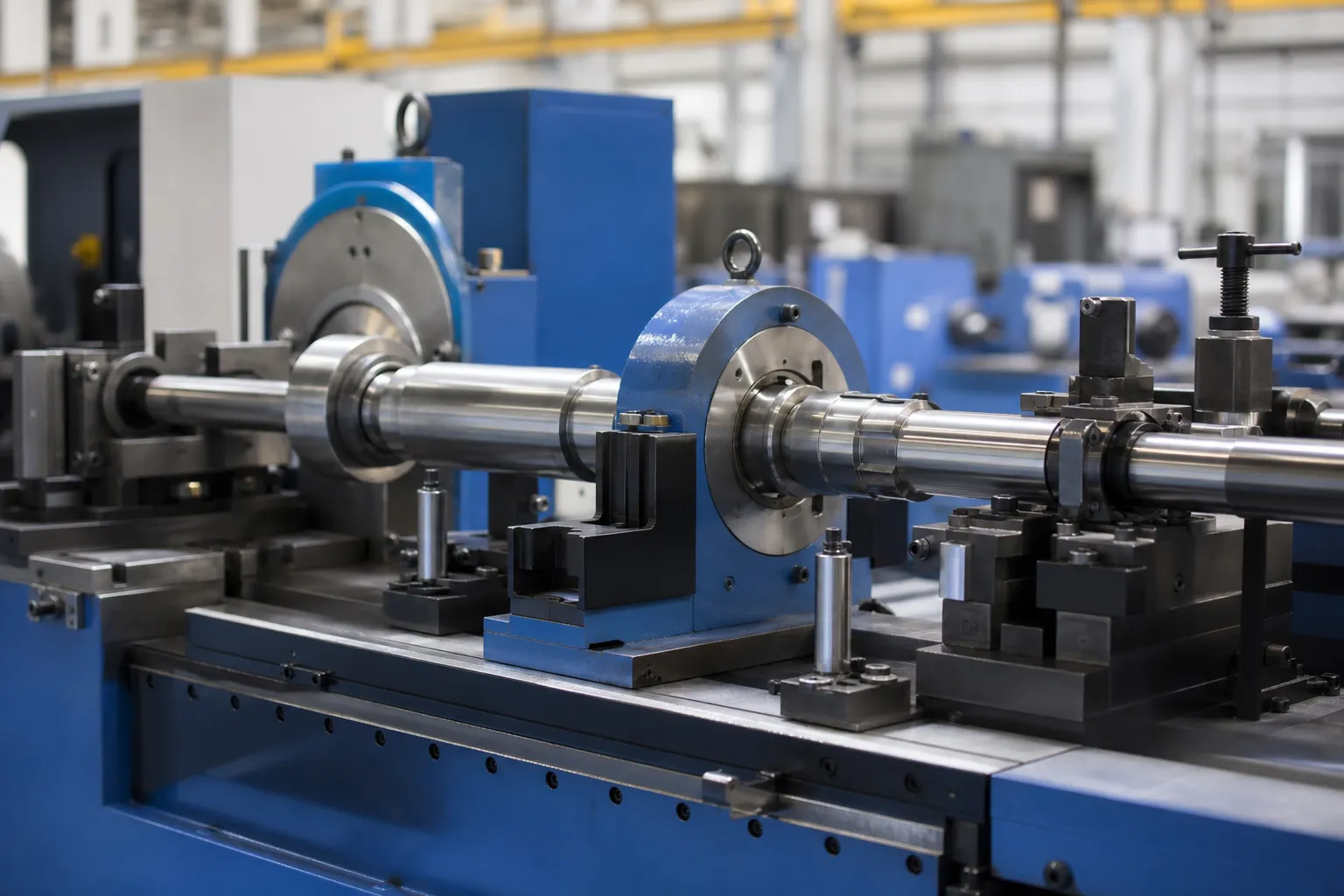
*Інженерна концепція ілюстрації. Він показує виробничу комірку-кандидата, не встановлена автоматична система сортування або визначена можливість виявлення дефектів.*
Визначте стан диспозиції
Як мінімум, розрізняти ПАС, ДОСТАТЬ, підлягає переробці, зупинка/утримання та інженерний огляд/огляд якості. Визначення повинні посилатися на контрольований креслення, метод вимірювання, стан процесу та повноваження на випуск. Сигнал процесу не є автоматично відхиленим; це може бути сигнал ескалації, який вимагає перевірки.
| Держава | Необхідне визначення |
|---|---|
| ПРОПУСК | Відповідає узгодженим вимогам щодо стану випуску з необхідними записами |
| ДОСТАТЬ | Не відповідає визначеній вимозі або має підтверджену невідповідність |
| Підходить для переробки | Відповідає задокументованим умовам для іншої схваленої спроби |
| СТІЙ / утримувати | Потрібне налаштування, процес-сигнал, якість або технічну перевірку перед подальшою обробкою |
| Технічний огляд | Потрібне контрольоване рішення поза звичайним автоматичним маршрутом |
Відокремлюйте проблеми налаштування від невідповідності деталей
Перед маршрутизацією деталі як NOK, подумайте про те, чи може сигнал виникнути в результаті встановлення опорної точки, варіація кріплення, стан датчика, ідентичність частини, неправильний рецепт або незатверджений стан підтримки. Процедура повинна визначати дозволені чисті/повторні перевірки та запобігати необмеженим повторам.
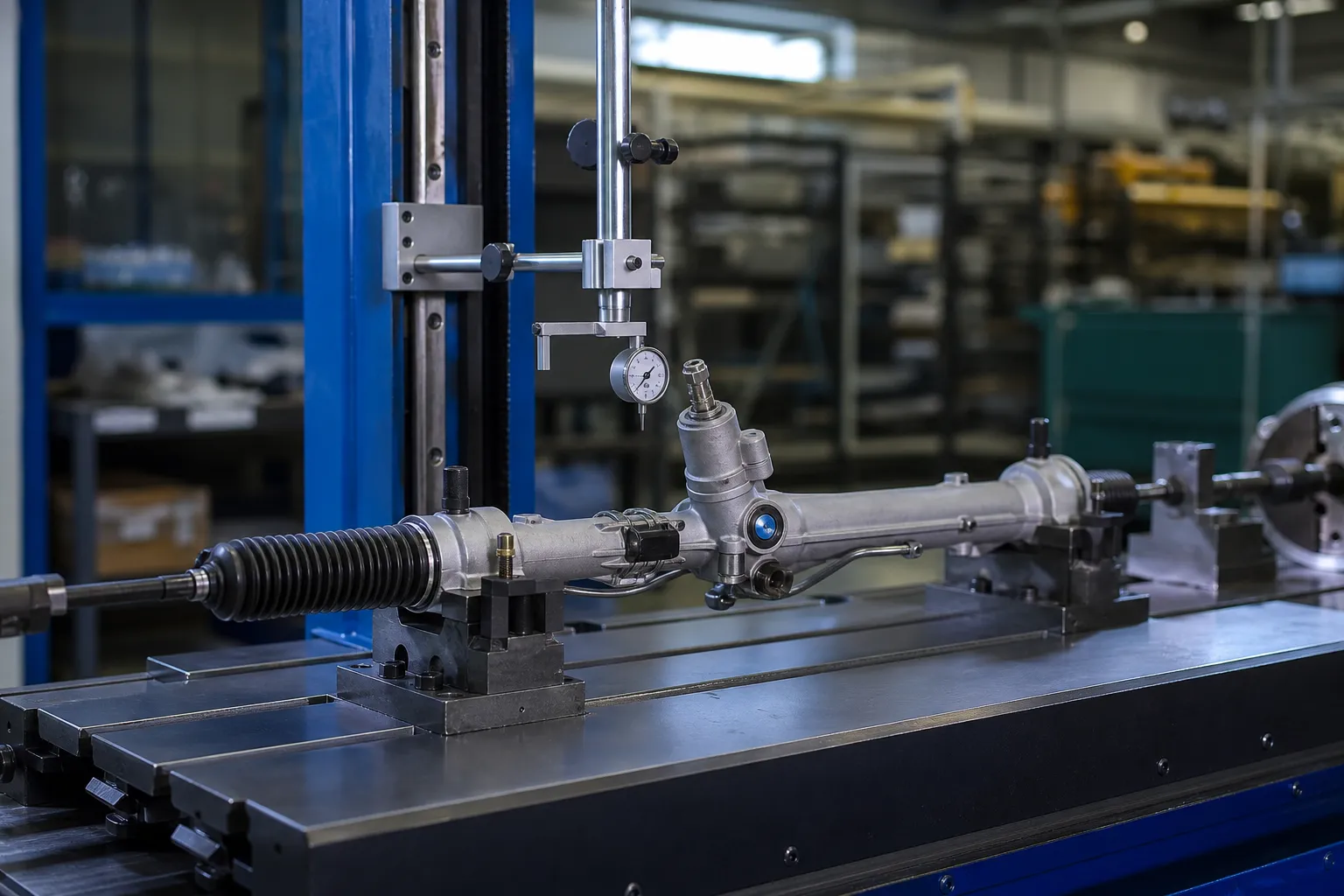
*Інженерна концепція ілюстрації. Він зображує точку прийняття рішення про вимірювання, не є доказом автоматичної класифікації або певного правила сигналізації.*
див повторюваність кріплення та посадка бази і виявлення тріщин під час автоматичного рихтування для розмежування між сигналом і його перевіреною причиною.
Встановіть ліміт переробки перед першим виправленням
Переробка має бути затвердженим маршрутом із визначеною максимальною кількістю спроб, дозволені умови контакту/підтримки, вимога повторного вимірювання, перевірки поверхонь/функцій і повноваження продовжувати або зупиняти. Обмеження не є універсальним числом; це залежить від матеріалу, етап процесу, особливість ризику, вимоги замовника та підтверджену відповідь. Коли частина не реагує належним чином, відповідною дією може бути утримання або відхилення, а не додаткова сила.
Why Unlimited Retries Corrupt the Line
Allowing a line to re-correct a part until the gauge finally passes feels productive and quietly destroys two things. The first is the part itself: every plastic bending cycle consumes a share of the section’s low-cycle fatigue life, and the reverse-loading behavior described for reverse loading in straightening means later cycles move the material more per unit force than earlier ones did. A part that reaches tolerance on its sixth attempt is not equivalent to one that reached it on the first, even though both read PASS.
The second casualty is the line’s own information. When retries are unlimited, the gauge sees only eventual outcomes: parts that converge, slowly, under repeated force. A drifting correction setup, a worn anvil, a bad lot of stock and a genuinely struggling part family all produce the same visible symptom — more attempts per part — and none of them generates a stop condition. The retry count is one of the cheapest and most informative process signals a straightening line produces, and it only exists as data if the line is required to stop and route the part at a defined limit instead of looping.
Thinking of the Rework Limit as a Budget
A more useful mental model than “three strikes” is a budget of deformation that each part may spend. The budget is set by the material’s condition and the consequence of failure in service, and it is spent by every correction stroke — forward or reverse. A hardened safety-critical shaft and a soft structural bar may carry very different budgets, which is why no universal rework number is defensible and why the limit belongs to the part family’s validated process, reviewed by quality. The same budget concept explains a rule that otherwise looks arbitrary: a part that has consumed its budget and still fails is rejected even though one more attempt might conceivably pass, because the part that would emerge is no longer the part the drawing specifies in any meaningful sense.
Budgets also need edges. Two conditions that stop rework regardless of remaining attempts are no-progress — corrections that stop changing the geometry, indicating the process is no longer engaging the error — and overshoot oscillation, where each attempt moves the part from one side of tolerance to the other. Both are stop signals, not tuning opportunities, and both feed the integrity-review concerns that repeated plastic cycling raises.
Підтримуйте ізоляцію та відстежуваність
Кожне розміщення має зберігати ідентичність частини/партії, версія креслення/рецепту, умова вимірювання, спроби виправлення, результат, подія оператора/автоматизації, час, переглянути рішення та фізичне місцезнаходження. Ізоляція має запобігти поверненню утримуваної частини або частини NOK до потоку PASS без явного дозволу.
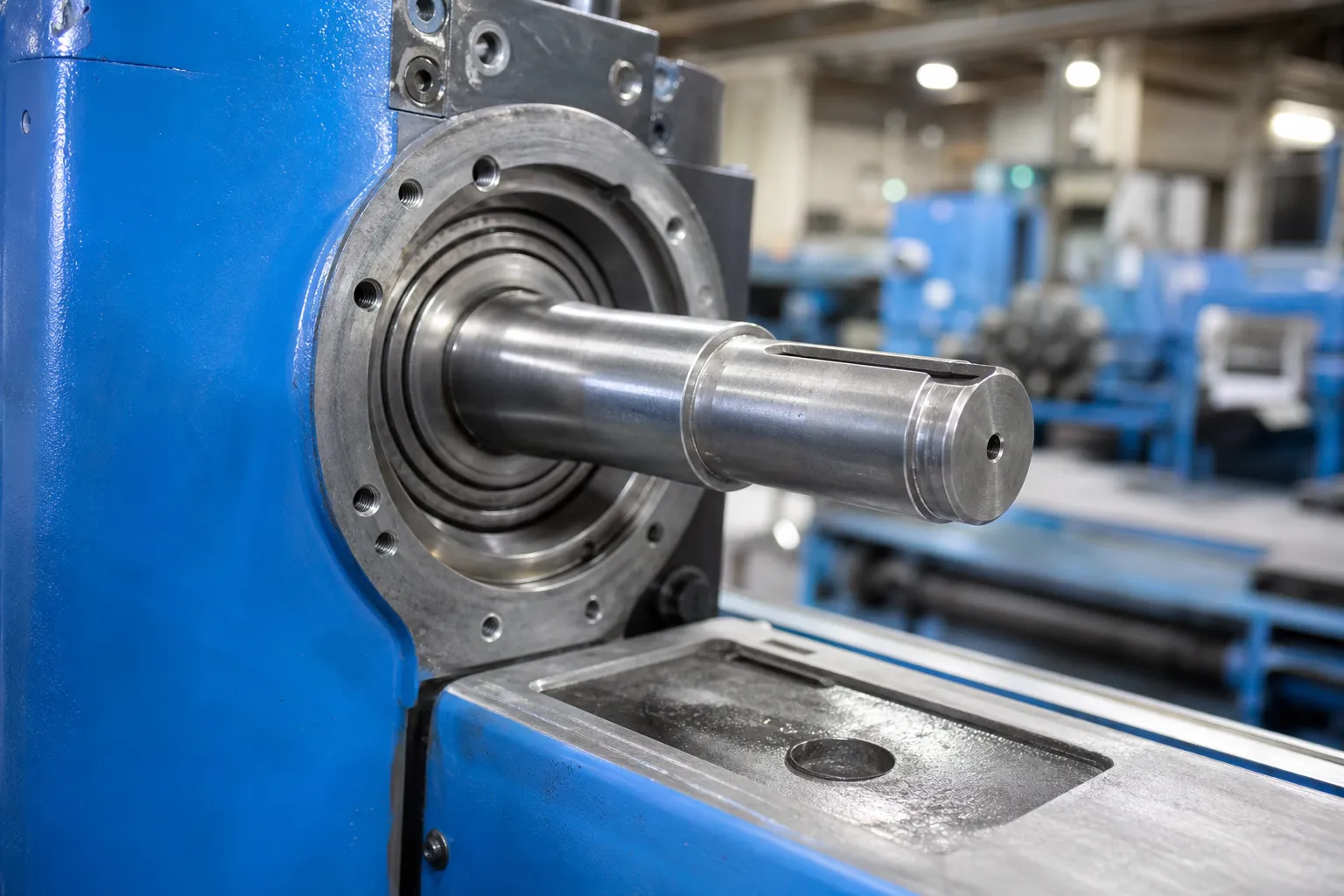
*Інженерна концепція ілюстрації. У ньому наголошується на перевірці випущеного стану та записаному розпорядженні, не обіцянка інтерфейсу DMC/MES або автоматичного сортувальника.*
Designing Segregation That Cannot Be Defeated
Disposition states only work if the physical line enforces them. The failure mode is always the same: a held or NOK part re-enters the good flow during a busy shift, through an operator judgment call, a shared conveyor or an unlabeled tote. Effective segregation design follows mistake-proofing logic rather than instruction signs. Good and rejected parts take different physical paths with no shared section where a part can be redirected by hand. Hold locations lock or require an access step that itself creates a record. Labels and bins are part-specific, not generic scrap tags, so a held-for-review part cannot decay into anonymous scrap or anonymous stock. Where volume justifies it, diverters and gates make the routing decision the machine’s, not the operator’s — the automation boundary discussed in manual versus automatic straightening applies to disposition as much as to correction.
The record side has the same anti-defeat requirement. A disposition that lives only in an operator’s memory, or in a spreadsheet anyone may edit, does not survive an audit or a containment event. The minimum durable record is the tuple — part identity, багато, drawing and recipe version, умова вимірювання, attempt count, результат, decision, decision-maker, time — retained long enough to answer the customer question that eventually comes: which parts from that week, from that machine, from that shift.
What the Disposition Data Buys Later
A line that routes honestly accumulates, as a by-product, the dataset that every improvement program wishes it had. Attempt-count trends flag tooling wear and setup drift while they are still cheap to fix. Lot-to-lot shifts in incoming geometry point upstream to suppliers with evidence instead of complaints. The ratio of setup-issue holds to true part nonconformances measures how much of the line’s apparent quality problem is actually its measurement and fixturing — information directly relevant to planning a Гейдж Р&R дослідження. And when a customer raises a field concern, traceability converts a week of panic into an afternoon of records. None of that value survives a culture of retry-until-pass; all of it is the natural dividend of the routing discipline described here.
Створіть маршрут перевірки та ескалації
- визначити частину, багато, малюнок і рецепт;
- перевірте налаштування вимірювання/даних у рамках затверджених перевірок;
- захопити читання, стан процесу та будь-яке сповіщення;
- застосовувати лише дозволений шлях переробки, коли прийнятність буде підтверджено;
- випуск і повторне вимірювання за погоджених умов;
- маршрут ПАС, ДОСТАТЬ, проведення або інженерний огляд;
- зберегти відстежуваність і фізичну сегрегацію;
- використовуйте повторювані шаблони для запуску процесу або перевірки якості.
Для необхідної архітектури доказів, побачити випробування зразків випрямлення та прийняття і Гейдж Р&R для випрямлення ліній.
Ворота No-Progress і Corection-Limit Gates
Точна фраза межа корекції випрямлення без воріт прогресу є медично забрудненим у SERP, тому канонічна логіка без прогресу живе на сторінці сортування та обмеження переробки NOK. Визначте максимальні цикли корекції, force/stroke ceilings and mandatory stop/sort actions before production release.
FAQ
Чи завжди NOK означає брухт?
немає. NOK може вимагати підтвердження, контрольована переробка, інженерний огляд або остаточне відхилення в залежності від затвердженого якісного маршруту.
Можна повторити спробу рядка, доки не завершиться читання?
немає. Для переробки потрібен визначений максимальний ліміт спроб і повноваження щодо якості. Необмежені повторні спроби можуть маскувати процес або проблему вимірювання.
Чи означає ця стаття, що рядок має автоматичне сортування?
немає. Це структура маршрутизації. Фактичне сортування, функції відстеження та інтерфейсу вимагають окремої перевірки.
Why does the attempt count matter more than the final reading?
Because the final reading describes where the part ended, while the attempt count describes what it cost to get there. Two parts reading identical PASS values are not equivalent if one took a single correction and the other took a full budget of repeated cycles. The attempt count is also the line’s earliest drift alarm — a setup, tooling or material change usually shows up as more attempts per part long before it shows up as rejects.
Should rework limits differ between part families?
так. The limit is a deformation budget set by material condition, feature risk and service consequence, so a hardened safety-critical shaft and a soft structural bar justify different numbers. The limit belongs to each family’s validated process with quality approval, not to the line as a single setting.
What is the minimum physical segregation a small line needs?
Separate paths or lockable, labeled, part-specific containers for PASS, hold and NOK — arranged so a held part cannot return to the good flow without a recorded, authorized step. The design principle is that doing the wrong thing must require effort, not just discipline. Escalate to machine-controlled diverters when volume or staffing makes human routing unreliable.
Sorting decisions are also capacity decisions – в ручне та автоматичне порівняння і Корпус ROI для автоматичного випрямлення both price the NOK stream a manual line tends to hide.