
Manuālā un automātiskā iztaisnošana nav kvalitātes marķējums. Jebkurš maršruts var būt nepiemērots, ja sagataves atskaites punkts, mērīšanas metode, kontaktu zonas, pieņemšanas noteikums vai apstrādes process nav definēts. Noderīgs jautājums ir par to, kurām darbībām ir nepieciešama atkārtojama kontrole noteiktai detaļu saimei un kurām darbībām joprojām ir nepieciešama prasmīga iestatīšana, inženiertehniskais apstiprinājums vai klienta gabarīta pārbaude.
Šī rokasgrāmata ir atlases sistēma, nav apgalvojums, ka StraighteningTech nodrošina noteiktu automatizācijas konfigurāciju vai ka automatizācija garantē precizitāti, cikla laiks, darbaspēka samazināšana vai IA. Šiem rezultātiem ir vajadzīgs pārbaudīts aprīkojuma apjoms un reprezentatīvi ražošanas pierādījumi.
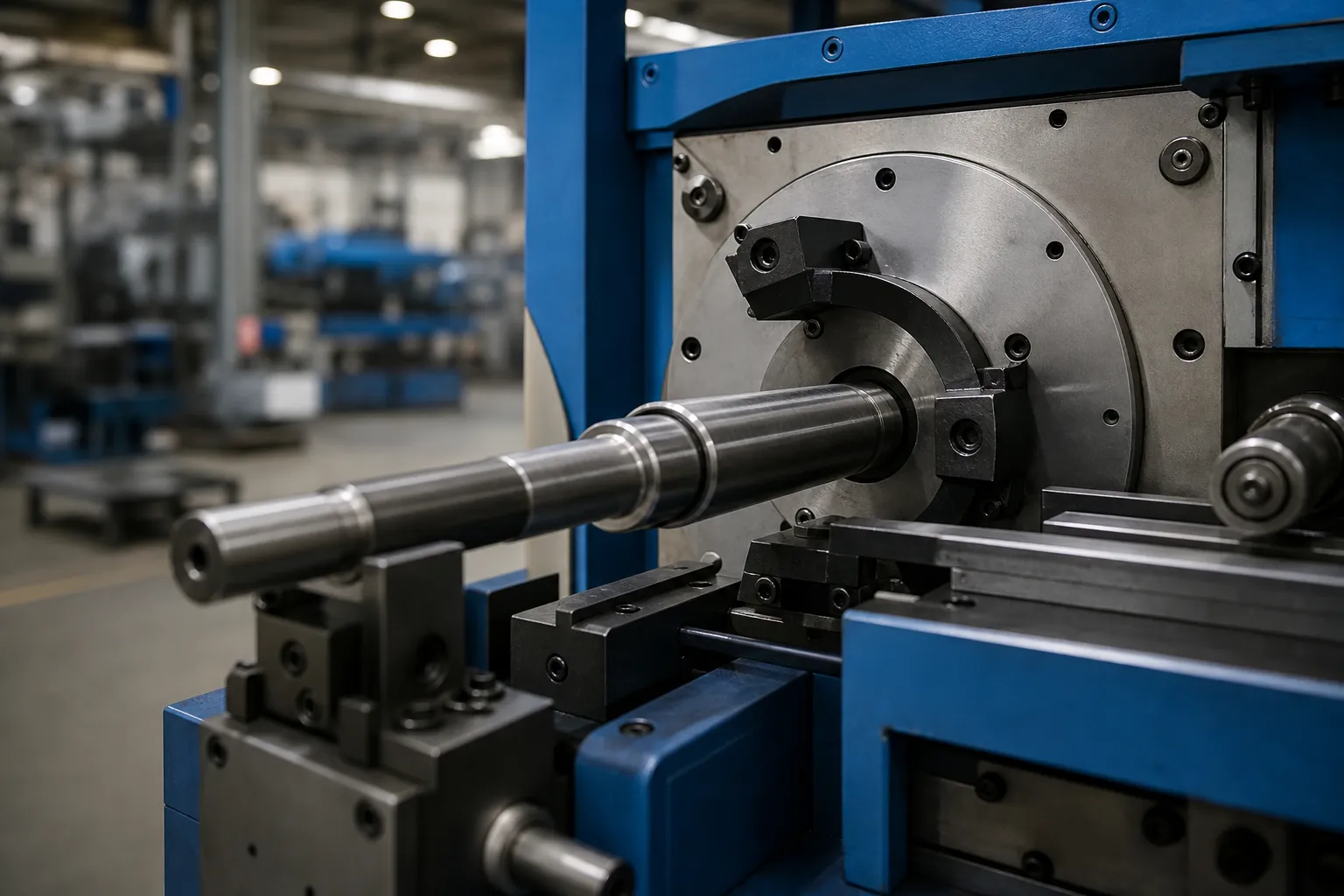
*Inženierzinātņu koncepcijas ilustrācija. Tas parāda iespējamo automatizētās apstrādes kontekstu, nav pierādījums par pieejamo vietējo konfigurāciju vai ražošanas rezultātu.*
Definējiet automatizācijas robežu
“Automātiski” var aprakstīt vienu vai vairākas dažādas funkcijas. Notiek ielāde, daļas identifikācija, orientācija, datuma sēdvieta, mērīšana, korekcija, izkraušana, receptes izvēle, izsekojamība un NOK šķirošana būtu jāvērtē atsevišķi.
| Funkcija | Manuāls maršruts, lai novērtētu | Automatizēts maršruts novērtēšanai |
|---|---|---|
| Iekraušana un orientācija | Operatora apstrāde, armatūras apstiprinājums un droša ergonomika | Ģimenes identifikācija, kontrolēta prezentācijas un apstrādes validācija |
| Mērīšana | Operatora iestatīšana, mērinstrumentu nolasīšana un atkārtojamība | Kontrolēta secība, datu uztveršana un korelācijas mērīšana |
| Labojums | Prasmīgs spriedums un pakāpeniska reakcija | Ar recepti kontrolētas cilpas un izņēmumu sliekšņi |
| Nomaiņa | Sacensību/uzstādījumu disciplīna un pirmā apskate | Versiju kontrole, instrumentu identitāte un pirmās daļas apstiprinājums |
| Dispozīcija | Fiziskā segregācija un dokumentēta pārskatīšana | Definēts PASS/NOK/pārstrādāts maršruts ar cilvēka pilnvarām |
Automātiskajai līnijai joprojām var būt nepieciešama manuāla apstiprināšana kritiskā posmā. Manuālā darbstacijā joprojām var izmantot kontrolētus mērinstrumentus un izsekojamus ierakstus. Atlasē jāapraksta reālais process, nevis jāizmanto plašs apzīmējums.
Sāciet ar sagatavju sajaukšanu un pieņemšanu
Augsta variācija, uncertain datums, sarežģīta apstrāde vai biežas inženierijas izmaiņas var padarīt elastīgu manuālu vai pusautomātisku maršrutu piemērotu izstrādes laikā. Stabila ģimene ar atkārtojamu slodzi, definēts mērījums un apstiprināta korekcijas atbilde var attaisnot lielāku automatizāciju. No ražošanas apjoma vien nevar izdarīt nevienu secinājumu.
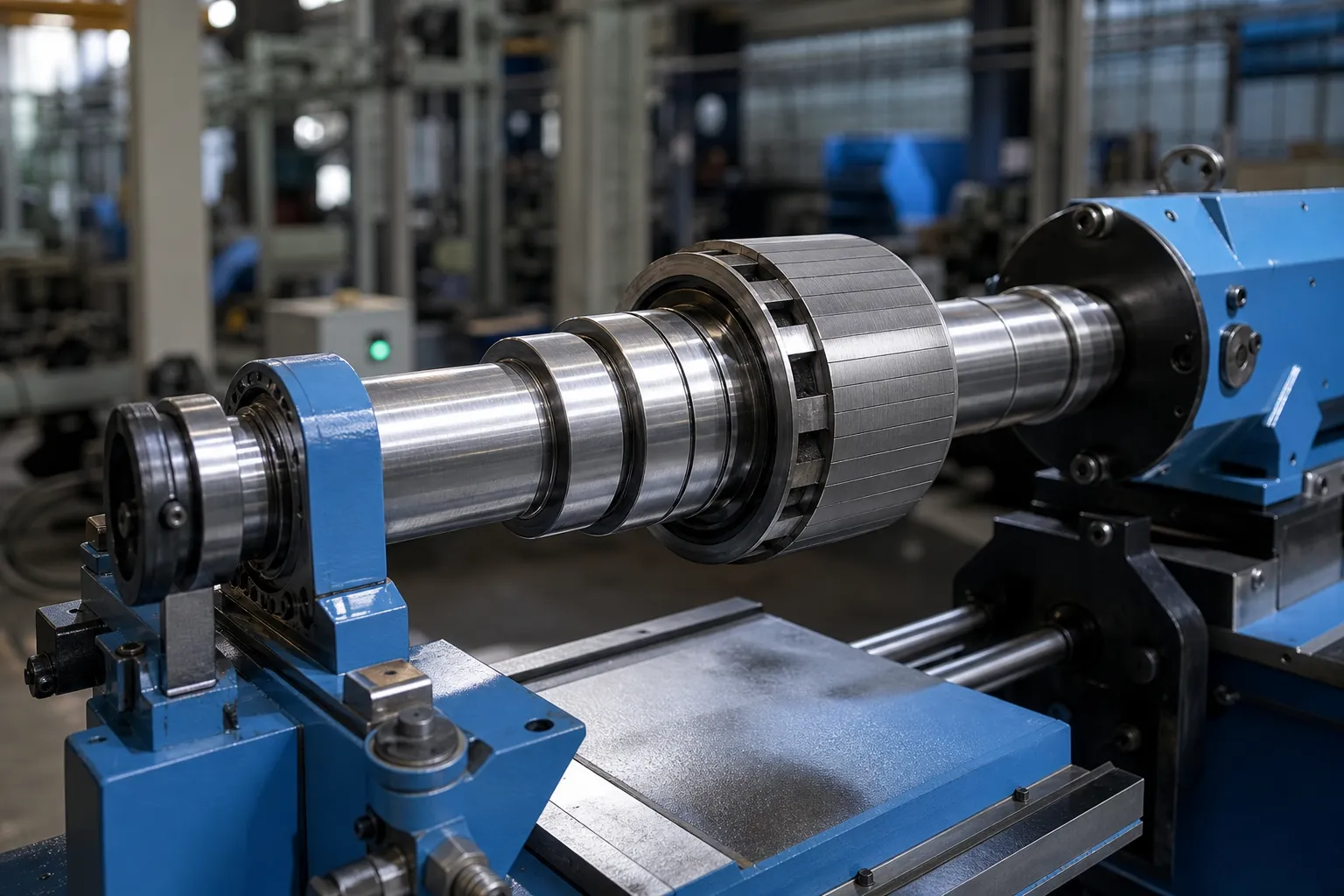
*Inženierzinātņu koncepcijas ilustrācija. Tas atspoguļo slēgta cikla korekcijas koncepciju; tas neapgalvo, ka tiek atbalstīta noteiktā motora vārpsta vai automatizācijas funkcija.*
Piedāvājumā jānorāda sagataves varianti, materiāla/procesa posms, ienākošo kļūdu sadalījums, datum, aizsargājamās zonas, klientu mērītājs, mērķa maisījums un apstrādes ierobežojumi. Izmantot vārpsta, cauruļu un profilu taisnotāja izvēle pirms automatizācijas etiķešu salīdzināšanas.
Ko automatizācija patiesībā atkārto
Noņemiet robotiku, un automātiskā iztaisnošanas iekārta ir ierīce apstiprinātas secības atkārtošanai: identificēt ģimeni, novietojiet daļu, mēra pret saglabāto noteikumu, lietot saglabāto korekcijas atbildi, atkārtoti izmērīt, maršruts. Katru no šiem darbības vārdiem sākotnēji uzrakstīja persona - inženieris, kurš kvalificēja datumu, operators, kurš uz paraugiem pierādīja korekcijas atbildi, kvalitātes funkcija, kas apstiprināja pieņemšanas noteikumu. Automatizācija nerada šīs zināšanas; tas to saglabā un izpilda. Šis ietvars izskaidro gan spēku, gan robežu. Spēks: pēc apstiprināšanas, secība darbojas identiski astotajā maiņas stundā kā pirmajā stundā, ko neietekmē nogurums, un katra daļa nes savus datus. Robeža: viss pirms apstiprināšanas — korekcijas koncepcijas izstrāde jaunai ģimenei, nepazīstama signāla diagnosticēšana, Izlemt, vai anomālija ir iestatīšanas kļūda vai daļas problēma, joprojām ir inženierijas un kvalificēts darbs, neatkarīgi no tā, cik automātiska šūna. Rūpnīca, kas automatizē pirms apstiprināšanas, automatizē savu apjukumu ar līniju ātrumu.
Izmaksu struktūras ir atšķirīgas, Ne tikai etiķetes
Maršrutu salīdzināšana pēc iegādes cenas vai darbinieku skaita, kur katrs maršruts faktiski tērē naudu. Manuālais maršruts to pavada nepārtraukti: prasmīgu operatoru attīstība prasa laiku, un tos ir grūti aizstāt, caurlaidspēja mainās atkarībā no personas, kas atrodas maiņā, un konsekvence starp operatoriem ir pastāvīgs uzraudzības uzdevums — reproducējamības komponents mērījumu pētījumi pastāv lielā mērā tāpēc. Automatizētais maršruts to pavada no priekšas ielādes un gabalos: inženiertehniskie centieni apstiprināt katru ģimeni, pirms šūna var to palaist, armatūra un instrumenti katrai ģimenei, un apkopes un kalibrēšanas disciplīna, no kuras šūna ir atkarīga, bet ražošanas grafiks reti tiek svinēts. Pārslēgšanās ekonomika ir apgriezta starp maršrutiem — lēta prasmju ziņā un lēna minūtēs uz manuāla stenda, ātri minūtēs, bet dārgi sagatavojot uz automātiskās līnijas. Nekas no tā abstrakti nepadara nevienu maršrutu lētāku; tas nozīmē daļu maisījumu, pārejas biežums un pieejamās prasmes nosaka, kura izmaksu struktūra ir piemērota. The mašīnu izmaksu struktūras diskusija izturas pret šiem vadītājiem, nepretendējot uz universāliem atmaksāšanās skaitļiem.
Salīdziniet mērīšanas un korekcijas cilpas
Manuālā iztaisnošana var būt atkarīga no operatora iekraušanas, pasākums, izvēlieties korekcijas punktu un izmēriet vēlreiz. Automātiskā iztaisnošana var atkārtot saglabāto secību. Abos gadījumos, gala rezultāts ir atkarīgs no bāzes sēdvietas, mērījumu korelācija, atļautais kontakts, pakāpeniska korekcija un atbrīvotā stāvokļa pārbaude.
| Jautājums | Kāpēc tas maina lēmumu |
|---|---|
| Vai ienākošā ģeometrijas karte ir atkārtojama? | Automatizācija nevar kompensēt nenoteiktu vai nestabilu signālu |
| Vai ģimenes noteiktie balsti un korekcijas punkti? | Detaļai ar augstu sajaukumu var būt nepieciešama inženiertehniska pārbaude, nevis vispārīga recepte |
| Vai klienta rādītājs ir korelēts? | Mašīnas rādījumi automātiski neaizstāj galīgo pārbaudi |
| Ir noteikti izņēmumi? | Nekontrolēta atkārtota mēģinājuma var paslēpt procesa problēmu |
Par procesa robežu, skat point-press straightening un iztaisnošanas parauga pārbaude un pieņemšana.
Novērtējiet pāreju, Dati un izņēmumi
Automatizācija var būt noderīga tikai tad, ja daļas identitāte, armatūra, receptes versija, pirmais apstiprinājums, tiek kontrolēti datu lauki un izņēmumu maršruti. Pārskatā ir jānorāda, kurš var mainīt iestatījumu, cik vecas versijas ir liegtas palaist, kā tiek identificēts armatūra, un kas notiek pēc mērījuma vai procesa signāla brīdinājuma.
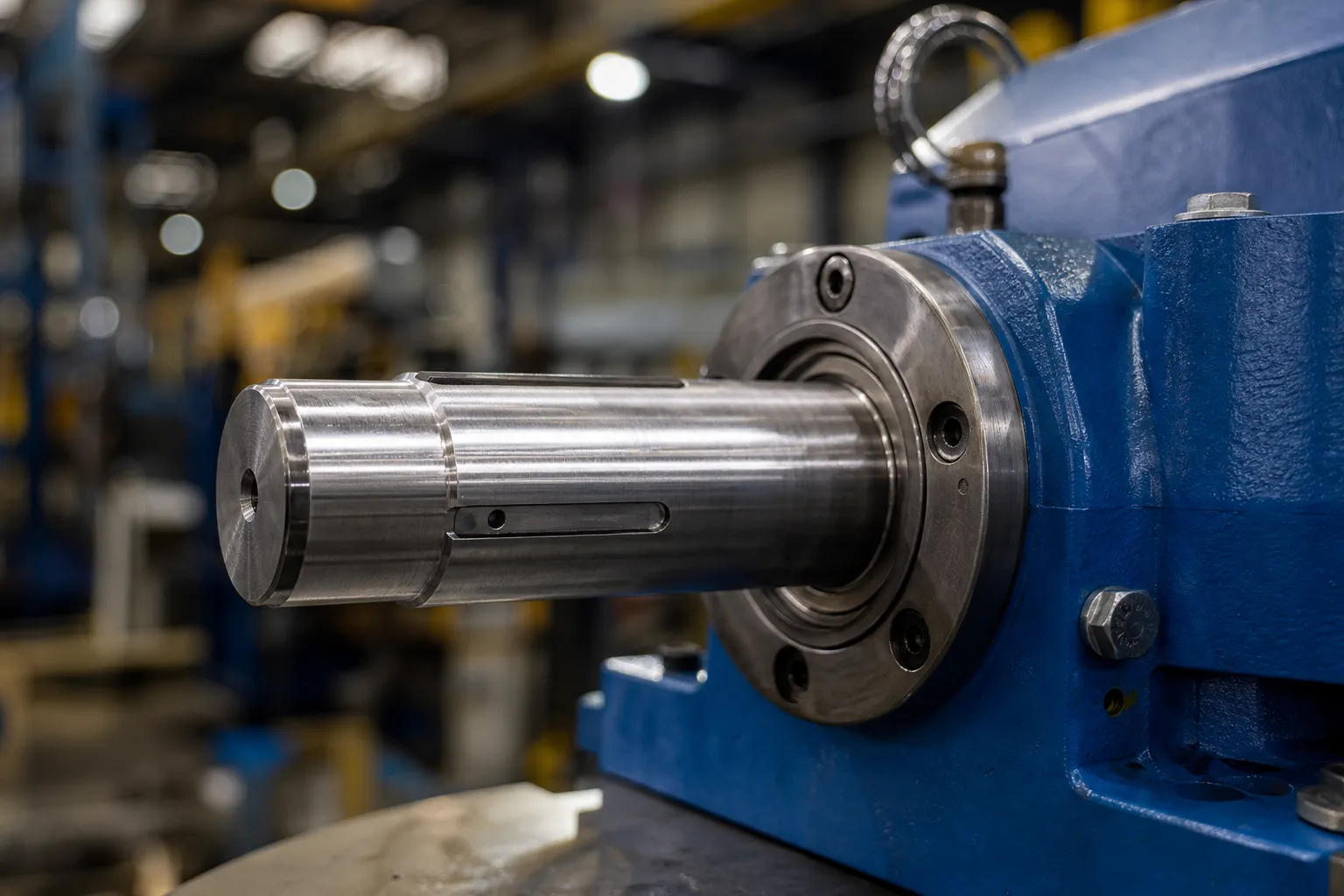
*Inženierzinātņu koncepcijas ilustrācija. Tajā uzsvērta atbrīvotā stāvokļa pārbaude un izsekojamība, nav solītā automātiskās pārbaudes funkcija.*
Migrācijas ceļš Neviens nenožēlo
Manuālais un automātiskais lēmums praksē reti ir binārs, un visizplatītākais veiksmīgais modelis ir iestudēts: automatizēt darbības, kuru validācija ir pabeigta un kuru atteices režīmi ir saprotami, paturēt cilvēku rokas un spriest par soļiem, kas nav. Bieža pirmā pakāpe automatizē mērīšanu un izvietojumu — iekārta mēra daļu, operators joprojām ielādē un koriģē — jo mērījumu atkārtojamība parasti ir pirmais vājais kakls un tā automatizācijas risks ir zems. Otrajā posmā tiek pievienota automātiska ielāde un detaļu identifikācija, kad ģimenes prezentācija ir stabila, domēns, uz kuru attiecas iztaisnošanas mašīnu kopšana ar robotiem. Pilnīga slēgtā cikla korekcija ir pēdējā, pēc tam, kad korekcijas atbilde ir apstiprināta visā ienākošo kļūdu sadalījumā. Katru posmu pamato viens un tas pats pierādījumu noteikums: testa paraugs konkrētajam solim, darbojas uz reprezentatīvām un sliktākajām daļām, ar izvietojuma maršrutēšanu, kas demonstrēta saskaņā ar PIETIEK disciplīnas. Rūpnīcas, kas ievēro šo secību, iegādājas automatizāciju tur, kur tā ir pierādīta, un saglabā elastību, kur tā ir nepieciešama; rūpnīcas, kas iegādājas pēdējo posmu, vispirms pavada ekspluatācijas periodu, atklājot, ko tās izlaidušas.
Prasmes, ko patērē katrs maršruts
Neviens maršruts nav bez prasmēm, un nepareizas prasmju kopas plānošana klusi izsaldē līniju. Manuālais maršruts koncentrē prasmes operatorā: lasot kļūdu karti, izvēloties korekcijas punktus, spriežot par pakāpenisku reakciju — zināšanas, kuru izveide prasa reālu laiku, dzīvo mazos cilvēkos, un kopā ar viņiem iziet pa durvīm. Automatizētais maršruts sadala prasmes visā organizācijā: procesu inženieri, kas apstiprina ģimenes un uztur receptes, apkopes personāls, kas var diagnosticēt sensora vai armatūras defektu, pirms tas kļūst par lūžņiem, un kvalitatīvs personāls, kuram pieder korelācijas pētījumi, kas nodrošina iekārtas rādījumu nozīmi pieņemšanas brīdī. Pircējs, kurš pāriet no manuālās uz automātisko un strādā tikai ekspluatācijai, nevis inženierijas un apkopes vajadzībām, parasti konstatē, ka šūnas receptes ir iesaldētas., tā korelācija ir novecojusi un tās izņēmumi nav zināmi pirmajā gadā. Tāpēc automatizācijas robeža uz papīra ir jāsaskaņo ar personāla plānu, kas atbilst prasmēm, kuras patērē katrā šīs robežas pusē..
Pieņemiet lēmumu, izmantojot parauga pārbaudi
Salīdziniet kandidātu maršrutus, izmantojot reprezentatīvas parastās un sliktākās daļas. Ieraksta ielādes/iestatīšanas atkārtojamība, ģeometrija pirms un pēc, atbrīvotā stāvokļa rādījumi, virsmas stāvoklis, apstrāde, maiņa, datu uztveršana un izņēmumu maršrutēšana. Neizseciniet ikgadējo darbaspēka ietaupījumu, konkurenta izstrādājuma caurlaidspēja vai atmaksāšanās vai hipotētiskais cikla laiks.
FAQ
Vai automātiskā iztaisnošana vienmēr ir precīzāka?
Nē. Precizitāte ir atkarīga no sagataves, datum, mērīšana, korekcijas atbildes un pieņemšanas metode. Automatizācija var uzlabot atkārtojamību tikai tad, ja šie pamati ir apstiprināti.
Kad manuālā iztaisnošana ir labāka izvēle?
Tas var būt piemērots attīstībai, nestabilas vai ļoti mainīgas daļu ģimenes, maza apjoma darbs, sarežģīta iestatīšana, vai situācijas, kad korekcijas maršruts vēl tiek kvalificēts.
Vai manuālai sistēmai var būt izsekojamība?
Jā. Kontrolēta identifikācija, mērinstrumentu ieraksti, receptes/armatūras disciplīnas un izvietojuma ierakstus var ieviest neatkarīgi no automatizācijas līmeņa.
Vai pusautomātiskā iztaisnošana ir kompromiss vai stratēģija?
Stratēģija, kad tas tiek iestudēts apzināti. Vispirms automatizējiet mērīšanu un izvietojumu, ielāde otrā, un slēgtā cikla korekcija pēdējo reizi saskaņo automatizācijas ieguldījumus ar apstiprinātām zināšanām — katrā posmā tiek veikts izlases tests, un tiek saglabāta elastība tur, kur ģimenes vēl tikai attīstās.
Kādas prasmes vēl ir vajadzīgas automātiskajai līnijai?
Procesu inženierija, lai apstiprinātu ģimenes un kontrolētu receptes, apkope, kas spēj diagnosticēt sensoru un armatūras defektus, un kvalitātes īpašumtiesības uz mērinstrumenta korelāciju. Darbība samazinās; inženierijas un apkopes prasmes nav — tās parasti pieaug.
Vai automatizācija samazina kvalitatīvu lēmumu skaitu?
Tas tos pārvieto. Ikdienas izvietojums kļūst automātisks, bet maršrutēšanas noteikumu definīcija, recepšu apstiprināšana un reaģēšana uz izņēmumiem paliek cilvēku lēmumi ar nosauktu autoritāti. Robeža ir starp lēmumu izpildi un to pieņemšanu.