
Nolasījums, kas veikts, kamēr apstrādājamā detaļa ir pakļauta korekcijas spēkam, skavas spēks, spriedze vai konkrēts atbalsta stāvoklis var būt vērtīga procesa informācija. Tas automātiski nav galīgais pieņemšanas rezultāts. Kad ārējie spēki tiek noņemti, daļa, balsti un mērīšanas sistēma var reaģēt atšķirīgi, izmantojot atsperes palīdzību, sag, sēdekļu maiņa vai armatūras atbrīvošana. Tāpēc pieņemšanas metodē ir jānorāda, kurš nosacījums nosaka lēmumu.
Šajā rakstā ir sniegta inženiertehniskā pieņemšanas sistēma. Tajā nav norādīta atsperes vērtība, pieļaujama novirze, StraighteningTech mērījumu iespēja vai garantēts rezultāts. Kontrolētais rasējums un klientu atsauces metode joprojām ir autoritatīva.

*Inženierzinātņu koncepcijas ilustrācija. Tas uzsver pārbaudi pēc atbrīvošanas; tas nav klienta pieņemšanas ziņojums vai konkrēta taisnuma rezultāta pierādījums.*
Nosauciet mērīšanas nosacījumu
Pirms rādījumu salīdzināšanas, dokumentējiet, vai daļa ir bezmaksas, atbalstīts, saspiests, saspringta, rotējošs, nospiests, turēts pret pieturu vai citādi ierobežots. Nosakiet arī atskaites punktu, atbalsta vietas, span, orientācija, mērierīce un aprēķina noteikums. Skaitli bez šī konteksta nevar ticami salīdzināt ar zīmēšanas prasību vai citu pārbaudes staciju.
| Stāvoklis | Noderīgs priekš | Ar to vien nepietiek |
|---|---|---|
| Zem korekcijas spēka | Procesa reakcija un pakāpeniska kontrole | Galīgā ģeometrijas pieņemšana |
| Ieslēgts armatūrā | Iestatīšanas atkārtojamība un pozicionēšana procesa laikā | Bezmaksas/atbrīvotas daļas rezultāts, ja vien nav norādīts |
| Atbalstīts uz kontrolēta laiduma | Konsekventa mašīnas mērīšana | Cits klientu atbalsta nosacījums |
| Atbrīvots saskaņā ar saskaņoto pārbaudes metodi | Galīgais lēmums, kad to pieprasa specifikācija | A claim about every future lot or variant |
The Mechanics Behind the Difference
Why does a part measure straighter under the press than after release? Three effects stack. Pirmkārt, elastic deflection: while correction force is applied, the section is elastically bent in addition to its permanent shape, so the gauge reads the sum of plastic geometry and elastic deflection. Remove the force and the elastic part of that reading disappears with it — the mechanics behind atsperes kompensācija in process control. Otrkārt, reakcijas ģeometrija: supports and clamps carry reaction loads that change the part’s shape while it is held, and fixture compliance under those loads shifts the measured stations. Trešais, sēdvietas: clamping forces seat the part onto its datum features differently than free placement does, so the datum itself moves between conditions.
The sign of the combined effect is not always predictable — that is the trap. A machine reading under support can be higher or lower than the released value depending on which effect dominates, which is why no fixed correction offset between the two conditions survives contact with a real part family. The relationship has to be measured per family, per support condition, and revisited whenever the setup changes.
Gravity Is Part of the Reading
Uz slaidām daļām, self-weight sag is not negligible — it is often the same order as the tolerance being controlled. A bar supported at its ends droops in the middle; the same bar supported at intermediate points droops less but tilts its ends. This gives the support layout a measurement role that is independent of its correction role: where the part sits while being read determines what the gauge sees, before any part geometry enters. Precision length metrology solved this decades ago for standards and line scales, and the same logic transfers: symmetric support at roughly 0.21 of the length from each end (the Airy points) minimizes end slope, while support near 0.22 of length (the Bessel points) minimizes mid-length sag for a uniform section. Production lines do not always need textbook elegance — they need consistency — but the underlying point is non-negotiable: the support condition is part of the measurement definition, and it must match between machine, local inspection and customer gauge or be explicitly correlated. The same reasoning governs rotating measurements, where support and seating effects enter the trace directly.
Understand Why the Reading Can Change
Materiālu atgūšana, atbalsta lieta, kontakta atbrīvošana, armatūras elastīgā reakcija, sēdvietu maiņa, temperatūra un mērīšanas metode var veicināt izmaiņas starp procesa un galīgo nolasījumu. Cēlonis ir jāizmeklē, nevis jāpieņem. Mazāk noslogots rādījums var vienkārši nozīmēt, ka iekārta tur detaļu tādā stāvoklī, kādā tā netiks saglabāta pēc atbrīvošanas.
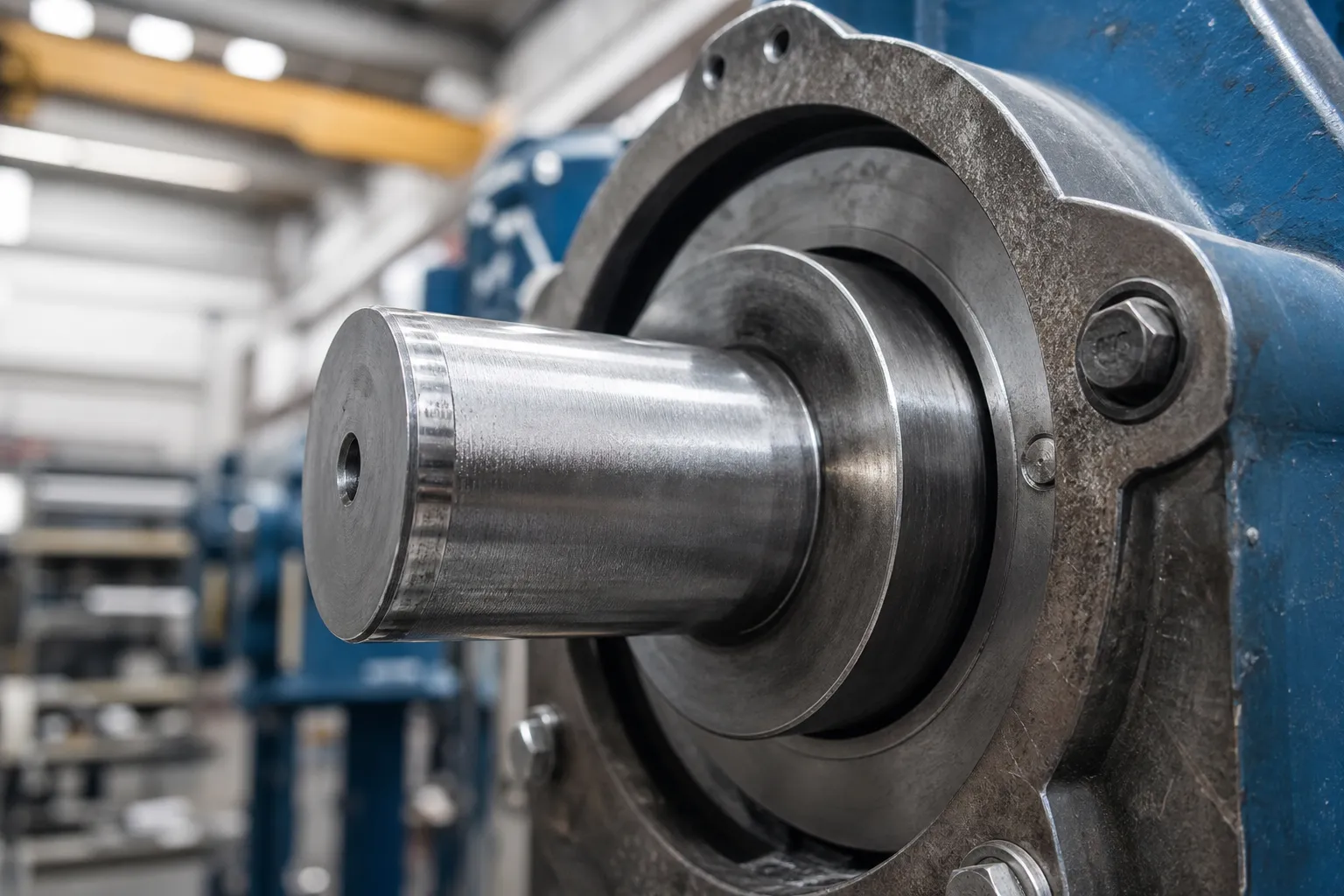
*Inženierzinātņu koncepcijas ilustrācija. It shows a released-state verification step, nav universāls aprīkojums, sensor or acceptance procedure.*
Define the Datum and Support Condition Together
Vienai un tai pašai sagatavei var būt atšķirīga ģeometrija, ja tā tiek atbalstīta dažādos punktos vai tiek atkārtoti ievietota armatūrā. The agreement should identify reference features, atļautie balsti, aksiālās/rotācijas pozīcijas, mērītāja kontaktu un precīzu atbrīvošanas stāvokli. Ja mašīna un klienta mērītājs atšķiras, to attiecībām ir nepieciešams dokumentēts korelācijas pētījums, nevis līdzvērtības pieņēmums.
See machine gauge versus customer gauge correlation and armatūras atkārtojamība un bāzes sēdvietas saistītajām kvalitātes kontrolēm.
Izmantojiet izlaišanu kā slēgta cikla procesa soli
Procesam jāietver šāda secība:
- identificēt apstiprināto daļu saimi, rasējuma pārskatīšanas un mērīšanas metode;
- pārbaudīt, notīriet un ielādējiet norādīto atskaites punktu/balsta izvietojumu;
- fiksēt sākotnējo rādījumu un tā stāvokli;
- piemērot jebkuru apstiprinātu pieauguma korekciju;
- noņemiet korekcijas spēku, skavas un pagaidu ierobežotāji, kā noteikts;
- gaidīt vai stabilizēt tikai saskaņā ar saskaņoto procedūru;
- veikt atkārtotu mērījumu vajadzīgajā atbrīvotajā stāvoklī;
- ierakstiet rezultātu, atkārtotu/atkārtotu pārbaudi un PASS/NOK/inženieriskās apskates izvietojumu.
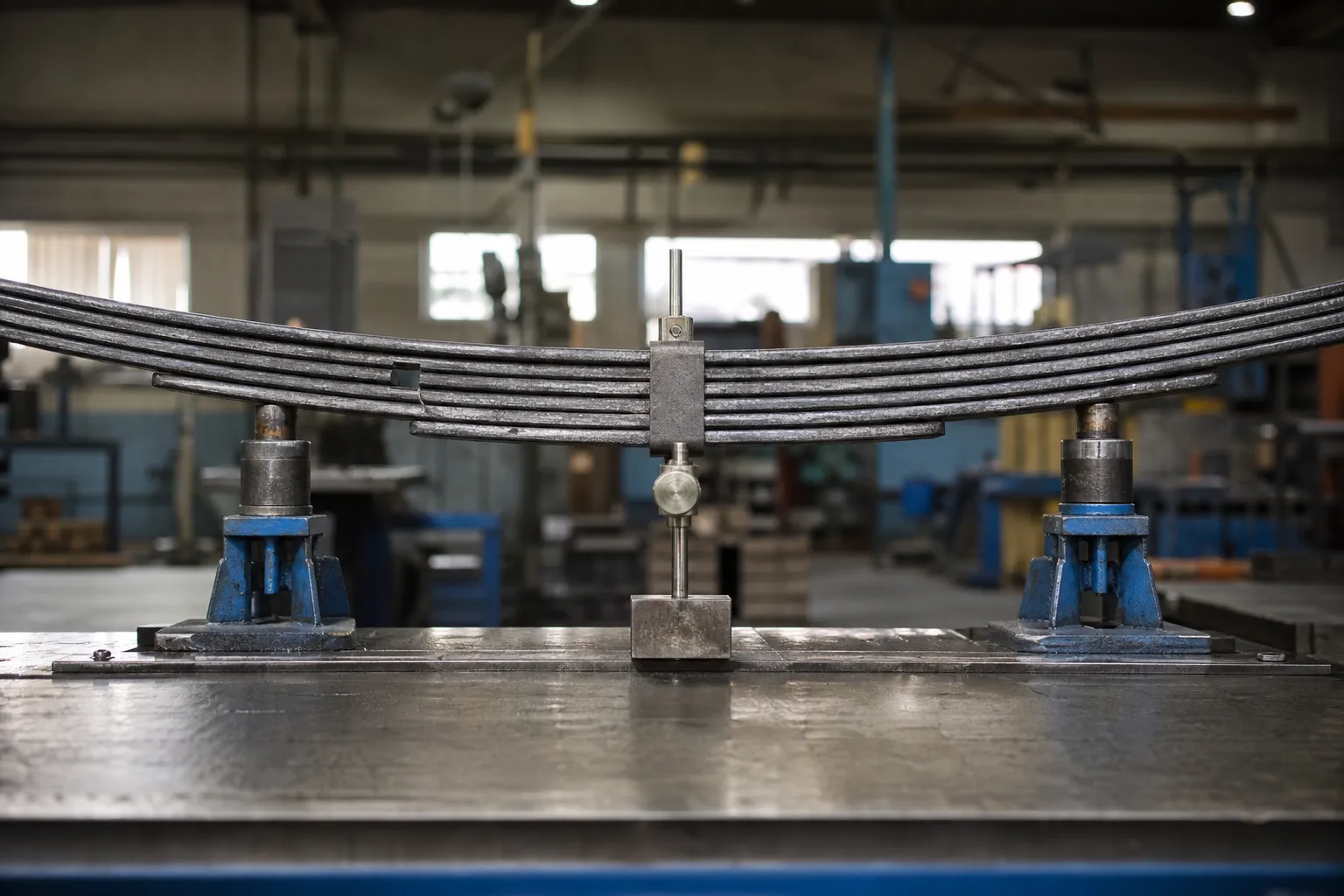
*Inženierzinātņu koncepcijas ilustrācija. Tas parāda, ka nepieciešamais brīvā stāvokļa stāvoklis var atšķirties atkarībā no sagataves saimes; tajā nav noteikta atsperu pieņemšanas procedūra vārpstām vai caurulēm.*
When the Loaded Reading Is the Right Reading
Loaded-versus-released is not a morality tale in which released always wins. Some acceptance definitions are written in a loaded or restrained state, because that is how the part functions or how its predecessor processes measured it: wire and strip under tension, parts inspected on a defined mandrel, assemblies checked in the clamped condition of the next operation. The engineering failure is not measuring under load — it is measuring under load while the drawing and the customer expect free state, vai otrādi, without anyone naming the condition. The fix is clerical and absolute: the acceptance record states the condition, and any station that cannot reproduce that condition either gets the correlation study or gets out of the acceptance path.
Is the Part Finished Moving After Release?
A released reading is only final if the part has stopped changing. Immediately after correction, several slow effects can still be in play: elastic recovery completes quickly, but micro-yield rearrangement in freshly worked zones, residual-stress redistribution around the corrected section, and temperature equalization between a warm part and a cooler gauge room all act on slower clocks. For most part families the movement after release is small and stabilizes quickly — but “small” un “quickly” are exactly the kind of quantities that must be established once per family by re-measuring released parts at defined intervals, rather than assumed forever. When a family shows continuing drift, the process answer may be a defined stabilization hold before final measurement, or in stubborn cases a stress-relief route reviewed with the customer — the staging decisions covered for iztaisnošana pēc termiskās apstrādes.
The practical protocol is simple: at qualification, measure released parts immediately, then again after the interval the production schedule can afford. If the readings agree within the gauge’s own repeatability, immediate reading is validated for that family and the question is closed. If not, the stabilization step becomes part of the method, written down with the interval, the support state during the hold, and the temperature condition.
Build a Sample Correlation Plan
Reprezentatīvie paraugi jāmēra atbilstoši mašīnas stāvoklim un klienta atsauces nosacījumiem. Ierakstiet atskaites punktu, atbalsta, temperature/environment where relevant, operators/iestatīšana, atkārtojiet rādījumus, part orientation and calculation method. The purpose is to understand bias and variation, nepiespiest divas sistēmas ziņot par vienu un to pašu numuru bez noteiktas attiecības.
Izmantot iztaisnošanas parauga pārbaude un pieņemšana to define the sample plan and point-press straightening for the process-control boundary.
FAQ
Vai zemāks rādījums, piespiežot spiedienu, ir garāmejošs rezultāts?
Nē. Tas ir lasīšanas procesā, ja vien kontrolētā pieņemšanas metode nepārprotami pieprasa šo nosacījumu. Galīgajai pieņemšanai ir jāatbilst norādītajam atbrīvošanas nosacījumam.
Vai atbrīvotais mērījums vienmēr nozīmē, ka tas ir pilnībā neatbalstīts?
Nē. “Atbrīvots” nozīmē nosacījumu, kas noteikts līgumā pēc korekcijas spēka un pagaidu ierobežojuma noņemšanas. Joprojām var būt nepieciešams kontrolētas pārbaudes atbalsts.
Vai viena mērīšanas metode var aizstāt klienta mērinstrumentu?
Ne bez dokumentēta korelācijas un pieņemšanas līguma.
How much lower is a released reading than a loaded one?
There is no universal difference — the offset depends on the part’s stiffness, the correction force, the support layout and the fixture compliance, and it can even change sign between setups. That is precisely why the correlation plan measures the relationship per part family instead of applying a inherited correction factor.
Does support location change straightness readings on slender parts?
Jā, through self-weight sag. Supporting a long part at its ends maximizes mid-span droop; intermediate supports reduce it. The measurement definition therefore fixes the support positions, and the same positions — or a documented correlation to them — must be used wherever the acceptance decision is made.
Should parts be re-measured some time after release?
At qualification, yes — released parts re-measured after a defined interval tell you whether the family stabilizes immediately or continues to move. If readings agree within gauge repeatability, immediate measurement is validated; if not, a written stabilization step joins the method.