
Rankinis ir automatinis tiesinimas nėra kokybės ženklai. Bet kuris maršrutas gali būti netinkamas, kai ruošinio atskaitos taškas, matavimo metodas, kontaktinės zonos, priėmimo taisyklė arba tvarkymo procesas neapibrėžtas. Naudingas klausimas yra tas, kuriuos veiksmus reikia pakartotinai valdyti apibrėžtoje dalių šeimoje, o kuriuos veiksmus vis dar reikia atlikti kvalifikuotai, inžinerinis patvirtinimas arba kliento matuoklio patikra.
Šis vadovas yra atrankos sistema, ne teiginys, kad StraighteningTech tiekia tam tikrą automatikos konfigūraciją arba kad automatika garantuoja tikslumą, ciklo laikas, darbo jėgos mažinimas arba IG. Šiems rezultatams reikalinga patikrinta įrangos apimtis ir reprezentatyvūs gamybos įrodymai.
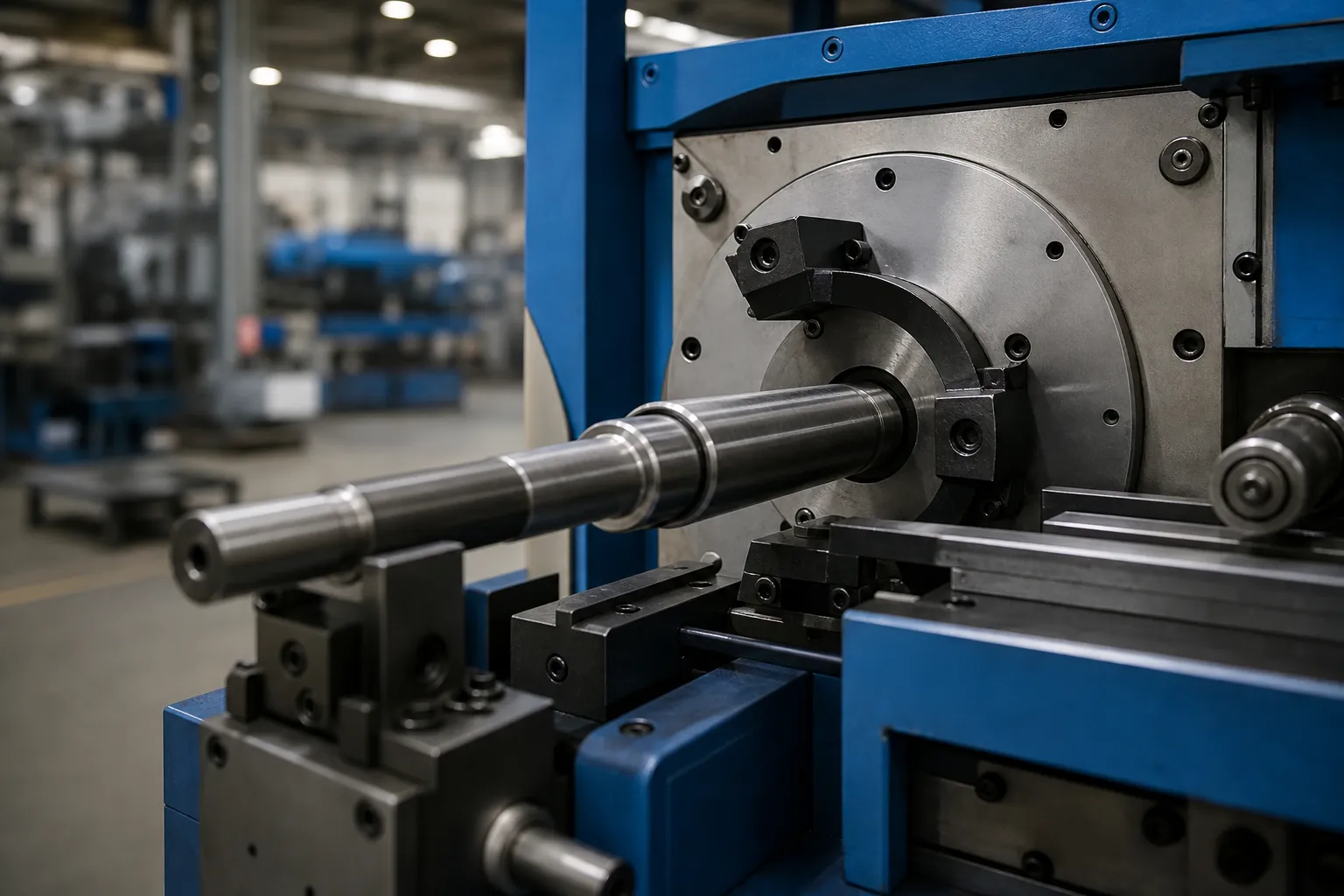
*Inžinerinės koncepcijos iliustracija. Tai rodo galimą automatizuoto tvarkymo kontekstą, nėra galimos vietinės konfigūracijos ar gamybos rezultato įrodymas.*
Apibrėžkite automatizavimo ribą
„Automatinis“ gali apibūdinti vieną ar kelias skirtingas funkcijas. Įkeliama, dalies identifikavimas, orientacija, sėdimoji vieta, matavimas, korekcija, iškrovimas, recepto pasirinkimas, atsekamumas ir NOK rūšiavimas turėtų būti vertinami atskirai.
| Funkcija | Rankinis maršrutas įvertinti | Automatizuotas maršrutas vertinimui |
|---|---|---|
| Pakrovimas ir orientacija | Operatoriaus valdymas, tvirtinimo tvirtinimas ir saugi ergonomika | Šeimos identifikavimas, kontroliuojamas pateikimo ir tvarkymo patvirtinimas |
| Matavimas | Operatoriaus sąranka, matuoklio skaitymas ir pakartojamumas | Kontroliuojama seka, duomenų surinkimas ir koreliacija |
| Pataisymas | Kvalifikuotas sprendimas ir laipsniškas atsakas | Receptu valdomos kilpos ir išimčių slenksčiai |
| Keitimas | Tvarkos / nustatymo disciplina ir pirmoji peržiūra | Versijų valdymas, įrankių tapatybė ir pirmosios dalies patvirtinimas |
| Nusiteikimas | Fizinis atskyrimas ir dokumentuota peržiūra | Apibrėžtas PASS/NOK/rework maršrutas su žmogaus įgaliojimais |
Automatinė linija vis tiek gali reikalauti rankinio patvirtinimo kritiniame etape. Rankinėje darbo vietoje vis tiek galima naudoti valdomus matuoklius ir atsekamus įrašus. Atranka turėtų apibūdinti tikrąjį procesą, o ne naudoti plačią etiketę.
Pradėkite nuo ruošinių sumaišymo ir priėmimo
Didelė variacija, neaiški data, sudėtingas tvarkymas arba dažni inžineriniai pakeitimai gali padaryti lankstų rankinį arba pusiau automatinį maršrutą tinkamu kūrimo metu. Stabili šeima su pasikartojančiu apkrovimu, apibrėžtas matavimas ir patvirtintas korekcijos atsakas gali pateisinti didesnį automatizavimą. Nei vienos išvados negalima daryti vien iš gamybos apimties.
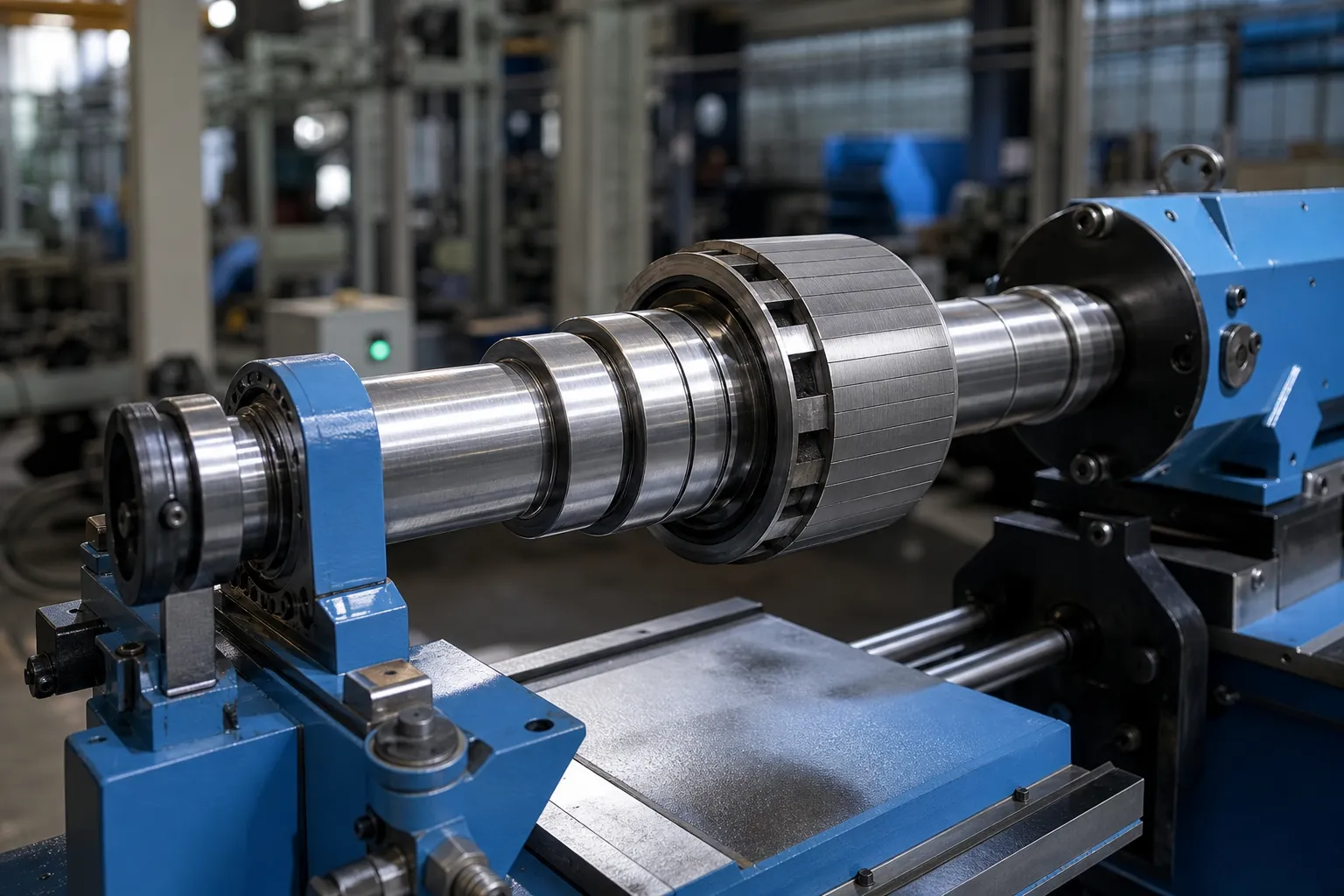
*Inžinerinės koncepcijos iliustracija. Tai reiškia uždaro ciklo korekcijos koncepciją; tai nereiškia, kad palaikomas tam tikras variklio velenas arba automatikos funkcija.*
RFQ turėtų nurodyti ruošinio variantus, medžiagos/proceso etapas, gaunamų klaidų paskirstymas, atskaitos taškas, saugomos zonos, klientų matuoklis, tikslinis mišinys ir tvarkymo apribojimai. Naudokite velenas, vamzdžių ir profilių tiesintuvo pasirinkimas prieš lyginant automatikos etiketes.
Ką automatika iš tikrųjų kartoja
Pašalinkite robotiką ir automatinė tiesinimo mašina yra įrenginys, skirtas pakartotinai patvirtintai sekai: nustatyti šeimą, pasodinkite dalį, matuoti pagal išsaugotą taisyklę, pritaikyti išsaugotą koregavimo atsakymą, išmatuoti iš naujo, maršrutą. Kiekvieną iš tų veiksmažodžių iš pradžių parašė asmuo – inžinierius, kvalifikavęs atskaitos tašką, operatorius, įrodęs koregavimo atsakymą mėginiuose, kokybės funkcija, patvirtinusi priėmimo taisyklę. Automatika tų žinių nesukuria; ji ją išsaugo ir vykdo. Šis įrėminimas paaiškina ir stiprumą, ir ribas. Jėga: kartą patvirtinus, seka vyksta identiškai aštuntą pamainą kaip ir pirmą valandą, nepaveiktas nuovargio, ir kiekviena dalis neša savo duomenis. Riba: viskas prieš patvirtinimą – naujos šeimos korekcijos koncepcijos kūrimas, diagnozuojant nepažįstamą signalą, nuspręsti, ar anomalija yra sąrankos klaida, ar dalies problema – lieka inžinerinis ir kvalifikuotas darbas, kad ir kokia automatinė būtų ląstelė. Gamykla, kuri automatizuoja prieš patvirtindama, automatizuoja savo painiavą linijos greičiu.
Sąnaudų struktūros yra skirtingos, Ne tik etiketės
Maršrutų palyginimas pagal pirkimo kainą arba darbuotojų skaičių, kai kiekvienas maršrutas išleidžia pinigus. Rankinis maršrutas jį praleidžia nuolat: kvalifikuotiems operatoriams sukurti reikia laiko ir juos sunku pakeisti, pralaidumas skiriasi priklausomai nuo pamainoje dirbančio asmens, ir nuoseklumas tarp operatorių yra nuolatinė priežiūros užduotis – atkuriamumo komponentas matavimo tyrimai egzistuoja daugiausia dėl to. Automatizuotas maršrutas praleidžiamas iš priekio ir gabalais: inžinerinės pastangos patvirtinti kiekvieną šeimą, kol ląstelė gali ją paleisti, armatūra ir įrankiai vienai šeimai, ir priežiūros bei kalibravimo disciplina, nuo kurios priklauso ląstelė, tačiau gamybos grafikas retai švenčiamas. Pakeitimo ekonomika apverstas tarp maršrutų – pigus įgūdžių ir lėtas per kelias minutes ant rankinio stendo, greitas per kelias minutes, bet brangus paruošimas automatinėje linijoje. Dėl to nė vienas maršrutas abstrakčiai neatpigs; tai reiškia dalių mišinį, keitimo dažnis ir turimi įgūdžiai nusprendžia, kuri išlaidų struktūra tinka. The mašinos kaštų struktūros aptarimas elgiasi su šiais vairuotojais neapsimetinėdama visuotiniais atsipirkimo skaičiais.
Palyginkite matavimo ir korekcijos kilpas
Rankinis tiesinimas gali priklausyti nuo operatoriaus, matuoti, pasirinkite pataisos tašką ir išmatuokite iš naujo. Automatinis tiesinimas gali pakartoti išsaugotą seką. Abiem atvejais, galutinis rezultatas priklauso nuo atskaitos vietos, matavimo koreliacija, leistinas kontaktas, laipsniškas pataisymas ir atleidimo būsenos patikra.
| Klausimas | Kodėl tai keičia sprendimą |
|---|---|
| Ar gaunamas geometrijos žemėlapis pakartojamas? | Automatika negali kompensuoti neapibrėžto ar nestabilaus signalo |
| Ar atramas ir korekcijos taškus nustato šeima? | Didelio mišinio dalis gali prireikti inžinerinės peržiūros, o ne bendro recepto |
| Ar koreliuoja kliento matuoklis? | Mašinos rodmenys automatiškai nepakeičia galutinio patikrinimo |
| Ar apibrėžtos išimtys? | Nekontroliuojamas pakartotinis bandymas gali paslėpti proceso problemą |
Dėl proceso ribos, žr tiesinimas taškiniu spaudimu ir tiesinimo pavyzdžio bandymas ir priėmimas.
Įvertinkite pakeitimą, Duomenys ir išimtys
Automatizavimas gali būti naudingas tik tada, kai dalis tapatybę, armatūra, recepto versija, pirmas patvirtinimas, valdomi duomenų laukai ir išimčių maršrutai. Peržiūroje turėtų būti nurodyta, kas gali pakeisti nustatymą, kaip neleidžiama paleisti senų versijų, kaip identifikuojamas armatūra, ir kas nutinka po matavimo arba proceso signalo įspėjimo.
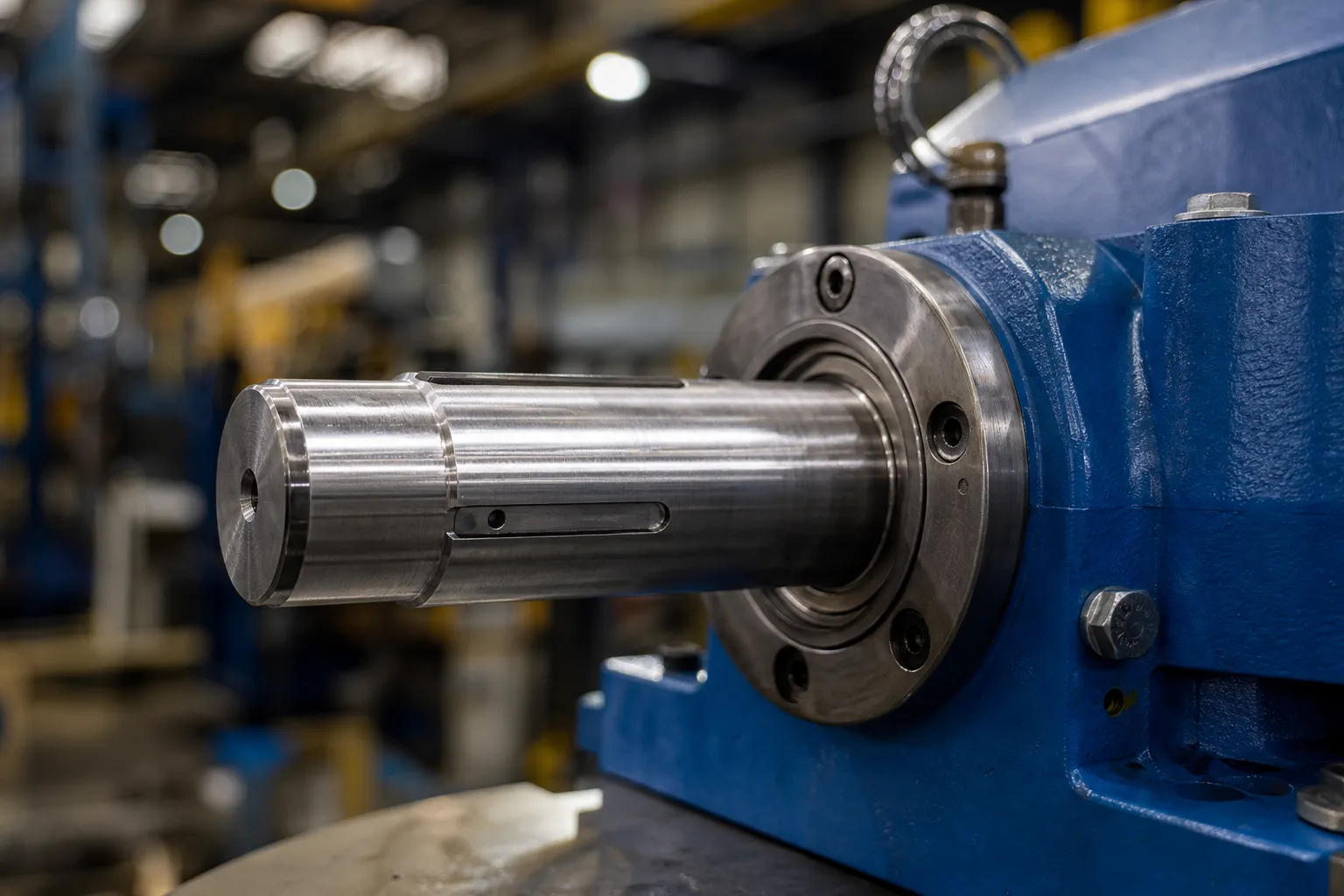
*Inžinerinės koncepcijos iliustracija. Jame pabrėžiamas išleidimo būsenos patikrinimas ir atsekamumas, ne žadėta automatinio tikrinimo funkcija.*
Migracijos kelias Niekas nesigaili
Rankinis ir automatinis sprendimas retai būna dvejetainis, ir dažniausiai sėkmingas modelis yra surežisuotas: automate the steps whose validation is complete and whose failure modes are understood, keep human hands and judgment on the steps that are not. A frequent first stage automates measurement and disposition — the machine gauges the part, the operator still loads and corrects — because measurement repeatability is usually the first bottleneck and its automation risk is low. Antrasis etapas prideda automatinį įkėlimą ir dalių identifikavimą, kai šeimos pristatymas yra stabilus, domenas, kuriam taikomas tiesinimo mašinų priežiūra robotu. Visiška uždaro ciklo korekcija yra paskutinė, after the correction response has been validated across the incoming error distribution. Each stage is justified by the same evidence rule: konkretaus veiksmo bandymo pavyzdys, veikia reprezentatyviose ir blogiausiose dalyse, su disponavimo maršrutu, parodytu pagal UŽteks disciplinos. Factories that follow this sequence buy automation where it is proven and keep flexibility where it is needed; factories that buy the last stage first spend their commissioning period discovering what they skipped.
Įgūdžiai, kurių reikia kiekvienam maršrutui
Nė vienas maršrutas nėra be įgūdžių, and planning the wrong skill set starves the line quietly. The manual route concentrates skill in the operator: skaitydamas klaidų žemėlapį, pataisos taškų pasirinkimas, judging incremental response — expertise that takes real time to build, gyvena nedaugelyje žmonių, ir kartu su jais išeina pro duris. The automated route distributes skill across the organization: process engineers who validate families and maintain recipes, techninės priežiūros personalas, kuris gali diagnozuoti jutiklio ar įtaiso gedimą, kol jis netampa laužu, ir kokybiški darbuotojai, kuriems priklauso koreliacijos tyrimai, pagal kuriuos mašinos rodmenys yra reikšmingi priimant. Pirkėjas, pereinantis nuo rankinio prie automatinio, kuris dirba tik eksploatacijai, o ne inžinerijai ir priežiūrai, paprastai nustato, kad ląstelės receptai yra užšaldyti., jos koreliacija pasenusi, o išimtys – nepažįstamos per pirmuosius metus. Todėl automatizavimo riba popieriuje turėtų būti suderinta su personalo planu, skirtu įgūdžiams, kurių sunaudoja kiekviena tos ribos pusė..
Priimkite sprendimą atlikdami pavyzdinį testą
Palyginkite kandidatų maršrutus naudodami tipines įprastas ir blogiausias dalis. Įrašo įkėlimo / sąrankos pakartojamumas, geometrija prieš ir po, išleisti valstybiniai rodmenys, paviršiaus būklė, tvarkymas, pakeitimas, duomenų fiksavimas ir išimčių nukreipimas. Nedarykite išvados apie metinį darbo sutaupymą, pralaidumas arba atsiperkamumas iš konkurento straipsnio arba hipotetinio ciklo trukmė.
DUK
Ar automatinis tiesinimas visada tikslesnis?
Nr. Tikslumas priklauso nuo ruošinio, atskaitos taškas, matavimas, koregavimo atsakymo ir priėmimo būdas. Automatizavimas gali pagerinti pakartojamumą tik tada, kai tie pagrindai yra patvirtinti.
Kada rankinis tiesinimas yra geresnis pasirinkimas?
Tai gali būti tinkama plėtrai, nestabilios arba labai kintančios dalių šeimos, mažos apimties darbas, sudėtingas nustatymas, arba situacijos, kai korekcijos maršrutas vis dar kvalifikuojamas.
Ar rankinė sistema gali turėti atsekamumą?
Taip. Kontroliuojamas identifikavimas, matuoklio įrašai, recepto / tvirtinimo disciplinos ir išdėstymo įrašai gali būti įdiegti nepriklausomai nuo automatizavimo lygio.
Ar pusiau automatinis tiesinimas yra kompromisas ar strategija?
Strategija, kai jis pastatytas sąmoningai. Pirmiausia automatizuokite matavimą ir išdėstymą, įkeliama antra, o uždarojo ciklo korekcija galiausiai suderina investicijas į automatizavimą su patvirtintomis žiniomis – kiekviename etape atliekamas pavyzdinis testas, ir lankstumas išlaikomas ten, kur šeimos dar tik kuriasi.
Kokių įgūdžių dar reikia automatinei linijai?
Proceso inžinerija, skirta patvirtinti šeimas ir kontroliuoti receptus, techninė priežiūra, leidžianti diagnozuoti jutiklių ir armatūros gedimus, ir kokybės savybė matuoklio koreliacijai. Sumažėja operacijos darbas; inžinerijos ir techninės priežiūros įgūdžiai nekyla – paprastai jie pakyla.
Ar automatizavimas sumažina kokybiškų sprendimų skaičių?
Tai juos perkelia. Įprastos nuostatos tampa automatinės, bet maršruto parinkimo taisyklių apibrėžimas, receptų patvirtinimas ir reagavimas į išimtis lieka žmogaus sprendimais, turinčiais įvardytą autoritetą. Riba yra tarp sprendimų vykdymo ir jų priėmimo.