
手動および自動矯正は品質ラベルではありません. ワークの基準が異なる場合、どちらのルートも適さない可能性があります。, 測定方法, コンタクトゾーン, 受け入れルールまたは処理プロセスが未定義. 有益な質問は、どのステップが定義された部品ファミリーに対して反復可能な制御を必要とするか、またどのステップが依然として熟練したセットアップを必要とするかということです。, エンジニアリング承認または顧客ゲージの検証.
このガイドは選択フレームワークです, StraighteningTech が特定の自動化構成を提供する、または自動化が精度を保証するという主張ではありません, サイクルタイム, 労働力の削減または ROI. これらの結果には、検証された機器の範囲と代表的な生産証拠が必要です.
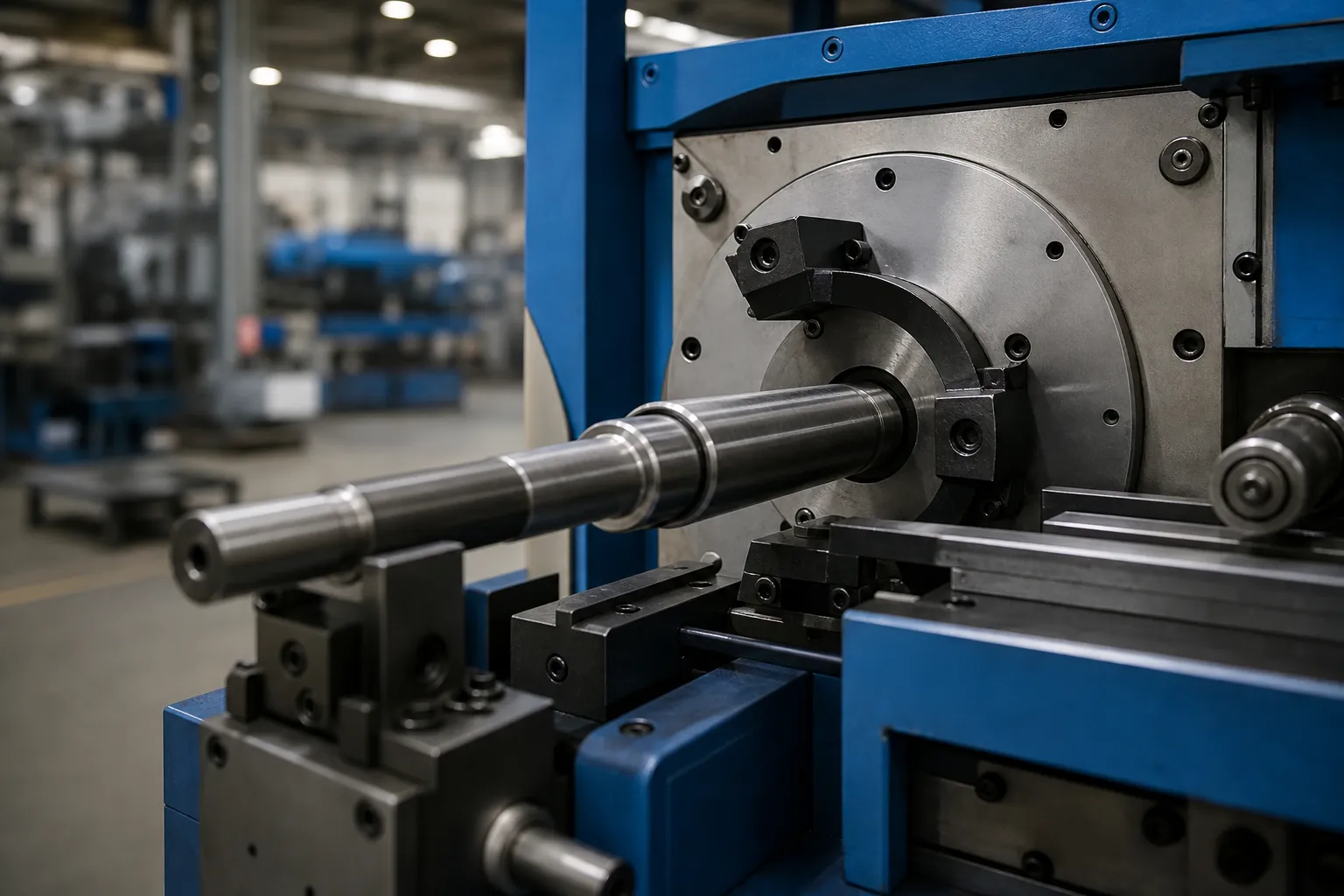
*エンジニアリングの概念図. 考えられる自動処理コンテキストを示します, 利用可能なローカル構成または実稼働結果の証拠ではありません。*
自動化の境界を定義する
「自動」では、1 つまたは複数の異なる機能を説明できます。. 読み込み, 部品の識別, 向き, データムシート, 測定, 修正, 荷降ろし, レシピの選択, トレーサビリティとNOK選別は別々に評価する必要がある.
| 関数 | 手動で評価するルート | 評価する自動ルート |
|---|---|---|
| 荷重と方向 | オペレーターの対応, 治具の確認と安全な人間工学 | 家族の識別, 制御されたプレゼンテーションと処理の検証 |
| 測定 | オペレータのセットアップ, ゲージの読み取り値と再現性 | 制御されたシーケンス, データのキャプチャとゲージの相関関係 |
| 修正 | 熟練した判断力と段階的な対応力 | レシピ制御のループと例外のしきい値 |
| 切り替え | 試合/セッティングの規律と最初のレビュー | バージョン管理, ツールのアイデンティティと最初の部分の確認 |
| 配置 | 物理的な隔離と文書化されたレビュー | 人間の権限による PASS/NOK/再作業ルーティングの定義 |
自動ラインでも重要なステップでは手動による承認が必要になる場合があります. 手動ワークステーションでも管理されたゲージと追跡可能な記録を使用できます. 選択では、大まかなラベルを使用するのではなく、実際のプロセスを説明する必要があります。.
ワークピースの混合と受け入れから始める
高いバリエーション, 不確かな日付, 複雑な処理や頻繁なエンジニアリング変更により、開発中に適切な柔軟な手動または半自動ルートを作成できる. 反復可能なロードを備えた安定したファミリ, 定義された測定と検証された補正応答により、さらなる自動化が正当化される可能性があります. どちらも生産量だけでは結論は出せない.
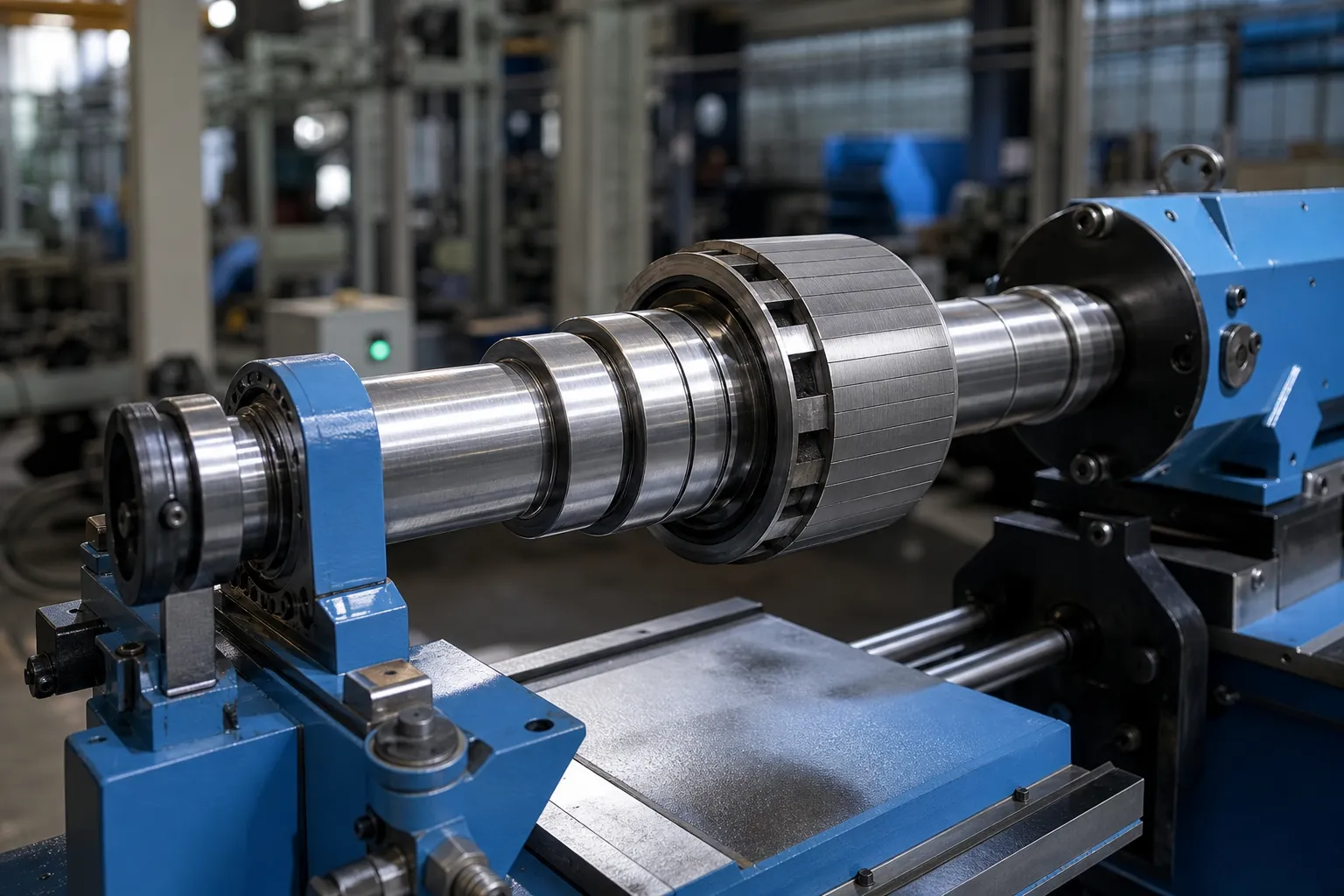
*エンジニアリングの概念図. 閉ループ補正の概念を表します; 特定のモーター シャフトまたは自動化機能がサポートされていることを主張するものではありません。*
RFQ ではワークピースのバリエーションを指定する必要があります, 材料・加工段階, 受信エラーの分布, データム, 保護ゾーン, カスタマーゲージ, ターゲットミックスとハンドリング制約. 使用 軸, チューブとプロファイル矯正装置の選択 オートメーションラベルを比較する前に.
What Automation Actually Repeats
Strip away the robotics and an automatic straightening machine is a device for repeating a validated sequence: identify the family, seat the part, measure against a stored rule, apply a stored correction response, 再測定, route. Every one of those verbs was originally written by a person — an engineer who qualified the datum, an operator who proved the correction response on samples, a quality function that approved the acceptance rule. Automation does not create that knowledge; it preserves and executes it. This framing explains both the strength and the boundary. The strength: once validated, the sequence runs identically at hour eight of a shift as at hour one, unaffected by fatigue, and every part carries its data. The boundary: everything upstream of validation — developing the correction concept for a new family, diagnosing an unfamiliar signal, deciding whether an anomaly is a setup fault or a part problem — remains engineering and skilled work, no matter how automatic the cell. A factory that automates before validating automates its confusion at line rate.
The Cost Structures Are Different, Not Just the Labels
Comparing routes on purchase price or headcount misses where each route actually spends money. The manual route spends it continuously: skilled operators take time to develop and are hard to replace, throughput varies with the person on shift, and consistency between operators is a permanent supervision task — the reproducibility component of measurement studies exists largely because of this. The automated route spends it front-loaded and in lumps: engineering effort to validate each family before the cell can run it, fixture and tooling per family, and a maintenance and calibration discipline that the cell depends on but the production schedule rarely celebrates. Changeover economics invert between the routes — cheap in skill and slow in minutes on a manual bench, fast in minutes but expensive in preparation on an automatic line. None of this makes either route cheaper in the abstract; it means the part mix, changeover frequency and available skills decide which cost structure fits. の machine cost structure discussion treats these drivers without pretending at universal payback numbers.
測定ループと補正ループの比較
手動矯正はオペレーターに負荷を依存する場合があります, 測定, 補正点を選択して再測定します. 自動矯正は保存されたシーケンスを繰り返す場合があります. どちらの場合も, 最終結果は基準位置に依存します, 測定相関, 許可された連絡先, 増分補正とリリース状態の検証.
| 質問 | なぜ決定が変わるのか |
|---|---|
| 受信したジオメトリ マップは再現可能ですか? | 自動化は未定義または不安定な信号を補正できません |
| サポートや修正点は家族によって修正されていますか? | 多品種の部品には、一般的なレシピではなくエンジニアリングのレビューが必要な場合があります |
| 顧客ゲージは相関していますか? | 機械の測定値は最終検査に自動的に代わるものではありません |
| 例外は定義されていますか? | 制御されていない再試行はプロセスの問題を隠す可能性があります |
プロセス境界の場合, 見る ポイントプレス矯正 そして 矯正サンプルテストと合格.
切り替えの評価, データと例外
自動化は、部品が同一である場合にのみ役立ちます。, 治具, レシピ版, 最初のピースの確認, データフィールドと例外ルートが制御される. レビューでは誰が設定を変更できるかを指定する必要があります, 古いバージョンの実行を防ぐ方法, フィクスチャがどのように識別されるか, 測定またはプロセス信号アラートの後に何が起こるか.
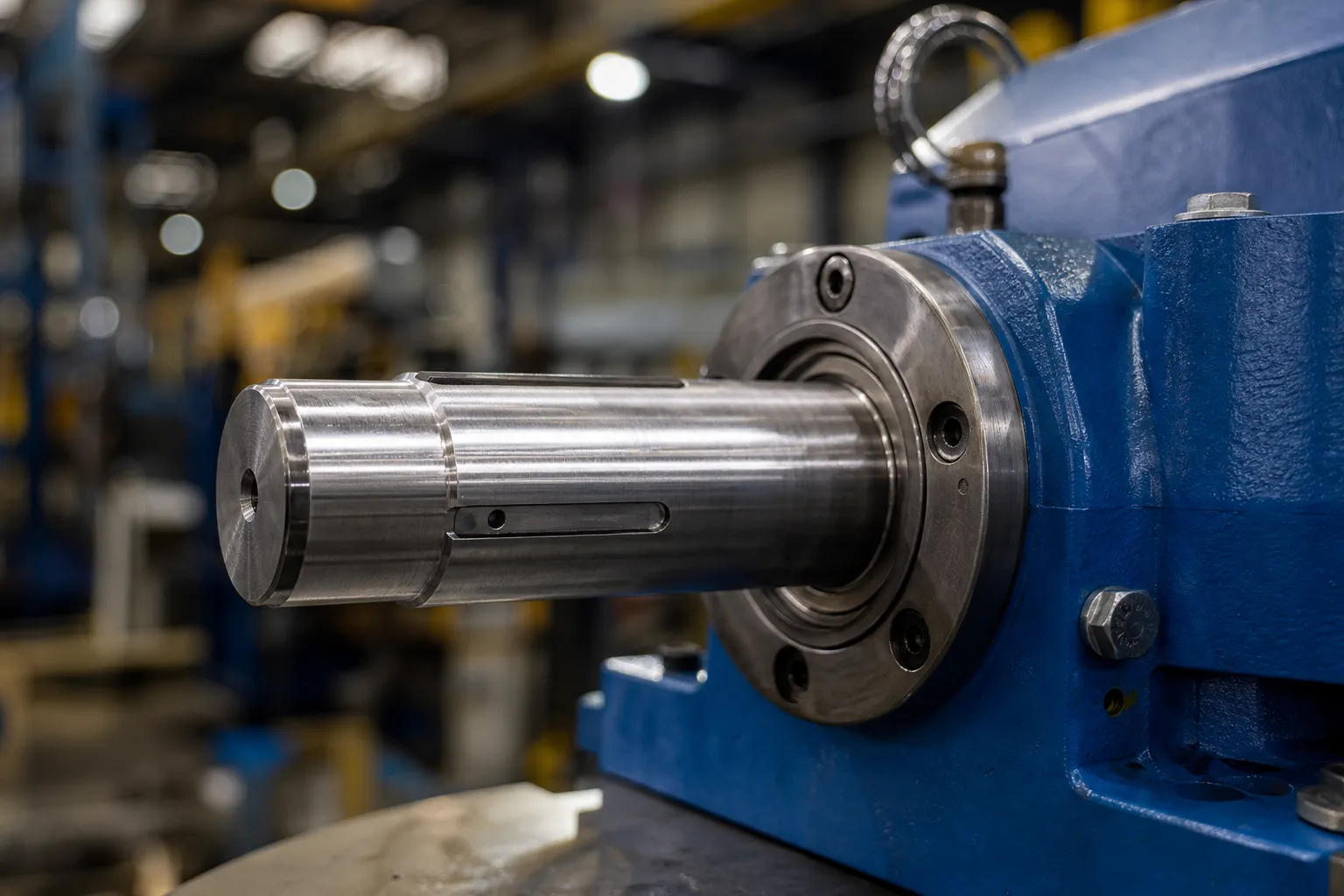
*エンジニアリングの概念図. リリース状態の検証と追跡可能な処理を重視します, 約束された自動検査機能ではありません。*
The Migration Path Nobody Regrets
The manual-versus-automatic decision is rarely binary in practice, そして最も一般的な成功パターンは演出されたものです: 検証が完了し、障害モードが理解されているステップを自動化します。, そうでないステップについては人間の手と判断を維持してください. 頻繁に行われる第 1 段階では、測定と配置が自動化されます。機械が部品の測定を行います。, 通常、測定の再現性が最初のボトルネックであり、自動化のリスクが低いため、オペレータは引き続き読み込みと修正を行います。. ファミリのプレゼンテーションが安定すると、第 2 段階で自動ロードと部品識別が追加されます。, 対象となるドメイン 矯正機のロボットメンテナンス. 完全な閉ループ補正は最後に行われます, 受信エラー分布全体にわたって修正応答が検証された後. 各段階は同じ証拠ルールによって正当化されます: 特定のステップのサンプルテスト, run on representative and worst-case parts, with disposition routing demonstrated per the NOK discipline. Factories that follow this sequence buy automation where it is proven and keep flexibility where it is needed; factories that buy the last stage first spend their commissioning period discovering what they skipped.
Skills Each Route Consumes
Neither route is skill-free, and planning the wrong skill set starves the line quietly. The manual route concentrates skill in the operator: reading the error map, choosing correction points, judging incremental response — expertise that takes real time to build, lives in few people, and walks out the door with them. The automated route distributes skill across the organization: process engineers who validate families and maintain recipes, maintenance staff who can diagnose a sensor or fixture fault before it becomes scrap, and quality staff who own the correlation studies that keep the machine’s readings meaningful at acceptance. A buyer moving from manual to automatic who staffs only for operation — and not for engineering and maintenance — typically finds the cell’s recipes frozen, its correlation stale and its exceptions unowned within the first year. The automation boundary on paper should therefore be matched by a staffing plan for the skills each side of that boundary consumes.
サンプルテストで決定を下す
代表的な正常部分と最悪の部分を使用して候補ルートを比較します. レコードロード/セットアップの再現性, 前後のジオメトリ, 解放状態の測定値, 表面状態, 取り扱い, 切り替え, データキャプチャと例外ルーティング. 年間の省力化を推測しないでください, 競合他社の製品からのスループットまたは回収、または仮想サイクルタイム.
よくある質問
自動矯正は常に正確ですか?
いいえ. 精度はワークに依存します, データム, 測定, 修正対応と受付方法. 自動化は、それらの基礎が検証された場合にのみ再現性を向上させることができます.
手動矯正がより良い選択となる場合?
開発には適しているかもしれない, 不安定または変動性の高いパーツ ファミリ, 少量の作業, 複雑なセットアップ, または修正ルートがまだ認定されている状況.
手動システムにトレーサビリティはありますか?
はい. 管理された識別, ゲージレコード, レシピ/治具の規律と処理記録は自動化レベルとは独立して実装可能.
Is semi-automatic straightening a compromise or a strategy?
A strategy, when it is staged deliberately. Automating measurement and disposition first, loading second, and closed-loop correction last matches automation investment to validated knowledge — each stage carries a sample test, and flexibility is retained where families are still developing.
What skills does an automatic line still need?
Process engineering to validate families and control recipes, maintenance able to diagnose sensor and fixture faults, and quality ownership of the gauge correlation. Operation labor drops; engineering and maintenance skill does not — it usually rises.
Does automation reduce the number of quality decisions?
It relocates them. Routine dispositions become automatic, but the definition of the routing rules, the approval of recipes and the response to exceptions remain human decisions with named authority. The boundary is between executing decisions and making them.