
Manyèl ak otomatik redresman yo pa etikèt kalite. Nenpòt wout ka inoporten lè done materyo a, metòd mezi, zòn kontak yo, règ akseptasyon oswa pwosesis manyen pa defini. Kesyon an itil se ki etap ki bezwen kontwòl repete pou yon fanmi pati defini-e ki etap toujou mande pou konfigirasyon konpetan., apwobasyon jeni oswa verifikasyon kliyan-kalib.
Gid sa a se yon kad seleksyon, pa yon reklamasyon ke StraighteningTech bay yon konfigirasyon automatisation patikilye oswa ke automatisation garanti yon presizyon., tan sik, rediksyon travay oswa ROI. Rezilta sa yo mande pou verifye dimansyon ekipman ak prèv pwodiksyon reprezantan.
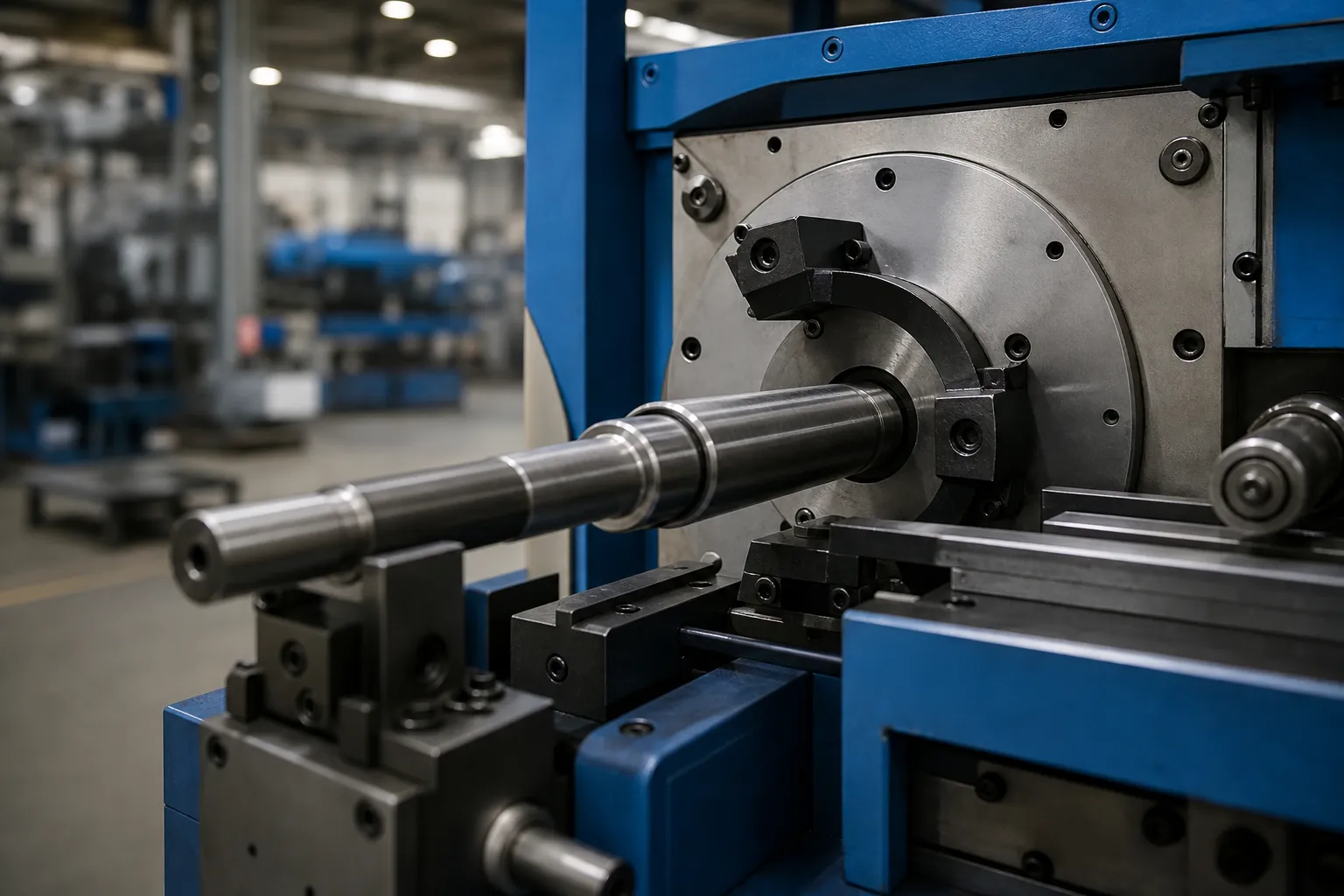
*Jeni konsèp ilistrasyon. Li montre yon posib kontèks manyen otomatik, pa prèv yon konfigirasyon lokal ki disponib oswa rezilta pwodiksyon an.*
Defini fwontyè otomatik la
"Otomatik" ka dekri youn oswa plizyè fonksyon diferan. Chaje, idantifikasyon pati, oryantasyon, syèj done, mezi, koreksyon, dechaje, seleksyon resèt, trasabilite ak klasman NOK yo ta dwe evalye separeman.
| Fonksyon | Manyèl wout pou evalye | Otomatik wout pou evalye |
|---|---|---|
| Chajman ak oryantasyon | Manyen operatè, konfimasyon aparèy ak ergonomics san danje | Idantifikasyon fanmi, prezantasyon kontwole ak validation manyen |
| Mezi | Konfigirasyon operatè, kalib lekti ak repetibilite | Sekans kontwole, kaptire done ak kalib korelasyon |
| Koreksyon | Jijman kalifye ak repons incrémentielle | Resèt kontwole bouk ak papòt eksepsyon |
| Chanjman | Aparèy/anviwònman disiplin ak premye revizyon | Kontwòl vèsyon an, idantite zouti ak konfimasyon premye pati |
| Dispozisyon | Segregasyon fizik ak revizyon dokimante | Defini PASS/NOK/rework routage ak otorite imen |
Yon liy otomatik ka toujou mande pou apwobasyon manyèl nan yon etap kritik. Yon estasyon travay manyèl ka toujou itilize mezi kontwole ak dosye trasabl. Seleksyon an ta dwe dekri pwosesis reyèl la olye ke itilize yon etikèt laj.
Kòmanse ak melanj pyès travay ak akseptasyon
Segondè varyasyon, dat ensèten, manyen konplèks oswa chanjman jeni souvan ka fè yon manyèl fleksib oswa semi-otomatik wout apwopriye pandan devlopman. Yon fanmi ki estab ak loading repete, mezi defini ak yon repons koreksyon valide ka jistifye plis automatisation. Ni konklizyon yo ka fè soti nan volim pwodiksyon pou kont li.
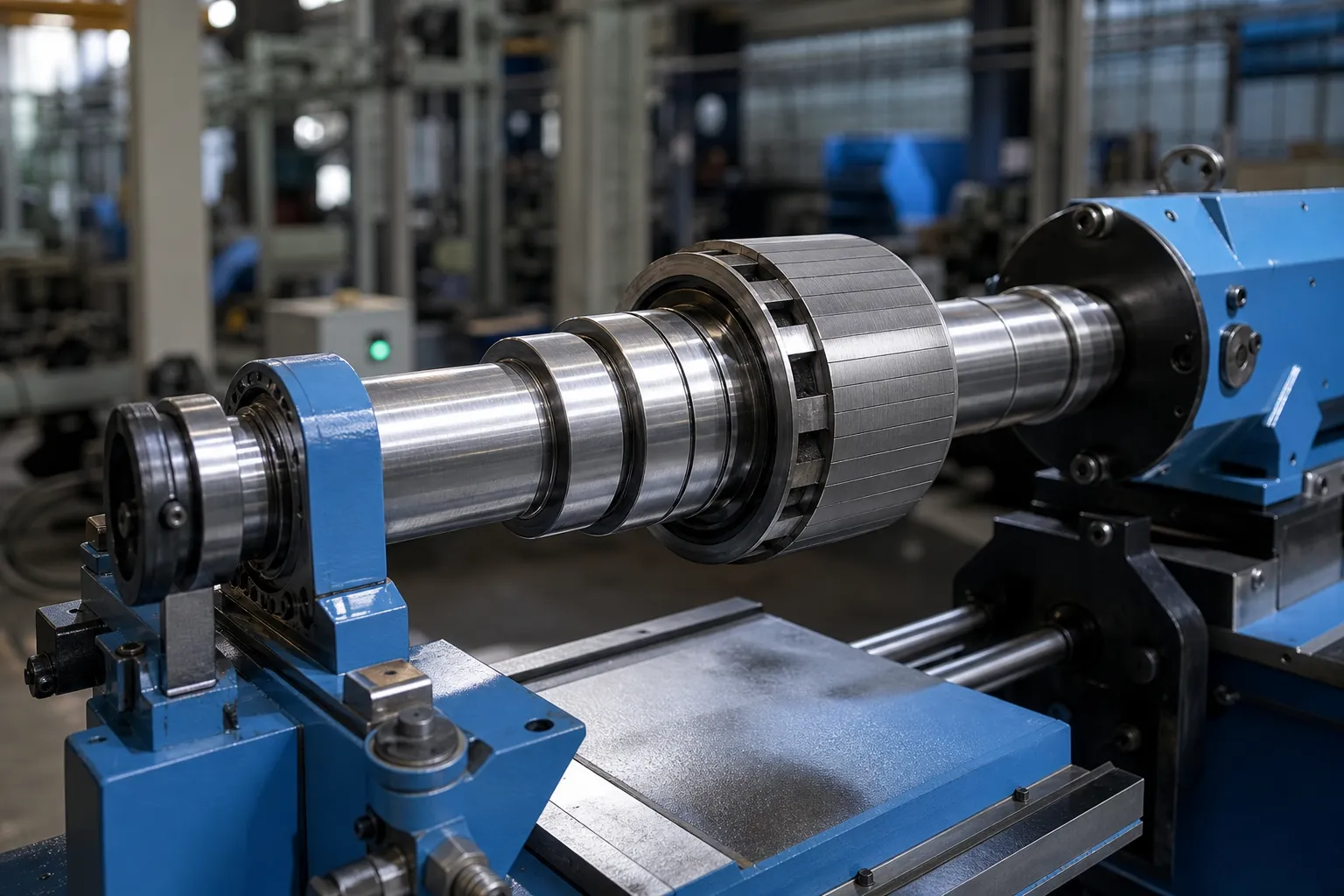
*Jeni konsèp ilistrasyon. Li reprezante yon konsèp koreksyon bouk fèmen; li pa fè reklamasyon ke yon arbr motè yo oswa fonksyon automatisation yo sipòte.*
RFQ a ta dwe presize variants pyès travay, etap materyèl/pwosesis, distribisyon erè fèk ap rantre, done, zòn pwoteje, kalib kliyan, melanj sib ak kontrent yo manyen. Sèvi ak arbr, seleksyon tib ak pwofil straightener anvan konpare etikèt automatisation.
Ki sa ki Otomatik aktyèlman repete
Dezabiye robotik la ak yon machin redresman otomatik se yon aparèy pou repete yon sekans valide: idantifye fanmi an, chèz pati a, mezi kont yon règ ki estoke, aplike yon repons koreksyon ki estoke, re-mezire, wout. Chak vèb sa yo te ekri orijinal pa yon moun - yon enjenyè ki kalifye done a, yon operatè ki pwouve repons koreksyon an sou echantiyon yo, yon fonksyon kalite ki apwouve règ akseptasyon an. Otomatik pa kreye konesans sa a; li prezève ak egzekite li. Ankadreman sa a eksplike tou de fòs la ak fwontyè a. Fòs la: yon fwa valide, sekans lan kouri idantik nan èdtan uit nan yon chanjman kòm nan èdtan youn, pa afekte pa fatig, ak chak pati pote done li yo. Fwontyè a: tout bagay en validation — devlope konsèp koreksyon pou yon nouvo fanmi, dyagnostik yon siyal abitye, deside si yon anomali se yon defo konfigirasyon oswa yon pwoblèm pati - rete jeni ak travay kalifye, pa gen pwoblèm ki jan otomatik selil la. Yon faktori ki otomatize anvan validation otomatize konfizyon li nan pousantaj liy.
Estrikti pri yo diferan, Se pa sèlman etikèt yo
Konpare wout sou pri acha oswa manm manm manke kote chak wout aktyèlman depanse lajan. Wout manyèl la depanse li kontinyèlman: operatè kalifye pran tan pou devlope epi yo difisil pou ranplase, debi varye ak moun ki sou shift la, ak konsistans ant operatè yo se yon travay sipèvizyon pèmanan — eleman repwodibilite nan etid mezi egziste lajman akòz sa a. Wout otomatik la depanse li devan-chaje ak nan boul: efò jeni pou valide chak fanmi anvan selil la ka kouri li, aparèy ak zouti pou chak fanmi, ak yon disiplin antretyen ak kalibrasyon ke selil la depann sou men orè pwodiksyon an raman selebre. Ekonomi chanjman ranvèse ant wout yo - bon mache nan konpetans ak ralanti nan minit sou yon ban manyèl, vit nan minit men chè nan preparasyon sou yon liy otomatik. Okenn nan sa a fè swa wout pi bon mache nan abstrè a; sa vle di melanj pati a, frekans chanjman ak ladrès ki disponib deside ki estrikti pri anfòm. La diskisyon estrikti pri machin trete chofè sa yo san yo pa pran pòz nan nimewo ranbousman inivèsèl.
Konpare pasan mezi ak koreksyon
Manyèl redresman ka konte sou yon operatè pou chaje, mezi, chwazi pwen koreksyon an epi remezire. Otomatik redresman ka repete yon sekans ki estoke. Nan tou de ka yo, rezilta final la depann sou syèj done, korelasyon mezi, kontak pèmèt, koreksyon incrémentielle ak verifikasyon eta lage.
| Kesyon | Poukisa li chanje desizyon an |
|---|---|
| Èske kat jeyometri kap vini an ka repete? | Otomatik pa ka konpanse pou yon siyal ki pa defini oswa ki pa estab |
| Èske sipò ak pwen koreksyon yo fikse pa fanmi? | Yon pati ki gen anpil melanj ka bezwen revizyon jeni olye ke yon resèt jenerik |
| Èske kalib kliyan an gen rapò? | Lekti machin yo pa ranplase otomatikman enspeksyon final la |
| Èske eksepsyon yo defini? | Retrying san kontwòl ka kache yon pwoblèm pwosesis |
Pou fwontyè pwosesis la, wè pwen-press redresman epi redresman echantiyon tès ak akseptasyon.
Evalye Chanjman, Done ak Eksepsyon
Otomatik ka itil sèlman lè idantite pati a, aparèy, vèsyon resèt la, konfimasyon premye moso, jaden done ak wout eksepsyon yo kontwole. Revizyon an ta dwe presize ki moun ki ka chanje yon anviwònman, ki jan ansyen vèsyon yo anpeche yo kouri, ki jan yo idantifye yon aparèy, ak sa k ap pase apre yon alèt mezi oswa pwosesis-siyal.
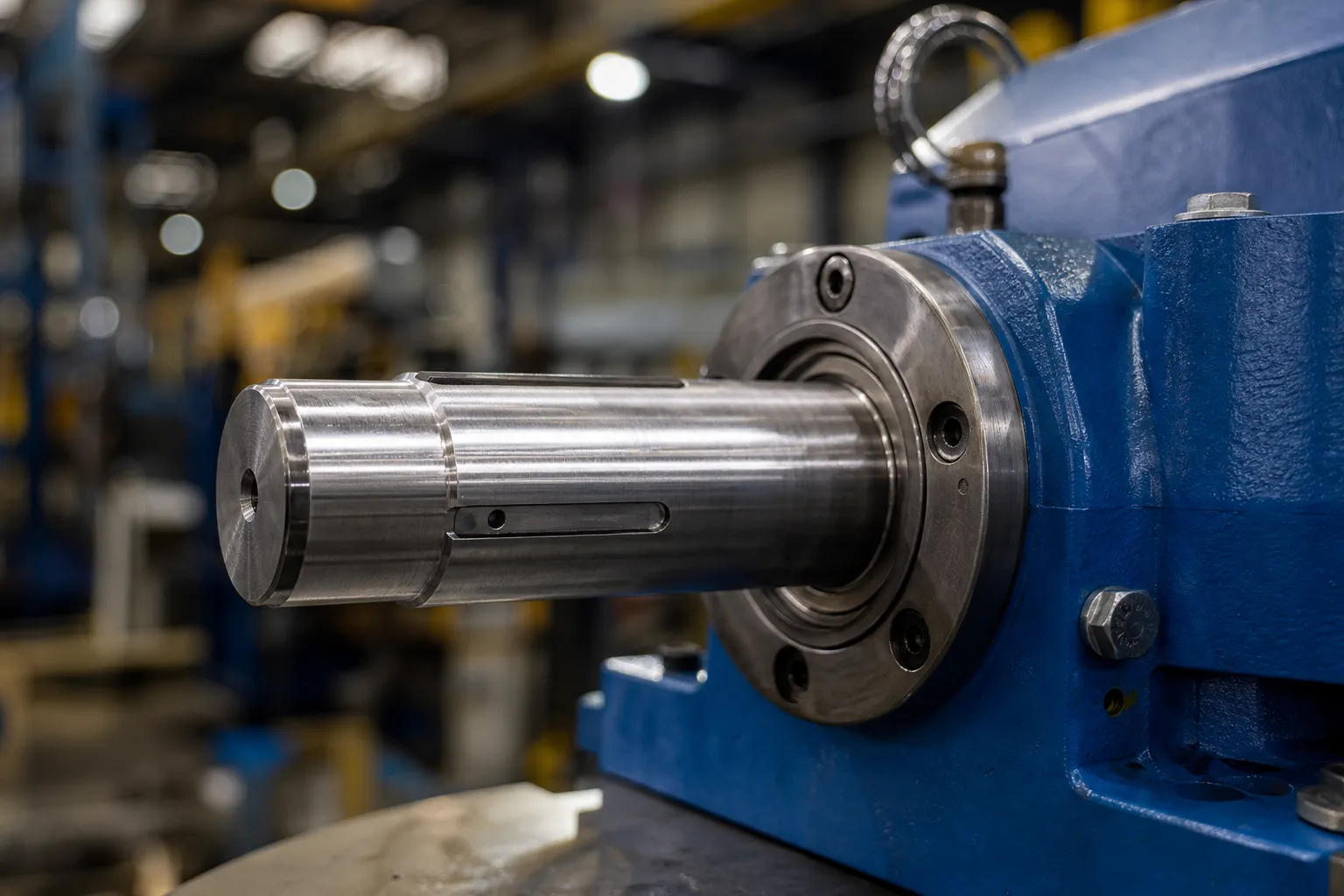
*Jeni konsèp ilistrasyon. Li mete aksan sou verifikasyon eta lage ak dispozisyon trasabl, pa yon fonksyon enspeksyon otomatik ki te pwomèt.*
Chemen Migrasyon an pèsonn pa regrèt
Desizyon an manyèl-kont-otomatik se raman binè nan pratik, ak modèl siksè ki pi komen an sèn: otomatize etap yo ki gen validation konplè epi ki gen mòd echèk yo konprann, kenbe men moun ak jijman sou etap sa yo ki pa yo. Yon premye etap souvan otomatize mezi ak dispozisyon - machin nan mezire pati a, operatè a toujou chaje ak korije - paske repetibilite mezi se nòmalman premye blokaj la ak risk automatisation li yo ba. Yon dezyèm etap ajoute chaj otomatik ak idantifikasyon pati yon fwa prezantasyon fanmi an estab, domèn nan kouvri pou robo tandan nan machin redresman. Koreksyon konplè bouk fèmen vini an dènye, apre repons koreksyon an te valide atravè distribisyon an erè fèk ap rantre. Chak etap jistifye pa menm règ prèv la: yon echantiyon tès sou etap espesifik la, kouri sou pati reprezantan ak pi move ka yo, ak routage dispozisyon demontre pa la ASE disiplin. Faktori ki swiv sekans sa a achte automatisation kote li pwouve epi kenbe fleksibilite kote li nesesè; faktori ki achte dènye etap la premye pase peryòd komisyonin yo dekouvri sa yo sote.
Konpetans Chak Wout Konsome
Ni wout pa gen ladrès, ak planifikasyon seri konpetans nan move grangou liy lan tou dousman. Wout manyèl la konsantre konpetans nan operatè a: lekti kat erè a, chwazi pwen koreksyon yo, jije repons incrémentielle - ekspètiz ki pran tan reyèl pou konstwi, ap viv nan kèk moun, epi li soti nan pòt la avèk yo. Wout otomatik la distribye konpetans atravè òganizasyon an: enjenyè pwosesis ki valide fanmi yo epi kenbe resèt yo, maintenance staff who can diagnose a sensor or fixture fault before it becomes scrap, and quality staff who own the correlation studies that keep the machine’s readings meaningful at acceptance. A buyer moving from manual to automatic who staffs only for operation — and not for engineering and maintenance — typically finds the cell’s recipes frozen, its correlation stale and its exceptions unowned within the first year. The automation boundary on paper should therefore be matched by a staffing plan for the skills each side of that boundary consumes.
Pran Desizyon an Ak yon Egzanp Tès
Konpare wout kandida yo lè l sèvi avèk pati reprezantatif nòmal ak pi move ka yo. Dosye chajman / konfigirasyon repetibilite, jeyometri anvan ak apre, lekti eta yo pibliye, kondisyon sifas yo, manyen, chanjman, kaptire done ak routage eksepsyon. Pa dedwi ekonomi travay chak ane, debi oswa ranbousman nan yon atik konkiran oswa yon tan sik ipotetik.
FAQ
Èske otomatik redresman toujou pi egzak?
Non. Presizyon depann sou pyès travay la, done, mezi, repons koreksyon ak metòd akseptasyon. Otomatik ka amelyore repetibilite sèlman lè fondasyon sa yo valide.
Lè se manyèl redresman pi bon chwa a?
Li ka apwopriye pou devlopman, fanmi pati enstab oswa trè varyab, travay ki pa gen anpil volim, konfigirasyon konplèks, oswa sitiyasyon kote wout koreksyon an toujou kalifye.
Èske yon sistèm manyèl gen trasabilite?
Wi. Idantifikasyon kontwole, kalib dosye yo, dosye disiplin ak dispozisyon resèt/aparèy yo ka aplike poukont nivo automatisation a.
Is semi-automatic straightening a compromise or a strategy?
A strategy, when it is staged deliberately. Automating measurement and disposition first, loading second, ak koreksyon fèmen-bouk dènye matche ak envestisman automatisation ak konesans valide - chak etap pote yon tès echantiyon, epi yo kenbe fleksibilite kote fanmi yo toujou ap devlope.
Ki konpetans yon liy otomatik toujou bezwen?
Jeni pwosesis pou valide fanmi yo ak resèt kontwole, antretyen kapab fè dyagnostik detèktè ak defo aparèy, ak bon jan kalite an komen nan korelasyon kalib la. Operasyon travay gout; jeni ak antretyen konpetans pa fè sa - li anjeneral leve.
Èske automatisation diminye kantite bon jan kalite desizyon?
Li deplase yo. Dispozisyon woutin yo vin otomatik, men definisyon règ yo routage, apwobasyon an nan resèt ak repons lan nan eksepsyon rete desizyon imen ak nonmen otorite. Fwontyè a se ant egzekite desizyon ak pran yo.