
Point-press redresman se yon metòd kontwole lokal-koreksyon, pa senpleman peze nenpòt kote yon pati sanble koube. Pwosesis la dwe konekte yon kat jeyometri valab ak yon done apwouve, pwen sipò yo, chemen reyaksyon, kote koreksyon ki pèmèt yo, kontwòl incrémentielle ak yon remezurasyon eta lage. San sa bouk, yon konjesyon serebral laprès ka kreye yon mak, deplase yon karakteristik adjasan oswa diminye yon lekti endikatè tanporè san yo pa satisfè egzijans akseptasyon aktyèl la.
Sa a se yon kad pwosesis. Li pa reklame yon fòs laprès StraighteningTech, konjesyon serebral, algorithm kontwòl, ranje materyèl, presizyon, tan sik oswa konpatibilite pyès travay la. Valè sa yo mande pou yon revizyon desen ak echantiyon valide.
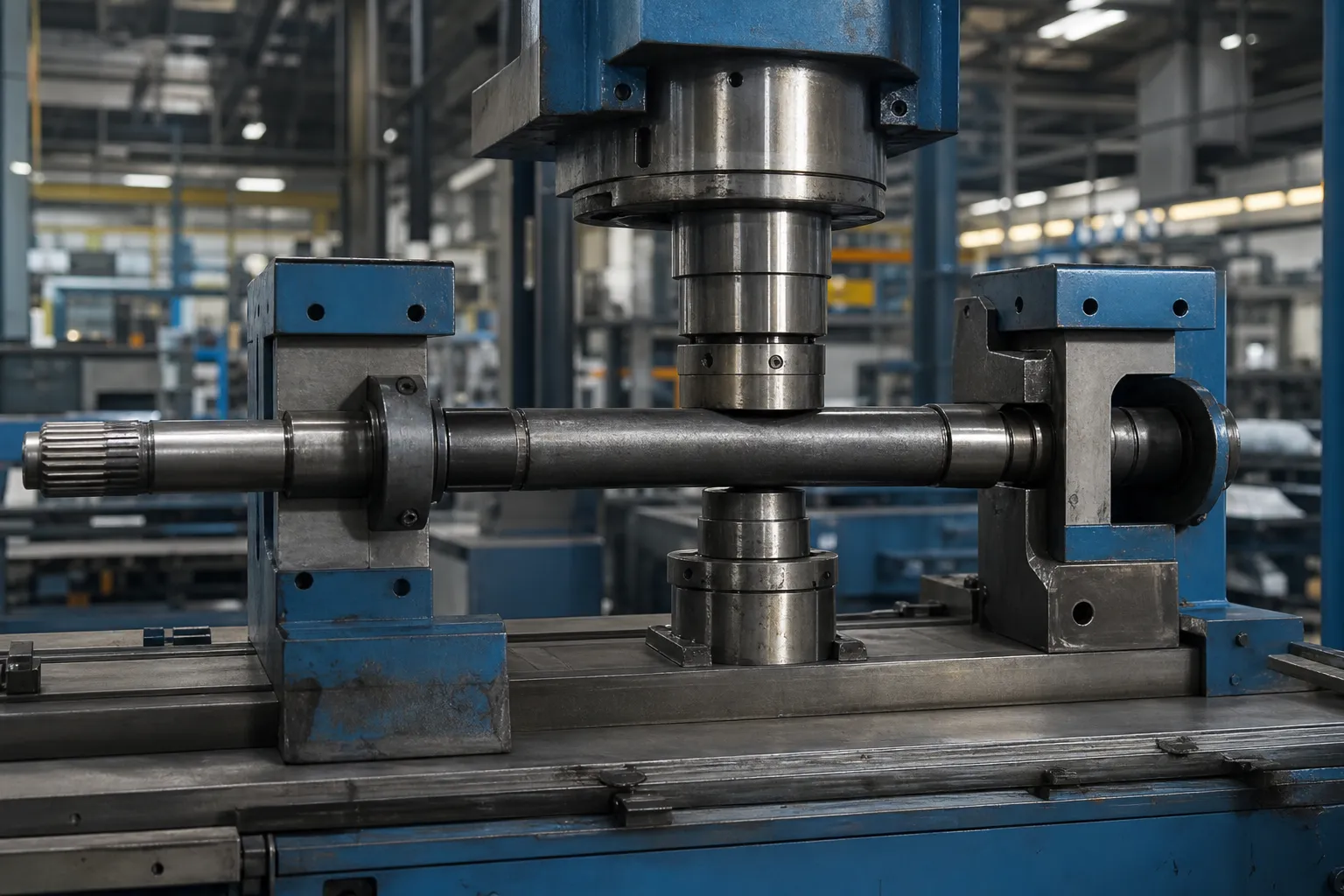
*Jeni konsèp ilistrasyon. Li montre yon kontèks koreksyon laprès posib pou yon fanmi pyès espesifik, pa yon resèt pwosesis inivèsèl oswa kapasite lokal verifye.*
Defini sa Pwosesis la ap korije
Karakteristik ki nesesè yo ka dwat sou yon span, radial runout parapò ak yon aks referans, bale lateral, yon relasyon karakteristik lokal oswa yon lòt jeyometri kontwole. Li dwe nonmen anvan yo chwazi yon laprès. Yon erè sikilè, entèripsyon sifas yo, siyal aparèy oswa kamb entansyonèl pa ka korije kòm si li te menm kalite koube.
Sèvi ak dwat arbr, runout ak TIR lè pati a wotasyon enspekte. Tib, pwofil, prentan, bag ak moso soude yo mande pou pwòp jeyometri ak fwontyè pwosesis yo.
Bati yon kat erè inisyal
Plan mezi a ta dwe idantifye done apwouve a, oryantasyon pati, estasyon axial, kondisyon sipò, metòd Capteur ak chèk repete / chita. Yon sèl lekti pwen mitan ka rate plizyè viraj oswa konfonn gravite sag ak varyasyon aparèy ak jeyometri pati..

*Jeni konsèp ilistrasyon. Li montre yon kat mezi anvan koreksyon; kote estasyon aktyèl yo, yo dwe fikse sond ak done nan desen kontwole a.*
| Antre nan friz | Desizyon li sipòte |
|---|---|
| Done desen ak règ akseptasyon | Etabli sa mezi a dwe reprezante |
| Kat jeyometri inisyal | Idantifye zòn koreksyon kandida yo ak risk entèraksyon |
| Apwouve sipò ak pwen reyaksyon | Anpeche yon chemen fòs kreye yon siyal envolontè |
| Karakteristik pwoteje ak limit sifas yo | Detèmine kote kontak entèdi |
| Materyèl ak etap pwosesis | Defini repons posib, springback ak kontrent en |
Mekanik yo nan yon konjesyon serebral Point-Press
Yon koreksyon pwen-laprès se yon koube twa pwen egzekite espre. De sipò ak yon pwen pou laprès fòme yon ankadreman loading: laprès la pouse seksyon an nan direksyon sipò yo, moman koube pik nan pwen pou laprès ak tonbe nan direksyon sipò yo, ak fib deyò yo nan kote koreksyon an pase sede pandan y ap nwayo a nan seksyon an rete elastik. Lè fòs la lage, Nwayo elastik la eseye reprann seksyon an tounen pandan y ap fib ki bay yo kenbe nouvo fòm yo - seri pèmanan an se diferans lan., ak atizay la nan pwosesis la ap fournir jis ase travay plastik nan peyi a pati lage andedan tolerans. Twa konsekans swiv dirèkteman nan foto sa a. Koreksyon an se lokal: zòn nan plastik konsantre alantou pwen an laprès, Se poutèt sa kat erè gide kote yo peze olye ke entwisyon. Pwosesis la se oto-limite sèlman si trete incrémentielle: yon sèl konjesyon serebral gwosè optimis pa ka un-pressed. Ak pwòp jeyometri seksyon an - varyasyon rèd li yo, tranzisyon li yo, istwa anvan deformation li yo - module tout bagay, ki se poukisa anviwònman konjesyon serebral idantik pa transfere je fèmen ant dyamèt, materyèl oswa anpil, ak poukisa efè ranvèse-chajman, jan sa dekri pou efè Bauschinger, chanje repons yon pati ki deja korije yon fwa.
Sipò span se paramèt akor prensipal la
Operatè yo rive jwenn fòs lè yo ta dwe rive jwenn jeyometri. Deplase sipò yo chanje koreksyon an anvan yo manyen nenpòt valè fòs: sipò gaye lajè bay yon long, dou koube jaden — menm fòs pou laprès pwodui yon defleksyon pi gwo gaye sou yon zòn ki pi long, apwopriye pou yon sèl gwo banza; sipò fèmen nan alantou pwen an koreksyon konsantre menm enèji a nan yon kout, koreksyon pwofon, apwopriye pou yon kink lokal men pi difisil sou sifas la ak seksyon an. Span tou mete avantaj nan mekanik nan konjesyon serebral la: pi pre sipò yo, plis fòs menm koreksyon an mande, Se poutèt sa diminye span sou yon seksyon rèd byen vit rive nan limit machin nan oswa pati nan.. De règ pratik tonbe soti. Premye, chwazi span nan longèdonn kat erè a - banza long jwenn span long, kinks jwenn kout - epi dokimante chwa a nan dosye konfigirasyon an, paske span se yon paramèt pwosesis tankou nenpòt lòt. Dezyèmman, trete kondisyon sipò kòm yon pati nan zouti an: jeyometri kontak, pwòpte ak mete chanje chemen an reyaksyon an silans, ak la sifas-pwoteksyon zouti disiplin aplike nan sipò egzakteman menm jan li fè nan nen an pou laprès.
Chwazi sipò ak pwen koreksyon ansanm
Yon pwen pou laprès pa ka chwazi poukont li nan sipò li yo. Espas sipò a, seksyon rèd, direksyon fòs ak jeyometri kontak kreye chemen reyaksyon an. Yon move sipò ka fè yon laprès lokal parèt efikas pandan y ap transfere erè yon lòt kote oswa domaje yon karakteristik.
Anvan yon echantiyon jijman, dokiman:
- sipò ak kote reyaksyon, enkli zòn san kontak;
- pwen koreksyon, direksyon fòs ak oryantasyon pèmèt;
- kontakte materyèl, pwòpte ak kontwòl make-risk;
- maksimòm koreksyon incrémentielle ak konte tantativ;
- plan mezi springback/release;
- kondisyon difisil rejte ak jeni-revizyon.
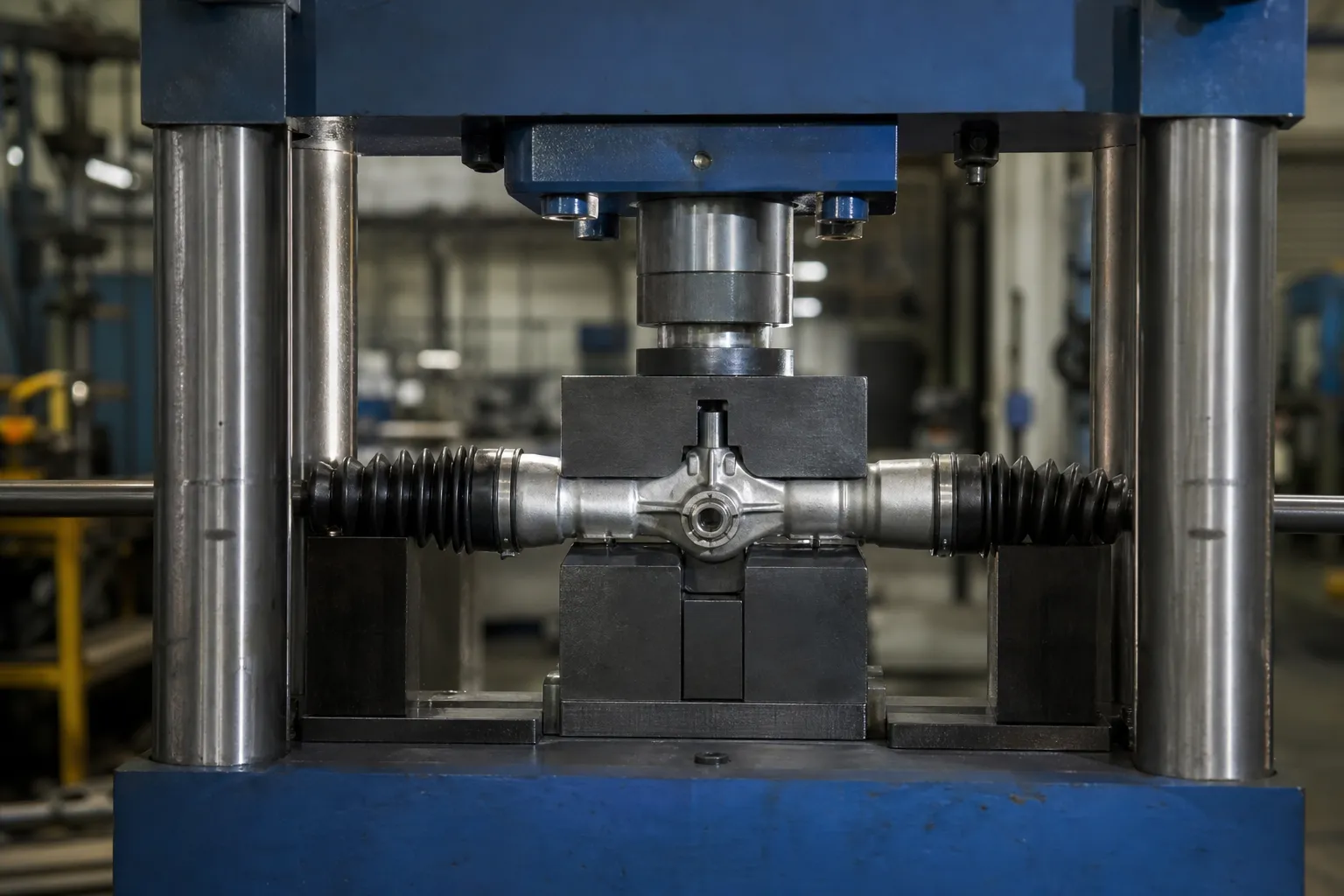
*Jeni konsèp ilistrasyon. Li montre yon konsèp koreksyon incrémentielle; li pa preskri chaj pou laprès, konjesyon serebral, zouti oswa yon pwen koreksyon apwouve pou yon lòt pyès travay.*
Korije Degreman epi Retcheke Apre Liberasyon
Sekans bouk fèmen se:
- idantifye fanmi pyès travay kontwole ak revizyon desen an;
- enspekte pou domaj, move pati, kondisyon sifas entèdi oswa deformation andeyò dimansyon;
- chaje done apwouve a epi verifye chita;
- mezire kat jeyometri inisyal la;
- chwazi sipò ak plan koreksyon ki pèmèt yo;
- aplike yon koreksyon incrémentielle nan limit echantiyon-tès la;
- konplètman lage fòs, kranpon ak kontrent;
- remezire tout tras ki nesesè yo epi anrejistre rezilta a;
- wout pati nan OK, NOK oswa revizyon jeni.
Akseptasyon final la se apre lage. Yon lekti pandan pati a rete anba fòs laprès oswa kontrent aparèy pa ka itilize kòm prèv rezilta final la.
Springback kòm yon Varyab Pwosesis, Pa yon konstan
Paske fòm lage a mete nan konpetisyon ki genyen ant fib sede ak nwayo elastik la, konjesyon serebral la menm delivre diferan seri pèmanan sou pati ki diferan nan kondisyon materyèl, seksyon oswa istwa anvan. Sa se springback kòm yon varyab pwosesis, ak trete li kòm yon faktè koreksyon fiks se ki jan liy yo fini osile alantou tolerans. Disiplin ki okipe l onètman dekri pou konpansasyon springback nan redresman arbr: aprann repons lan sou echantiyon reprezantan, korije incrémentielle, epi re-aprann lè lot materyèl oswa revizyon pati a chanje. Yon pèlen ki gen rapò merite pwòp fraz li: peze yon pati pase nominale espre - depase pou pre-konpanse springback - se lejitim nan yon resèt valide ak yon limit defini, men sik repete depase-ak-près-tounen akimile domaj ranvèse-chajman, ak limit tantativ koreksyon an egziste jisteman pou sispann sekans sa a anvan li vin tounen yon risk krak., pou chak fondasyon entegrite-revizyon an.
Lekti done ki genyen ant kou
Chak kou nan bouk incrémentielle a se tou yon eksperyans, ak done ki genyen ant kou yo di operatè a ki lè yo kontinye ak ki lè yo sispann. Yon dirèksyon an sante montre erè ki rete a ap retresi pa yon kantite diminye chak konjesyon serebral - repons pou chak kou ap tonbe pandan pati a ap apwoche sib la., ki se siyati natirèl yon koreksyon ki estab. Twa modèl kraze siyati sa a ak chak mande kanpe olye ke peze pi rèd. Pa gen pwogrè: jeyometri a sispann reponn, sa vle di pwosesis la pa angaje erè a ankò - pwen koreksyon an, kondisyon sipò oswa eta pati chanje anba operatè a. Diminye retounen ak efò k ap monte: chak konjesyon serebral deplase pati a mwens pandan laprès la ap travay pi rèd - seksyon an ap goumen tounen nan redi souch., ak komès kontinye diminye jeyometri genyen pou akimile domaj materyèl. Osilasyon: pati nan kwaze nominal nan lòt direksyon kou pa konjesyon serebral - règ la koreksyon se twòp reyaji, souvan paske li te kalibre sou yon repons diferan, ak ranje a se resèt la, pa pati a. Konstwi twa modèl arè sa yo nan pwosedi operasyon an konvèti done ant konjesyon serebral ki soti nan bri nan premye alam bon jan kalite liy lan..
Konnen lè peze pwen se pa wout ki dwat
Pwen peze se pa yon metòd default pou chak pwodwi. Fil kontinyèl, tib-miray mens, pwofil asimetri, bag, prentan, pati fatig-kritik oswa soude-sansib ka bezwen yon apwòch diferan, zouti dedye oswa yon revizyon pwosesis separe. Gade peze kont redresman roulo pou fwontyè metòd-seleksyon an.
Egzanp tès ak akseptasyon
Plan echantiyon an ta dwe gen ladan pati nòmal ak pi move ka fèk ap rantre, kri anvan / apre jeyometri, refè repetibilite, enspeksyon sifas yo, chèk materyèl/karakteristik obligatwa yo, yon limit maksimòm tantativ ak korelasyon ak kalib referans kliyan an. Si fant, dite, NDT, fanm k'ap pile oswa balanse yo enpòtan, yo rete endepandan responsablite akseptasyon.
Sèvi ak redresman echantiyon tès ak akseptasyon pou defini prèv ki nesesè anvan yon reklamasyon pwodiksyon oswa desizyon FAT/SAT.
FAQ
Ka pwen peze garanti yon presizyon espesifik?
Non. Rezilta a rive depann sou pyès travay la, done, eta materyèl, sipò, zòn kontak yo, repons echantiyon ak metòd enspeksyon dakò.
Èske pwen endikatè ki pi wo a toujou pwen koreksyon an?
Non. Pwen koreksyon an dwe chwazi nan kat jeyometri ak chemen reyaksyon apwouve, pa soti nan yon obsèvasyon izole vizyèl oswa endikatè.
Èske yon laprès ka repare yon krak oswa ranplase NDT?
Non. Redresman pa repare domaj materyèl epi li pa ranplase pwosesis enspeksyon kalifye.
Poukisa menm konjesyon serebral laprès la deplase de pati ki sanble idantik yon fason diferan?
Paske jeyometri lage depann sou kondisyon materyèl, detay seksyon ak deformation anvan, pa sou aparans. Lot diferan, eta tretman chalè oswa yon sik koreksyon anvan tout chanje balans plastik-kont-elastik konjesyon serebral la ap travay kont. Remèd la se aprann repons pou chak fanmi sou echantiyon yo epi re-tcheke li lè anpil chanje.
Ki lè sipò yo ta dwe deplase pi pre ansanm?
Lè kat erè a montre yon kout, kink lokal olye ke yon banza laj. Yon span etwat konsantre koreksyon an kote erè a ap viv; yon laj span gaye li. Chwa a span fè pati konfigirasyon an dokimante, paske li chanje fòm koreksyon an ak fòs pati a dwe pote.
Kisa sa vle di lè yon pati sispann reponn a koreksyon?
Pwosesis la pa angaje erè a ankò - yon kondisyon ki pa gen pwogrè. Kòz yo varye ant yon pwen koreksyon ki chanje rive nan yon konfigirasyon oswa yon chanjman nan eta pati, epi repons defini an se pou kanpe ak wout pati a pou revize, pa pou ogmante fòs. Kontinye peze depanse bidjè deformation pati a sou anyen.
Redresman anvan vs apre fanm k'ap pile
Pa gen okenn paj kanonik endepandan konsève pou redresman anvan vs apre fanm k'ap pile paske demann endistriyèl matche ak egzak se mens. Etap sekans, alokasyon aksyon ak transfè done fè pati nan fòje-ba a, paj pwosesis pwen-pwen ak milti-pwen. Konfime si wi ou non fanm k'ap pile retire materyèl ki ta invalid yon lekti dwat pi bonè anvan bloke wout pwodiksyon an.
Force鈥揇isplacement koub nan redresman
Yon paj dedye pou redresman fòs deplasman koub gid pa kenbe san demann demann valide. Entèpretasyon Troke Force la, limit sekirite ak kondisyon sispann pwosesis yo eksplike nan pwen-près la, paj milti-pwen ak krak-deteksyon. Nenpòt alam ki baze sou koub dwe valide sou pati reprezantan olye ke yo kopye nan yon lòt fanmi materyèl.
Point-press travay lavi oswa mouri pa kontwòl konjesyon serebral – li poukisa twòp koreksyon fant pati yo anvan ou gwosè yon machin, Lè sa a, sèvi ak la solisyon seleksyon straightener matche konsèp laprès ak fanmi pati ou.