
Yon liy pa ta dwe trete tout lekti ki pa pase menm jan an. Yon pati ka gen yon pwoblèm konfigirasyon, yon alam mezi, yon kondisyon jeyometri korije, yon repons san pwogrè, yon pwoblèm materyèl yo sispèk oswa yon non-konfòmite konfime. San wout diferan, koreksyon repete ka kache yon pwoblèm mezi, domaje pati a, melanje anpil oswa kreye yon desizyon bon jan kalite untraceable.
Atik sa a se yon kad bon jan kalite routage. Li pa fè reklamasyon ke StraighteningTech kounye a founi otomatik klasman, detèktè espesifik, papòt rejè yo, lojisyèl trasabilite oswa règ retravay otorize. Fonksyon sa yo mande pou verifye dimansyon lokal yo ak apwobasyon kalite.
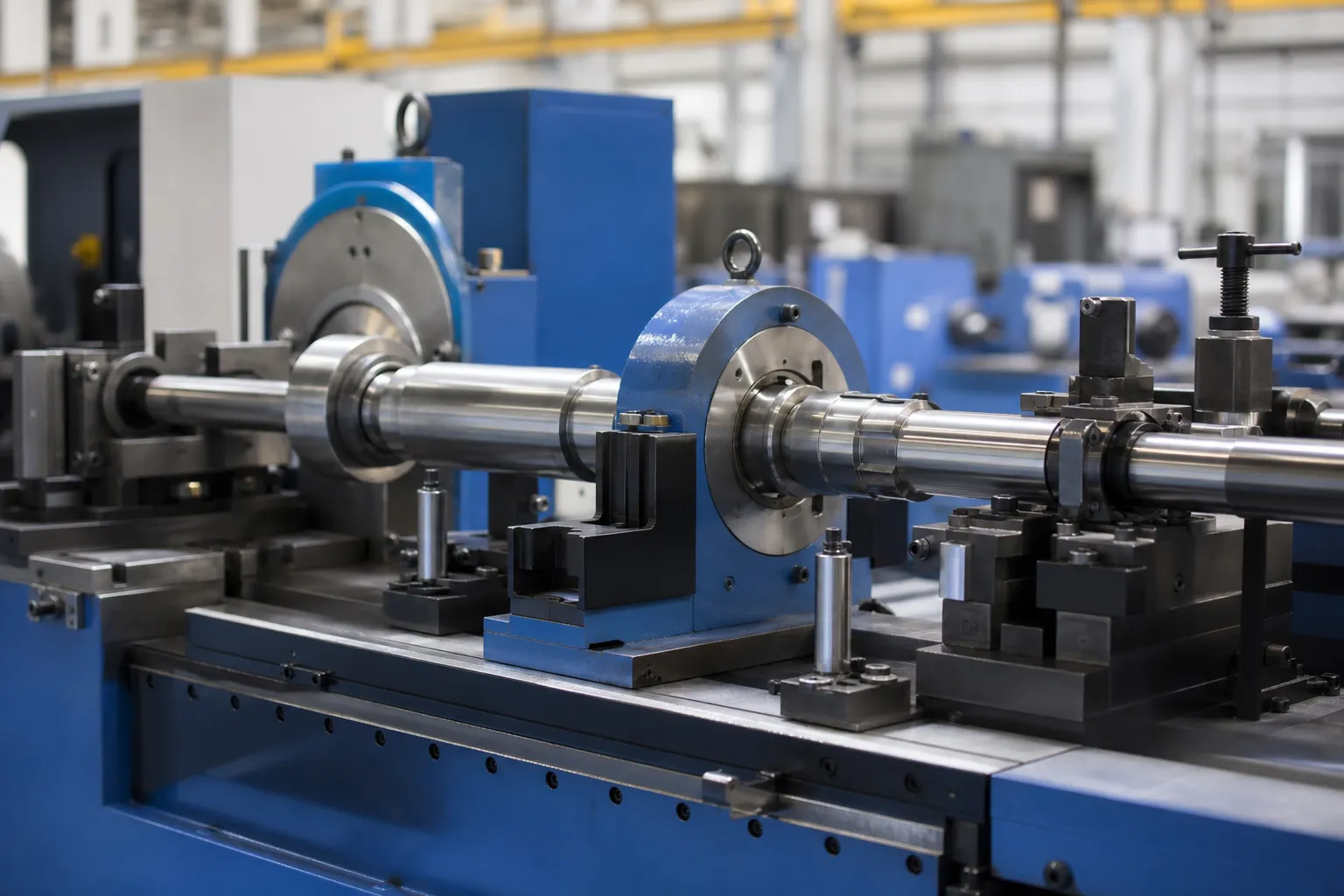
*Jeni konsèp ilistrasyon. Li montre yon selil pwodiksyon kandida, pa yon sistèm klasman otomatik enstale oswa yon kapasite deteksyon defo yo defini.*
Defini Eta Dispozisyon yo
Nan minimòm, distenge PASE, ASE, retravay ki kalifye, sispann / kenbe ak jeni / revizyon kalite. Definisyon yo dwe fè referans a desen kontwole, metòd mezi, kondisyon pwosesis ak otorite pou libere. Yon alam pwosesis se pa otomatikman yon rejte; li ka yon siyal eskalade ki mande pou verifikasyon.
| Eta | Definisyon obligatwa |
|---|---|
| PASE | Satisfè egzijans eta a te dakò ak dosye obligatwa yo |
| ASE | Pa satisfè egzijans yo defini oswa li konfime yon non-konfòmite |
| Rework-elijib | Satisfè kondisyon dokimante pou yon lòt tantativ apwouve |
| Sispann / kenbe | Mande konfigirasyon, pwosesis-siyal, bon jan kalite oswa revizyon jeni anvan plis pwosesis |
| Revizyon Jeni | Bezwen yon desizyon kontwole deyò wout nòmal otomatik la |
Kenbe Pwoblèm Enstalasyon Separe ak Pati Non-konfòmite
Anvan routage yon pati kòm NOK, konsidere si siyal la ta ka soti nan chèz done, varyasyon aparèy, kondisyon Capteur, pati idantite, move resèt oswa yon eta sipò ki pa apwouve. Pwosedi a ta dwe defini chèk yo netwaye/retab/repete yo epi anpeche retrè san limit.
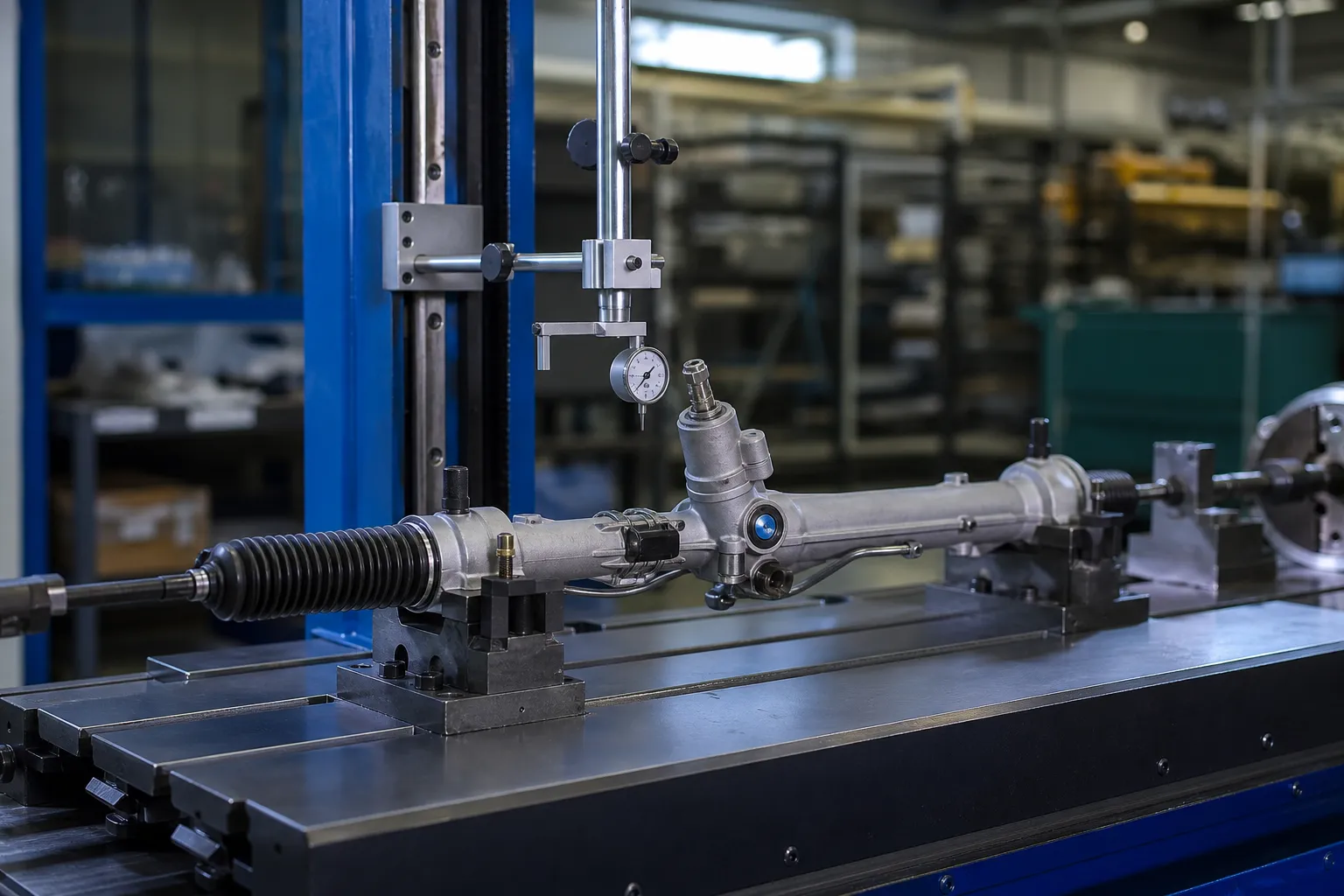
*Jeni konsèp ilistrasyon. Li dekri yon pwen desizyon mezi, pa prèv yon klasifikasyon otomatik oswa yon règ alam espesifik.*
Gade repetibilite aparèy ak chèz done epi deteksyon krak pandan redresman otomatik pou separasyon ant yon siyal ak kòz verifye li.
Mete yon limit retravay anvan premye koreksyon an
Retravay ta dwe yon wout apwouve ak yon kantite maksimòm tantativ defini, kondisyon kontak/sipò pèmèt, egzijans remezurasyon, chèk sifas/karakteristik ak otorite pou kontinye oswa sispann. Limit la se pa yon nimewo inivèsèl; sa depann de materyèl, etap pwosesis la, karakteristik risk, kondisyon kliyan ak repons valide. Lè yon pati pa reponn jan li espere, aksyon apwopriye a ka kenbe oswa rejte olye ke fòs adisyonèl.
Why Unlimited Retries Corrupt the Line
Allowing a line to re-correct a part until the gauge finally passes feels productive and quietly destroys two things. The first is the part itself: every plastic bending cycle consumes a share of the section’s low-cycle fatigue life, and the reverse-loading behavior described for reverse loading in straightening means later cycles move the material more per unit force than earlier ones did. A part that reaches tolerance on its sixth attempt is not equivalent to one that reached it on the first, even though both read PASS.
The second casualty is the line’s own information. When retries are unlimited, the gauge sees only eventual outcomes: parts that converge, slowly, under repeated force. A drifting correction setup, a worn anvil, a bad lot of stock and a genuinely struggling part family all produce the same visible symptom — more attempts per part — and none of them generates a stop condition. The retry count is one of the cheapest and most informative process signals a straightening line produces, and it only exists as data if the line is required to stop and route the part at a defined limit instead of looping.
Thinking of the Rework Limit as a Budget
A more useful mental model than “three strikes” is a budget of deformation that each part may spend. The budget is set by the material’s condition and the consequence of failure in service, and it is spent by every correction stroke — forward or reverse. A hardened safety-critical shaft and a soft structural bar may carry very different budgets, which is why no universal rework number is defensible and why the limit belongs to the part family’s validated process, reviewed by quality. The same budget concept explains a rule that otherwise looks arbitrary: a part that has consumed its budget and still fails is rejected even though one more attempt might conceivably pass, because the part that would emerge is no longer the part the drawing specifies in any meaningful sense.
Budgets also need edges. Two conditions that stop rework regardless of remaining attempts are no-progress — corrections that stop changing the geometry, indicating the process is no longer engaging the error — and overshoot oscillation, where each attempt moves the part from one side of tolerance to the other. Both are stop signals, not tuning opportunities, and both feed the integrity-review concerns that repeated plastic cycling raises.
Kenbe izolasyon ak trasabilite
Chak dispozisyon dwe prezève idantite pati/lo, vèsyon desen/resèt, kondisyon mezi, tantativ koreksyon, rezilta, evènman operatè/otomatik, tan, revize desizyon ak kote fizik. Izolasyon dwe anpeche yon pati ki kenbe oswa NOK retounen nan koule PASS la san otorizasyon eksplisit.
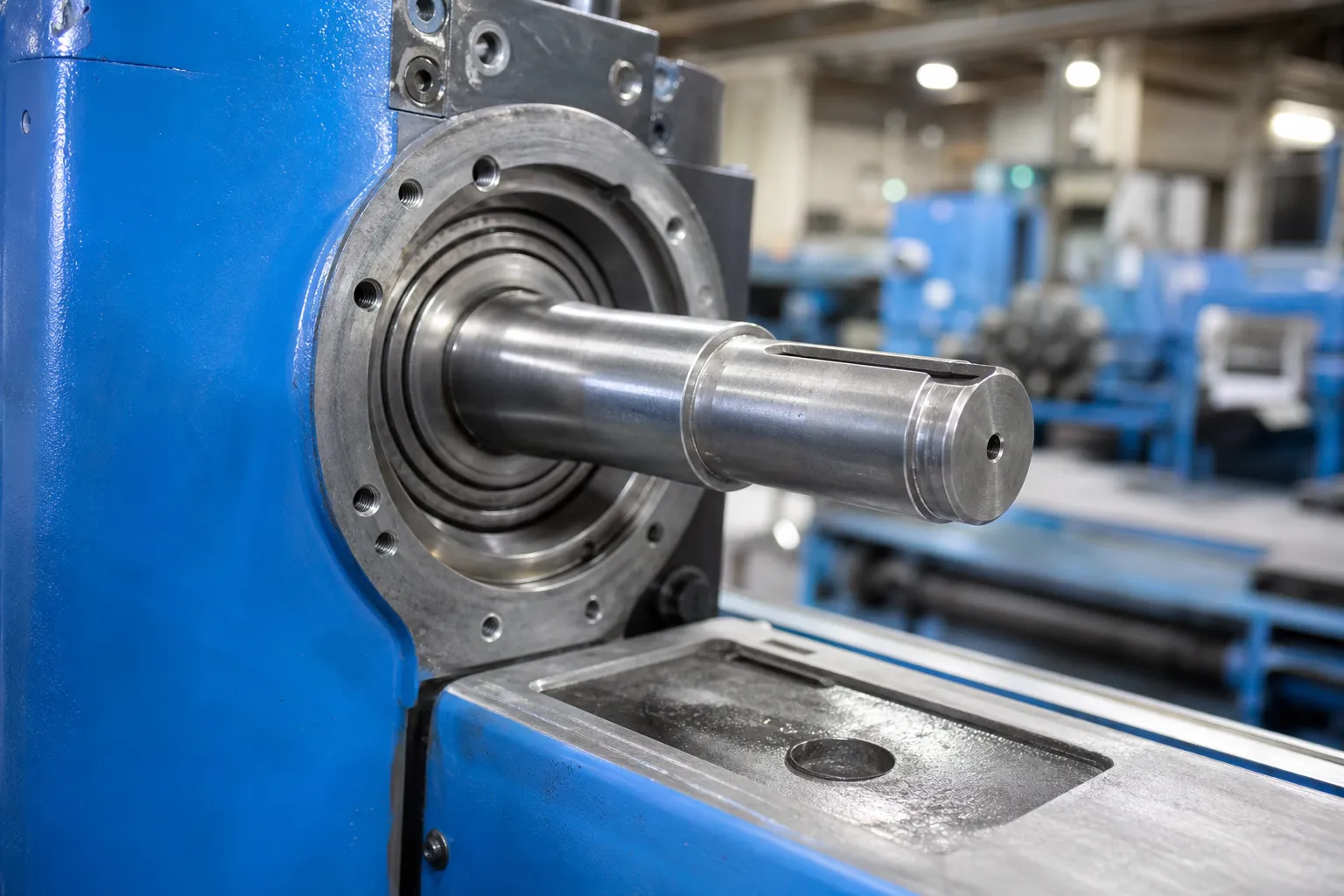
*Jeni konsèp ilistrasyon. Li mete aksan sou verifikasyon eta lage ak dispozisyon anrejistre, se pa yon pwomès yon koòdone DMC/MES oswa yon klasman otomatik.*
Designing Segregation That Cannot Be Defeated
Disposition states only work if the physical line enforces them. The failure mode is always the same: a held or NOK part re-enters the good flow during a busy shift, through an operator judgment call, a shared conveyor or an unlabeled tote. Effective segregation design follows mistake-proofing logic rather than instruction signs. Good and rejected parts take different physical paths with no shared section where a part can be redirected by hand. Hold locations lock or require an access step that itself creates a record. Labels and bins are part-specific, not generic scrap tags, so a held-for-review part cannot decay into anonymous scrap or anonymous stock. Where volume justifies it, diverters and gates make the routing decision the machine’s, not the operator’s — the automation boundary discussed in manual versus automatic straightening applies to disposition as much as to correction.
The record side has the same anti-defeat requirement. A disposition that lives only in an operator’s memory, or in a spreadsheet anyone may edit, does not survive an audit or a containment event. The minimum durable record is the tuple — part identity, lot, drawing and recipe version, kondisyon mezi, attempt count, rezilta, decision, decision-maker, time — retained long enough to answer the customer question that eventually comes: which parts from that week, from that machine, from that shift.
What the Disposition Data Buys Later
A line that routes honestly accumulates, as a by-product, the dataset that every improvement program wishes it had. Attempt-count trends flag tooling wear and setup drift while they are still cheap to fix. Lot-to-lot shifts in incoming geometry point upstream to suppliers with evidence instead of complaints. The ratio of setup-issue holds to true part nonconformances measures how much of the line’s apparent quality problem is actually its measurement and fixturing — information directly relevant to planning a gage R&R etid. And when a customer raises a field concern, traceability converts a week of panic into an afternoon of records. None of that value survives a culture of retry-until-pass; all of it is the natural dividend of the routing discipline described here.
Konstwi yon wout verifikasyon ak ogmantasyon
- idantifye pati a, lot, desen ak resèt;
- verifye konfigirasyon mezi/datum nan chèk yo apwouve yo;
- pran lekti a, eta pwosesis ak nenpòt alèt;
- aplike sèlman wout retravay ki pèmèt yo lè yo konfime kalifikasyon;
- lage ak remesure anba kondisyon yo dakò;
- wout PASE, ASE, kenbe oswa revizyon jeni;
- kenbe trasabilite ak segregasyon fizik;
- sèvi ak modèl renouvlab pou deklanche pwosesis oswa revizyon kalite.
Pou achitekti prèv ki nesesè yo, wè redresman echantiyon tès ak akseptasyon epi Gage R&R pou redresman liy yo.
Non-Pwogrè ak Koreksyon-Limite Gates
Fraz egzak la redresman limit koreksyon pa gen okenn pòtay pwogrè se medikalman polye nan SERP, Se konsa, lojik kanonik pa gen okenn pwogrè ap viv sou paj klasman ak retravay-limit NOK la. Defini sik koreksyon maksimòm, force/stroke ceilings and mandatory stop/sort actions before production release.
FAQ
Èske NOK toujou vle di bouyon?
Non. Yon eta NOK ka mande pou verifikasyon, retravay kontwole, revizyon jeni oswa rejè final la depann sou wout la bon jan kalite apwouve.
Èske yon liy reesye jiskaske lekti a pase?
Non. Retravay bezwen yon limit maksimòm-tantativ defini ak otorite kalite. Eseye san limit ka maske yon pwoblèm pwosesis oswa mezi.
Èske atik sa a vle di liy lan gen klasman otomatik?
Non. Li se yon kad routage. Triyay aktyèl la, trasabilite ak fonksyon koòdone mande pou verifikasyon separe.
Why does the attempt count matter more than the final reading?
Because the final reading describes where the part ended, while the attempt count describes what it cost to get there. Two parts reading identical PASS values are not equivalent if one took a single correction and the other took a full budget of repeated cycles. The attempt count is also the line’s earliest drift alarm — a setup, tooling or material change usually shows up as more attempts per part long before it shows up as rejects.
Should rework limits differ between part families?
Wi. The limit is a deformation budget set by material condition, feature risk and service consequence, so a hardened safety-critical shaft and a soft structural bar justify different numbers. The limit belongs to each family’s validated process with quality approval, not to the line as a single setting.
What is the minimum physical segregation a small line needs?
Separate paths or lockable, labeled, part-specific containers for PASS, hold and NOK — arranged so a held part cannot return to the good flow without a recorded, authorized step. The design principle is that doing the wrong thing must require effort, not just discipline. Escalate to machine-controlled diverters when volume or staffing makes human routing unreliable.
Sorting decisions are also capacity decisions – la konparezon manyèl vs otomatik ak la ROI ka pou redresman otomatik both price the NOK stream a manual line tends to hide.