
Mandrin medikal yo se èd fabrikasyon oswa espas vid eleman, pa yon sèl fanmi pwodwi interchangeable. Yon wout redresman dwe kòmanse ak fonksyon mandrin aktyèl la: si li sipòte yon pwosesis katetè, vin yon eleman debaz, se pita tè oswa kouvwi, oswa yo reitilize apre yon operasyon manifakti kontwole. Materyèl, dyamèt, longè, fini jeyometri, kondisyon kouch ak metòd final enspeksyon detèmine si yon pwosesis redresman kandida apwopriye.
Gid sa a eksplike kesyon jeni yo ki ta dwe rezoud anvan ou chwazi ekipman yo. Li pa endike ke StraighteningTech kounye a sipòte chak materyèl mandrin medikal, gwosè, kouch, kondisyon pwòpte oswa pwotokòl validation. Final zouti, anviwònman, presizyon, automatisation ak akseptasyon yo dwe dakò nan echantiyon reprezantan ak desen an kontwole.
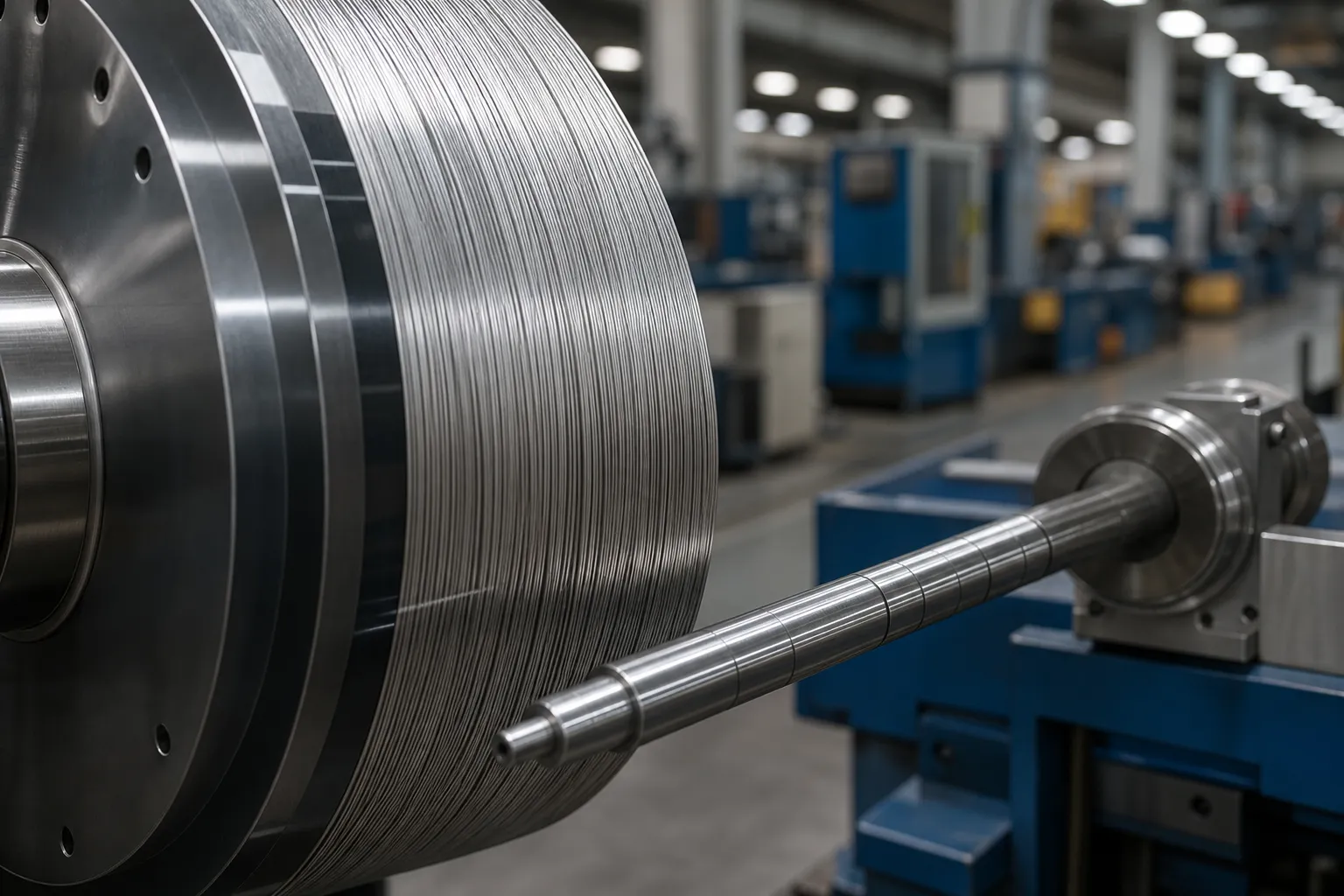
*Jeni konsèp ilistrasyon. Li idantifye yon mandrin etap fabrikasyon ak kontèks mezi; se pa yon foto sou sit kliyan an oswa yon prèv yon machin livrezon.*
Kenbe Mandrin, Fil Nwayo ak Aparèy Medikal Fini Separe
Tèm rechèch la * redresman mandrin medikal * souvan rasanble diferan pyès ak responsablite diferan.. Yon mandrin ki kapab itilize ankò, yon fil nwayo bobin-manje, yon tib zegwi ak yon fil gid fini ka chak bezwen chaj diferan, kontakte, netwayaj ak kontwòl kalite. Trete yo kòm yon sèl pwodwi ka kreye yon reklamasyon pwosesis danjere.
| Atik | Kesyon jeni tipik | Fwontyè pou konsève |
|---|---|---|
| Mandrin manifakti diskrè | Èske banza oswa runout konpatib ak pwochen operasyon fabrikasyon li yo? | Pa sipoze li se yon implant fini oswa yon aparèy klinik. |
| Fil medikal bobin manje | Èske kontwòl liy lan jete, helix, koupe longè ak kondisyon kouch? | Sa a se yon pwosesis kontinyèl-manje, pa nesesèman yon pwosesis mandrin disrè. |
| Tib zegwi oswa stylet | Ki lumen, pwent, karakteristik miray oswa sifas yo pa dwe kontakte? | Jeyometri tib ak kondisyon pwòpte bezwen pwòp validation yo. |
| Fini fil gid oswa eleman katetè | Èske nenpòt koreksyon pèmèt apre pwosesis final la? | Pwodwi, reklamasyon regilasyon ak klinik yo deyò yon atik ekipman jenerik. |
Pou wout pwodiksyon ki gen rapò men diferan, wè redresman fil medikal, tib zegwi ak redresman stylet, ak la sant solisyon konpozan medikal.
Defini etap fabrikasyon an anvan w chwazi yon metòd
Distòsyon ka prezante pa desen, fanm k'ap pile san sant, tretman chalè, kouch, transfere, reitilize oswa manyen. Menm koube vizyèl la ka mande yon repons diferan anvan ak apre yon etap kouch. Yon pati ki toujou pwograme pou fanm k'ap pile pita ka gen yon estrateji kontak diferan de yon mandrin fini oswa kouvwi ak yon kondisyon kosmetik oswa fonksyonèl sifas..
Jele antre sa yo anvan yon echantiyon jijman:
- revizyon desen kontwole, spesifikasyon materyèl ak etap fabrikasyon;
- dyamèt nominal ak aktyèl, longè, fòm fen ak nenpòt chanjman lokal nan rèd;
- si pati a vid, kouvwi, tè, chalè trete, netwaye oswa itilize deja;
- banza fèk ap rantre, runout oswa lòt distribisyon jeyometri soti nan pati reprezantan;
- karakteristik la, datum and support condition used by the customer's reference inspection;
- sifas ki ka sipòte, kondwi oswa korije, ak zòn ki pwoteje yo pa ka kontakte;
- definisyon akseptasyon pati lage, ki gen ladan mezi repete ak kondisyon manyen.
An equipment quotation should not convert a competitor's diameter range or automation description into a StraighteningTech specification. MSI, Chamfr ak lòt paj espesyalis etabli ke ekipman mandrin devwe egziste nan mache a; yo pa etabli ranje a, fòs, konpatibilite kouch oswa dimansyon sistèm bon jan kalite nan yon founisè diferan.
Chwazi yon Datum Ki Reprezante Fonksyon Obligatwa a
Lekti yon pwofonde itil sèlman lè referans lan defini. Yon sond ki ba-fòs ka toujou pwodwi rezilta ki twonpe si pati a chita enkonsistan, yon zòn kouvwi chanje kontak, oswa yo itilize yon karakteristik fen san yo pa konfime ke li reprezante aks ki nesesè yo.
Estrateji datum kandida yo ka gen ladan karakteristik final apwouve, yon seksyon referans dwat defini, oswa yon aks matematik ki pwodui nan estasyon mezi espesifik yo. The final choice must be correlated with the customer's reference gauge. Si kliyan an aksepte yon valè dwat eta gratis pandan y ap machin nan mezire yon siyal wotasyon sipòte, relasyon ki genyen ant de metòd sa yo bezwen demontre olye ke sipoze.

*Jeni konsèp ilistrasyon. Li montre poukisa kontak ak pwoteksyon kouch mande pou yon validation espesifik pou pyès travay la; li pa presize yon aparèy mandrin inivèsèl oswa fòs kontak akseptab.*
Mezire ak rezolisyon ase, men tou Kontèks ase
Yon sèl lekti pwen mitan ka kache viraj lokal yo, efè fen oswa erè konfigirasyon. Yon plan echantiyon-tès itil defini estasyon mezi yo, pozisyon sipò yo, chemen wotasyon oswa tradiksyon kote sa aplikab, Kondisyon kontak Capteur ak metòd pou separe jeyometri pati nan siyal aparèy.
Pou chak metòd mezi, dokiman:
| Kontwòl mezi | Poukisa li enpòtan |
|---|---|
| Reyalizasyon done ak chèk syèj | Anpeche yon sal, chire oswa mal sipòte karakteristik soti nan parèt kòm yon koube. |
| Sonde kontak oswa konfigirasyon optik | Fòs kontak, reflektivite sifas ak kondisyon kouch ka afekte siyal la. |
| Estasyon axial ak oryantasyon | Yon defo lokal yo ka rate lè yo tcheke yon sèl span oswa direksyon. |
| Kondisyon mezi lage | Yon lekti sere oswa tension se pa otomatikman rezilta final la gratis-eta. |
| Korelasyon kalib | Connects equipment readings to the customer's controlled acceptance method. |
Kesyon ki kòrèk la se pa tou senpleman si mezi se kontak oswa ki pa kontak. Li se si metòd la se repete pou materyèl sa a, sifas, jeyometri ak karakteristik akseptasyon. Prensip seleksyon yo pi laj yo eksplike nan kontak kont mezi dwat ki pa kontak.
Korije Degreman ak Pwoteje Sifas la
Any candidate correction method must be selected from the part's permitted contact zones, distribisyon rèd ak kat deformation. Li ka enplike koreksyon lokal kontwole, gide kontak milti-pwen, oswa yon lòt wout espesifik pyès travay. Pwosesis la pa ka espesifye san danje nan yon non pwodwi pou kont li.
Anvan fòs oswa deplasman aplike, revizyon jeni an ta dwe defini kote sipò yo, kote koreksyon yo, kontakte materyèl yo, Indexing oswa kontwòl oryantasyon, tantativ koreksyon maksimòm pèmèt ak kondisyon yo sispann pou yon pati ki pa reponn yon fason previzib ankò. Kouch, sifas poli, karakteristik ti bout ak chanjman dyamèt lokal yo ka mande pou zouti devwe oswa yo ka eskli yon wout kontak pwopoze nèt..
Bouk koreksyon an ta dwe fèmen:
- idantifye fanmi an pati kontwole ak resèt;
- enspekte ak rejte domaje, pati ki kontamine oswa ki andeyò;
- chaje done apwouve a epi konfime chita;
- mezire kat jeyometri inisyal la;
- chwazi sipò ak koreksyon plan apwouve a;
- aplike yon koreksyon incrémentielle nan limit yo dakò;
- konplètman lage fòs ak kontrent;
- remezire estasyon ki nesesè yo epi wout pati a nan OK, NOK oswa revizyon jeni.
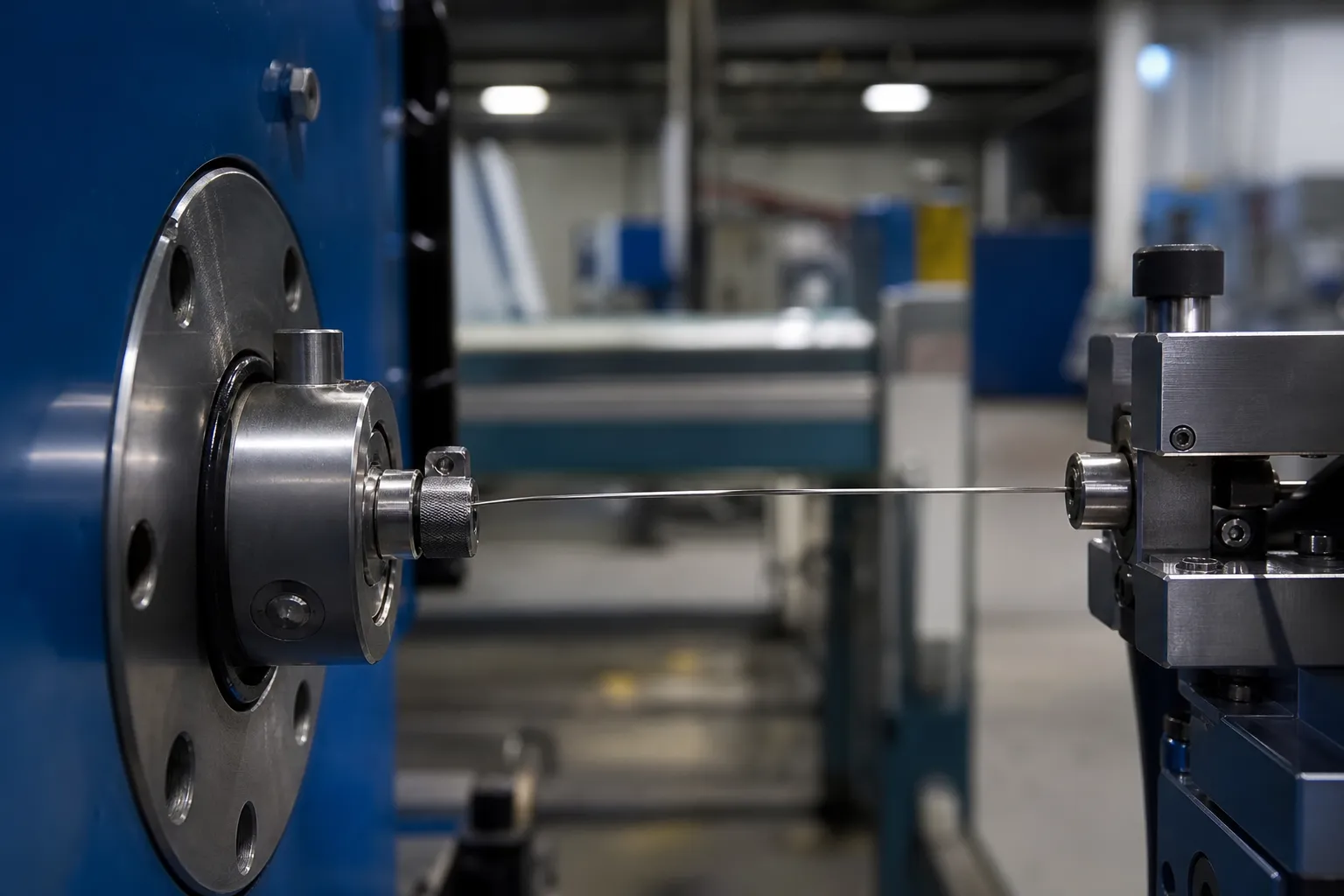
*Jeni konsèp ilistrasyon. Li mete aksan sou enspeksyon nan eta a ak revizyon ki kapab remonte; se pa prèv yon rezilta akseptasyon kliyan.*
Verifikasyon Eta Liberasyon Se Pòtay Akseptasyon an
Yon lekti tanporè anba presyon, blocage oswa tansyon se pa yon rezilta akseptasyon pati lage. Apre koreksyon, mandrin an dwe lage ak mezire nan kondisyon yo dakò. Dosye jijman an ta dwe kenbe lekti k ap vini an, metòd dat, sekans koreksyon, lekti final la, metòd enspeksyon ak dispozisyon. Ki kote sifas, kouch, pwòpte oswa entegrite materyèl enpòtan, chèk sa yo dwe idantifye kòm atik akseptasyon separe olye ke yo pliye an silans nan "dwatete".
| Atik akseptasyon | Egzanp prèv obligatwa |
|---|---|
| Jeyometri anvan ak apre | Lekti anvan tout koreksyon mare nan done yo te dakò ak kat estasyon an |
| Repetebilite | Reyalite epi repete lekti yo, plis korelasyon kliyan-kalib kote sa nesesè |
| Pwoteksyon sifas yo | Metòd enspeksyon kontwole ak kritè vizyèl apwouve |
| Pwosesis repons | Defini tantativ maksimòm ak wout jeni-revizyon pou pati ki pa gen pwogrè |
| Trasabilite | Idantite pati/anpil, vèsyon resèt la, operatè oswa automatisation evènman ak rezilta dosye |
Enfòmasyon ki nesesè pou yon revizyon redresman mandrin medikal
Next steps for a medical mandrel project: confirm the machine concept with the arbr, gid seleksyon tib ak pwofil straightener, then frame the business case with the cost structure of a straightening machine.
Voye desen an kontwole, materyèl ak etap fabrikasyon, echantiyon reprezantatif koube ak nòmal, kouch oswa kondisyon sifas yo, zòn kontak akseptab, done jeyometri k ap vini yo, metòd enspeksyon kliyan ak limit akseptasyon pati lage. Epitou idantifye nenpòt pwòpte, validation, dokiman oswa responsablite regilasyon ki aplike nan etap pwodiksyon an.
Lè sa a, StraighteningTech ka revize fanmi pyès travay la, done posib, zòn pwoteje, mezi kandida ak wout koreksyon, ak prèv ki nesesè pou yon plan tès echantiyon. Yo pwopoze yon konfigirasyon final machin sèlman apre yo fin dakò antre ak kritè validasyon sa yo.
FAQ
Èske yon mandrin kouvwi ka dwate?
Se sèlman apre kouch la, zòn kontak yo, Yo revize kritè make akseptab yo ak metòd enspeksyon pati ki lage yo. Yon kouch pa otomatikman fè koreksyon enposib, men li chanje chay validation.
Èske yon mandrin menm jan ak fil medikal?
Pa nesesèman. Yon mandrin disrè ak yon fil bobin-manje ka gen fonksyon diferan, metòd chaje, kontwòl jeyometri ak kondisyon pwòpte. Yo pa ta dwe pataje yon plan pwosesis san yo pa yon revizyon pyès travay.
Èske yon lekti machin ka ranplase kalib kliyan an?
Non. De metòd yo ka gen rapò, men relasyon sa a bezwen yon korelasyon dokimante ak revizyon repetibilite.
Èske yon valè straightness ka garanti anvan yon tès echantiyon?
Non. Presizyon final la, tan sik, metòd kontak ak nivo automatisation depann sou desen an, eta materyèl, karakteristik pwoteje, echantiyon ak metòd aksepte aksepte.