
Tehtaan vastaanottotesti ei ole lyhyt koneesittely. Oikaisujärjestelmää varten, FAT:n tulee tarkistaa sovittu työkappaleperhe, ohjattu piirustus, mittausmenetelmä, korjausreitti, vapautettu valtion hyväksyntä, turvallisuutta, tietueet ja avausprosessi ennen lähetystä. Se ei korvaa sivuston hyväksyntää, asiakkaan hyödyllisyys/käyttöliittymätarkistukset, lopullinen asennuksen validointi tai jatkuva tuotantotodistus.
Tämä opas on sopimus- ja laatukehys. Se ei väitä, että StraighteningTech käyttäisi tiettyä FAT-protokollaa, toimittaa kaikki asiakirjat tai ottaa vastaan koneen ilman asiakaskohtaista sopimusta. Sopimus, URS, riskien arviointi ja valvottu hyväksymissuunnitelma määrittelevät lopullisen laajuuden.
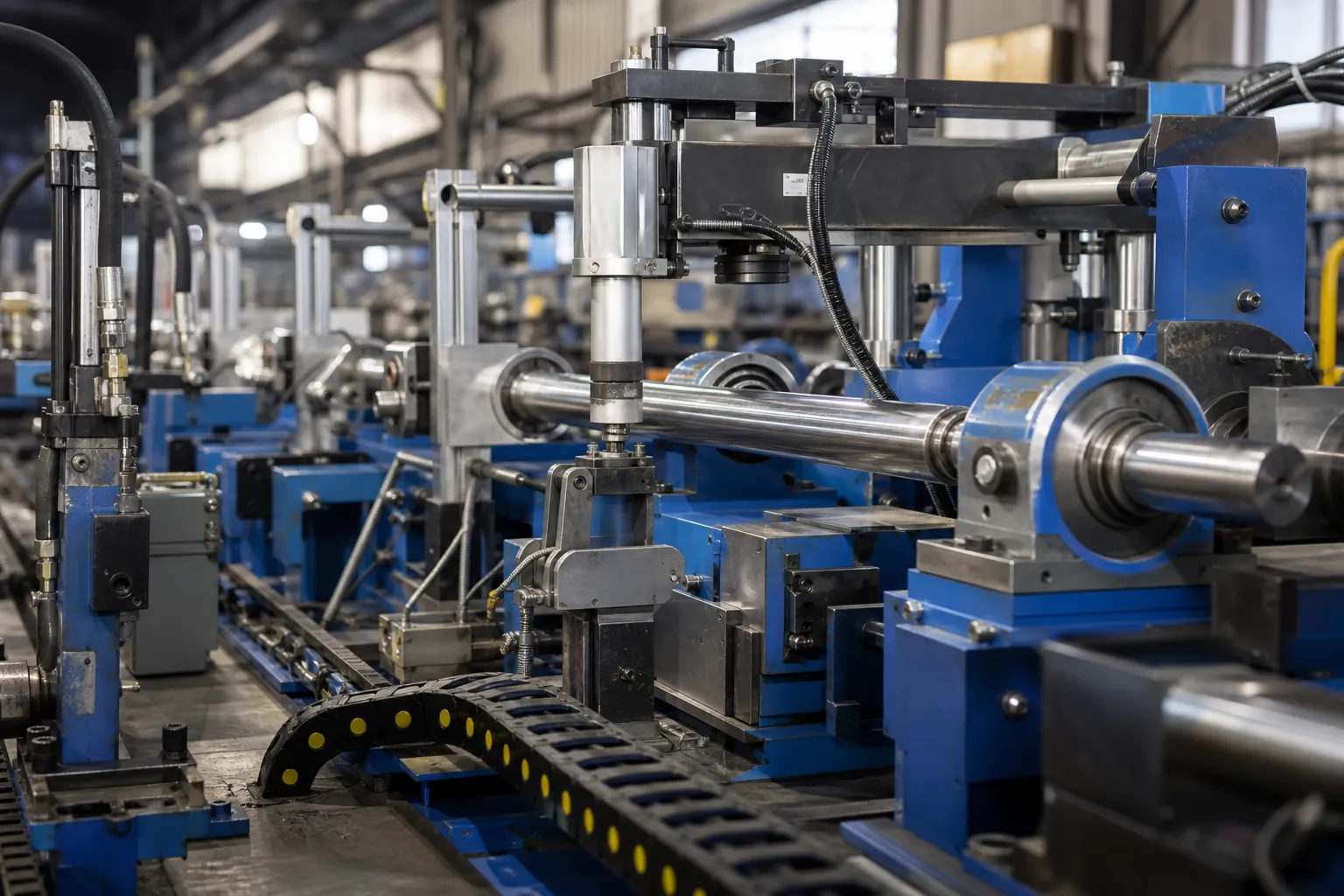
*Suunnittelukonseptin kuva. Se edustaa ehdokas FAT-prosessikontekstia, ei todisteita siitä, että tietty kone, turvatoiminto tai suoritustulos on hyväksytty.*
Jäädytä FAT-tulot ennen testausta
Vahvista koneen kokoonpano, kontrolloidut työkappalenäytteet, tarkistusten piirtäminen, materiaali/prosessivaihe, datum, asiakasmittari, hyväksymisominaisuudet, sallitut kosketusalueet, tavoitetestiolosuhteet, tietokenttiä, turvallisuusvaatimukset ja vastuulliset allekirjoittajat. Testi ei voi todistaa määrittelemätöntä vaatimusta.
| FAT-tulo | Miksi sillä on väliä |
|---|---|
| Edustavat ja rajaavat näytteet | Osoittaa sovitun perheen, ei vain helppo esittelyosa |
| Asiakkaan/hyväksytty mittari | Yhdistää linjalukemat aiottuun hyväksyntätapaan |
| Piirustus ja peruspiste | Määrittää varsinaisen ominaisuuden |
| Prosessin/reseptin tarkistus | Estää testiä käyttämästä hyväksymättömiä asetuksia |
| Turvallisuus ja käsittelyalue | Varmistaa, että testi kattaa suojukset, lukitukset ja työkappaleen liike |
What a FAT Can and Cannot Certify
The honest scope of a factory acceptance test is narrow and valuable: it certifies that, on the agreed day, with the agreed parts, gauges and witnesses, the system performed the defined sequence and produced the defined records. It does not certify sustained capability — that accrues from weeks of production data after installation, which is what site acceptance and early-production reviews sample. It does not certify every future part variant — each new family carries its own qualification. And it does not certify the customer’s own processes — staffing, material flow, gauge maintenance — which determine much of real-world performance, kuten on käsitelty manual versus automatic straightening. Writing this boundary into the FAT plan protects both sides: the buyer knows what evidence they are buying, and the supplier is not held to an open-ended demonstration.
Designing the Challenge Parts
The weakest FATs demonstrate the machine on the easiest available parts; the strongest exercise it on parts chosen to probe the edges of the agreed scope. Designing those challenge parts is a joint exercise with a short checklist of its own. Geometric edge: include at least one part with the worst incoming distortion the production contract expects, because a machine that only proves itself on moderate bends has not demonstrated its working range. Family edge: if the contract covers a range of diameters or sections, the FAT samples both ends of the range, not the comfortable middle. Event edge: deliberately include a part that must be routed hold or NOK, to prove the exception path — many machines that pass every good part have never demonstrated what happens with a bad one until it matters. Condition edge: reseating, a changeover within the agreed scope, and a recovery from an interrupted cycle each test the state machine rather than the press. None of these is a trap; every one is a scenario production will deliver within the first month, and the factory floor is the cheapest place to see the response for the first time.
Tarkista mittaus ja vapautetun tilan hyväksyntä
FAT:n tulee tallentaa saapuvan geometrian, datumin asetukset, mittausasemia, korjaustapahtumat, vapautetun tilan uudelleenmittaus, pinnan/piirteiden tarkastus ja vertailu hyväksyttyyn vertailumenetelmään. Pakollinen tai tilapäinen rajoitus ei ole lopullinen hyväksymistulos, ellei sopimuksessa ole nimenomaisesti määritelty.
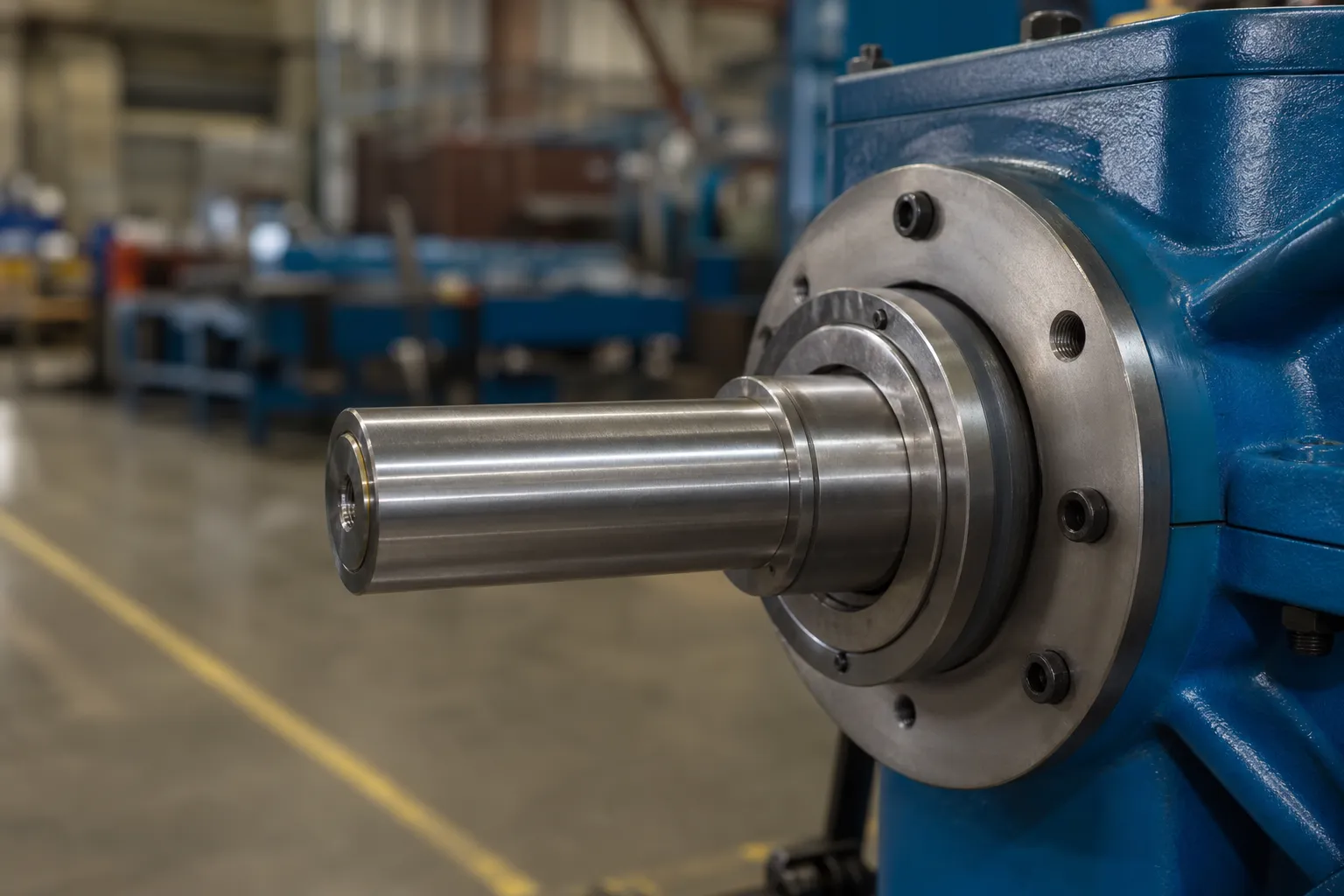
*Suunnittelukonseptin kuva. Se korostaa vapautuneen tilan vahvistusta; se ei ole asiakkaan FAT-tietue tai todiste yleisestä hyväksymismenetelmästä.*
Käyttää kuormitettu vs. vapautettu suoruuden mittaus and machine gauge versus customer gauge correlation to define the measurement boundary.
Testaa prosessia, Ei vain paras osa
Sisällytä edustavat normaalit osat ja sovitut haaste-/rajaosat. Haasteehtoihin voi kuulua ilmoitettu geometriaehto, vaihtelu sallitussa tuoteperheessä, voimassa oleva vaihto, valvottu pito/NOK-tapahtuma, uudelleenasetuksen tarkistus tai muu asiakkaan hyväksymä skenaario. Tarkoitus ei ole pakottaa epäonnistumaan; sen tarkoituksena on tarkistaa määritetty vastaus ja tietueet.

*Suunnittelukonseptin kuva. Se näyttää työkappalekohtaisen menetelmän valinnan, ei väitä, että jokainen ehdokasvariantti kuuluu FAT-alueeseen.*
Tarkista Turvallisuus, Data and Exception Routes
Verify the agreed guarding, stop functions, handling safeguards, hälyttimet, data records, recipe/version identification, traceability functions where contracted, and PASS/NOK/hold routing. A display showing a status is not enough: the FAT should define what was challenged, the observed response, the evidence retained and who approved it.
For related controls, katso NOK:n lajittelu- ja korjausrajat and straightening-line traceability and DMC.
Record Deviations and Open Items
Every deviation should identify the requirement, evidence, vaikutus, owner, corrective action, due date and closure method. FAT completion does not mean all deviations vanish; it means the agreed disposition is documented. Open items that affect safety, acceptance or the site installation plan must be carried into SAT and final handover.
The Measurement Segment Deserves Its Own Agenda Item
Between the mechanical demonstration and the paperwork, the measurement segment of a straightening FAT is where acceptance substance lives, and it deserves explicit time on the agenda rather than leftovers. Three demonstrations earn their place. The reseat demonstration: a witness part measured, unloaded, reloaded and remeasured, with the spread on record — this is the machine’s measurement floor, and every later agreement about tolerances silently rests on it. The released-state demonstration: parts remeasured after correction force and restraint are removed, per loaded versus released discipline, so the report values are the values that ship. The correlation demonstration: the same parts read on the machine and on the customer’s reference method, with the comparison on record. Whether a full gage R&R-tutkimus belongs inside the FAT or follows as a site activity is a scoping decision — but a FAT that measures nothing, measures only under force, or measures only with the supplier’s own gauge has documented a demonstration, not an acceptance.
Recognizing a Weak FAT Before You Sign It
Weak acceptance tests share a recognizable signature, and naming it helps buyers push back and suppliers self-correct. The golden-part pattern: the same easy workpiece, prepared in advance, demonstrated repeatedly while nothing from the contract’s boundary conditions appears. The undefined-condition pattern: readings quoted without stating support, restraint or gauge — numbers floating free of method. The exception-path silence: the test ends without ever routing a hold or NOK part, so the sorting logic and its records are untested at handover. The retrospective paperwork: records assembled after the test from memory, which fails the first audit that asks for contemporaneous evidence. And the disappearing open items: deviations acknowledged verbally at the test that surface in no document, no owner and no SAT carry-forward. Any one of these is a reason to extend the FAT, not a reason to renegotiate its meaning afterward.
FAT Checklist
- controlled samples, piirustuksia, mittarit ja vastaanottomenetelmä saatavilla;
- kokoonpano, kiinnitys/työkalut ja reseptin tarkistus tunnistettu;
- mittaus/datum ja vapautuneen tilan menetelmä esitettiin;
- normaalit ja sovitut raja-/haasteosat kirjattu;
- pinta-/ominaisuussuojaus ja vaaditut riippumattomat tarkastukset;
- turvallisuutta, käsittelyä, hälytykset ja poikkeusreaktiot testattu;
- levyjä, jäljitettävyys/vienti, jos sopimus on tehty, ja varmuuskopiointivaatimukset tarkistettiin;
- poikkeamat, avoimia kohteita, omistajat ja SAT-siirtoluettelo dokumentoitu;
- asiakkaan/toimittajan laatuviranomaiset allekirjoittavat sovitun raportin.
Työmaa-asennusta ja jatkuvaa käyttöä varten, use straightening machine SAT checklist after FAT. Esimerkkitodistuksia varten, katso suoristusnäytteen testaus ja hyväksyminen.
FAQ
Todistaako FAT lopullisen tuotantokyvyn?
Ei. FAT vahvistaa sovitun tehdastestin laajuuden. Sivuston ehdot, asiakasrajapinnat, asennus, mittarit ja jatkuva tuotanto vaativat SAT:n ja lisätodisteita.
Voiko lyhyt kuivaajo korvata työkappaleen vastaanottamisen?
Ei. FAT tarvitsee kontrolloituja näytteitä, datum/mittari -menetelmä, vapautettu tilatarkastus ja dokumentoitu vastaus sovittuihin ehtoihin.
Voidaanko avoin kohde jättää huomiotta FAT:n jälkeen?
Ei. Sillä on oltava dokumentoitu omistaja, riski/sijoitus ja sulkemisreitti, usein SAT.
How many parts should a straightening FAT process?
Enough to cover the agreed matrix, not a fixed count: representative normal parts from the family, the geometric and family-edge challenge parts, and at least one part routed to hold or NOK to demonstrate the exception path. The contract scope defines the matrix; the test plan should list each part and what it is there to demonstrate.
Should a gage R&R study be part of the FAT?
It depends on scope and schedule. The FAT should at minimum demonstrate reseating repeatability, released-state measurement and correlation to the customer gauge. A full repeatability-and-reproducibility study is often better executed at site with the customer’s own operators and environment — but then it must appear in the SAT plan, not disappear between the two documents.
Who should witness the FAT?
The buyer’s quality function, not only procurement. The people who will own acceptance records, maintain the gauges and answer for the line’s disposition logic are the right witnesses for reseat spreads, released-state readings and exception-path behavior — and their signature on the report is what makes it an acceptance rather than a demonstration.