
Rivin ei pitäisi käsitellä jokaista ei-syötettävää lukemaa samalla tavalla. Osassa voi olla asennusongelma, mittaushälytys, korjattavissa oleva geometrinen tila, ei edistynyt vastaus, epäilty olennainen ongelma tai vahvistettu poikkeama. Ilman erillisiä reittejä, toistuva korjaus voi kätkeä mittausongelman, vahingoittaa osaa, sekoita eriä tai luo jäljittämätön laatupäätös.
Tämä artikkeli on laadun reitityskehys. Se ei väitä, että StraighteningTech tarjoaisi tällä hetkellä automaattista lajittelua, erityisiä antureita, hylkäyskynnykset, jäljitettävyysohjelmisto tai valtuutetut korjaussäännöt. Nämä toiminnot edellyttävät varmennettua paikallista laajuutta ja laatuhyväksyntää.
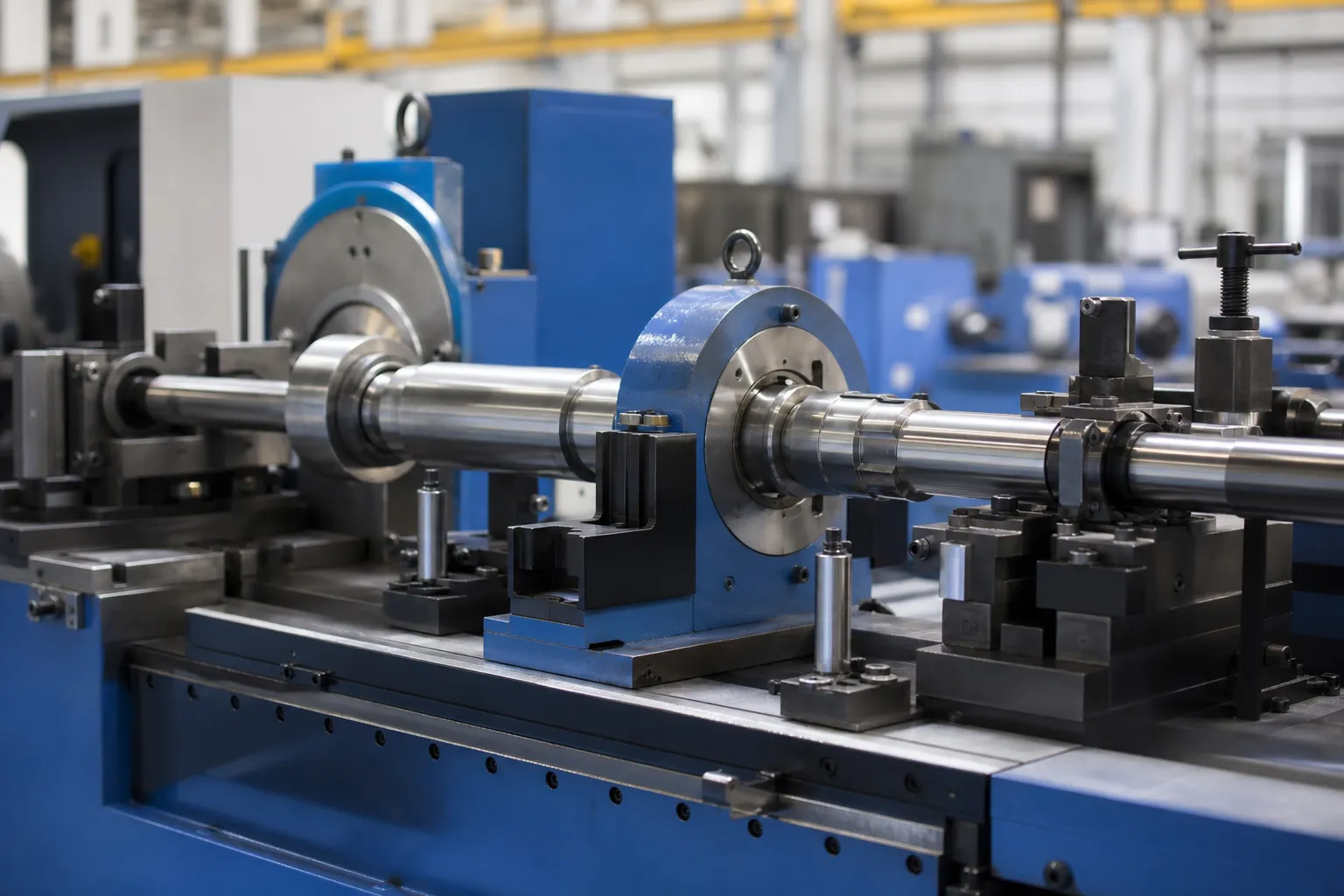
*Suunnittelukonseptin kuva. Se näyttää ehdokastuotantosolun, ei asennettu automaattinen lajittelujärjestelmä tai määritetty vianhavaitsemisominaisuus.*
Määrittele sijoitustilat
Vähintäänkin, erottaa PASS, TARPEEKSI, uudelleentyöskelpoinen, stop/pidä ja suunnittelu/laatutarkastus. Määritelmien tulee viitata ohjattuun piirustukseen, mittausmenetelmä, prosessin edellytys ja lupa vapauttaa. Prosessihälytys ei ole automaattisesti hylkäys; se voi olla eskalaatiosignaali, joka vaatii vahvistusta.
| Osavaltio | Pakollinen määritelmä |
|---|---|
| SYÖTTÖ | Täyttää sovitun julkaisutilan vaatimuksen vaadituilla tietueilla |
| TARPEEKSI | Ei täytä määriteltyä vaatimusta tai siinä on vahvistettu poikkeama |
| Uudelleentyöskelpoinen | Täyttää dokumentoidut ehdot toiselle hyväksytylle yritykselle |
| Stop / pidä | Vaatii asennuksen, prosessi-signaali, laadun tai teknisen tarkastuksen ennen jatkokäsittelyä |
| Tekninen katsaus | Tarvitsee kontrolloidun päätöksen normaalin automaattisen reitin ulkopuolella |
Pidä asennusongelmat erillään osien vaatimustenvastaisuudesta
Ennen osan reitittämistä NOK:na, harkitse, voisiko signaali johtua peruspisteen asettamisesta, kalustevariaatio, anturin kunto, osan identiteetti, väärä resepti tai hyväksymätön tukitila. Menettelyn tulee määrittää sallitut puhdistus/uudelleenasettaminen/toista tarkastukset ja estää rajattomat uudelleenyritykset.
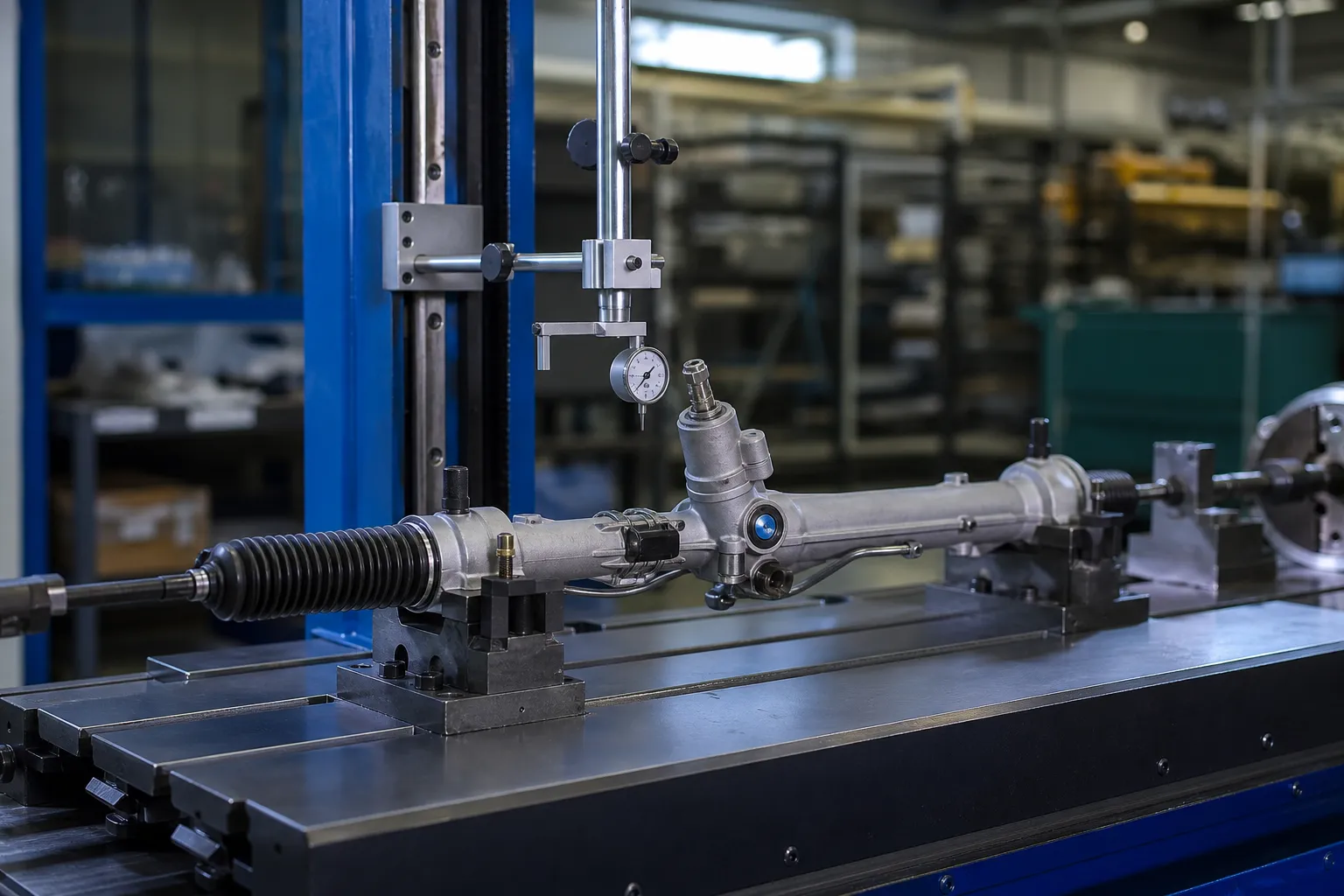
*Suunnittelukonseptin kuva. Se kuvaa mittauksen päätöspistettä, ei ole todiste automaattisesta luokittelusta tai tietystä hälytyssäännöstä.*
Katso kiinnittimen toistettavuus ja peruspisteen istuvuus ja halkeamien havaitseminen automaattisen suoristuksen aikana signaalin ja sen varmennetun syyn erottamiseen.
Aseta uudelleentyöskentelyraja ennen ensimmäistä korjausta
Uudelleentyöskentelyn tulee olla hyväksytty reitti, jossa on määritetty enimmäismäärä yrityksiä, sallitut yhteydenotto-/tukiehdot, uudelleenmittausvaatimus, pinta-/ominaisuustarkistukset ja valtuudet jatkaa tai lopettaa. Raja ei ole yleinen luku; riippuu materiaalista, prosessivaihe, ominaisuuden riski, asiakkaan vaatimukset ja validoitu vastaus. Kun osa ei vastaa odotetulla tavalla, asianmukainen toimenpide voi olla pidättäminen tai hylkääminen lisävoiman sijaan.
Miksi rajoittamaton uusintayritys turmelee linjan?
Viivan salliminen korjata osaa uudelleen, kunnes mittari lopulta ohittaa, tuntuu tuottavalta ja tuhoaa hiljaa kaksi asiaa. Ensimmäinen on itse osa: jokainen muovinen taivutussykli kuluttaa osan osan alhaisen syklin väsymisiästä, ja kohdassa kuvattu käänteinen latauskäyttäytyminen käänteinen kuormitus suoristuksessa tarkoittaa, että myöhemmät syklit liikuttavat materiaalia enemmän voimayksikköä kohti kuin aikaisemmat. Osa, joka saavuttaa toleranssin kuudennella yrityksellään, ei vastaa sitä, joka saavutti sen ensimmäisellä kerralla, vaikka molemmilla lukee PASS.
Toinen uhri on linjan omat tiedot. Kun uudelleenyrityksiä on rajoittamaton, mittari näkee vain mahdolliset tulokset: osia, jotka sulautuvat yhteen, hitaasti, toistuvalla voimalla. Ajelehtiva korjausasetus, kulunut alasin, huono määrä varastoa ja aidosti vaikeuksissa oleva osaperhe tuottavat kaikki saman näkyvän oireen – enemmän yrityksiä osaa kohti – eikä mikään niistä aiheuta pysäytystilaa. Uudelleenyritysten määrä on yksi halvimmista ja informatiivisimmista prosessisignaaleista, jonka suoristusviiva tuottaa, ja se on olemassa vain datana, jos linjaa vaaditaan pysäyttämään ja reitittämään osa määritettyyn rajaan silmukan sijaan.
Uudelleentyöskentelyrajan ajatteleminen budjettina
Hyödyllisempi henkinen malli kuin “kolme iskua” on muodonmuutosbudjetti, jonka jokainen osa voi käyttää. Budjetti määräytyy materiaalin kunnon ja käyttöhäiriön seurausten mukaan, ja se kuluu jokaisella korjausiskulla - eteenpäin tai taaksepäin. Karkaistu turvallisuuskriittinen akseli ja pehmeä rakennetanko voivat olla hyvin erilaisia, Tästä syystä mikään universaali korjausnumero ei ole puolustettavissa ja miksi raja kuuluu osaperheen validoituun prosessiin, tarkistetaan laadun mukaan. Sama budjettikonsepti selittää säännön, joka muuten näyttää mielivaltaiselta: osa, joka on kuluttanut budjettinsa ja silti epäonnistuu, hylätään, vaikka yksi yritys voisi mahdollisesti mennä ohi, koska esiin tuleva osa ei ole enää se osa, jonka piirros määrittelee merkityksellisessä mielessä.
Myös budjetit tarvitsevat reunat. Kaksi ehtoa, jotka pysäyttävät uudelleentyöskentelyn jäljellä olevista yrityksistä huolimatta, eivät edisty – korjaukset, jotka lopettavat geometrian muuttamisen, osoittaa, että prosessi ei enää ota yhteyttä virheeseen - ja ylittää värähtelyn, jossa jokainen yritys siirtää osaa toleranssin puolelta toiselle. Molemmat ovat pysäytysmerkkejä, ei viritysmahdollisuuksia, ja molemmat ruokkivat eheyden tarkistamiseen liittyvät huolenaiheet että toistuva muovinen pyöräily nostaa.
Säilytä eristys ja jäljitettävyys
Jokaisen järjestelyn tulee säilyttää osan/erän identiteetti, piirustus/reseptiversio, mittaustila, korjausyrityksiä, tulos, operaattori/automaatiotapahtuma, aika, tarkista päätös ja fyysinen sijainti. Eristyksen on estettävä pidetty tai NOK-osa palaamasta PASS-virtaan ilman nimenomaista lupaa.
*Suunnittelukonseptin kuva. Se korostaa vapautuneen tilan todentamista ja tallennettua sijoitusta, ei lupaus DMC/MES-liitännästä tai automaattisesta lajittelusta.*
Suunnittelemme erottelua, jota ei voi voittaa
Asetustilat toimivat vain, jos fyysinen linja pakottaa ne. Vikatila on aina sama: pidetty tai NOK osa palaa hyvään virtaukseen kiireisen työvuoron aikana, operaattorin tuomion kautta, jaettu kuljetin tai etiketöimätön kantolaukku. Tehokas erottelusuunnittelu noudattaa virheiden varmistuslogiikkaa ohjeiden sijaan. Hyvät ja hylätyt osat kulkevat eri fyysisiä polkuja ilman yhteistä osaa, johon osa voidaan ohjata käsin. Säilytyspaikat lukittuvat tai vaativat pääsyvaiheen, joka itse luo tietueen. Tarrat ja laatikot ovat osakohtaisia, ei yleisiä romutunnisteita, joten tarkistettavaksi pidetty osa ei voi hajota anonyymiksi romuksi tai nimettömäksi varastoksi. Siellä missä äänenvoimakkuus sen oikeuttaa, vaihtimet ja portit tekevät reitityspäätöksen koneen, ei operaattorin - automaation raja, josta on keskusteltu manuaalinen vs. automaattinen suoristus koskee niin määritystä kuin oikaisuakin.
Ennätyspuolella on sama tappion vastainen vaatimus. Asetelma, joka elää vain operaattorin muistissa, tai laskentataulukossa kuka tahansa voi muokata, ei selviä auditoinnista tai rajoitustapahtumasta. Vähimmäiskestotietue on monikko — osan identiteetti, paljon, piirustus ja reseptiversio, mittaustila, yritysmäärä, tulos, päätös, päätöksentekijä, aika – säilytetään riittävän kauan vastatakseen lopulta tulevaan asiakkaan kysymykseen: mitkä osat siltä viikolta, siitä koneesta, siitä vaihdosta.
Mitä Disposition Data ostaa myöhemmin
Rehellisesti reitittävä rivi kerääntyy, sivutuotteena, tietojoukko, jonka jokainen parannusohjelma toivoo saavansa. Yritysten laskutrendit osoittavat työkalujen kulumisen ja asennuksen ajautumisen, vaikka niiden korjaaminen on edelleen halpaa. Eristä erän muutokset saapuvassa geometriassa osoittavat ennen toimittajia todisteilla valitusten sijaan. Asennusongelman pätevyyden suhde osien todellisiin poikkeamiin mittaa, kuinka suuri osa linjan ilmeisestä laatuongelmasta on itse asiassa sen mittaus ja kiinnitys – tiedot, jotka ovat suoraan tärkeitä suunnittelun kannalta. gage R&R-tutkimus. Ja kun asiakas ottaa esille kenttähuolensa, jäljitettävyys muuttaa viikon paniikin ennätysten iltapäiväksi. Mikään näistä arvoista ei selviä uudelleen yrittämiseen asti-pass -kulttuurista; kaikki se on tässä kuvatun reititystieteen luonnollista lisäystä.
Rakenna vahvistus- ja eskalaatioreitti
- tunnistaa osa, paljon, piirustus ja resepti;
- tarkista mittaus/peruspisteasetus hyväksytyissä tarkastuksissa;
- vangita lukema, prosessin tila ja mahdolliset hälytykset;
- Käytä vain sallittua uusintareittiä, kun kelpoisuus on vahvistettu;
- vapauttaa ja mitata uudelleen sovituissa olosuhteissa;
- reitti PASS, TARPEEKSI, pitoon tai tekniseen tarkastukseen;
- jäljitettävyys ja fyysinen erottelu;
- käytä toistuvia malleja prosessin tai laaduntarkistuksen käynnistämiseen.
Tarvittavalle todistearkkitehtuurille, katso suoristusnäytteen testaus ja hyväksyminen ja Gage R&R suoristukseen.
Ei-edistymistä ja korjausta rajoittavat portit
Tarkka lause suoristuksen korjausraja ei edistymisporttia on lääketieteellisesti saastunut SERP:ssä, joten kanoninen no-progress-logiikka elää NOK:n lajittelu- ja muokkausrajoitussivulla. Määritä enimmäiskorjausjaksot, voima-/iskukatot ja pakolliset pysäytys/lajittelutoimenpiteet ennen tuotannon vapauttamista.
FAQ
Tarkoittaako NOK aina romua??
Ei. NOK-tila voi edellyttää vahvistusta, kontrolloitu uudelleentyöstö, tekninen tarkastus tai lopullinen hylkääminen hyväksytystä laatureitistä riippuen.
Voiko rivi yrittää uudelleen, kunnes lukema on ohi?
Ei. Uudelleentyöstö vaatii määritellyn yritysrajan ja laatuvaltuudet. Rajoittamaton uusintayritys voi peittää prosessin tai mittausongelman.
Tarkoittaako tämä artikkeli, että rivillä on automaattinen lajittelu?
Ei. Se on reitityskehys. Varsinainen lajittelu, jäljitettävyys ja käyttöliittymätoiminnot vaativat erillisen todentamisen.
Miksi yritysmäärällä on enemmän merkitystä kuin lopullisella lukemalla?
Koska viimeinen lukema kuvaa, mihin osa päättyi, kun taas yritysmäärä kuvaa, mitä sinne maksoi. Kaksi osaa, jotka lukevat identtisiä PASS-arvoja, eivät ole samanarvoisia, jos toinen teki yhden korjauksen ja toinen koko budjetin toistuvista sykleistä. Yritysten määrä on myös linjan aikaisin ryömintähälytys – asetus, työkalujen tai materiaalien muutos näkyy yleensä useampana yrityksenä kappaletta kohden kauan ennen kuin se näkyy hylättynä.
Pitäisikö uudelleentyöstörajojen erota osaperheiden välillä?
Kyllä. Raja on materiaalin kunnon määräämä muodonmuutosbudjetti, ominaisuusriski ja palveluseuraus, joten karkaistu turvallisuuskriittinen akseli ja pehmeä rakennetanko oikeuttavat erilaisia lukuja. Raja kuuluu kunkin perheen validoituun prosessiin, jolla on laatuhyväksyntä, ei riville yhtenä asetuksena.
Mikä on pienin rivin tarvitsema fyysinen erottelu??
Erilliset polut tai lukittava, merkitty, osakohtaiset kontit PASS:ia varten, pito ja NOK — järjestetty siten, että pidetty osa ei voi palata hyvään virtaukseen ilman tallennusta, valtuutettu askel. Suunnitteluperiaate on, että väärän tekeminen vaatii ponnistelua, ei vain kurinalaisuutta. Siirry koneohjattuihin vaihtosuuntajiin, kun äänenvoimakkuus tai henkilöstö tekee ihmisten reitityksestä epäluotettavaa.
Lajittelupäätökset ovat myös kapasiteettipäätöksiä – the manuaalinen ja automaattinen vertailu ja ROI-kotelo automaattiseen suoristukseen molemmat hinta NOK stream manuaalinen linja yleensä piilottaa.