
Tehase vastuvõtukatse ei ole lühike masinaesitlus. Sirgendussüsteemi jaoks, FAT peaks kontrollima kokkulepitud tooriku perekonda, kontrollitud joonistamine, mõõtmismeetod, parandustee, vabastatud oleku aktsepteerimine, ohutus, kirjed ja avamisprotsess enne saatmist. See ei asenda saidi aktsepteerimist, kliendi utiliidi/liidese kontrollid, lõplik paigalduskinnitus või püsiva tootmise tõendid.
See juhend on leping ja kvaliteediraamistik. Ta ei väida, et StraighteningTech kasutab konkreetset FAT-protokolli, tarnib kõik dokumendid või võtab masina vastu ilma kliendipõhise kokkuleppeta. Leping, URS, riskiülevaade ja kontrollitud vastuvõtuplaan määratlevad lõpliku ulatuse.
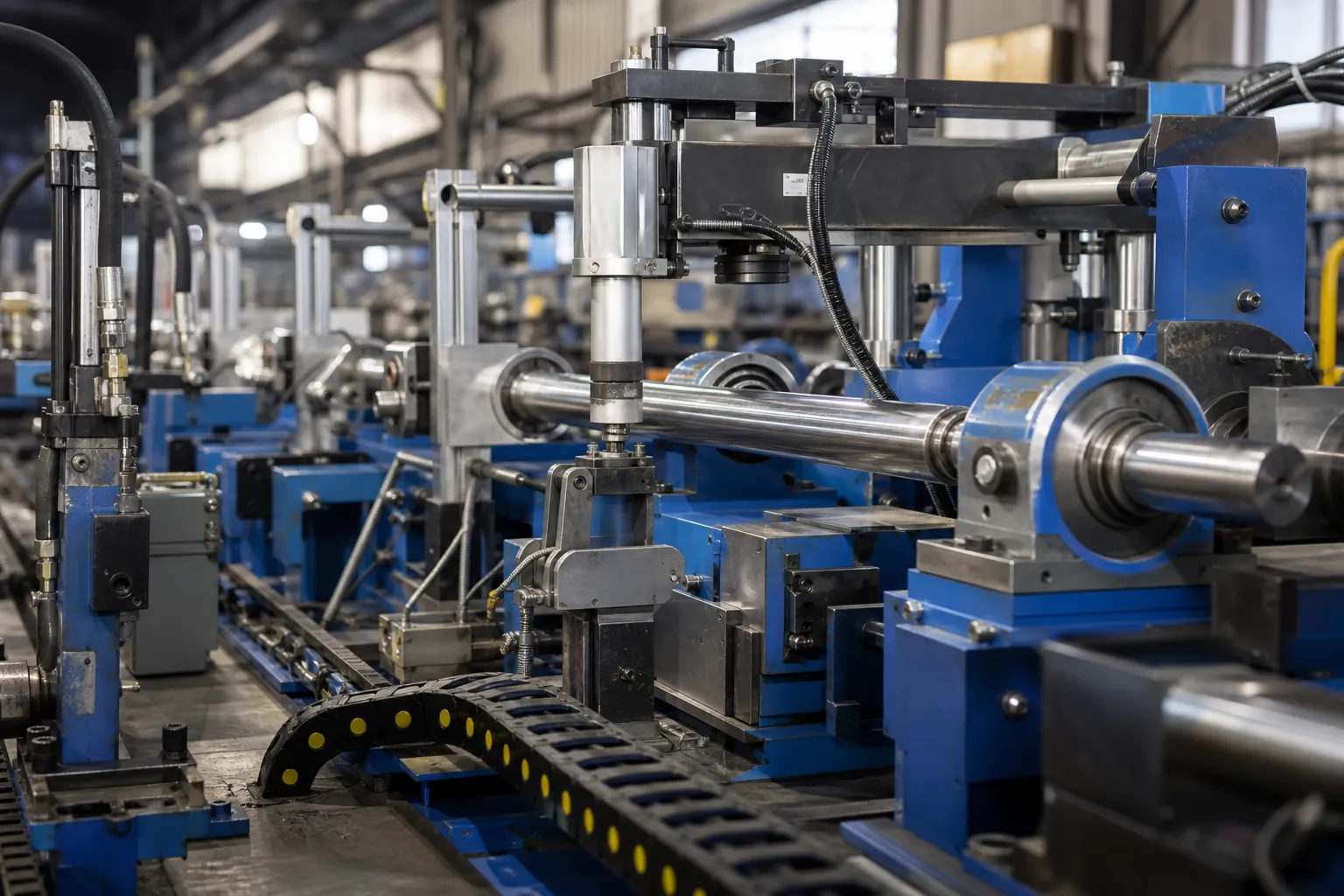
*Insenerikontseptsiooni illustratsioon. See esindab kandidaat-FAT-protsessi konteksti, ei ole tõendeid selle kohta, et konkreetne masin, ohutusfunktsioon või töötulemus on aktsepteeritud.*
Enne testimist külmutage FAT-sisendid
Kinnitage masina konfiguratsioon, kontrollitud tooriku näidised, revisjonide joonistamine, materjali/protsessi etapp, datum, kliendimõõtur, vastuvõtmise omadused, lubatud kontakttsoonid, sihtkatsetingimused, andmeväljad, ohutusnõuded ja vastutavad allakirjutanud. Test ei saa tõestada määratlemata nõuet.
| FAT sisend | Miks see on oluline |
|---|---|
| Esindus- ja piiriproovid | Näitab kokkulepitud perekonda, mitte ainult lihtne demonstratsiooniosa |
| Kliendi/heakskiidetud mõõtur | Ühendab liininäidud kavandatud vastuvõtumeetodiga |
| Joonis ja nullpunkt | Määratleb tegelikult kontrollitava omaduse |
| Protsessi/retsepti läbivaatamine | Takistab testil kinnitamata seadete kasutamist |
| Ohutus ja käsitsemisulatus | Tagab, et test katab kaitsed, blokeeringud ja tooriku liikumine |
What a FAT Can and Cannot Certify
The honest scope of a factory acceptance test is narrow and valuable: it certifies that, on the agreed day, with the agreed parts, gauges and witnesses, the system performed the defined sequence and produced the defined records. It does not certify sustained capability — that accrues from weeks of production data after installation, which is what site acceptance and early-production reviews sample. It does not certify every future part variant — each new family carries its own qualification. And it does not certify the customer’s own processes — staffing, material flow, gauge maintenance — which determine much of real-world performance, nagu artiklis arutatud käsitsi versus automaatne sirgendamine. Writing this boundary into the FAT plan protects both sides: the buyer knows what evidence they are buying, and the supplier is not held to an open-ended demonstration.
Designing the Challenge Parts
The weakest FATs demonstrate the machine on the easiest available parts; the strongest exercise it on parts chosen to probe the edges of the agreed scope. Designing those challenge parts is a joint exercise with a short checklist of its own. Geometric edge: include at least one part with the worst incoming distortion the production contract expects, because a machine that only proves itself on moderate bends has not demonstrated its working range. Family edge: if the contract covers a range of diameters or sections, the FAT samples both ends of the range, not the comfortable middle. Event edge: deliberately include a part that must be routed hold or NOK, to prove the exception path — many machines that pass every good part have never demonstrated what happens with a bad one until it matters. Condition edge: reseating, a changeover within the agreed scope, and a recovery from an interrupted cycle each test the state machine rather than the press. None of these is a trap; every one is a scenario production will deliver within the first month, and the factory floor is the cheapest place to see the response for the first time.
Kontrollige mõõtmist ja vabastatud oleku aktsepteerimist
FAT peaks salvestama sissetuleva geomeetria, nullpunkti seadistamine, mõõtejaamad, parandussündmused, vabastatud oleku ümbermõõtmine, pinna/tunnuse kontroll ja võrdlus heakskiidetud standardmeetodiga. Jõustuv või ajutine piiramine ei ole lõplik heakskiitmise tulemus, välja arvatud juhul, kui see on lepingus selgesõnaliselt määratletud.
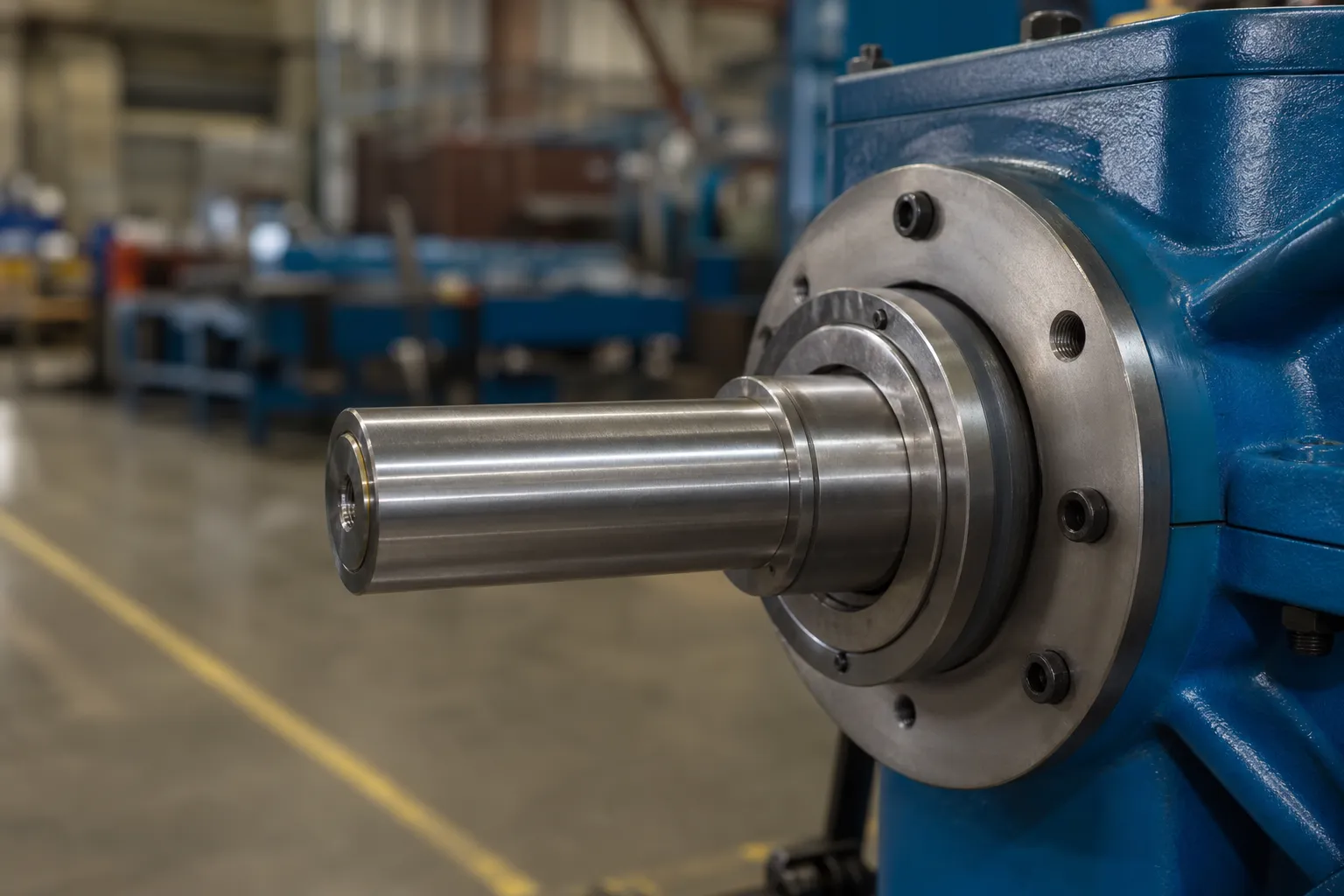
*Insenerikontseptsiooni illustratsioon. See rõhutab vabastatud oleku kontrollimist; see ei ole kliendi FAT-kirje ega universaalse aktsepteerimismeetodi tõend.*
Kasuta koormatud versus vabastatud sirguse mõõtmine and machine gauge versus customer gauge correlation to define the measurement boundary.
Testige protsessi, Mitte ainult parim osa
Kaasake tüüpilised tavaosad ja kokkulepitud väljakutse/piirdeosad. Väljakutsetingimused võivad sisaldada deklareeritud geomeetria tingimust, lubatud tooteperekonna erinevus, kehtiv üleminek, kontrollitud ootel/NOK sündmus, uuesti seadistamise kontroll või muu kliendi poolt heaks kiidetud stsenaarium. Eesmärk ei ole ebaõnnestumist sundida; see on määratletud vastuse ja kirjete kontrollimiseks.

*Insenerikontseptsiooni illustratsioon. See näitab toorikupõhise meetodi valikut, mitte väide, et iga kandidaatvariant kuulub FAT-i ulatusse.*
Kontrollige ohutust, Andme- ja erandmarsruudid
Kontrollige kokkulepitud valvet, peatamise funktsioonid, käitlemise kaitsemeetmed, alarmid, andmekirjed, retsepti/versiooni tuvastamine, jälgitavusfunktsioonid, kui see on sõlmitud, ja PASS/NOK/hold routing. Oleku kuvamisest ei piisa: FAT peaks määratlema, mis vaidlustati, täheldatud vastus, säilinud tõendid ja kes selle heaks kiitis.
Seotud juhtelementide jaoks, vaata NOK sortimise ja ümbertöötamise limiidid and straightening-line traceability and DMC.
Salvestage kõrvalekalded ja avage üksused
Iga kõrvalekalle peaks tuvastama nõude, tõendid, mõju, omanik, korrigeeriv tegevus, tähtaeg ja sulgemisviis. FAT-i lõpetamine ei tähenda, et kõik kõrvalekalded kaovad; see tähendab, et kokkulepitud paigutus on dokumenteeritud. Avage turvalisust mõjutavad esemed, vastuvõtt või koha paigaldusplaan tuleb viia SAT-i ja lõplikult üle anda.
The Measurement Segment Deserves Its Own Agenda Item
Between the mechanical demonstration and the paperwork, the measurement segment of a straightening FAT is where acceptance substance lives, and it deserves explicit time on the agenda rather than leftovers. Three demonstrations earn their place. The reseat demonstration: a witness part measured, maha laaditud, reloaded and remeasured, with the spread on record — this is the machine’s measurement floor, and every later agreement about tolerances silently rests on it. The released-state demonstration: parts remeasured after correction force and restraint are removed, per loaded versus released discipline, so the report values are the values that ship. The correlation demonstration: the same parts read on the machine and on the customer’s reference method, with the comparison on record. Whether a full Gage R&R uuring belongs inside the FAT or follows as a site activity is a scoping decision — but a FAT that measures nothing, measures only under force, or measures only with the supplier’s own gauge has documented a demonstration, not an acceptance.
Recognizing a Weak FAT Before You Sign It
Weak acceptance tests share a recognizable signature, and naming it helps buyers push back and suppliers self-correct. The golden-part pattern: the same easy workpiece, prepared in advance, demonstrated repeatedly while nothing from the contract’s boundary conditions appears. The undefined-condition pattern: readings quoted without stating support, restraint or gauge — numbers floating free of method. The exception-path silence: the test ends without ever routing a hold or NOK part, so the sorting logic and its records are untested at handover. The retrospective paperwork: records assembled after the test from memory, which fails the first audit that asks for contemporaneous evidence. And the disappearing open items: deviations acknowledged verbally at the test that surface in no document, no owner and no SAT carry-forward. Any one of these is a reason to extend the FAT, not a reason to renegotiate its meaning afterward.
FAT-i kontrollnimekiri
- kontrollitud proovid, joonised, mõõturid ja vastuvõtumeetod saadaval;
- konfiguratsiooni, kinnitus/tööriistad ja retsepti redaktsioon tuvastatud;
- demonstreeritud mõõtmise/andmpunkti ja vabastatud oleku meetodit;
- normaalsed ja kokkulepitud piiri-/väljakutseosad;
- pinna/omaduste kaitse ja nõutavad sõltumatud kontrollid;
- ohutus, käitlemine, häireid ja erandreaktsiooni testitud;
- rekordid, jälgitavus/eksport lepingu sõlmimise korral ja varunõuded läbi vaadatud;
- kõrvalekalded, avatud esemed, omanikud ja SAT-i edastusnimekiri dokumenteeritud;
- kliendi/tarnija kvaliteediasutused allkirjastavad kokkulepitud aruande.
Kohapeal paigaldamiseks ja pidevaks tööks, use straightening machine SAT checklist after FAT. Näidistõendite jaoks, vaata sirgendamise proovi katse ja vastuvõtmine.
KKK
Kas FAT tõestab lõplikku tootmisvõimet?
Ei. FAT kontrollib kokkulepitud tehase testi ulatust. Saidi tingimused, kliendiliidesed, paigaldus, mõõdikud ja pidev tootmine nõuavad SAT-i ja täiendavaid tõendeid.
Kas lühike kuivtöö võib asendada tooriku vastuvõtmise?
Ei. FAT vajab kontrollitud proove, nullpunkti/gabariidi meetod, vabastatud oleku kontroll ja dokumenteeritud vastus kokkulepitud tingimustele.
Kas pärast FAT-i saab avatud üksust ignoreerida?
Ei. Sellel peab olema dokumenteeritud omanik, risk/lahutus ja sulgemisviis, sageli kantakse SAT-i.
How many parts should a straightening FAT process?
Enough to cover the agreed matrix, not a fixed count: representative normal parts from the family, the geometric and family-edge challenge parts, and at least one part routed to hold or NOK to demonstrate the exception path. The contract scope defines the matrix; the test plan should list each part and what it is there to demonstrate.
Should a gage R&R study be part of the FAT?
It depends on scope and schedule. The FAT should at minimum demonstrate reseating repeatability, released-state measurement and correlation to the customer gauge. A full repeatability-and-reproducibility study is often better executed at site with the customer’s own operators and environment — but then it must appear in the SAT plan, not disappear between the two documents.
Who should witness the FAT?
The buyer’s quality function, not only procurement. The people who will own acceptance records, maintain the gauges and answer for the line’s disposition logic are the right witnesses for reseat spreads, released-state readings and exception-path behavior — and their signature on the report is what makes it an acceptance rather than a demonstration.