
選擇矯直機應從所需的幾何形狀和驗收方法開始, 沒有機器標籤. 一個軸, 薄壁管和不對稱輪廓都可以看起來彎曲, 但他們可能需要不同的數據, 測量軌跡, 支援, 接觸區和校正方法. 忽略這些差異的機器比較可以在沒有可靠的樣品測試計劃的情況下產生有吸引力的報價.
本指南是買家和工程框架. 它並未聲稱 StraighteningTech 提供所有機器類型, 工件包絡線, 準確性, 力量, 自動化水平或線路接口. 最終配置需要圖紙, 樣品, 檢查方法和驗證的能力證據.

*工程概念圖. 它顯示了工件到方法的決策過程, 不是產品目錄或每條路線可用的證明。 *
從所需的特性和數據開始
第一個問題是必須接受什麼: 中心線直線度, 跳動, TIR, 同軸關係, 弓, 橫向掃描, 捻, 橢圓度, 牆壁狀況或其他受控功能. 這些術語不可互換. 繪圖必須標明參考, 支援條件, 測量範圍, 定向與釋放狀態決策規則.
| 工件族 | 典型的選擇問題 | 不要假設 |
|---|---|---|
| 軸 | 功能軸, 日記日期, 跳動圖和局部截面變化 | 每個軸都可以使用相同的點按序列 |
| 管子 | 中心線, 橢圓度, 牆體完整性和倒塌風險 | 外部讀數證明孔/壁是可以接受的 |
| 輪廓 / 軌 | 弓, 掃, 捻, 不對稱截面和臉部保護 | 圓棒滾輪佈置適合型材 |
測量術語, 開始於 軸直線度, 跳動和 TIR 和 管橢圓度與中心線直線度.
選擇方法前先繪製錯誤圖
初始幾何圖辨識偏差是否是全局的, 當地的, 單平面, 多平面, 有角的, 與部分相關或由支撐/夾具訊號引起. 應使用建議的數據進行捕獲,並透過重新安裝或商定的重複方法進行檢查. 不穩定支撐條件下的讀數不是可靠的校正目標.
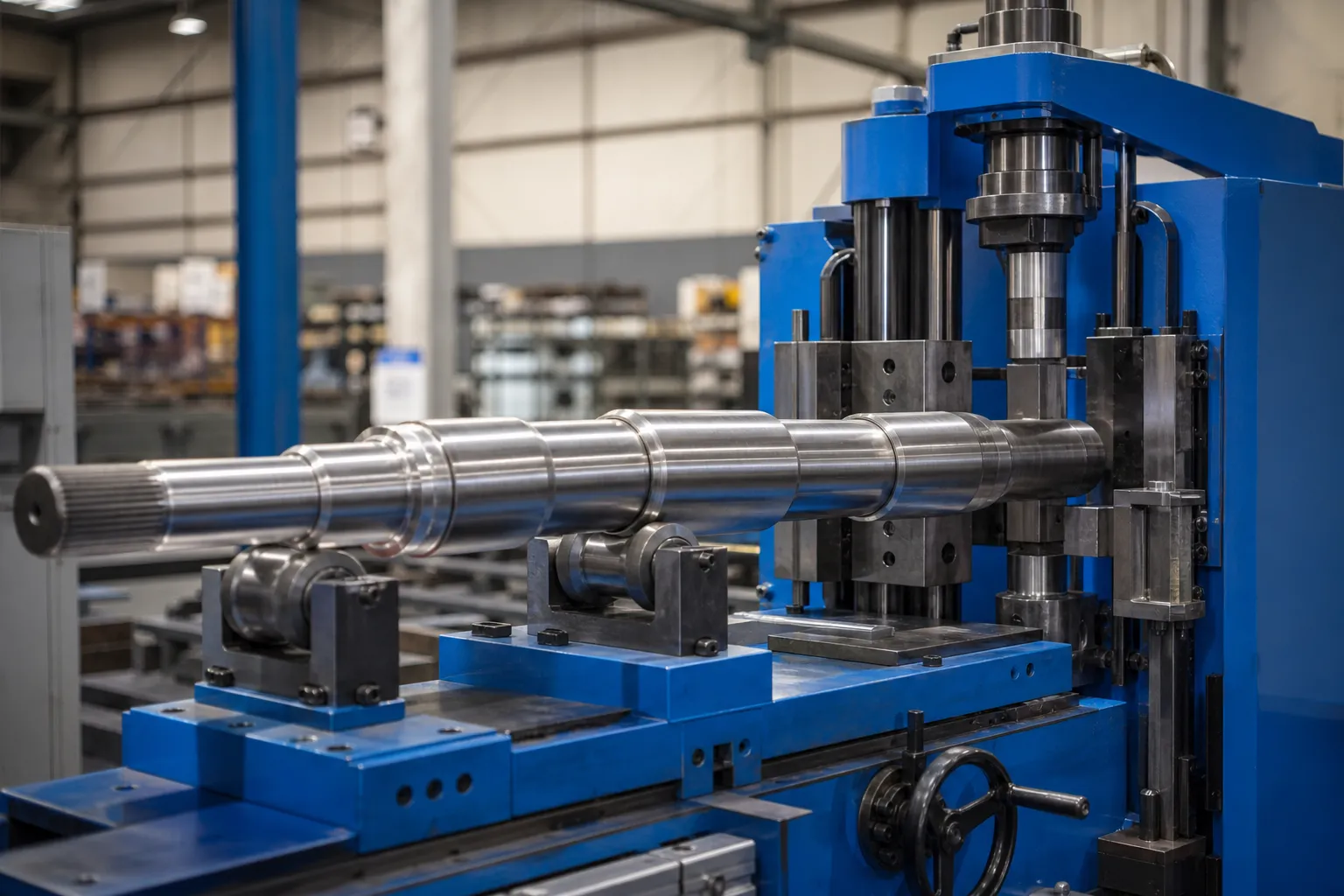
*工程概念圖. 它顯示了候選測量和校正單元; 實際感測器, 支援, 力路徑和自動化需要針對特定工件進行驗證。 *
準確報價的規格包
買方收到的報價的品質追蹤發出的規格包的質量, 而且包裝夠小,值得正確組裝. 其項目有: 具有命名的受控特徵及其數據的繪圖 - 不僅僅是一個不受參考影響的公差值; 材料及其製程階段, 因為硬化零件和退火零件具有相同的幾何形狀,是不同的校正問題; 來自真實零件的傳入誤差分佈, 因為一台適合輕柔弓形的機器不會突然處理一年中最糟糕的情況; 客戶運行時的驗收方法, 包括支援條件和釋放狀態規則; 保護區和表面等級; 生產組合和轉換頻率; 以及供應商可以實際測試的代表性樣品. 發送此訊息的買家會收到差異化的工程回應. 發送直徑和目標精度的買家會收到往返手冊 - 並在調試時發現兩者之間的差距, 哪個地方進行談話最昂貴.
定徑力, 筆劃和信封,無需過度購買
三種機器尺寸決定了大部分尺寸, 每個都是由工件物理特性而非野心決定的. 修正力由最硬零件族的截面模量及其屈服條件得出: 足夠的力使最糟糕的部分塑性彎曲, 有了工作餘量,這樣機器就不會永遠達到極限——但超出家庭需要的力量除了買更重的東西之外什麼也買不到。, 更僵硬, 更昂貴的機器,在範圍的小端的控制也可能更粗糙. 行程和日光遵循零件族的直徑, 工具高度和處理概念. 工作範圍和裝載高度取決於零件長度和質量, 因為安全支撐長零件是機器工作的一部分, 不是事後的想法. 典型的過度購買失敗是指定從未實現的假設的巨型零件,然後運行機器幾乎無法註冊的系列; 購買不足的失敗是按照平均數量進行調整,並在沒有空間的情況下滿足最差的批次. 兩者都以相同的方式避免: 實際家庭樣本測試, 在實際最糟糕的情況下, 在配置被凍結之前 - 管理配置的相同證據規則 自動化邊界.
評估接觸和部分完整性
候選機器必須建立一條經過批准的反應路徑,且不會損壞受保護的功能. 查看可訪問的支援區域, 允許修正點, 表面/塗層要求, 長度和質量處理, 部分過渡, 壁厚, 鑽孔條件, 焊縫定向和下游操作.
| 選擇輸入 | 為什麼這很重要 |
|---|---|
| 接觸區和非接觸區 | 確定是否允許支援或修正路線 |
| 截面剛度和牆體狀況 | 變化響應和局部損壞風險 |
| 輸入錯誤分佈 | 定義是否可以評估局部方法或連續方法 |
| 製造階段 | 確定表面/餘裕限制和下一個製程接口 |
| 生產組合 | 影響轉換, 配方控制和處理驗證 |
有條件地比較候選路由
可以評估離散幾何圖的點壓, 存在支撐路徑和核准的修正點. 可以評估滾筒或連續矯直的相容性, 足夠一致的部分. 拉緊, 僅當工件, 夾緊, 材料和驗證要求支持他們. 沒有方法是預設的保證.
看 壓力機與輥式矯正 對於方法邊界和 點壓矯直 用於閉環局部校正框架.
選擇出錯的地方
失敗的選擇聚集成可辨識的模式, 給它們取名字比活下來更便宜. 按機器標籤選擇: 買一個 “軸矯直機” 對於軸形零件,其基準, 部分轉換和接受方法實際上需要其他東西 - 標籤描述了小冊子, 不合適. 接受表格的準確性: 公佈的精度數字是規定條件下的機器屬性; 對您家人的影響, 您的儀表和進料分佈是透過樣品測試確定的, 沒有別的. 忘記異常路徑: 機器的選擇取決於它如何處理優質零件, 而生產成功還取決於它如何檢測, 路由並記錄壞的 - 足夠的路由規則 值得在規範中加入一行, 不是在啟動期間發現的. 未定義接受: 雙方可以共享一個數字,但對其含義存在分歧,除非支持條件, 記錄下規範和釋放狀態規則, 這就是為什麼 FAT框架 在測試之前凍結這些輸入. 並且忽略轉換: 在一家雜貨店裡, 紙面上對一個家庭來說獲勝的路線可能會因準備時間而失去一年的勝利, 首篇文章的驗證負擔和配方控制.
多品種商店的轉型經濟學
適用於小批量經營多個家庭的商店, 轉換行為值得作為一流的選擇標準進行評估, 與幾何和力並列. 問題很具體. 家庭之間身體上的變化是什麼-支持, 沖壓模具, 感測器位置 - 以及如何識別每個更改,以便舊設定無法在新部件上靜默運行? 經驗證的轉換需要多長時間, 以及誰執行它? 轉換後品質系統要求什麼重新認證: 第一篇文章檢查, 重新安裝驗證, 或更完整的樣本? 專為混合設計的機器透過確定的工具回答這些問題, 配方管理和引導轉換順序; 專為大批量單戶家庭設計的機器可透過工程時間來滿足他們的需求. 這兩個答案都沒有錯——但買家應該在第二個家庭到達碼頭之前知道他們要購買哪一個, 測試轉換的誠實位置是在 驗收測試, 可以在見證下演示家庭轉換併計時.
定義自動化邊界
「自動」應該分解為載入, 鑑別, 方向, 測量, 更正, 處理, 食譜管理, 可追溯性和異常路由. 系統可以自動化某些步驟,同時保留手動裝置, 工程核准或客戶計量驗證. 不要使用自動化標籤作為吞吐量的代理, 準確性或節省勞力.
*工程概念圖. 它強調發布部分驗證; 它不是客戶驗收報告或保證的效能結果。 *
讓樣品測試成為選擇門
選擇應以具有代表性的正常和最壞情況樣本結束, 受控繪圖, 商定的基準/量具, 原始前後讀數, 釋放狀態重新測量, 表面/截面檢查, 最大糾正嘗試限制和定義的 NOK 路線. 任何承諾的準確性, 週期, 處理率或自動化範圍只有在證據齊全後才屬於.
使用 矯直樣品試驗及驗收 建構試驗, FAT 和 SAT 證據.
矯直機選擇審查所需的信息
提供工件圖紙和變型, 材料和製造階段, 長度/截面/牆信息, 輸入幾何數據, 功能基準, 保護區, 參考測量方法, 生產目標, 處理約束和代表性樣本. StraighteningTech 然後可以評估候選測量值, 支援和修正架構,並在提出機器配置之前確定所需的證據.
常問問題
一台機器可以加工軸嗎, 管材和型材?
可能適用於定義和驗證的工件範圍, 但這並不是因為這三者都被稱為「矯直」。數據, 必須審查部分和聯繫路線.
更快的自動機器是更好的選擇?
不. 吞吐量只有在幾何之後才有價值, 表面, 測量和異常處理符合約定的驗收方法.
產品頁面可以代替樣本測試嗎?
不. 產品描述建立類別; 代表性樣品測試確定特定工件系列是否可接受.
我如何知道機器對於我的零件來說是否尺寸過大?
當該系列始終佔據機器的力量和範圍規模的底部時. 超出最嚴格家庭需求的機器會更重, 小端控制較粗, 並且比合適尺寸的配置更昂貴 - 並且該系列的校正精度可能會因此受到影響. 修復方法是根據實際截面模數和最壞情況的傳入誤差來確定尺寸, 通過樣品測試驗證.
驗收測試中的轉換應該是什麼樣子?
見證家庭轉變: 舊工具淘汰, 新工具的引進與確定, 在版本控制下選擇的配方, 測量並處置首件零件, 記錄經過的時間和每個驗證步驟. 如果轉變對商店的經濟效益很重要, 它屬於FAT範圍而不是口頭保證.
矯正機公佈的精度是否達到我的零件所能達到的精度?
這是機器在規定的參考條件下實現的目標. 您的零件所能達到的效果取決於其幾何形狀, 物質狀態, 傳入錯誤, 您的儀表和驗收方法. 兩者之間的橋樑是代表性部分和最壞情況部分的樣本測試——將規範轉換為合理預期的唯一證據.