
Manuálne a automatické vyrovnávanie nie sú nálepky kvality. Pri nulovom bode obrobku môže byť ktorákoľvek z ciest nevhodná, metóda merania, kontaktné zóny, akceptačné pravidlo alebo proces spracovania nie je definovaný. Užitočnou otázkou je, ktoré kroky vyžadujú opakovateľnú kontrolu pre definovanú rodinu dielov – a ktoré kroky si stále vyžadujú kvalifikované nastavenie, technické schválenie alebo overenie meradla zákazníka.
Táto príručka je rámcom výberu, netvrdí, že StraighteningTech dodáva konkrétnu konfiguráciu automatizácie alebo že automatizácia zaručuje presnosť, čas cyklu, zníženie práce alebo návratnosť investícií. Tieto výsledky si vyžadujú overený rozsah zariadenia a reprezentatívny dôkaz o výrobe.
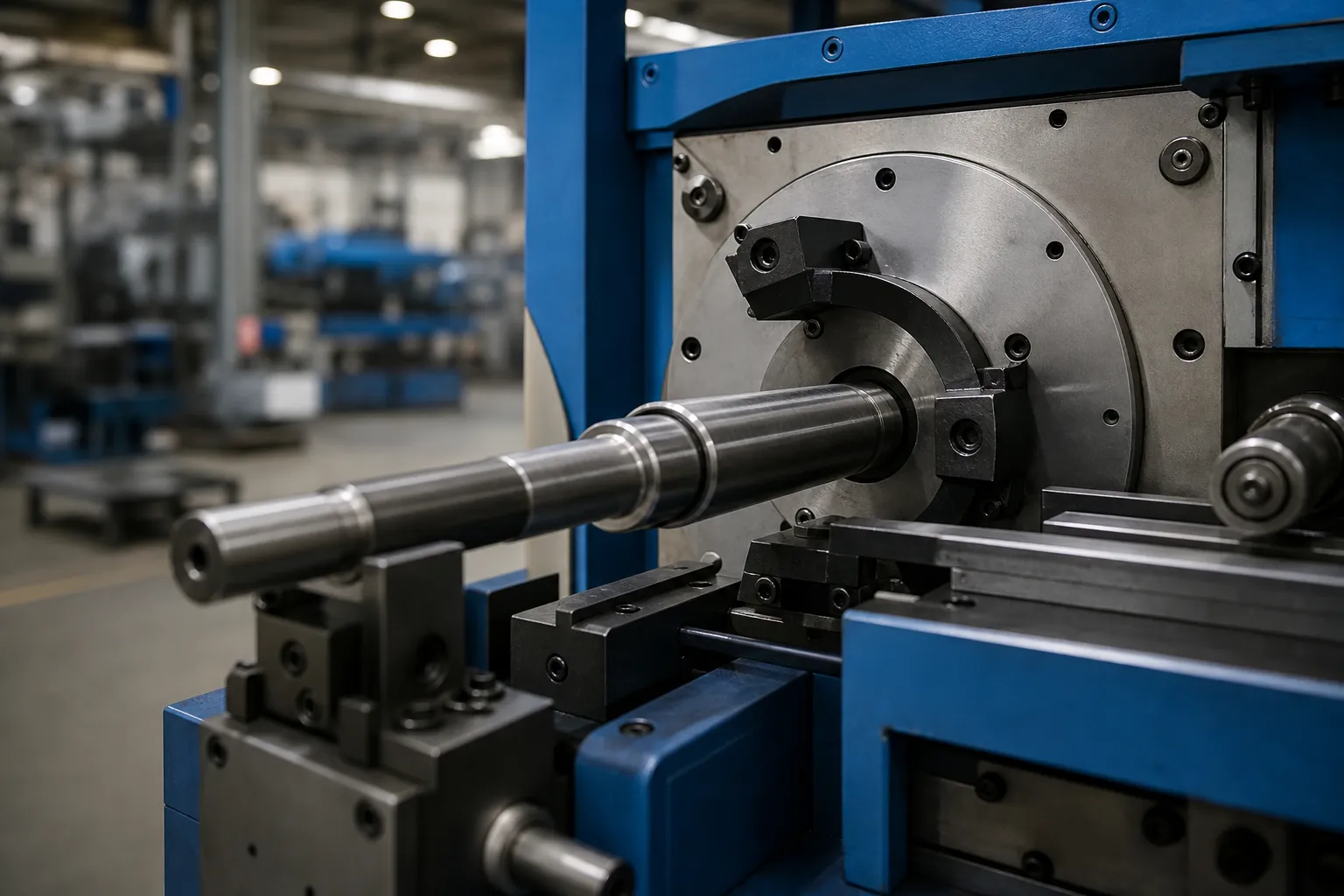
*Inžiniersky koncept ilustrácie. Zobrazuje možný kontext automatizovanej manipulácie, nie je dôkazom dostupnej lokálnej konfigurácie alebo výsledku výroby.*
Definujte hranicu automatizácie
„Automatický“ môže popisovať jednu alebo niekoľko rôznych funkcií. Načítava sa, identifikácia dielu, orientácia, nulové sedenie, meranie, korekcia, vykládka, výber receptu, vysledovateľnosť a triedenie NOK by sa mali hodnotiť oddelene.
| Funkcia | Manuálna trasa na vyhodnotenie | Automatizovaná trasa na vyhodnotenie |
|---|---|---|
| Načítanie a orientácia | Obsluha operátora, potvrdenie upevnenia a bezpečná ergonómia | Identifikácia rodiny, kontrolovaná prezentácia a validácia manipulácie |
| Meranie | Nastavenie operátora, čítanie meradla a opakovateľnosť | Riadená sekvencia, zber údajov a korelácia meradiel |
| Oprava | Zručný úsudok a postupná odozva | Slučka riadená receptom a prahové hodnoty výnimiek |
| Zmena | Disciplína prípravku/nastavenia a prvá kontrola | Kontrola verzií, identitu nástroja a potvrdenie prvej časti |
| Dispozícia | Fyzická segregácia a zdokumentovaná kontrola | Definované smerovanie PASS/NOK/prepracovanie s ľudskou autoritou |
Automatická linka môže v kritickom kroku stále vyžadovať manuálne schválenie. Manuálna pracovná stanica môže stále používať kontrolované meradlá a sledovateľné záznamy. Výber by mal skôr popisovať skutočný proces než používať široké označenie.
Začnite s miešaním a prevzatím obrobku
Vysoká variácia, neistý dátum, zložitá manipulácia alebo časté zmeny v inžinierstve môžu urobiť flexibilnú manuálnu alebo poloautomatickú cestu vhodnou počas vývoja. Stabilná rodina s opakovateľným zaťažením, definované meranie a overená korekčná odozva môžu odôvodniť väčšiu automatizáciu. Ani jeden záver nemožno vyvodiť zo samotného objemu výroby.
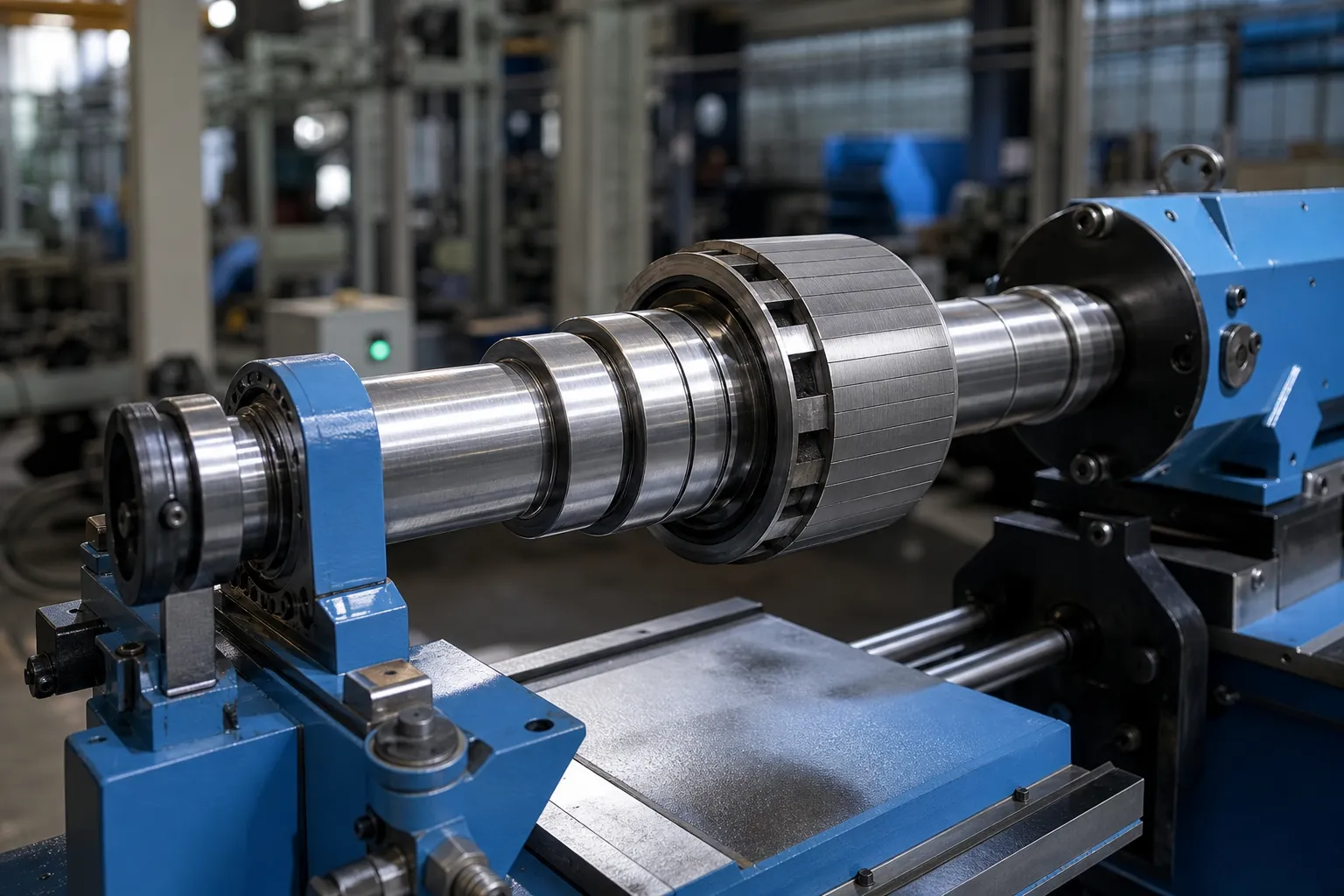
*Inžiniersky koncept ilustrácie. Predstavuje koncepciu korekcie uzavretej slučky; netvrdí, že daný hriadeľ motora alebo automatizačná funkcia sú podporované.*
V RFQ by sa mali špecifikovať varianty obrobkov, materiál/procesná fáza, distribúcia prichádzajúcich chýb, dátum, chránených zón, zákaznícke meradlo, cieľový mix a manipulačné obmedzenia. Použite hriadeľ, výber rovnačky rúr a profilov pred porovnaním štítkov automatizácie.
What Automation Actually Repeats
Strip away the robotics and an automatic straightening machine is a device for repeating a validated sequence: identify the family, seat the part, measure against a stored rule, apply a stored correction response, premerať, route. Every one of those verbs was originally written by a person — an engineer who qualified the datum, an operator who proved the correction response on samples, a quality function that approved the acceptance rule. Automation does not create that knowledge; it preserves and executes it. This framing explains both the strength and the boundary. The strength: once validated, the sequence runs identically at hour eight of a shift as at hour one, unaffected by fatigue, and every part carries its data. The boundary: everything upstream of validation — developing the correction concept for a new family, diagnosing an unfamiliar signal, deciding whether an anomaly is a setup fault or a part problem — remains engineering and skilled work, no matter how automatic the cell. A factory that automates before validating automates its confusion at line rate.
The Cost Structures Are Different, Not Just the Labels
Comparing routes on purchase price or headcount misses where each route actually spends money. The manual route spends it continuously: skilled operators take time to develop and are hard to replace, throughput varies with the person on shift, and consistency between operators is a permanent supervision task — the reproducibility component of measurement studies exists largely because of this. The automated route spends it front-loaded and in lumps: engineering effort to validate each family before the cell can run it, fixture and tooling per family, and a maintenance and calibration discipline that the cell depends on but the production schedule rarely celebrates. Changeover economics invert between the routes — cheap in skill and slow in minutes on a manual bench, fast in minutes but expensive in preparation on an automatic line. None of this makes either route cheaper in the abstract; it means the part mix, changeover frequency and available skills decide which cost structure fits. The machine cost structure discussion treats these drivers without pretending at universal payback numbers.
Porovnajte meracie a korekčné slučky
Manuálne vyrovnávanie sa môže spoliehať na to, že operátor naloží, opatrenie, vyberte korekčný bod a znova zmerajte. Automatické vyrovnávanie môže zopakovať uloženú sekvenciu. V oboch prípadoch, konečný výsledok závisí od nastavenia základne, korelácia merania, povolený kontakt, prírastková korekcia a overenie uvoľneného stavu.
| Otázka | Prečo mení rozhodnutie |
|---|---|
| Je prichádzajúca mapa geometrie opakovateľná? | Automatizácia nedokáže kompenzovať nedefinovaný alebo nestabilný signál |
| Sú podpery a korekčné body fixované rodinou? | Diel s vysokým obsahom zmesi môže vyžadovať technické preskúmanie, a nie všeobecný recept |
| Je meradlo zákazníka korelované?? | Strojové odčítanie automaticky nenahrádza výstupnú kontrolu |
| Sú definované výnimky? | Nekontrolované opakovanie môže skryť problém procesu |
Pre hranicu procesu, pozri bodové lisovanie rovnanie a skúška a akceptácia vzorky narovnania.
Vyhodnoťte prechod, Údaje a výnimky
Automatizácia môže byť užitočná iba vtedy, keď ide o časť, príslušenstvo, verzia receptu, potvrdenie prvého kusu, dátové polia a cesty výnimiek sú riadené. Kontrola by mala určiť, kto môže zmeniť nastavenie, ako je zabránené spusteniu starých verzií, ako sa zariadenie identifikuje, a čo sa stane po upozornení na meranie alebo procesný signál.
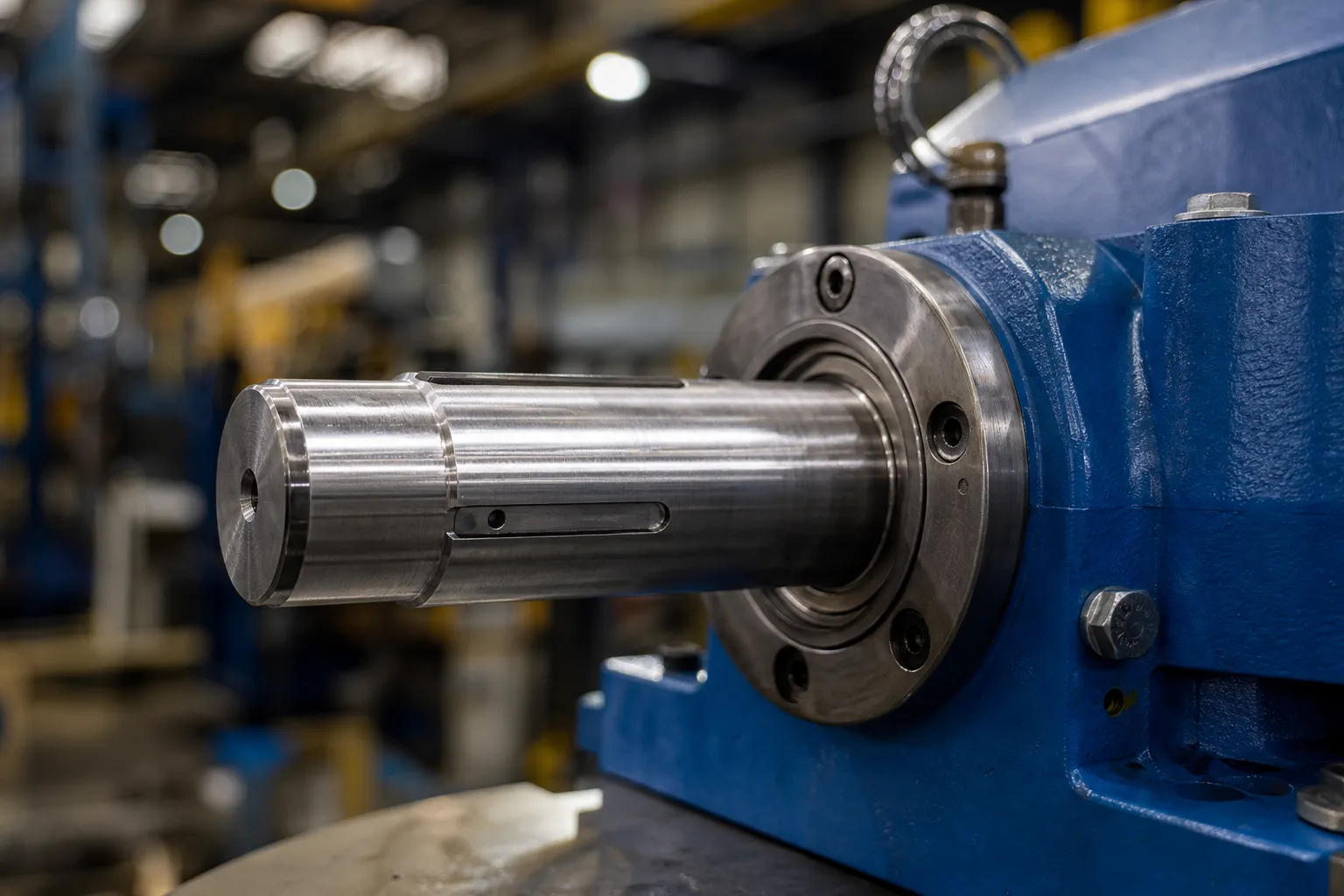
*Inžiniersky koncept ilustrácie. Kladie dôraz na overenie uvoľneného stavu a sledovateľnú dispozíciu, nie je sľúbená funkcia automatickej kontroly.*
The Migration Path Nobody Regrets
The manual-versus-automatic decision is rarely binary in practice, and the most common successful pattern is staged: automate the steps whose validation is complete and whose failure modes are understood, keep human hands and judgment on the steps that are not. A frequent first stage automates measurement and disposition — the machine gauges the part, the operator still loads and corrects — because measurement repeatability is usually the first bottleneck and its automation risk is low. A second stage adds automatic loading and part identification once the family presentation is stable, the domain covered for robot tending of straightening machines. Full closed-loop correction comes last, after the correction response has been validated across the incoming error distribution. Each stage is justified by the same evidence rule: a sample test on the specific step, run on representative and worst-case parts, with disposition routing demonstrated per the NOK discipline. Factories that follow this sequence buy automation where it is proven and keep flexibility where it is needed; factories that buy the last stage first spend their commissioning period discovering what they skipped.
Skills Each Route Consumes
Neither route is skill-free, and planning the wrong skill set starves the line quietly. The manual route concentrates skill in the operator: reading the error map, choosing correction points, judging incremental response — expertise that takes real time to build, lives in few people, and walks out the door with them. The automated route distributes skill across the organization: process engineers who validate families and maintain recipes, maintenance staff who can diagnose a sensor or fixture fault before it becomes scrap, and quality staff who own the correlation studies that keep the machine’s readings meaningful at acceptance. A buyer moving from manual to automatic who staffs only for operation — and not for engineering and maintenance — typically finds the cell’s recipes frozen, its correlation stale and its exceptions unowned within the first year. The automation boundary on paper should therefore be matched by a staffing plan for the skills each side of that boundary consumes.
Rozhodnite sa pomocou vzorového testu
Porovnajte kandidátske cesty pomocou reprezentatívnych častí normálneho a najhoršieho prípadu. Zaznamenajte opakovateľnosť načítania/nastavenia, geometria pred a po, hodnoty uvoľneného stavu, stav povrchu, manipulácia, prechod, zber údajov a smerovanie výnimiek. Nevyvodzujte ročné úspory práce, priepustnosť alebo návratnosť z konkurenčného výrobku alebo hypotetický čas cyklu.
FAQ
Automatické vyrovnávanie je vždy presnejšie?
Nie. Presnosť závisí od obrobku, dátum, meranie, opravná odpoveď a spôsob prijatia. Automatizácia môže zlepšiť opakovateľnosť iba vtedy, keď sú tieto základy overené.
Keď je ručné vyrovnávanie, lepšia voľba?
Môže to byť vhodné pre vývoj, nestabilné alebo vysoko variabilné rodiny častí, maloobjemové práce, zložité nastavenie, alebo situácie, keď sa opravná cesta ešte len kvalifikuje.
Môže mať manuálny systém sledovateľnosť??
áno. Kontrolovaná identifikácia, záznamy o rozchodoch, Receptúra/prípravok disciplína a záznamy o dispozícií môžu byť implementované nezávisle od úrovne automatizácie.
Is semi-automatic straightening a compromise or a strategy?
A strategy, when it is staged deliberately. Automating measurement and disposition first, loading second, and closed-loop correction last matches automation investment to validated knowledge — each stage carries a sample test, and flexibility is retained where families are still developing.
What skills does an automatic line still need?
Process engineering to validate families and control recipes, maintenance able to diagnose sensor and fixture faults, and quality ownership of the gauge correlation. Operation labor drops; engineering and maintenance skill does not — it usually rises.
Does automation reduce the number of quality decisions?
It relocates them. Routine dispositions become automatic, but the definition of the routing rules, the approval of recipes and the response to exceptions remain human decisions with named authority. The boundary is between executing decisions and making them.