
Narovnávanie často zahŕňa ohýbanie materiálu v smere súvisiacom s jeho predchádzajúcou históriou deformácie. Bauschingerov efekt je koncept materiálového správania, ktorý sa používa na opis toho, ako môže predchádzajúca plastická deformácia zmeniť pružnosť pri spätnom zaťažení.. Pomáha vysvetliť, prečo sa jediné všeobecné opravné pravidlo nemusí prenášať medzi materiálnymi stavmi, formovanie dejín alebo žrebov.
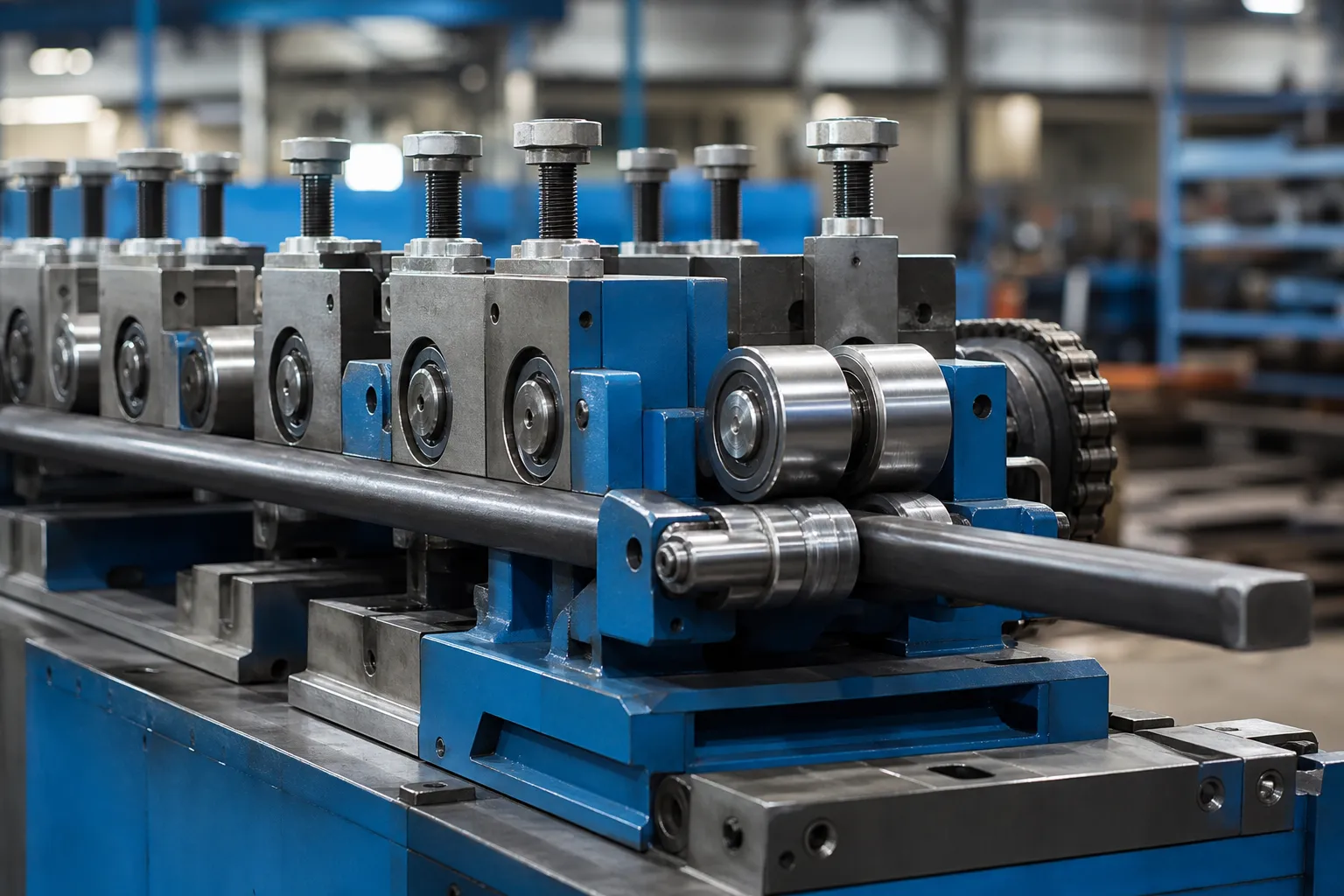
*Inžiniersky koncept ilustrácie. Nie je to test materiálu, stresový model alebo overený výsledok vyrovnávania.*
Aký je fyzický účinok
Jednoducho povedané: kov, ktorý bol plasticky ohnutý jedným smerom, sa ľahšie poddá, keď sa potom ohne druhým spôsobom. Na krivke napätie-deformácia, bar prekročil výnos, vyložené, a potom zaťažený v tlaku dosiahne svoju novú medzu klzu pri nižšej veľkosti, ako je pôvodná medza klzu. Mikroštrukturálnym dôvodom je, že plastická deformácia zanecháva kryštálovú mriežku vyplnenú dislokáciami usporiadanými tak, aby odolávali ďalšej deformácii v smere zaťaženia.; keď sa zaťaženie obráti, toto isté usporiadanie napomáha skĺznutiu v opačnom smere, takže spätný výnos začína skoro. Účinok je najsilnejší hneď po prvom obrate a nasýti po niekoľkých cykloch, a v mäkšom je výraznejšie, v podmienkach s nižším obsahom uhlíka ako v silne kalených.
Pre narovnanie sú dôležité dva dôsledky. Po prvé, sila-deformácia materiálu je asymetrická vzhľadom na znak ohybu: rovnaký zdvih lisu pohybujúci sa ohybom v jednom smere vytvára iné trvalé nastavenie ako rovnaký zdvih aplikovaný proti nemu. Po druhé, každé vyloženie zanechá uzamknutý stav mikroreziduálneho napätia, takže “rovnaký” časť nie je nikdy úplne z toho istého materiálu dvakrát po začatí korekcie. Oba dôsledky smerujú k rovnakej procesnej disciplíne - málo, plánované, dobre mierené korekčné ťahy namiesto mnohých malých spätných.
Čo to znamená pre korekčnú mŕtvicu
Riadenie vyrovnávania bežne predpokladá opakovateľný vzťah medzi aplikovanou korekciou a výsledným pohybom – základom prax kompenzácie odpruženia. História spätného načítania ohrozuje presne túto opakovateľnosť. Zvážte klasickú postupnosť prehnanej opravy a stlačenia: prvý ťah plasticky ohýba sekciu, druhý ťah ho ohne späť. Pretože materiál sa skôr poddá v opačnom smere, druhý zdvih potrebuje menšiu silu, aby sa diel posunul o rovnakú mieru, a kontrolná rutina kalibrovaná na odozvu prvého zdvihu prekročí. Každý ďalší spätný chod znásobuje drift, zatiaľ čo akumuluje nízkocyklové únavové poškodenie v sekcii, čo je mechanizmus, ktorý spája neopatrné korekčné sekvencie s diskutovanými rizikami praskania nadmerné narovnávanie a praskanie.
Praktické pravidlá, ktoré nasledujú, sú kvalitatívne, ale pevné. Korekciu naplánujte tak, aby bolo každé miesto plasticky opracované v jednom prevažujúcom smere, nie ping-pong. Nastavte limit prepracovania pred prvým zdvihom – počet opravných pokusov, ktoré môže diel získať – a presadzujte ho prostredníctvom Triedenie NOK a prepracovanie obmedzujú disciplínu. A keď sa proces posunul tak, že rovnaká nominálna chyba teraz potrebuje viditeľne viac alebo menej úderov ako pri kvalifikácii, považovať zmenu za materiálny signál na preskúmanie, nie ako gombík na odladenie.
Prečo je spätné načítanie dôležité
Časť môže mať nahromadenú deformáciu počas valcovania, kreslenie, formovanie, tepelné spracovanie, obrábanie, transport alebo predchádzajúci opravný krok. Keď proces vyrovnávania aplikuje spätné ohýbanie, odozva môže závisieť od tejto histórie, ako aj od aktuálneho stavu materiálu a geometrie. To je dôvod, prečo samotná mapa ohybov nevytvára bezpečné korekčné okno.
| Faktor | Skúšobná otázka |
|---|---|
| Stupeň a stav materiálu | Je príslušný stav zdokumentovaný, nepredpokladá sa? |
| Predchádzajúce tvarovanie/kreslenie | Môže sa história deformácie medzi jednotlivými šaržami líšiť?? |
| Fáza tepelného spracovania | Je v tejto fáze povolená oprava? |
| Rez/geometria | Líši sa tuhosť pozdĺž časti? |
| Povrchové/funkčné vlastnosti | Existujú obmedzenia týkajúce sa kontaktu alebo prasknutia? |
| Predchádzajúce prepracovanie | Už došlo k spätnému načítaniu? |
Použite ho ako koncept plánovania skúšobných verzií
Koncept by mal viesť k lepším záznamom, nie nepodložené tvrdenia. Zaznamenajte prichádzajúci stav, materiál / partia, výrobná fáza, úvodná mapa, opravná sekvencia, uvoľnené meranie, stav pozorovania povrchu a prepracovania. Počas vývoja zmeňte vždy jeden kontrolovaný faktor a neextrpolujte z jednoduchej vzorky na inú rodinu častí.
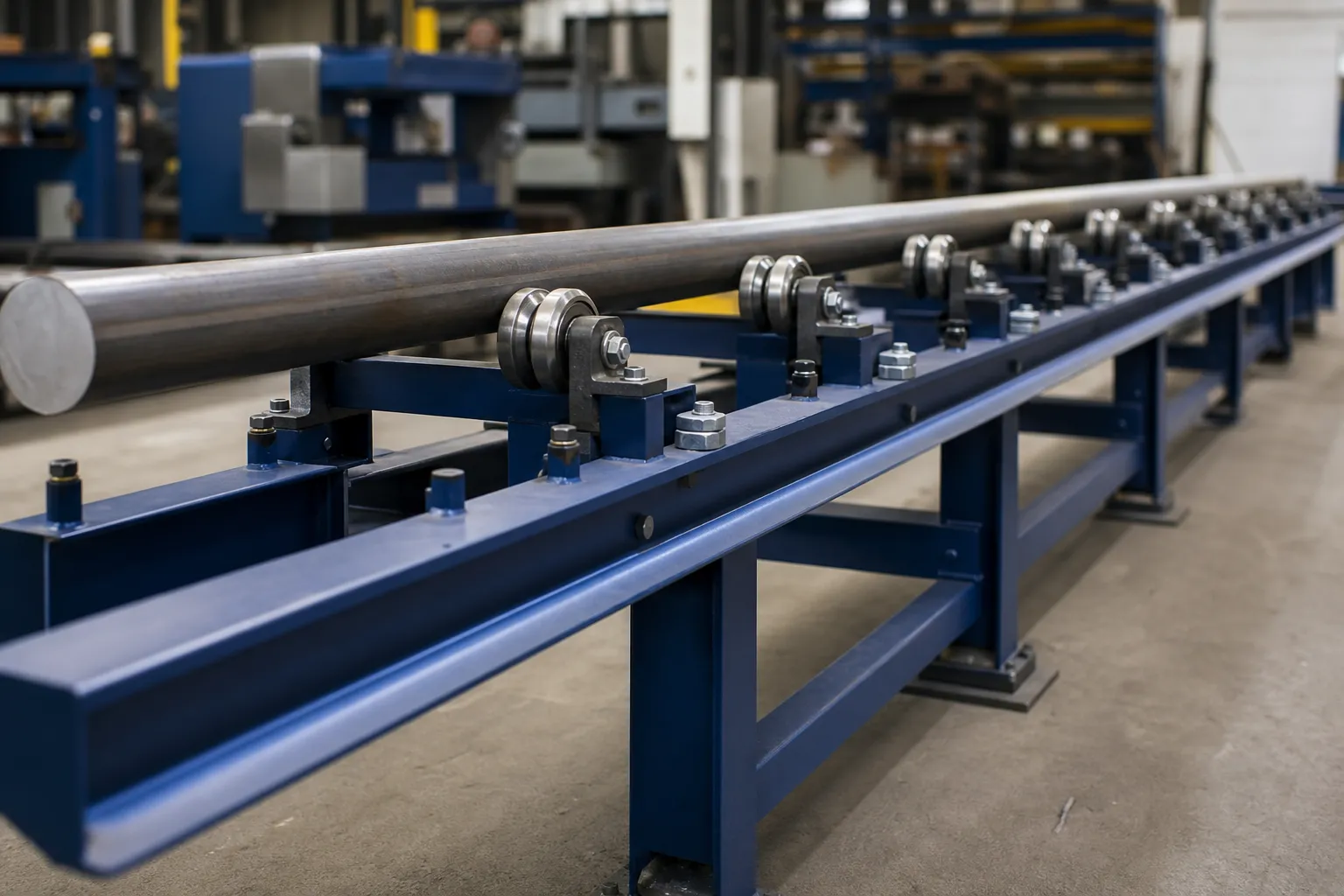
*Inžiniersky koncept ilustrácie. Podpora, kontaktné a materiálové správanie si vyžaduje technické preskúmanie špecifické pre časť.*
Vyhnite sa tomu, aby sa výsledok nazýval „riadený Bauschingerom“, pokiaľ kvalifikovaná štúdia materiálu/procesu presne nedefinuje, čo to znamená. Termín nenahrádza požiadavku na výkres, materiálový certifikát, posúdenie zlomeniny alebo schválenie zákazníkom.
Kde sa história načítania skrýva v skutočných častiach
Citlivosť spätného zaťaženia nevyžaduje predchádzajúcu operáciu vyrovnávania – väčšina dielov prichádza s už zapísanou históriou. Tyče a drôt nesú smerovú deformáciu z valcovania a ťahania, takže ich ohybová odozva sa líši s orientáciou vzhľadom na smer frézovania. Tepelne spracované diely nesú deformáciu kalením plus pole zvyškového napätia spracovania, a akékoľvek vyrovnávanie vykonané v tepelnom upravovači sa počíta ako predchádzajúca história pre korekciu vykonanú neskôr – otázky týkajúce sa štádia, na ktoré sa vzťahuje vyrovnávanie po tepelnom spracovaní. Dlhé štíhle časti akumulujú transportné a upínacie ohyby, a časť, ktorá už prešla jednou slučkou prepracovania u dodávateľa, prichádza predcyklovaná. Aj v rámci jednej kúpenej šarže, rôzne dĺžky tyčí môžu pochádzať z rôznych teplôt mlyna s rôznou históriou, to je dôvod, prečo sa nastavenie korekcie, ktoré funguje na prvých kusoch, môže správať nesprávne na poslednom.
Protiopatrenie je informatívne, nie mechanicky: zachytiť identitu materiálu a šarže, výrobné štádium, a akýkoľvek predchádzajúci záznam o korekcii spolu s prichádzajúcou mapou geometrie. Tieto údaje pri prijímaní nestoja takmer nič a je to rozdiel medzi vyšetrovaním posunu, ktoré trvá celé popoludnie, a tým, ktoré nemožno uzavrieť vôbec.
Čítanie efektu vo výrobných údajoch
Pretože efekt na strane nie je vidieť, oznamuje sa prostredníctvom vzorov v procesných dátach. Signály, ktoré treba sledovať, sú skôr štrukturálne než číselné: počet korekčných zdvihov potrebných pre rovnakú prichádzajúcu chybu plíživú nahor alebo nadol v priebehu cyklu; časti, ktoré oscilujú okolo nominálnych cez striedavé ťahy namiesto zbiehania; uvoľnili merania, ktoré sa preklopia na opačnú stranu tolerančného pásma po korekčných sekvenciách, ktoré historicky pristáli v strede; a medzi jednotlivými šaržami v správaní korekcií bez zmeny nastavenia stroja. Žiadny z týchto vzorov nie je dôkazom spätného výnosového správania sám o sebe – každý má napodobeniny merania a príslušenstva, to je dôvod, prečo sú na prvom mieste kontroly počítadla a meradla – ale spoločne oprávňujú odoberanie vzorky vyhradenej na kontrolu materiálu a histórie namiesto pokračovania v nastavovaní stroja.
Oddeľte správanie materiálu od chyby merania
Neočakávaný uvoľnený výsledok môže pochádzať z materiálnej odozvy, ale aj z pomocného sedadla, súlad prípravku, podpora/prípad, korelácia meradla alebo neúplná mapa chýb. Pred priradením príčiny k spätnému výnosu skontrolujte tieto faktory. Pozri opakovateľnosť upínadla a sedenie základne a neistota merania pri kontrole priamosti.
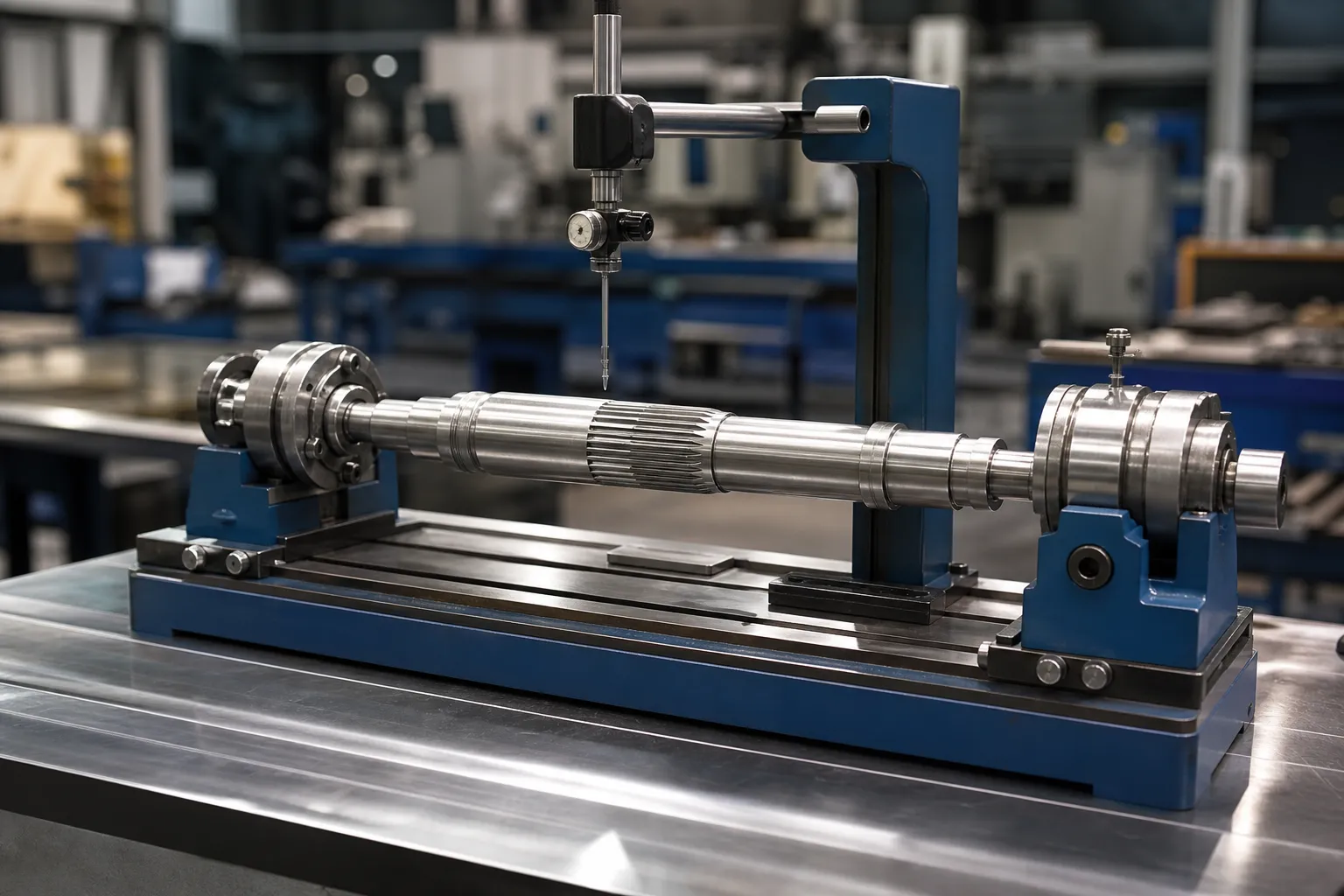
*Inžiniersky koncept ilustrácie. Schválená metóda merania uvoľneného stavu určuje výsledok, ktorý možno oznámiť.*
Dôkazy potrebné pred spracovaním nárokov
Poskytnite výkres/revíziu, špecifikácia materiálu a stav, výrobná história, etapa tepelného spracovania, predchádzajúce záznamy o opravách/prepracovaní, prichádzajúca geometria, povrchové obmedzenia, akceptovanú metódu merania a reprezentatívne vzorky. Použite vyrovnávanie po tepelnom spracovaní objasniť etapové kontroly a skúška a akceptácia vzorky narovnania plánovať pokusy. Potom kontaktujte StraighteningTech na diskusiu.
Požadované overenie pred reklamáciou systému
Akékoľvek tvrdenie o materiálnom správaní si vyžaduje definovaný materiálový a procesný rozsah, kalibrované referencie, reprezentatívne tepelne spracované vzorky, a sledovateľné namerané údaje. Všeobecná schopnosť stroja nie je overeným výsledkom pre túto tému.
FAQ
Znemožňuje Bauschingerov efekt vyrovnávanie predtým ohnutých dielov?
Nie. Vďaka tomu je história odozvy skôr závislá ako pevná. Procesy to riešia plánovaním opráv, ktoré fungujú na každom mieste prevažne v jednom smere, obmedzenie počtu korekčných cyklov na jeden diel, a overenie opravného pravidla na reprezentatívnych častiach, ktoré majú rovnakú históriu ako výroba.
Prečo stlačenie ohybu späť často prestrelí?
Pretože spätný zdvih sa stretáva s materiálom, ktorý sa poddá pri nižšom namáhaní ako pri doprednom zdvihu. Sila alebo hĺbka kalibrovaná na doprednú odozvu preto prevyšuje v opačnom smere. Náprava je samostatná, menšie opravné pravidlo pre spätné ťahy, alebo lepšie, stratégiou chybovej mapy, ktorá zabraňuje opakovanému obráteniu toho istého miesta.
Môže byť nastavenie korekcie prenesené do novej šarže materiálu nezmenené?
Iba s dôkazmi. Rôzne tepla mlyna môžu niesť rôzne histórie deformácií a podmienky, takže prvé kusy každej novej šarže by sa mali považovať za potvrdzujúcu vzorku: ak korekčné správanie zodpovedá kvalifikovanej základnej línii, pokračovať; ak sa posunie, rekvalifikovať sa pred behom. Toto je štandardná prax na riadenie variácie odpruženia, o ktorej sa diskutuje odpruženie variácie medzi šaržami.
Súvisiace zdroje StraighteningTech
Pozri ako funguje automatické vyrovnávanie hriadeľa, skúška a akceptácia vzorky narovnania a priamosť hriadeľa vs hádzanie vs TIR pre všeobecné hranice riadenia, ktoré platia pred akýmkoľvek nárokom na spôsobilosť Bauschingerov efekt pri vyrovnávaní.