
Řádek by neměl s každým neprocházejícím čtením zacházet stejně. Část může mít problém s nastavením, alarm měření, opravitelný stav geometrie, odpověď bez pokroku, podezřelý materiální problém nebo potvrzená neshoda. Bez vyhraněných cest, opakovaná korekce může zakrýt problém s měřením, poškodit díl, míchat šarže nebo vytvářet nevysledovatelné rozhodnutí o kvalitě.
Tento článek je rámec pro směrování kvality. Netvrdí, že StraighteningTech aktuálně dodává automatické třídění, specifické senzory, prahy odmítnutí, sledovatelný software nebo autorizovaná pravidla přepracování. Tyto funkce vyžadují ověřený místní rozsah a schválení kvality.
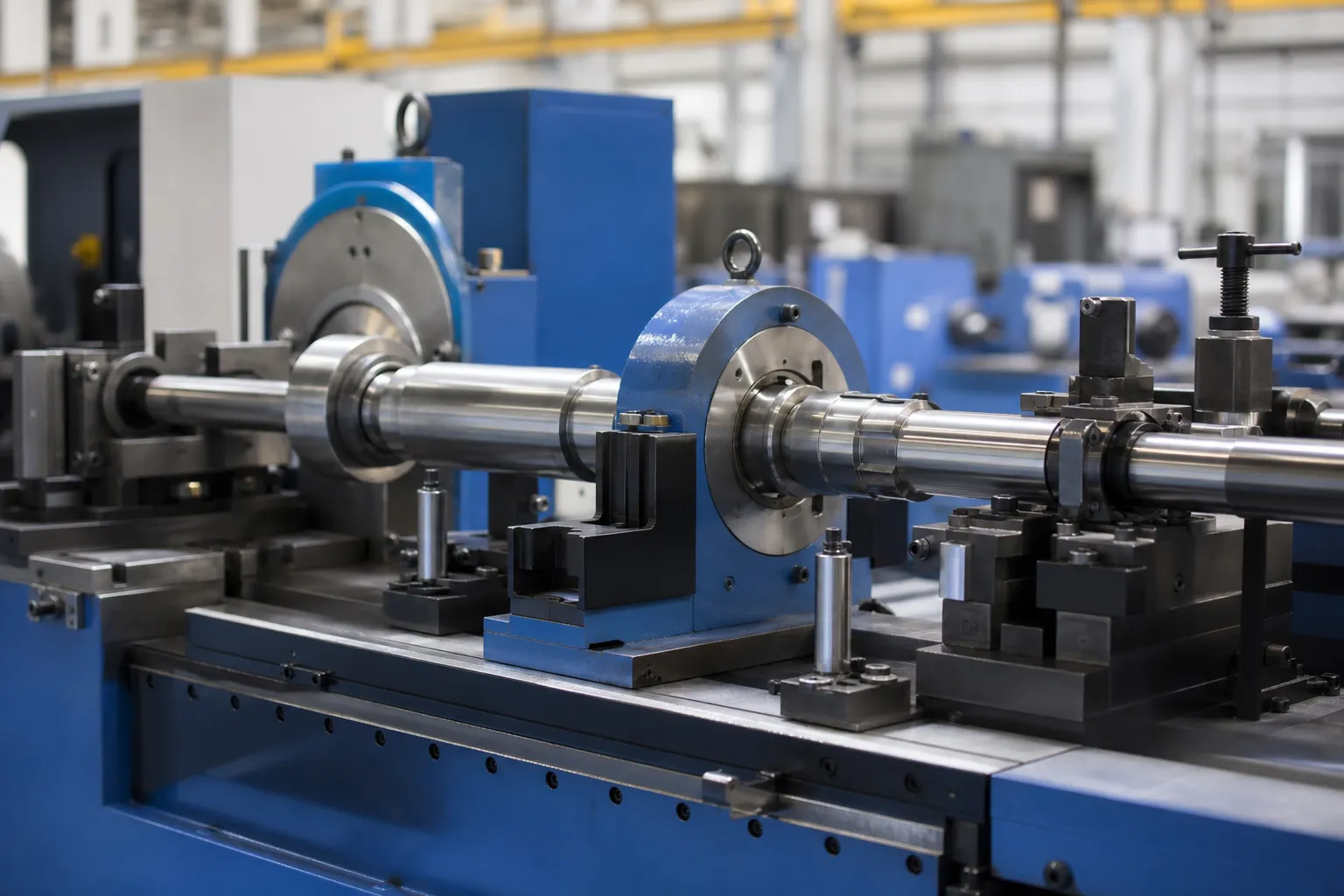
*Inženýrský koncept ilustrace. Ukazuje kandidátskou produkční buňku, ne nainstalovaný automatický třídicí systém nebo definovaná schopnost detekce defektů.*
Definujte stavy dispozice
Minimálně, rozlišit PASS, DOST, přepracovat-způsobilé, stop/hold a inženýrství/kontrola kvality. Definice musí odkazovat na řízený výkres, metoda měření, podmínky procesu a oprávnění k uvolnění. Procesní alarm není automaticky odmítnutím; může se jednat o eskalační signál, který vyžaduje ověření.
| Stát | Požadovaná definice |
|---|---|
| PŘIHRÁVKA | Splňuje dohodnutý požadavek na uvolněný stav s požadovanými záznamy |
| DOST | Nesplňuje definovaný požadavek nebo má potvrzenou neshodu |
| Vhodné pro přepracování | Splňuje zdokumentované podmínky pro další schválený pokus |
| Zastávka / držet | Vyžaduje nastavení, procesní signál, kontrola kvality nebo inženýrství před dalším zpracováním |
| Technická recenze | Potřebuje kontrolované rozhodnutí mimo normální automatickou trasu |
Udržujte problémy s nastavením oddělené od neshody dílů
Před směrováním dílu jako NOK, zvažte, zda by signál mohl být výsledkem usazení vztažného bodu, variace příslušenství, stav snímače, částečná identita, špatný recept nebo neschválený stav podpory. Postup by měl definovat povolené kontroly čištění/znovu usazení/opakování a zabránit neomezenému opakování.
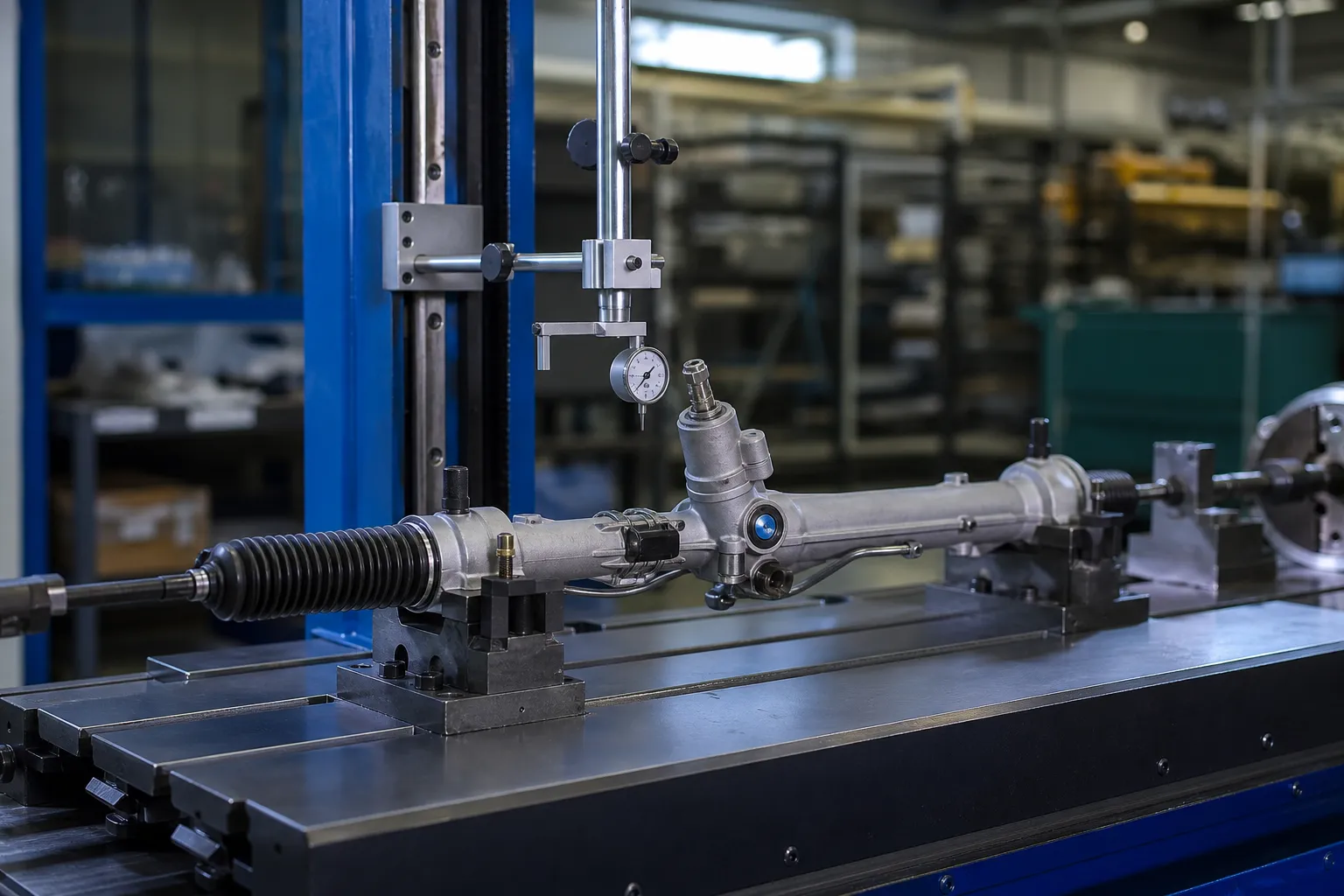
*Inženýrský koncept ilustrace. Zobrazuje rozhodovací bod měření, není důkazem o automatické klasifikaci nebo konkrétním poplachovém pravidle.*
Vidět opakovatelnost upnutí a usazení základny a detekce trhlin při automatickém rovnání pro oddělení mezi signálem a jeho ověřenou příčinou.
Před první opravou nastavte limit přepracování
Přepracování by mělo být schválenou cestou s definovaným maximálním počtem pokusů, povolené podmínky kontaktu/podpory, požadavek na přeměření, kontroly povrchu/funkcí a oprávnění pokračovat nebo zastavit. Limit není univerzální číslo; záleží na materiálu, fázi procesu, riziko funkce, požadavky zákazníků a ověřená odpověď. Když součástka nereaguje podle očekávání, vhodnou akcí může být držení nebo odmítnutí spíše než další síla.
Why Unlimited Retries Corrupt the Line
Allowing a line to re-correct a part until the gauge finally passes feels productive and quietly destroys two things. The first is the part itself: every plastic bending cycle consumes a share of the section’s low-cycle fatigue life, and the reverse-loading behavior described for reverse loading in straightening means later cycles move the material more per unit force than earlier ones did. A part that reaches tolerance on its sixth attempt is not equivalent to one that reached it on the first, even though both read PASS.
The second casualty is the line’s own information. When retries are unlimited, the gauge sees only eventual outcomes: parts that converge, slowly, under repeated force. A drifting correction setup, a worn anvil, a bad lot of stock and a genuinely struggling part family all produce the same visible symptom — more attempts per part — and none of them generates a stop condition. The retry count is one of the cheapest and most informative process signals a straightening line produces, and it only exists as data if the line is required to stop and route the part at a defined limit instead of looping.
Thinking of the Rework Limit as a Budget
A more useful mental model than “three strikes” is a budget of deformation that each part may spend. The budget is set by the material’s condition and the consequence of failure in service, and it is spent by every correction stroke — forward or reverse. A hardened safety-critical shaft and a soft structural bar may carry very different budgets, which is why no universal rework number is defensible and why the limit belongs to the part family’s validated process, reviewed by quality. The same budget concept explains a rule that otherwise looks arbitrary: a part that has consumed its budget and still fails is rejected even though one more attempt might conceivably pass, because the part that would emerge is no longer the part the drawing specifies in any meaningful sense.
Budgets also need edges. Two conditions that stop rework regardless of remaining attempts are no-progress — corrections that stop changing the geometry, indicating the process is no longer engaging the error — and overshoot oscillation, where each attempt moves the part from one side of tolerance to the other. Both are stop signals, not tuning opportunities, and both feed the integrity-review concerns that repeated plastic cycling raises.
Udržujte izolaci a sledovatelnost
Každá dispozice musí zachovat identitu části/šarže, verze výkresu/receptu, podmínka měření, opravné pokusy, výsledek, operátor/automatizační událost, čas, přezkoumání rozhodnutí a fyzické umístění. Izolace musí zabránit zadržené části nebo části NOK v návratu do toku PASS bez výslovného povolení.
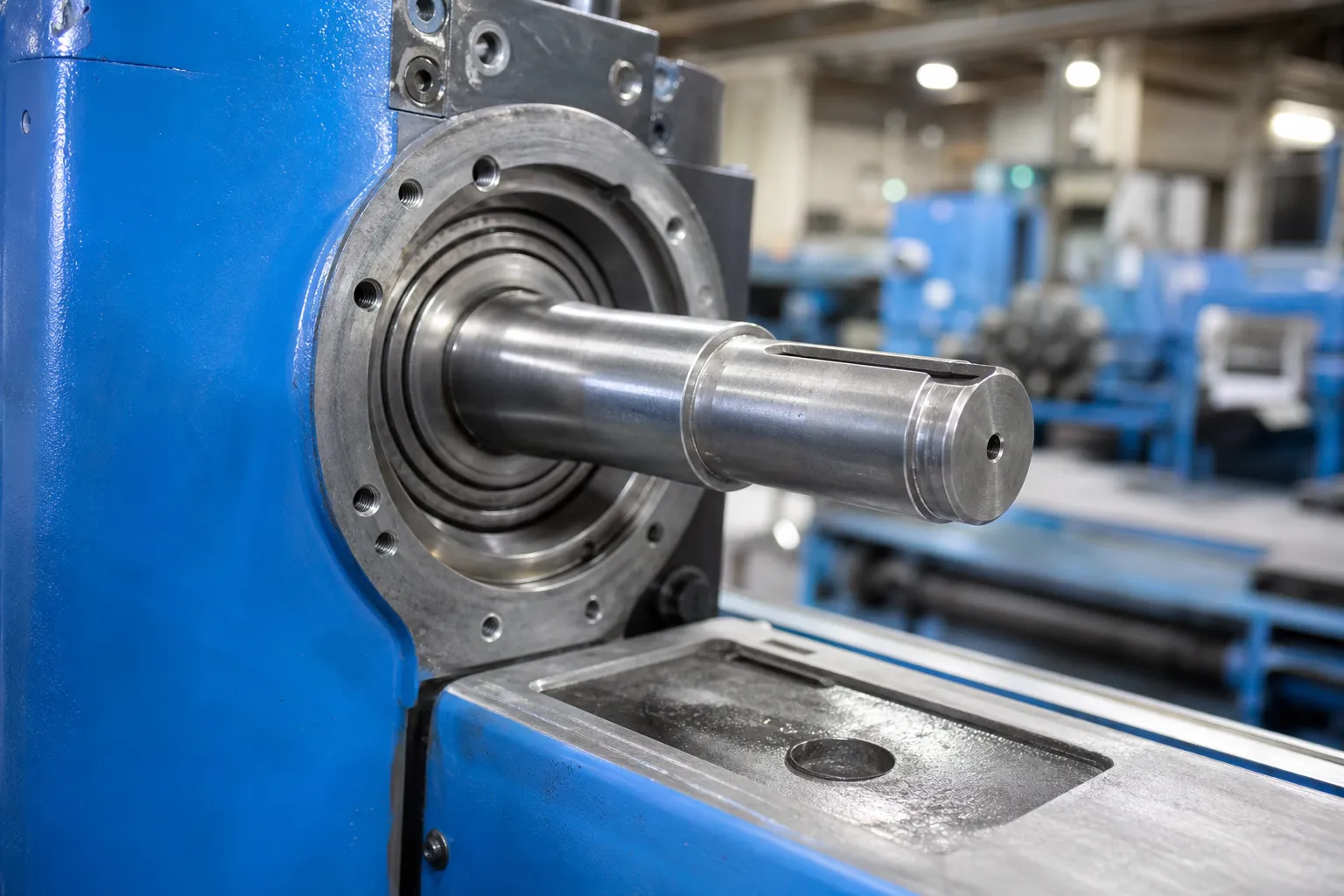
*Inženýrský koncept ilustrace. Klade důraz na ověření uvolněného stavu a zaznamenanou likvidaci, není příslibem rozhraní DMC/MES nebo automatického třídění.*
Designing Segregation That Cannot Be Defeated
Disposition states only work if the physical line enforces them. The failure mode is always the same: a held or NOK part re-enters the good flow during a busy shift, through an operator judgment call, a shared conveyor or an unlabeled tote. Effective segregation design follows mistake-proofing logic rather than instruction signs. Good and rejected parts take different physical paths with no shared section where a part can be redirected by hand. Hold locations lock or require an access step that itself creates a record. Labels and bins are part-specific, not generic scrap tags, so a held-for-review part cannot decay into anonymous scrap or anonymous stock. Where volume justifies it, diverters and gates make the routing decision the machine’s, not the operator’s — the automation boundary discussed in manual versus automatic straightening applies to disposition as much as to correction.
The record side has the same anti-defeat requirement. A disposition that lives only in an operator’s memory, or in a spreadsheet anyone may edit, does not survive an audit or a containment event. The minimum durable record is the tuple — part identity, hodně, drawing and recipe version, podmínka měření, attempt count, výsledek, decision, decision-maker, time — retained long enough to answer the customer question that eventually comes: which parts from that week, from that machine, from that shift.
What the Disposition Data Buys Later
A line that routes honestly accumulates, as a by-product, the dataset that every improvement program wishes it had. Attempt-count trends flag tooling wear and setup drift while they are still cheap to fix. Lot-to-lot shifts in incoming geometry point upstream to suppliers with evidence instead of complaints. The ratio of setup-issue holds to true part nonconformances measures how much of the line’s apparent quality problem is actually its measurement and fixturing — information directly relevant to planning a měřidlo R&R studie. And when a customer raises a field concern, traceability converts a week of panic into an afternoon of records. None of that value survives a culture of retry-until-pass; all of it is the natural dividend of the routing discipline described here.
Vytvořte ověřovací a eskalační trasu
- identifikovat díl, hodně, kresba a recept;
- ověřte nastavení měření/datového bodu v rámci schválených kontrol;
- zachytit čtení, stavu procesu a jakékoli výstrahy;
- po potvrzení způsobilosti použít pouze povolenou cestu přepracování;
- uvolnit a přeměřit za dohodnutých podmínek;
- trasa PASS, DOST, držet nebo technický přezkum;
- zachovat sledovatelnost a fyzickou segregaci;
- používat opakující se vzory ke spuštění procesu nebo kontroly kvality.
Pro potřebnou architekturu důkazů, vidět zkouška rovnání vzorku a přejímka a Gage R&R pro rovnání čar.
Brány bez pokroku a omezení opravy
Přesná fráze rovnání korekce limit no progress gate je lékařsky znečištěný v SERP, takže kanonická logika bez pokroku žije na stránce s omezením třídění a přepracování NOK. Definujte maximální korekční cykly, force/stroke ceilings and mandatory stop/sort actions before production release.
FAQ
NOK vždy znamená šrot?
Žádný. Stav NOK může vyžadovat ověření, kontrolované přepracování, technické přezkoumání nebo konečné zamítnutí v závislosti na schválené cestě kvality.
Může se řádek opakovat, dokud čtení neprojde?
Žádný. Přepracování vyžaduje definovaný limit maximálního počtu pokusů a autoritu kvality. Neomezený počet opakování může maskovat problém procesu nebo měření.
Znamená tento článek, že řádek má automatické třídění?
Žádný. Jedná se o směrovací rámec. Skutečné řazení, sledovatelnost a funkce rozhraní vyžadují samostatné ověření.
Why does the attempt count matter more than the final reading?
Because the final reading describes where the part ended, while the attempt count describes what it cost to get there. Two parts reading identical PASS values are not equivalent if one took a single correction and the other took a full budget of repeated cycles. The attempt count is also the line’s earliest drift alarm — a setup, tooling or material change usually shows up as more attempts per part long before it shows up as rejects.
Should rework limits differ between part families?
Ano. The limit is a deformation budget set by material condition, feature risk and service consequence, so a hardened safety-critical shaft and a soft structural bar justify different numbers. The limit belongs to each family’s validated process with quality approval, not to the line as a single setting.
What is the minimum physical segregation a small line needs?
Separate paths or lockable, labeled, part-specific containers for PASS, hold and NOK — arranged so a held part cannot return to the good flow without a recorded, authorized step. The design principle is that doing the wrong thing must require effort, not just discipline. Escalate to machine-controlled diverters when volume or staffing makes human routing unreliable.
Sorting decisions are also capacity decisions – a manuální vs automatické srovnání a ROI pouzdro pro automatické narovnání both price the NOK stream a manual line tends to hide.