
غالبًا ما تتضمن عملية الاستقامة ثني المادة في اتجاه يتعلق بتاريخ تشوهها السابق. تأثير بوشينغر هو مفهوم سلوك المادة المستخدم لوصف كيف يمكن لتشوه البلاستيك السابق أن يغير سلوك الخضوع في ظل التحميل العكسي. فهو يساعد في تفسير سبب عدم إمكانية نقل قاعدة تصحيح عامة واحدة بين الحالات المادية, تشكيل التاريخ أو الكثير.
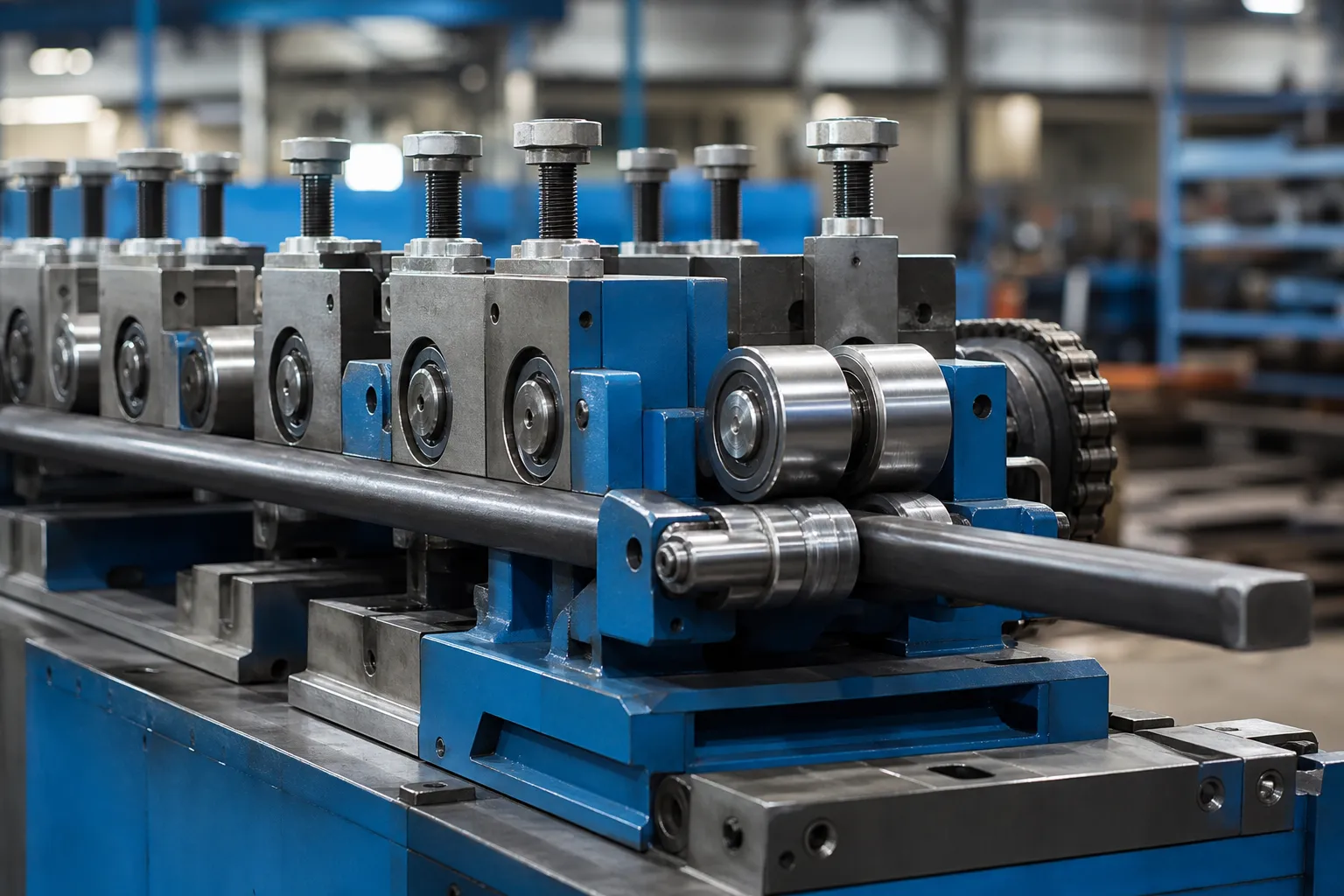
*التوضيح المفهوم الهندسي. إنه ليس اختبارًا ماديًا, نموذج الإجهاد أو نتيجة التمليس التي تم التحقق منها.*
ما هو التأثير جسديا
بعبارات واضحة: فالمعدن الذي تم ثنيه بشكل لدن في اتجاه ما يصبح أكثر سهولة عندما يتم ثنيه في الاتجاه الآخر. على منحنى الإجهاد والانفعال, سحب شريط العائد الماضي, تفريغ, ومن ثم يصل التحميل بالضغط إلى نقطة الخضوع الجديدة بحجم أقل من ناتج الشد الأصلي. السبب البنيوي المجهري هو أن التشوه البلاستيكي يترك الشبكة البلورية مملوءة بالاضطرابات المرتبة لمقاومة المزيد من التشوه في اتجاه التحميل; عندما ينعكس الحمل, نفس الترتيب يساعد على الانزلاق في الاتجاه المعاكس, لذا فإن العائد العكسي يبدأ مبكرًا. يكون التأثير أقوى مباشرة بعد الانعكاس الأول ويصل إلى حد التشبع بعد عدة دورات, وهو أكثر وضوحا في ليونة, ظروف منخفضة الكربون مقارنة بالظروف شديدة الصلابة.
Two consequences matter for straightening. أولاً, the material’s force–deflection response is asymmetric with respect to the sign of bending: the same press stroke moving a bend in one direction produces a different permanent set than the identical stroke applied against it. ثانية, every unload leaves a locked-in micro-residual stress state, so the “نفس” part is never quite the same material twice once correction has begun. Both consequences push toward the same process discipline — few, planned, well-aimed correction strokes instead of many small reversing ones.
What This Means for a Correction Stroke
Straightening control commonly assumes a repeatable relationship between applied correction and resulting movement — the basis of springback compensation practice. Reverse-loading history threatens exactly that repeatability. Consider the classic over-correct-and-press-back sequence: the first stroke plastically bends the section, the second stroke bends it back. Because the material yields earlier in the reverse direction, the second stroke needs less force to move the part the same amount, and a control routine calibrated on the first stroke’s response will overshoot. Each additional reversal compounds the drift while accumulating low-cycle fatigue damage in the section, which is the mechanism that connects careless correction sequences to the cracking risks discussed for الإفراط في استقامة وتكسير.
The practical rules that follow are qualitative but firm. Plan the correction so that each location is plastically worked in one predominant direction, not ping-ponged. Set the rework limit before the first stroke — the number of correction attempts a part may receive — and enforce it through the NOK sorting and rework-limit discipline. And when a process has drifted so that the same nominal error now needs visibly more or fewer strokes than it did at qualification, treat the change as a material signal to investigate, not as a knob to tune away.
لماذا يعتبر التحميل العكسي مهمًا؟
قد يكون هناك جزء من التشوه المتراكم أثناء التدحرج, رسم, تشكيل, المعالجة الحرارية, بالقطع, النقل أو خطوة التصحيح السابقة. عندما تطبق عملية الاستقامة الانحناء العكسي, يمكن أن تعتمد الاستجابة على ذلك التاريخ بالإضافة إلى الحالة المادية والهندسة الحالية. وهذا هو السبب في أن خريطة الانحناء وحدها لا تنشئ نافذة تصحيح آمنة.
| عامل | سؤال محاكمة |
|---|---|
| درجة المادة وحالتها | هل الحالة المطبقة موثقة, لا يفترض? |
| التشكيل/الرسم المسبق | هل يمكن أن يختلف تاريخ التشوه بين القطع? |
| مرحلة المعالجة الحرارية | هل التصحيح مسموح في هذه المرحلة؟? |
| القسم/الهندسة | هل تختلف الصلابة على طول الجزء؟? |
| الميزات السطحية/الوظيفية | هل هناك قيود على الاتصال أو مخاطر الكراك? |
| إعادة العمل السابقة | لقد حدث التحميل العكسي بالفعل? |
استخدمه كمفهوم للتخطيط التجريبي
يجب أن يؤدي هذا المفهوم إلى سجلات أفضل, ليست مطالبات غير مدعومة. سجل الحالة الواردة, المواد/الكثير, مرحلة التصنيع, الخريطة الأولية, تسلسل التصحيح, قياس صدر, مراقبة السطح وحالة إعادة العمل. قم بتغيير عامل واحد متحكم فيه في كل مرة أثناء التطوير ولا تقم بالاستقراء من عينة سهلة إلى عائلة أجزاء مختلفة.
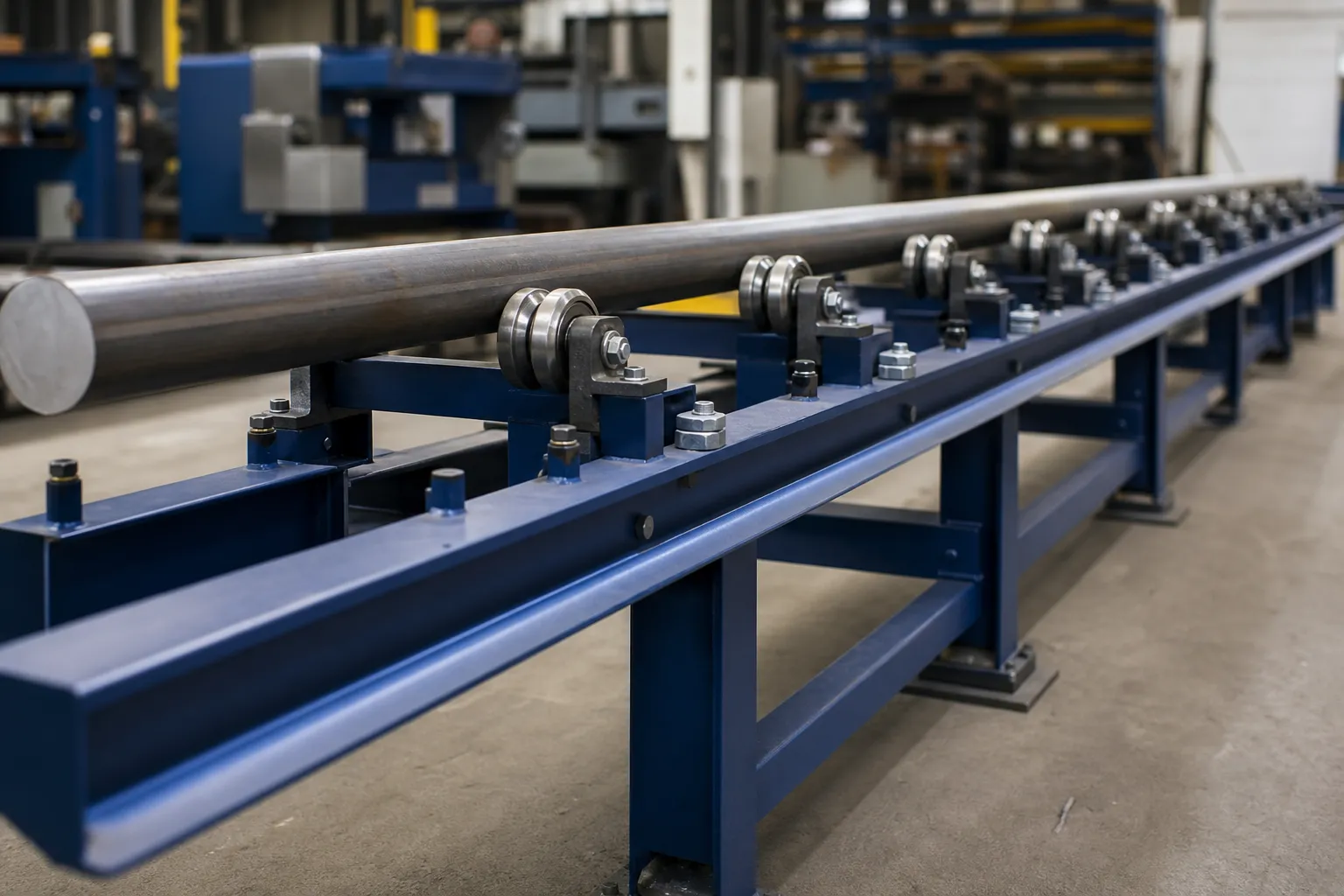
*التوضيح المفهوم الهندسي. يدعم, يتطلب الاتصال والسلوك المادي مراجعة هندسية خاصة بالجزء.*
تجنب تسمية النتيجة بأنها "تخضع لسيطرة بوشينغر" ما لم تحدد دراسة المواد/العمليات المؤهلة بالضبط ما يعنيه ذلك. المصطلح لا يحل محل متطلبات الرسم, شهادة المواد, تقييم الكسر أو موافقة العميل.
Where Loading History Hides in Real Parts
Reverse-loading sensitivity does not require a previous straightening operation — most parts arrive with a history already written into them. Bars and wire carry directional deformation from rolling and drawing, so their bend response differs with orientation relative to the mill direction. Heat-treated parts carry quench distortion plus the residual stress field of the treatment, and any straightening performed at the heat treater counts as prior history for the correction performed later — the staging questions covered under استقامة بعد المعالجة الحرارية. Long slender parts accumulate transport and clamping bends, and a part that has already been through one rework loop at a supplier arrives pre-cycled. Even within one purchased lot, different bar lengths can come from different mill heats with different histories, which is why a correction setup that works on the first pieces of a lot can misbehave on the last.
The countermeasure is informational, not mechanical: capture material and lot identity, the manufacturing stage, and any prior correction record alongside the incoming geometry map. That data costs almost nothing at receiving and is the difference between a drift investigation that takes an afternoon and one that cannot be closed at all.
Reading the Effect in Production Data
Because the effect cannot be seen on the part, it announces itself through patterns in the process data. The signals to watch for are structural rather than numeric: the number of correction strokes needed for the same incoming error creeping upward or downward over a run; parts that oscillate around nominal across alternating strokes instead of converging; released measurements that flip to the opposite side of the tolerance band after correction sequences that historically landed centered; and lot-to-lot differences in correction behavior with no change in machine setup. None of these patterns is proof of reverse-yield behavior on its own — each has measurement and fixture mimics, which is why the datum and gauge checks come first — but together they justify pulling a sample set aside for a controlled material-and-history review rather than continuing to adjust the machine.
فصل سلوك المادة عن خطأ القياس
يمكن أن تأتي النتيجة الصادرة غير المتوقعة من الاستجابة المادية, ولكن أيضًا من مسند الجلوس, الامتثال لاعبا اساسيا, الدعم/القضية, قياس الارتباط أو خريطة خطأ غير كاملة. تحقق من هذه العوامل قبل تحديد السبب لسلوك العائد العكسي. يرى التكرار لاعبا اساسيا وجلوس مسند و عدم اليقين في القياس في فحص الاستقامة.
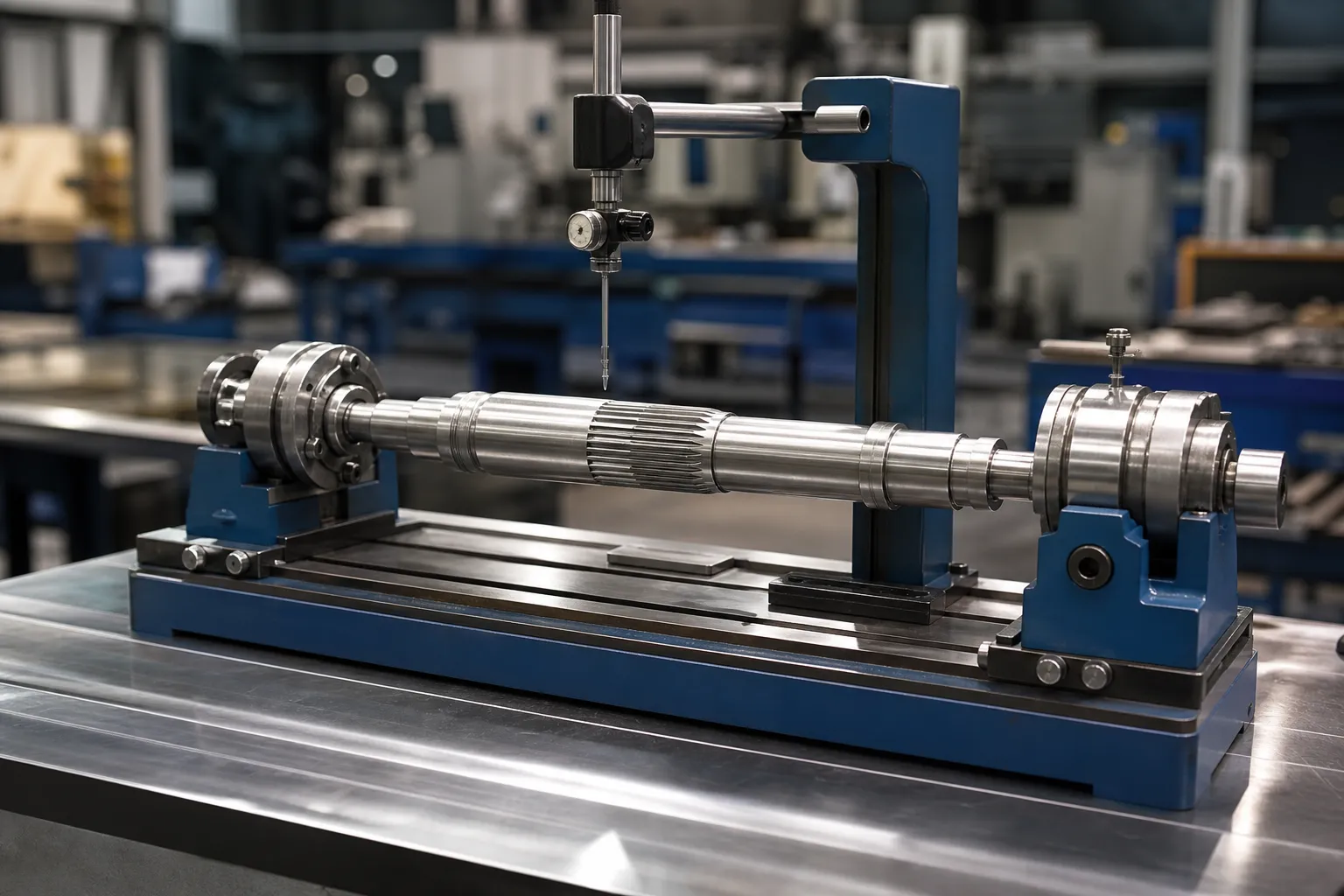
*التوضيح المفهوم الهندسي. تحدد طريقة قياس حالة الإطلاق المعتمدة النتيجة التي يمكن الإبلاغ عنها.*
الأدلة المطلوبة قبل مطالبات العملية
توفير الرسم/المراجعة, مواصفات المواد وحالتها, تاريخ التصنيع, مرحلة المعالجة الحرارية, سجلات التصحيح/إعادة العمل السابقة, هندسة واردة, القيود السطحية, طريقة القياس المقبولة والعينات التمثيلية. يستخدم استقامة بعد المعالجة الحرارية لتوضيح ضوابط المرحلة و استقامة اختبار العينة والقبول للتخطيط للمحاكمات. ثم الاتصال بـ StraighteningTech للمناقشة.
التحقق من الصحة مطلوب قبل مطالبة النظام
Any material-behavior claim needs a defined material and process scope, مراجع معايرة, representative heat-treated samples, and traceable measurement data. A generic machine capability is not a verified result for this topic.
التعليمات
Does the Bauschinger effect make straightening impossible for previously bent parts?
لا. It makes the response history-dependent rather than fixed. Processes handle it by planning corrections that work each location predominantly in one direction, limiting the number of correction cycles per part, and validating the correction rule on representative parts that carry the same history as production.
Why does pressing a bend back often overshoot?
Because the reverse stroke meets a material that yields at a lower stress than the forward stroke did. A force or depth calibrated on the forward response therefore over-delivers in reverse. The remedy is a separate, smaller correction rule for reverse strokes, or better, an error-map strategy that avoids reversing the same location repeatedly.
Can a correction setup be transferred to a new material lot unchanged?
Only with evidence. Different mill heats can carry different deformation histories and conditions, so the first pieces of each new lot should be treated as a confirmation sample: if correction behavior matches the qualified baseline, continue; if it shifts, requalify before running. This is standard practice for managing the springback variation discussed for springback variation between batches.
موارد تقنية الاستقامة ذات الصلة
يرى كيف يعمل استقامة العمود التلقائي, استقامة اختبار العينة والقبول و استقامة العمود مقابل الجريان مقابل TIR لحدود التحكم العامة التي تنطبق قبل أي مطالبة بالقدرة تأثير بوشنجر في الاستقامة.