
الشياق الطبية هي أدوات مساعدة للتصنيع أو مكونات فارغة, ليست عائلة منتجات واحدة قابلة للتبديل. يجب أن يبدأ طريق الاستقامة بوظيفة الشياق الفعلية: سواء كان يدعم عملية القسطرة, يصبح عنصرا أساسيا, يتم طحنه أو تغليفه لاحقًا, أو يتم إعادة استخدامها بعد عملية تصنيع خاضعة للرقابة. مادة, القطر, طول, هندسة النهاية, تحدد حالة الطلاء وطريقة الفحص النهائي ما إذا كانت عملية تقويم المرشح مناسبة أم لا.
يشرح هذا الدليل الأسئلة الهندسية التي يجب حلها قبل اختيار المعدات. لا يذكر أن StraighteningTech يدعم حاليًا كل مادة شياق طبية, مقاس, طلاء, متطلبات النظافة أو بروتوكول التحقق من الصحة. الأدوات النهائية, إعدادات, دقة, يجب أن يتم الاتفاق على الأتمتة والقبول من العينات التمثيلية والرسم المتحكم فيه.
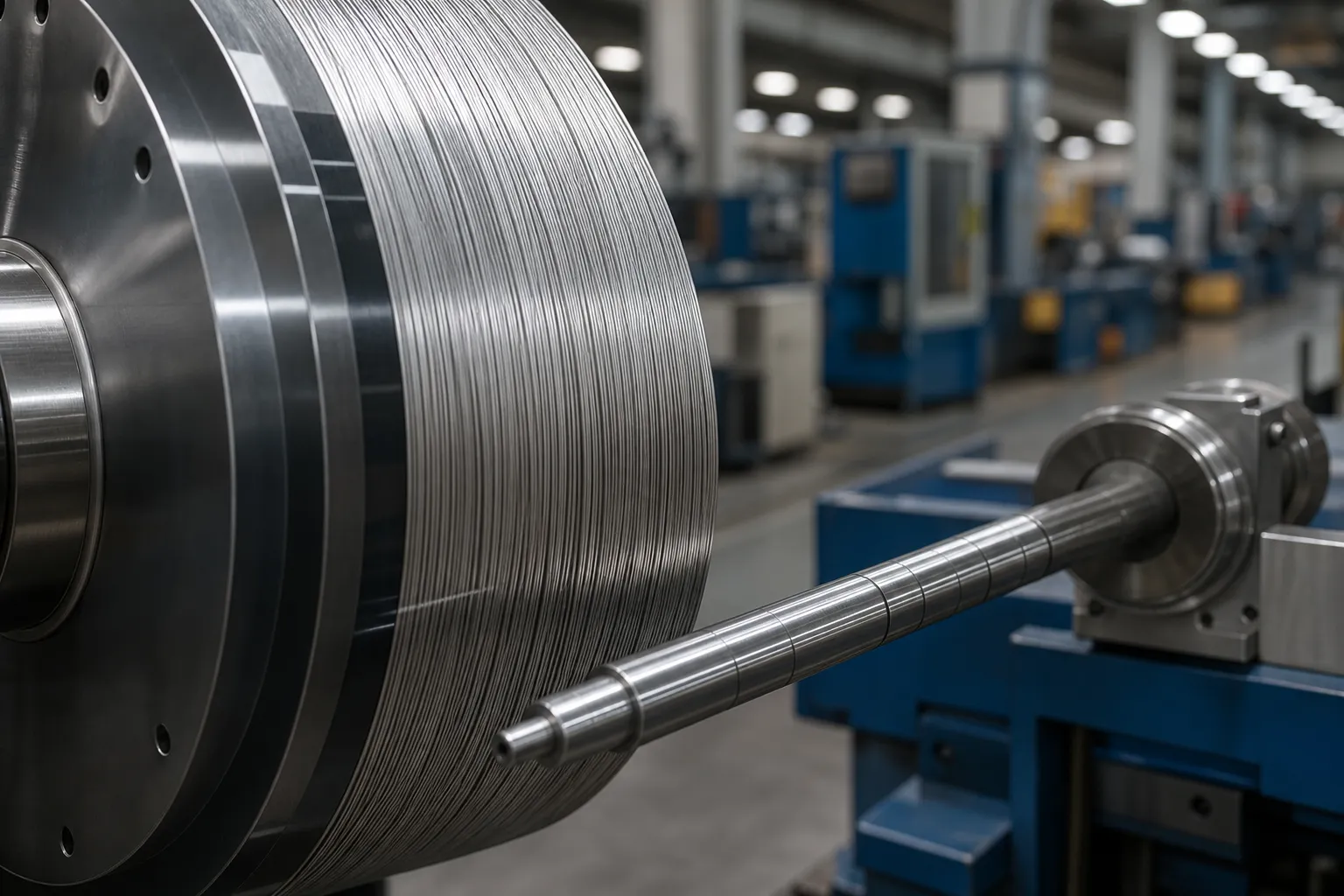
*التوضيح المفهوم الهندسي. وهو يحدد شياق مرحلة التصنيع وسياق القياس; إنها ليست صورة فوتوغرافية لموقع العميل أو دليلاً على تسليم الجهاز.*
الحفاظ على مماسك, الأسلاك الأساسية والأجهزة الطبية النهائية منفصلة
غالبًا ما يجمع مصطلح البحث *استقامة الشياق الطبي* بين قطع عمل مختلفة ومسؤوليات مختلفة. مغزل قابلة لإعادة الاستخدام, سلك أساسي يتغذى بالملف, يمكن أن يحتاج كل من أنبوب الإبرة وسلك التوجيه النهائي إلى تحميل مختلف, اتصال, التنظيف ومراقبة الجودة. يمكن أن يؤدي التعامل معهم كمنتج واحد إلى إنشاء مطالبة عملية غير آمنة.
| غرض | سؤال هندسي نموذجي | الحدود للحفاظ عليها |
|---|---|---|
| مغزل التصنيع المنفصل | هل القوس أو المنفذ متوافق مع عملية التصنيع التالية؟? | لا تفترض أنها زرعة نهائية أو جهاز سريري. |
| الأسلاك الطبية المغذاة باللفائف | يمكن أن يلقي التحكم في الخط, الحلزون, طول القطع وحالة الطلاء? | هذه عملية تغذية مستمرة, ليس بالضرورة عملية مغزل منفصلة. |
| أنبوب إبرة أو مشط | الذي التجويف, نصيحة, يجب عدم الاتصال بميزات الجدار أو السطح? | تحتاج هندسة الأنبوب ومتطلبات النظافة إلى التحقق من صحتها. |
| الانتهاء من سلك التوجيه أو مكون القسطرة | هل يُسمح بأي تصحيح بعد المعالجة النهائية? | منتج, المطالبات التنظيمية والسريرية تقع خارج مقالة المعدات العامة. |
لطرق الإنتاج ذات الصلة ولكن المتميزة, يرى استقامة الأسلاك الطبية, أنبوب الإبرة واستقامة ستايليت, و مركز حلول المكونات الطبية.
تحديد مرحلة التصنيع قبل اختيار الطريقة
يمكن إدخال التشويه عن طريق الرسم, طحن بلا مركز, المعالجة الحرارية, طلاء, تحويل, إعادة الاستخدام أو المناولة. يمكن أن يتطلب نفس الانحناء البصري استجابة مختلفة قبل وبعد خطوة الطلاء. A part still scheduled for later grinding can have a different contact strategy from a finished or coated mandrel with a cosmetic or functional surface requirement.
Freeze the following inputs before a sample trial:
- controlled drawing revision, material specification and manufacturing stage;
- nominal and actual diameter, طول, end form and any local changes in stiffness;
- whether the part is bare, المغلفة, أرضي, heat treated, cleaned or previously used;
- incoming bow, runout or other geometry distribution from representative parts;
- the feature, datum and support condition used by the customer's reference inspection;
- surfaces that may be supported, driven or corrected, and protected zones that may not be contacted;
- released-part acceptance definition, including repeat measurement and handling condition.
An equipment quotation should not convert a competitor's diameter range or automation description into a StraighteningTech specification. إم إس آي, تؤكد صفحات Chamfr وغيرها من الصفحات المتخصصة وجود معدات شياق مخصصة في السوق; لا يقومون بإنشاء النطاق, قوة, توافق الطلاء أو نطاق نظام الجودة لمورد مختلف.
حدد مرجعًا يمثل الوظيفة المطلوبة
تكون القراءة من المسبار مفيدة فقط عندما يتم تعريف المرجع. لا يزال من الممكن أن ينتج عن المسبار منخفض القوة نتائج مضللة إذا تم وضع الجزء بشكل غير متسق, المنطقة المغلفة تغير الاتصال, أو يتم استخدام معلم نهاية دون التأكد من أنه يمثل المحور المطلوب.
قد تتضمن استراتيجيات مرجع الإسناد المرشح ميزات نهائية معتمدة, قسم مرجعي مستقيم محدد, or a mathematical axis generated from specified measurement stations. The final choice must be correlated with the customer's reference gauge. If the customer accepts a free-state straightness value while the machine measures a supported rotating signal, the relationship between those two methods needs to be demonstrated rather than assumed.

*التوضيح المفهوم الهندسي. It shows why contact and coating protection require workpiece-specific validation; it does not specify a universal mandrel fixture or allowable contact force.*
Measure With Enough Resolution, but Also Enough Context
A single midpoint reading may hide local bends, end effects or setup errors. A useful sample-test plan defines the measurement stations, مواقف الدعم, rotation or translation path where applicable, شروط اتصال المستشعر وطريقة فصل هندسة الجزء عن إشارة التثبيت.
لكل طريقة قياس, وثيقة:
| مراقبة القياس | لماذا يهم |
|---|---|
| تحقيق المسند والتحقق من الجلوس | يمنع القذرة, الميزة البالية أو المدعومة بشكل سيئ من الظهور على شكل انحناء. |
| دقق في جهة الاتصال أو الإعداد البصري | قوة الاتصال, يمكن أن تؤثر انعكاسية السطح وحالة الطلاء على الإشارة. |
| المحطات المحورية والتوجيه | يمكن تفويت العيب المحلي عند التحقق من مدى أو اتجاه واحد فقط. |
| حالة القياس المفرج عنها | القراءة المثبتة أو المشدودة لا تكون تلقائيًا النتيجة النهائية للحالة الحرة. |
| قياس الارتباط | Connects equipment readings to the customer's controlled acceptance method. |
والسؤال الصحيح ليس ببساطة ما إذا كان القياس اتصالاً أم عدم اتصال. هو ما إذا كانت الطريقة قابلة للتكرار لهذه المادة, سطح, الهندسة وخصائص القبول. The broader selection principles are explained in الاتصال مقابل قياس استقامة عدم الاتصال.
Correct Incrementally and Protect the Surface
Any candidate correction method must be selected from the part's permitted contact zones, stiffness distribution and deformation map. It may involve controlled local correction, guided multi-point contact, or another workpiece-specific route. The process cannot be specified safely from a product name alone.
Before force or displacement is applied, the engineering review should define support locations, correction locations, contact materials, indexing or orientation controls, maximum permitted correction attempts and the stop conditions for a part that no longer responds predictably. Coatings, polished surfaces, small end features and local diameter changes may require dedicated tooling or may rule out a proposed contact route altogether.
يجب أن تكون حلقة التصحيح مغلقة:
- تحديد عائلة الجزء الخاضع للرقابة والوصفة;
- فحص ورفض التالفة, أجزاء ملوثة أو خارج النطاق;
- تحميل المسند المعتمد وتأكيد الجلوس;
- قياس الخريطة الهندسية الأولية;
- اختيار خطة الدعم والتصحيح المعتمدة;
- تطبيق التصحيح التزايدي ضمن الحد المتفق عليه;
- الافراج الكامل عن القوة وضبط النفس;
- إعادة قياس المحطات المطلوبة وتوجيه الجزء إلى موافق, NOK أو المراجعة الهندسية.
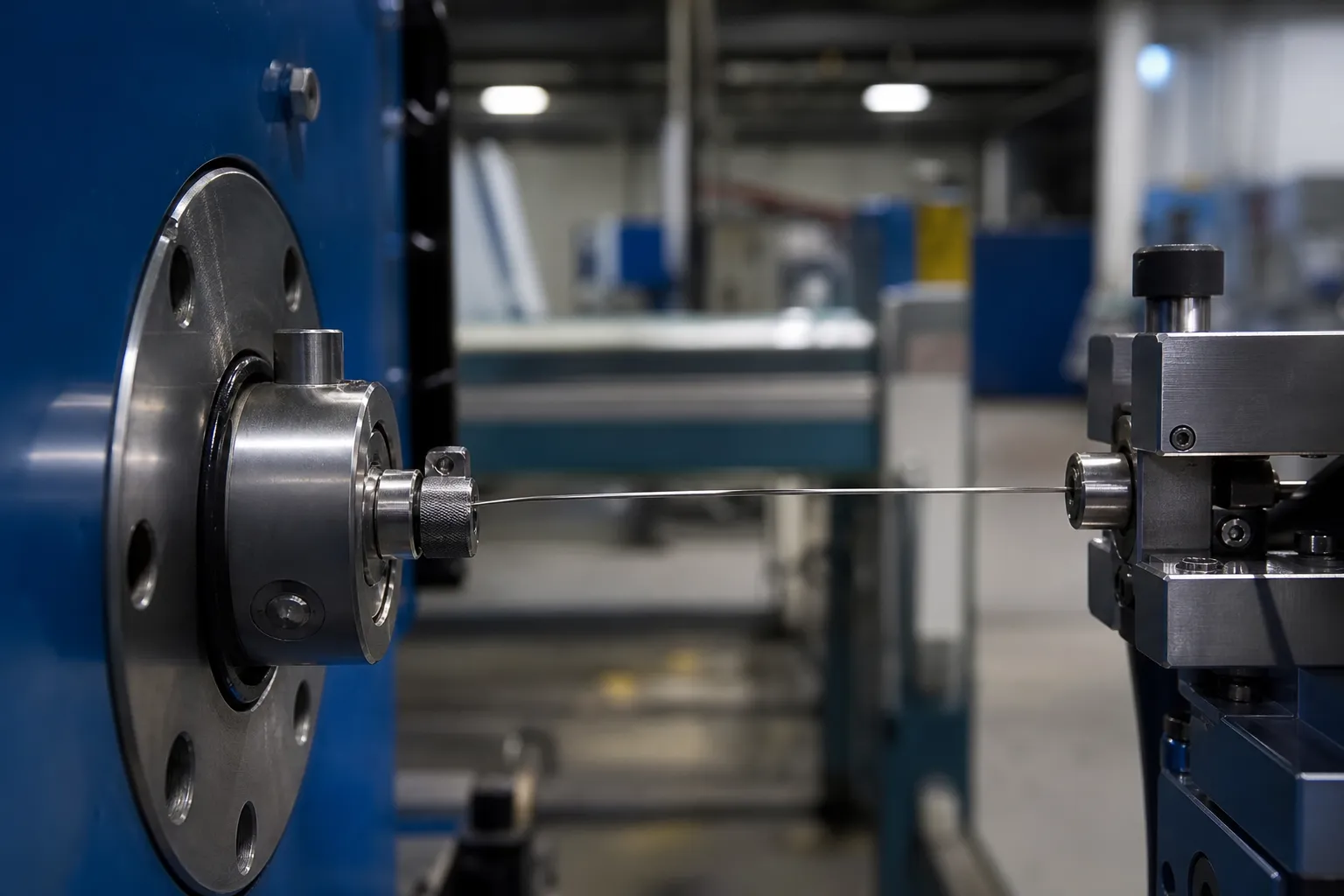
*التوضيح المفهوم الهندسي. وهو يؤكد على فحص حالة الإصدار والمراجعة التي يمكن تتبعها; ولا يعتبر دليلاً على نتيجة قبول العميل.*
التحقق من حالة الإصدار هو بوابة القبول
قراءة مؤقتة تحت الضغط, لقط أو التوتر ليس نتيجة قبول الجزء المفرج عنه. بعد التصحيح, يجب تحرير الشياق وقياسه وفقًا للحالة المتفق عليها. يجب أن يحتفظ سجل المحاكمة بالقراءة الواردة, طريقة التاريخ, تسلسل التصحيح, final reading, inspection method and disposition. Where surface, طلاء, cleanliness or material integrity is relevant, those checks must be identified as separate acceptance items rather than silently folded into “straightness.”
| مادة القبول | Example evidence required |
|---|---|
| Geometry before and after | Raw readings tied to the agreed datum and station map |
| التكرار | Reseat and repeat readings, plus customer-gauge correlation where required |
| حماية السطح | Controlled inspection method and approved visual criteria |
| استجابة العملية | Defined maximum attempts and engineering-review route for no-progress parts |
| إمكانية التتبع | هوية الجزء/الدفعة, نسخة وصفة, operator or automation event and result record |
Information Needed for a Medical Mandrel Straightening Review
Next steps for a medical mandrel project: تأكيد مفهوم الجهاز مع رمح, دليل اختيار الأنبوب والملف الشخصي, ثم قم بتأطير حالة العمل باستخدام ملف cost structure of a straightening machine.
إرسال الرسم الذي تسيطر عليه, مرحلة المواد والتصنيع, representative bent and normal samples, coating or surface requirements, allowable contact zones, البيانات الهندسية الواردة, customer inspection method and released-part acceptance limit. Also identify any cleanliness, تصديق, الوثائق أو المسؤوليات التنظيمية التي تنطبق على خطوة الإنتاج.
يمكن لـ StraighteningTech بعد ذلك مراجعة عائلة قطعة العمل, مسند ممكن, المناطق المحمية, قياس المرشح وطريق التصحيح, والأدلة المطلوبة لخطة اختبار العينة. يتم اقتراح التكوين النهائي للجهاز فقط بعد الاتفاق على تلك المدخلات ومعايير التحقق من الصحة.
التعليمات
هل يمكن تقويم الشياق المطلي?
فقط بعد الطلاء, مناطق الاتصال, تتم مراجعة معايير وضع العلامات المسموح بها وطريقة فحص الأجزاء المفرج عنها. الطلاء لا يجعل التصحيح مستحيلاً تلقائيًا, لكنه يغير عبء التحقق من الصحة.
هو مغزل نفس الأسلاك الطبية?
ليس بالضرورة. يمكن أن يكون للشياق المنفصل والسلك المغذي بالملف وظائف مختلفة, طرق التحميل, الضوابط الهندسية ومتطلبات النظافة. ولا ينبغي لهم مشاركة خطة العملية دون مراجعة قطعة العمل.
هل يمكن للقراءة الآلية أن تحل محل مقياس العميل?
لا. قد تكون الطريقتان مرتبطتان, لكن تلك العلاقة تحتاج إلى مراجعة موثقة للارتباط والتكرار.
هل يمكن ضمان قيمة الاستقامة قبل اختبار العينة؟?
لا. الدقة النهائية, وقت الدورة, تعتمد طريقة الاتصال ومستوى الأتمتة على الرسم, الحالة المادية, الميزات المحمية, العينات وطريقة القبول المتفق عليها.