
لا ينبغي أن يتعامل السطر مع كل قراءة غير ناجحة بنفس الطريقة. قد يكون هناك مشكلة في الإعداد, إنذار القياس, حالة هندسية قابلة للتصحيح, استجابة عدم التقدم, مشكلة مادية مشتبه بها أو عدم مطابقة مؤكدة. بدون طرق مميزة, التصحيح المتكرر يمكن أن يخفي مشكلة القياس, تلف الجزء, قم بخلط الكثير أو اتخاذ قرار جودة لا يمكن تعقبه.
هذه المقالة عبارة عن إطار عمل لتوجيه الجودة. لا تدعي أن StraighteningTech توفر حاليًا الفرز التلقائي, أجهزة استشعار محددة, عتبات الرفض, برامج التتبع أو قواعد إعادة العمل المعتمدة. تتطلب هذه الوظائف نطاقًا محليًا تم التحقق منه وموافقة على الجودة.
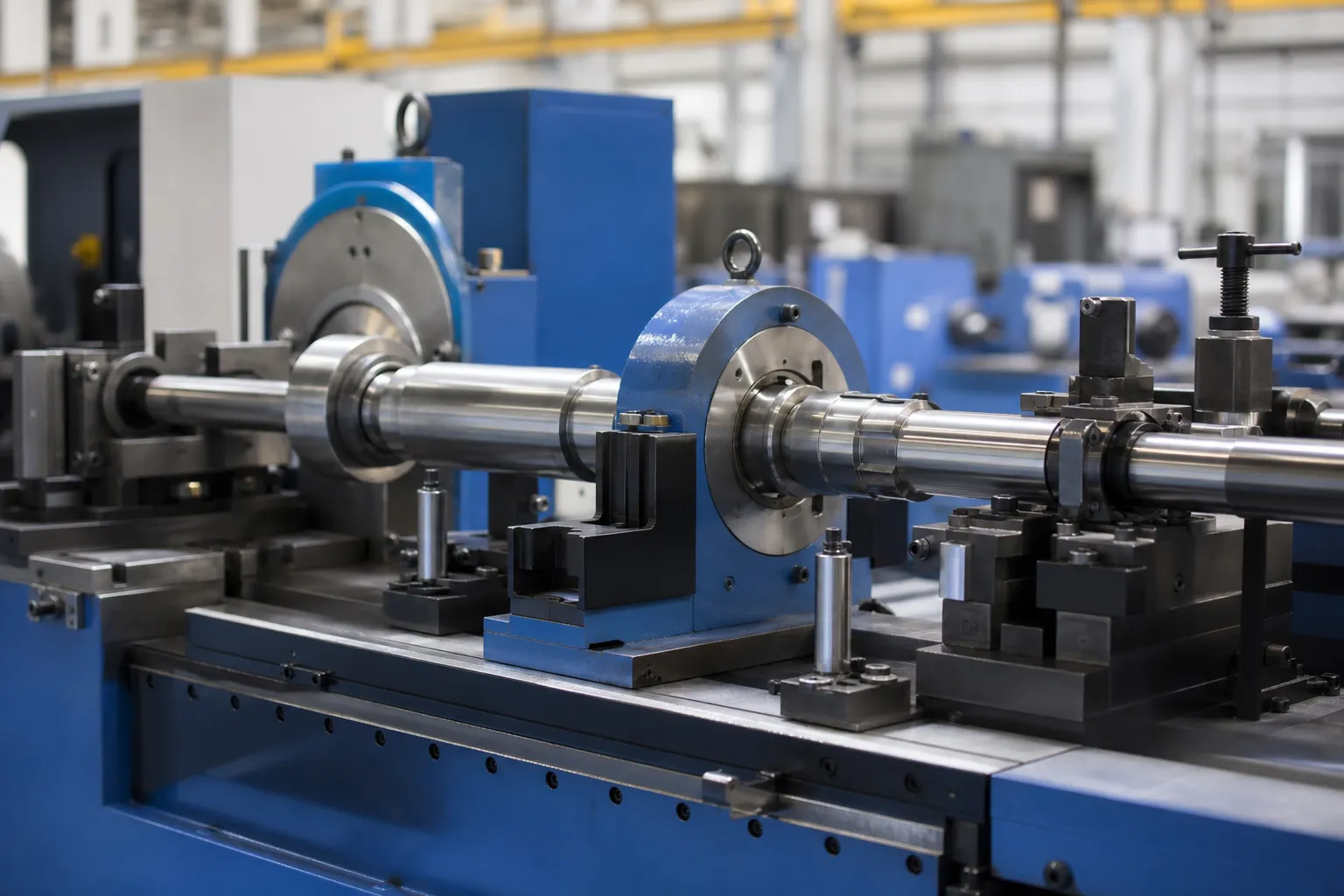
*التوضيح المفهوم الهندسي. ويظهر خلية الإنتاج المرشحة, ليس نظام فرز آلي مثبت أو قدرة محددة على اكتشاف العيوب.*
تحديد حالات التصرف
على الأقل, تمييز المرور, كافٍ, مؤهلة لإعادة العمل, stop/hold and engineering/quality review. The definitions must reference the controlled drawing, طريقة القياس, process condition and authority to release. A process alarm is not automatically a reject; it may be an escalation signal that requires verification.
| ولاية | التعريف المطلوب |
|---|---|
| PASS | Meets the agreed released-state requirement with required records |
| كافٍ | Does not meet the defined requirement or has a confirmed nonconformance |
| Rework-eligible | Meets documented conditions for another approved attempt |
| Stop / hold | Requires setup, process-signal, quality or engineering review before further processing |
| Engineering review | Needs a controlled decision outside the normal automatic route |
Keep Setup Issues Separate From Part Nonconformance
Before routing a part as NOK, consider whether the signal could result from datum seating, fixture variation, حالة الاستشعار, part identity, wrong recipe or an unapproved support state. يجب أن يحدد الإجراء عمليات التحقق من التنظيف/إعادة التثبيت/التكرار المسموح بها ومنع عمليات إعادة المحاولة غير المحدودة.
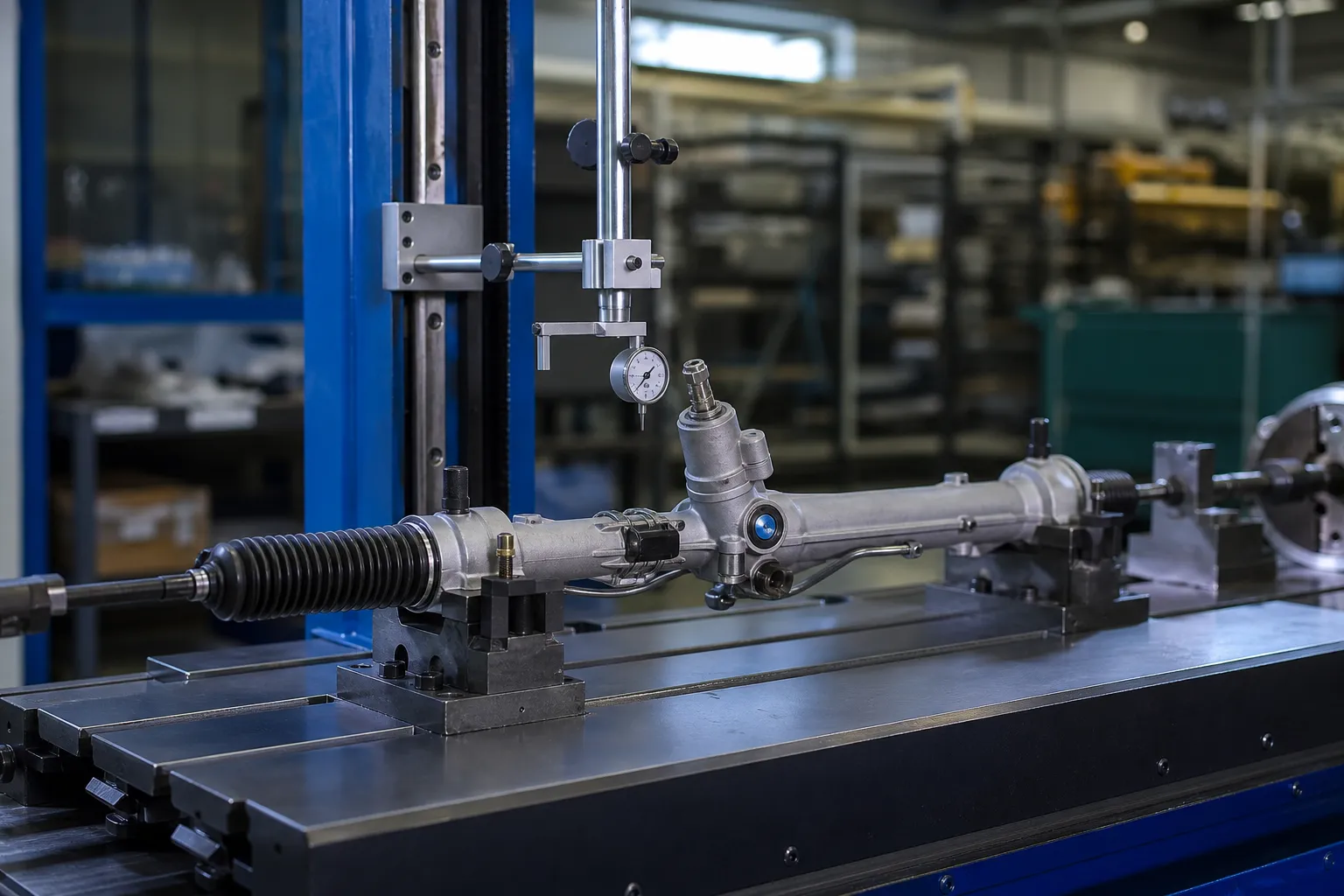
*التوضيح المفهوم الهندسي. وهو يصور نقطة قرار القياس, ليس دليلاً على تصنيف تلقائي أو قاعدة إنذار محددة.*
يرى التكرار لاعبا اساسيا وجلوس مسند و اكتشاف الشقوق أثناء الاستقامة التلقائية للفصل بين الإشارة وسببها المؤكد.
قم بتعيين حد لإعادة العمل قبل التصحيح الأول
يجب أن تكون إعادة العمل طريقًا معتمدًا مع حد أقصى محدد لعدد المحاولات, شروط الاتصال/الدعم المسموح بها, متطلبات إعادة القياس, فحوصات السطح/الميزات وسلطة الاستمرار أو التوقف. الحد ليس رقمًا عالميًا; ذلك يعتمد على المواد, مرحلة العملية, خطر الميزة, متطلبات العملاء والاستجابة التحقق من صحتها. عندما لا يستجيب الجزء كما هو متوقع, قد يكون الإجراء المناسب هو التعليق أو الرفض بدلاً من القوة الإضافية.
لماذا تؤدي عمليات إعادة المحاولة غير المحدودة إلى إتلاف الخط
إن السماح للخط بإعادة تصحيح جزء ما حتى يمر المقياس أخيرًا يبدو منتجًا ويدمر شيئين بهدوء. الأول هو الجزء نفسه: تستهلك كل دورة ثني بلاستيكية حصة من عمر الكلال المنخفض الدورة للقسم, وسلوك التحميل العكسي الموصوف لـ التحميل العكسي في الاستقامة يعني أن الدورات اللاحقة تحرك المادة بشكل أكبر لكل وحدة قوة مقارنة بالدورات السابقة. فالجزء الذي يصل إلى التسامح في محاولته السادسة لا يعادل الجزء الذي وصل إليه في الأولى, على الرغم من أن كلا قراءة PASS.
الضحية الثانية هي المعلومات الخاصة بالخط. عندما تكون عمليات إعادة المحاولة غير محدودة, يرى المقياس النتائج النهائية فقط: الأجزاء التي تتقارب, ببطء, تحت القوة المتكررة. إعداد تصحيح الانجراف, سندان بالية, a bad lot of stock and a genuinely struggling part family all produce the same visible symptom — more attempts per part — and none of them generates a stop condition. The retry count is one of the cheapest and most informative process signals a straightening line produces, and it only exists as data if the line is required to stop and route the part at a defined limit instead of looping.
Thinking of the Rework Limit as a Budget
A more useful mental model than “three strikes” is a budget of deformation that each part may spend. The budget is set by the material’s condition and the consequence of failure in service, and it is spent by every correction stroke — forward or reverse. A hardened safety-critical shaft and a soft structural bar may carry very different budgets, which is why no universal rework number is defensible and why the limit belongs to the part family’s validated process, reviewed by quality. The same budget concept explains a rule that otherwise looks arbitrary: a part that has consumed its budget and still fails is rejected even though one more attempt might conceivably pass, because the part that would emerge is no longer the part the drawing specifies in any meaningful sense.
Budgets also need edges. Two conditions that stop rework regardless of remaining attempts are no-progress — corrections that stop changing the geometry, indicating the process is no longer engaging the error — and overshoot oscillation, where each attempt moves the part from one side of tolerance to the other. Both are stop signals, not tuning opportunities, and both feed the integrity-review concerns that repeated plastic cycling raises.
الحفاظ على العزلة والتتبع
يجب أن يحافظ كل تصرف على هوية الجزء/الدفعة, نسخة الرسم/الوصفة, حالة القياس, محاولات التصحيح, نتيجة, حدث المشغل/الأتمتة, وقت, مراجعة القرار والموقع الفعلي. يجب أن يمنع العزل الجزء المحتفظ به أو NOK من العودة إلى تدفق PASS دون تصريح صريح.
*التوضيح المفهوم الهندسي. وهو يؤكد على التحقق من حالة الإصدار والتصرف المسجل, ليس وعدًا بواجهة DMC/MES أو الفرز التلقائي.*
Designing Segregation That Cannot Be Defeated
Disposition states only work if the physical line enforces them. The failure mode is always the same: a held or NOK part re-enters the good flow during a busy shift, through an operator judgment call, a shared conveyor or an unlabeled tote. Effective segregation design follows mistake-proofing logic rather than instruction signs. Good and rejected parts take different physical paths with no shared section where a part can be redirected by hand. Hold locations lock or require an access step that itself creates a record. Labels and bins are part-specific, not generic scrap tags, so a held-for-review part cannot decay into anonymous scrap or anonymous stock. Where volume justifies it, diverters and gates make the routing decision the machine’s, not the operator’s — the automation boundary discussed in manual versus automatic straightening applies to disposition as much as to correction.
The record side has the same anti-defeat requirement. A disposition that lives only in an operator’s memory, or in a spreadsheet anyone may edit, does not survive an audit or a containment event. The minimum durable record is the tuple — part identity, كثير, drawing and recipe version, حالة القياس, attempt count, نتيجة, decision, decision-maker, time — retained long enough to answer the customer question that eventually comes: which parts from that week, from that machine, from that shift.
What the Disposition Data Buys Later
A line that routes honestly accumulates, as a by-product, the dataset that every improvement program wishes it had. Attempt-count trends flag tooling wear and setup drift while they are still cheap to fix. Lot-to-lot shifts in incoming geometry point upstream to suppliers with evidence instead of complaints. The ratio of setup-issue holds to true part nonconformances measures how much of the line’s apparent quality problem is actually its measurement and fixturing — information directly relevant to planning a غيج ر&دراسة R. And when a customer raises a field concern, traceability converts a week of panic into an afternoon of records. None of that value survives a culture of retry-until-pass; all of it is the natural dividend of the routing discipline described here.
بناء طريق التحقق والتصعيد
- تحديد الجزء, كثير, الرسم والوصفة;
- التحقق من إعداد القياس/المسند ضمن الفحوصات المعتمدة;
- التقاط القراءة, حالة العملية وأي تنبيه;
- قم بتطبيق مسار إعادة العمل المسموح به فقط عند تأكيد الأهلية;
- الافراج وإعادة القياس بموجب الشرط المتفق عليه;
- تمرير الطريق, كافٍ, عقد أو مراجعة هندسية;
- الحفاظ على إمكانية التتبع والفصل المادي;
- استخدم الأنماط المتكررة لبدء العملية أو مراجعة الجودة.
لبنية الأدلة المطلوبة, يرى استقامة اختبار العينة والقبول و غيج ر&R لتسوية الخطوط.
بوابات عدم التقدم وحدود التصحيح
العبارة بالضبط حد تصحيح الاستقامة لا يوجد بوابة تقدم ملوث طبيًا في SERP, لذا فإن منطق عدم التقدم الأساسي موجود في صفحة فرز NOK وحدود إعادة العمل. تحديد الحد الأقصى لدورات التصحيح, force/stroke ceilings and mandatory stop/sort actions before production release.
التعليمات
هل تعني NOK دائمًا الخردة?
لا. يمكن أن تتطلب حالة NOK التحقق, إعادة صياغة تسيطر عليها, المراجعة الهندسية أو الرفض النهائي حسب مسار الجودة المعتمد.
يمكن إعادة محاولة الخط حتى تمر القراءة?
لا. تحتاج إعادة العمل إلى حد أقصى محدد للمحاولة وسلطة الجودة. يمكن أن تؤدي عمليات إعادة المحاولة غير المحدودة إلى إخفاء مشكلة في العملية أو القياس.
هل تعني هذه المقالة أن الخط يحتوي على فرز تلقائي؟?
لا. إنه إطار التوجيه. الفرز الفعلي, تتطلب وظائف التتبع والواجهة التحقق بشكل منفصل.
Why does the attempt count matter more than the final reading?
Because the final reading describes where the part ended, while the attempt count describes what it cost to get there. Two parts reading identical PASS values are not equivalent if one took a single correction and the other took a full budget of repeated cycles. The attempt count is also the line’s earliest drift alarm — a setup, tooling or material change usually shows up as more attempts per part long before it shows up as rejects.
Should rework limits differ between part families?
نعم. The limit is a deformation budget set by material condition, feature risk and service consequence, so a hardened safety-critical shaft and a soft structural bar justify different numbers. The limit belongs to each family’s validated process with quality approval, not to the line as a single setting.
What is the minimum physical segregation a small line needs?
Separate paths or lockable, labeled, part-specific containers for PASS, hold and NOK — arranged so a held part cannot return to the good flow without a recorded, authorized step. The design principle is that doing the wrong thing must require effort, not just discipline. Escalate to machine-controlled diverters when volume or staffing makes human routing unreliable.
Sorting decisions are also capacity decisions – ال المقارنة اليدوية مقابل التلقائية و حالة العائد على الاستثمار للاستقامة التلقائية both price the NOK stream a manual line tends to hide.