
Một dòng không nên xử lý mọi bài đọc không đạt theo cùng một cách. Một phần có thể có vấn đề về thiết lập, báo động đo lường, một điều kiện hình học có thể sửa được, phản ứng không tiến triển, nghi ngờ có vấn đề nghiêm trọng hoặc sự không phù hợp đã được xác nhận. Không có lộ trình riêng biệt, việc điều chỉnh lặp đi lặp lại có thể che giấu vấn đề đo lường, làm hỏng bộ phận, trộn nhiều lô hoặc tạo ra một quyết định chất lượng không thể theo dõi được.
Bài viết này là một khung định tuyến chất lượng. Nó không khẳng định rằng StraighteningTech hiện cung cấp khả năng phân loại tự động, cảm biến cụ thể, ngưỡng từ chối, phần mềm truy xuất nguồn gốc hoặc quy tắc làm lại được ủy quyền. Những chức năng này yêu cầu xác minh phạm vi địa phương và phê duyệt chất lượng.
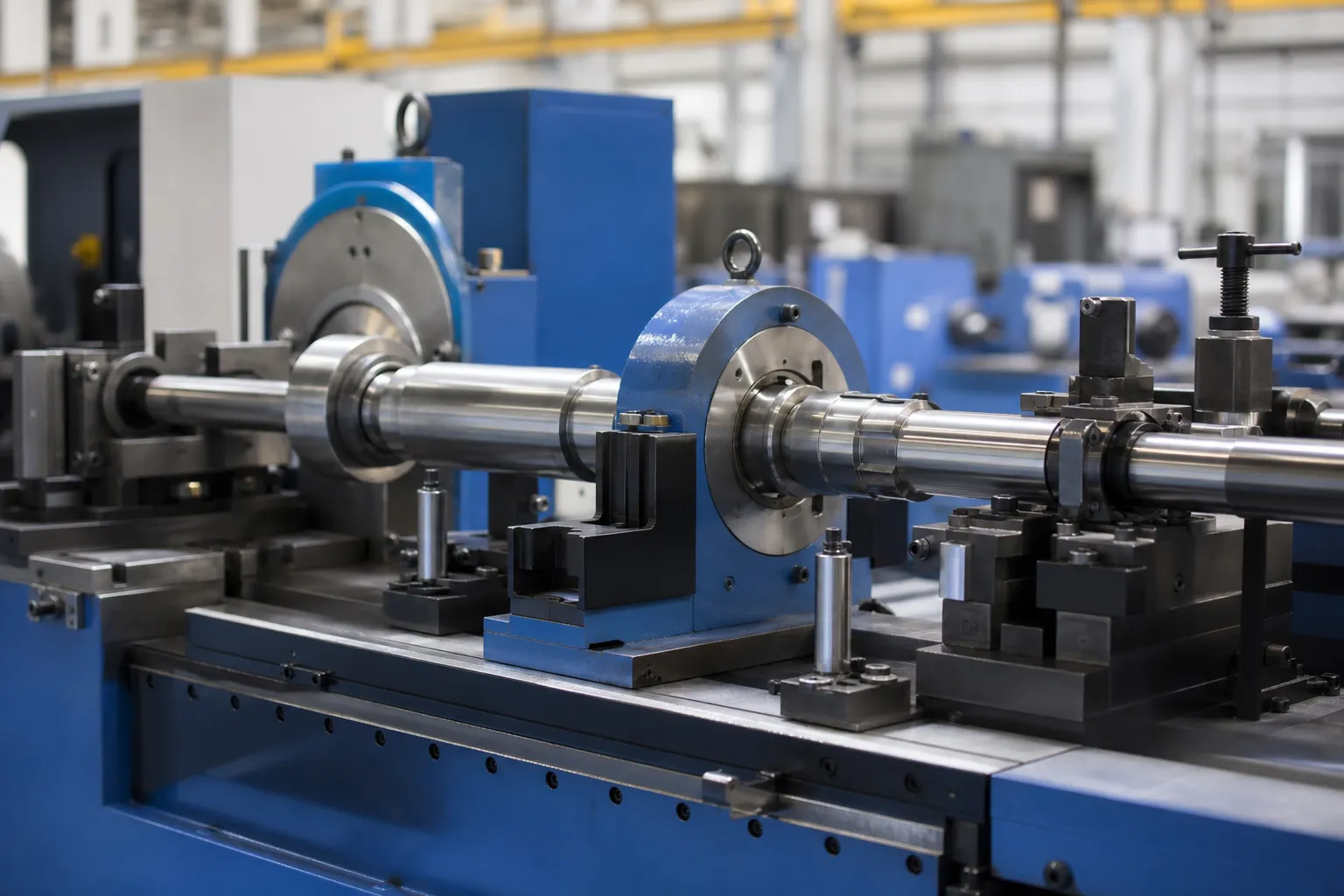
*Minh họa khái niệm kỹ thuật. Nó hiển thị một ô sản xuất ứng cử viên, không phải là hệ thống phân loại tự động được cài đặt hoặc khả năng phát hiện lỗi được xác định.*
Xác định các trạng thái bố trí
Tối thiểu, phân biệt PASS, ĐỦ, đủ điều kiện làm lại, dừng/giữ và xem xét kỹ thuật/chất lượng. Các định nghĩa phải tham khảo bản vẽ được kiểm soát, phương pháp đo, điều kiện xử lý và thẩm quyền phát hành. Cảnh báo quá trình không tự động bị từ chối; đó có thể là tín hiệu leo thang cần được xác minh.
| Tình trạng | Định nghĩa bắt buộc |
|---|---|
| VƯỢT QUA | Đáp ứng yêu cầu trạng thái được phát hành đã thỏa thuận với các hồ sơ cần thiết |
| ĐỦ | Không đáp ứng yêu cầu đã xác định hoặc có sự không phù hợp được xác nhận |
| Đủ điều kiện làm lại | Đáp ứng các điều kiện được ghi lại cho một nỗ lực được phê duyệt khác |
| Dừng lại / giữ | Yêu cầu thiết lập, tín hiệu quá trình, xem xét chất lượng hoặc kỹ thuật trước khi xử lý tiếp |
| Đánh giá kỹ thuật | Cần một quyết định có kiểm soát bên ngoài tuyến đường tự động thông thường |
Giữ các vấn đề thiết lập tách biệt với sự không phù hợp của bộ phận
Trước khi định tuyến một bộ phận là NOK, xem xét liệu tín hiệu có thể là kết quả của chỗ ngồi chuẩn hay không, biến thể cố định, tình trạng cảm biến, một phần danh tính, công thức sai hoặc trạng thái hỗ trợ không được phê duyệt. Quy trình phải xác định các bước kiểm tra sạch/làm lại/lặp lại được phép và ngăn chặn số lần thử lại không giới hạn.
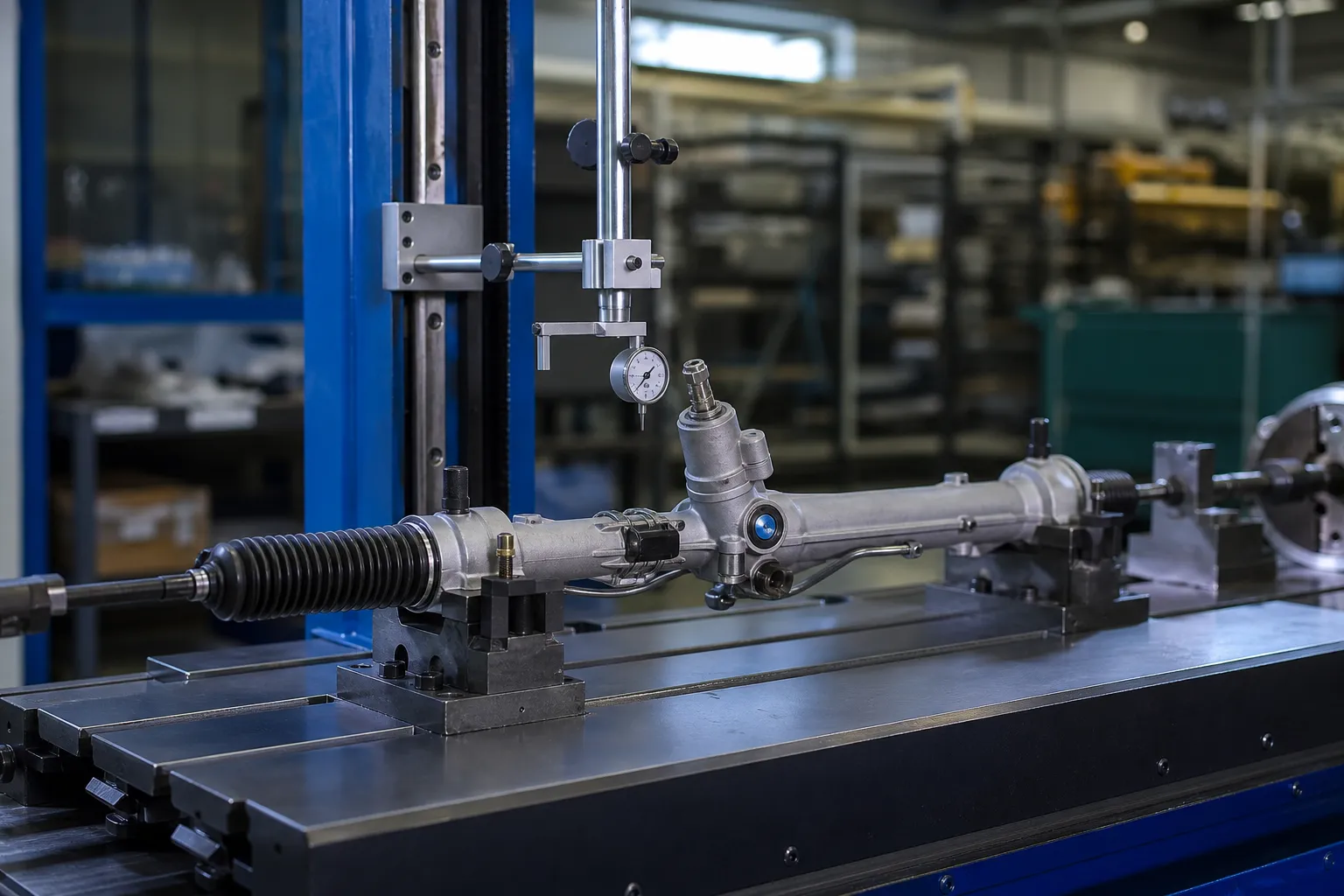
*Minh họa khái niệm kỹ thuật. Nó mô tả một điểm quyết định đo lường, không phải là bằng chứng về phân loại tự động hoặc quy tắc cảnh báo cụ thể.*
Nhìn thấy độ lặp lại của vật cố định và chỗ ngồi chuẩn Và phát hiện vết nứt trong quá trình làm thẳng tự động để phân tách giữa tín hiệu và nguyên nhân đã được xác minh của nó.
Đặt giới hạn làm lại trước lần sửa đầu tiên
Làm lại phải là một lộ trình được phê duyệt với số lần thử tối đa được xác định, điều kiện liên hệ/hỗ trợ được phép, yêu cầu đo lại, kiểm tra bề mặt/tính năng và quyền tiếp tục hoặc dừng. Giới hạn không phải là một con số phổ quát; nó phụ thuộc vào vật liệu, giai đoạn quá trình, rủi ro đặc tính, yêu cầu của khách hàng và phản hồi được xác nhận. Khi một bộ phận không phản hồi như mong đợi, hành động thích hợp có thể được giữ hoặc từ chối thay vì dùng lực bổ sung.
Tại sao số lần thử lại không giới hạn lại làm hỏng đường truyền
Cho phép một đường dây sửa lại một bộ phận cho đến khi thước đo cuối cùng vượt qua mang lại cảm giác hiệu quả và lặng lẽ phá hủy hai thứ. Đầu tiên là phần chính nó: mỗi chu trình uốn nhựa tiêu tốn một phần tuổi thọ mỏi ở chu kỳ thấp của tiết diện, và hành vi tải ngược được mô tả cho tải ngược khi làm thẳng có nghĩa là các chu kỳ sau sẽ di chuyển vật liệu trên một đơn vị lực nhiều hơn các chu kỳ trước đó. Một bộ phận đạt được dung sai ở lần thử thứ sáu không tương đương với bộ phận đạt được nó ở lần thử đầu tiên., mặc dù cả hai đều đọc PASS.
Nạn nhân thứ hai là thông tin riêng của đường dây. Khi số lần thử lại không giới hạn, thước đo chỉ nhìn thấy kết quả cuối cùng: các bộ phận hội tụ, chậm, dưới lực lặp đi lặp lại. Thiết lập hiệu chỉnh trôi, một cái đe mòn, một lượng hàng tồn kho kém và một nhóm bộ phận thực sự đang gặp khó khăn đều tạo ra cùng một triệu chứng rõ ràng - nhiều lần thử hơn trên mỗi bộ phận - và không có bộ phận nào trong số đó tạo ra điều kiện dừng. Số lần thử lại là một trong những tín hiệu quy trình rẻ nhất và giàu thông tin nhất mà một đường thẳng tạo ra, và nó chỉ tồn tại dưới dạng dữ liệu nếu dòng được yêu cầu dừng và định tuyến phần ở giới hạn xác định thay vì lặp.
Nghĩ đến giới hạn làm lại như một ngân sách
Một mô hình tinh thần hữu ích hơn “ba cuộc đình công” là quỹ biến dạng mà mỗi bộ phận có thể tiêu tốn. Ngân sách được thiết lập theo tình trạng của vật liệu và hậu quả của sự cố khi sử dụng, và nó được sử dụng cho mỗi hành trình điều chỉnh - tiến hoặc lùi. Trục quan trọng về an toàn được làm cứng và thanh kết cấu mềm có thể có mức ngân sách rất khác nhau, đó là lý do tại sao không có số lượng làm lại chung nào có thể bảo vệ được và tại sao giới hạn lại thuộc về quy trình xác thực của dòng bộ phận, được đánh giá bởi chất lượng. Khái niệm ngân sách tương tự giải thích một quy tắc có vẻ tùy tiện: một phần đã tiêu tốn ngân sách và vẫn thất bại sẽ bị từ chối mặc dù có thể hình dung được rằng một lần thử nữa sẽ thành công, bởi vì phần nổi lên không còn là phần mà bức vẽ chỉ rõ theo bất kỳ ý nghĩa ý nghĩa nào nữa.
Ngân sách cũng cần có lợi thế. Hai điều kiện khiến việc làm lại dừng lại bất kể những lần thử còn lại là không tiến triển — các chỉnh sửa làm ngừng thay đổi hình dạng, cho biết quá trình không còn xảy ra lỗi nữa - và dao động vọt lố, trong đó mỗi nỗ lực sẽ di chuyển bộ phận từ bên này sang bên kia. Cả hai đều là tín hiệu dừng, không điều chỉnh cơ hội, và cả hai đều nuôi mối quan ngại về đánh giá tính trung thực việc đạp xe bằng nhựa lặp đi lặp lại đó làm tăng.
Duy trì sự cô lập và truy xuất nguồn gốc
Mỗi cách xử lý phải bảo toàn danh tính của bộ phận/lô, phiên bản vẽ/công thức, điều kiện đo, nỗ lực sửa chữa, kết quả, sự kiện điều hành/tự động hóa, thời gian, xem xét quyết định và vị trí thực tế. Việc cách ly phải ngăn phần được giữ hoặc phần NOK quay trở lại luồng PASS mà không có sự cho phép rõ ràng.
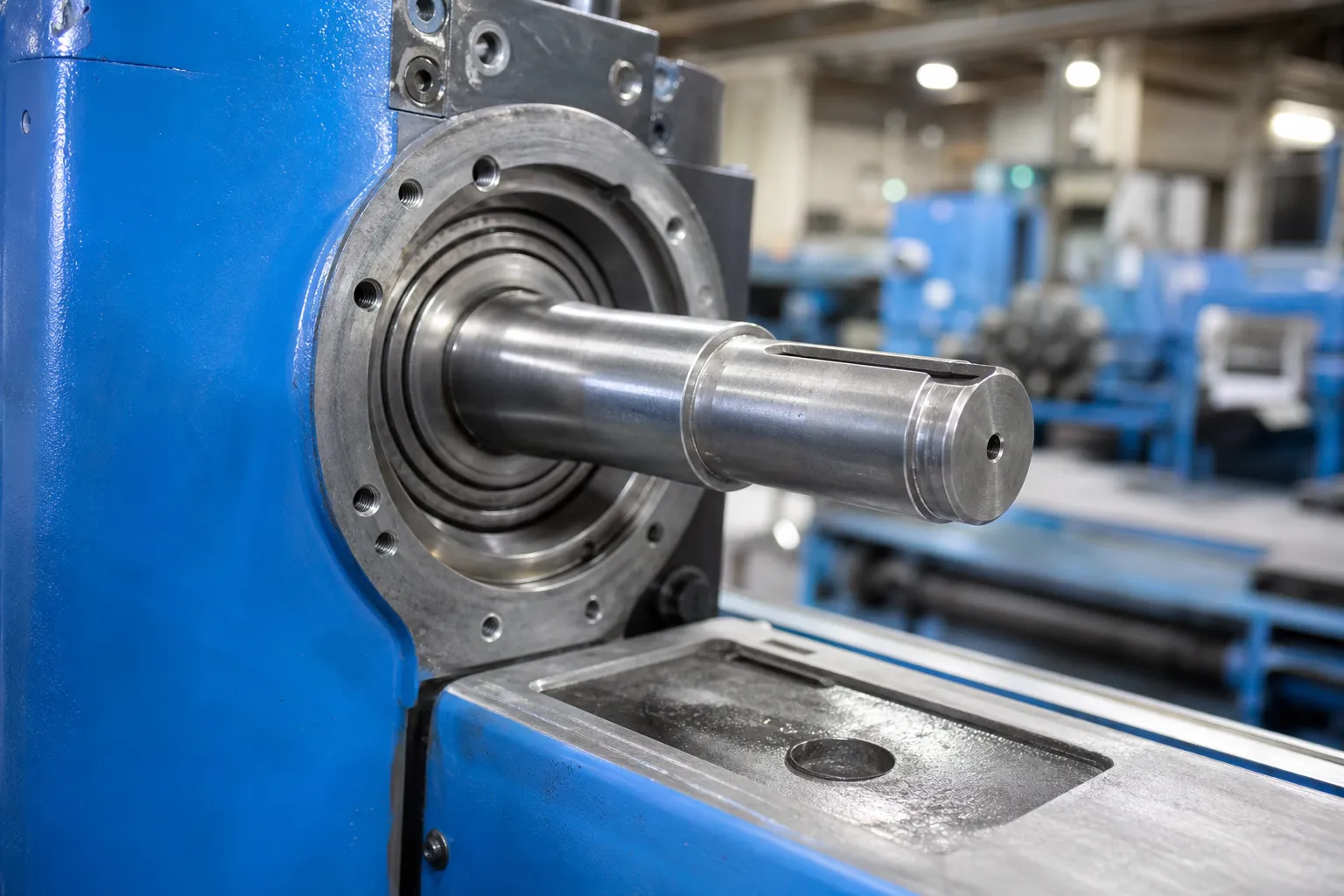
*Minh họa khái niệm kỹ thuật. Nó nhấn mạnh việc xác minh trạng thái phát hành và xử lý được ghi lại, không phải là hứa hẹn về giao diện DMC/MES hoặc bộ phân loại tự động.*
Thiết kế sự phân chia không thể bị đánh bại
Các trạng thái bố trí chỉ hoạt động nếu dòng vật lý thực thi chúng. Chế độ thất bại luôn giống nhau: một bộ phận được giữ lại hoặc NOK nhập lại dòng tốt trong ca bận rộn, thông qua cuộc gọi đánh giá của nhà điều hành, một băng tải dùng chung hoặc một tote không có nhãn. Thiết kế phân chia hiệu quả tuân theo logic chống lỗi thay vì các dấu hiệu hướng dẫn. Các bộ phận tốt và bị từ chối có các đường dẫn vật lý khác nhau và không có phần chia sẻ nơi một bộ phận có thể được chuyển hướng bằng tay. Giữ khóa vị trí hoặc yêu cầu một bước truy cập tự tạo bản ghi. Nhãn và thùng dành riêng cho từng phần, không phải thẻ phế liệu chung chung, vì vậy một bộ phận được giữ lại để xem xét không thể phân hủy thành mẩu tin lưu niệm ẩn danh hoặc cổ phiếu ẩn danh. Nơi khối lượng biện minh cho nó, bộ chuyển hướng và cổng đưa ra quyết định định tuyến của máy, không phải của người vận hành - ranh giới tự động hóa được thảo luận trong làm thẳng thủ công so với tự động áp dụng cho việc xử lý cũng như việc sửa chữa.
Bên kỷ lục có yêu cầu chống thất bại tương tự. Một tính cách chỉ tồn tại trong trí nhớ của người vận hành, hoặc trong bảng tính mà bất kỳ ai cũng có thể chỉnh sửa, không tồn tại sau một cuộc kiểm toán hoặc một sự kiện ngăn chặn. Bản ghi có độ bền tối thiểu là bộ dữ liệu - phần nhận dạng, nhiều, phiên bản vẽ và công thức, điều kiện đo, số lần thử, kết quả, phán quyết, người ra quyết định, thời gian - được giữ lại đủ lâu để trả lời câu hỏi của khách hàng cuối cùng sẽ đến: phần nào trong tuần đó, từ cái máy đó, từ sự thay đổi đó.
Dữ liệu xử lý sẽ mua gì sau này
Một dòng tuyến đường tích lũy một cách trung thực, như một sản phẩm phụ, tập dữ liệu mà mọi chương trình cải tiến đều mong muốn có. Xu hướng đếm số lần thử đánh dấu sự hao mòn và thiết lập sai lệch của dụng cụ trong khi chi phí sửa chữa vẫn còn rẻ. Sự thay đổi từ lô này sang lô khác trong hình học đầu vào hướng ngược dòng tới nhà cung cấp với bằng chứng thay vì khiếu nại. Tỷ lệ giữa vấn đề thiết lập và sự không phù hợp của bộ phận thực sự đo lường mức độ vấn đề chất lượng rõ ràng của đường dây thực sự nằm ở việc đo lường và cố định nó - thông tin liên quan trực tiếp đến việc lập kế hoạch máy đo R&Nghiên cứu R. Và khi khách hàng nêu lên mối quan ngại về lĩnh vực này, truy xuất nguồn gốc biến một tuần hoảng loạn thành một buổi chiều kỷ lục. Không có giá trị nào tồn tại trong văn hóa thử lại cho đến khi vượt qua; tất cả đều là lợi tức tự nhiên của kỷ luật định tuyến được mô tả ở đây.
Xây dựng lộ trình xác minh và báo cáo
- xác định phần, nhiều, vẽ và công thức;
- xác minh thiết lập phép đo/mốc trong các lần kiểm tra đã được phê duyệt;
- nắm bắt bài đọc, trạng thái quá trình và bất kỳ cảnh báo nào;
- chỉ áp dụng lộ trình làm lại được phép khi xác nhận đủ điều kiện;
- phát hành và đo lường lại theo điều kiện đã thỏa thuận;
- tuyến đường ĐẠT, ĐỦ, giữ lại hoặc xem xét kỹ thuật;
- duy trì khả năng truy xuất nguồn gốc và phân biệt vật lý;
- sử dụng các mẫu định kỳ để kích hoạt quá trình đánh giá hoặc đánh giá chất lượng.
Đối với kiến trúc bằng chứng cần thiết, nhìn thấy thử nghiệm và chấp nhận mẫu thẳng Và Gage R&R để làm thẳng các đường thẳng.
Cổng không tiến bộ và giới hạn sửa chữa
Cụm từ chính xác giới hạn hiệu chỉnh thẳng không có cổng tiến bộ bị ô nhiễm về mặt y tế trong SERP, vì vậy logic không tiến triển chính tắc tồn tại trên trang giới hạn làm lại và sắp xếp NOK. Xác định chu kỳ hiệu chỉnh tối đa, trần lực/hành trình và các hành động dừng/sắp xếp bắt buộc trước khi đưa vào sản xuất.
Câu hỏi thường gặp
NOK luôn có nghĩa là phế liệu?
KHÔNG. Trạng thái NOK có thể yêu cầu xác minh, làm lại có kiểm soát, xem xét kỹ thuật hoặc từ chối cuối cùng tùy thuộc vào lộ trình chất lượng đã được phê duyệt.
Một dòng có thể thử lại cho đến khi quá trình đọc trôi qua?
KHÔNG. Việc làm lại cần có giới hạn số lần thử tối đa được xác định và cơ quan quản lý chất lượng. Số lần thử lại không giới hạn có thể che dấu một vấn đề về quy trình hoặc đo lường.
Phải chăng bài viết này có nghĩa là dòng có tính năng sắp xếp tự động?
KHÔNG. Nó là một khung định tuyến. Sắp xếp thực tế, chức năng truy xuất nguồn gốc và giao diện yêu cầu xác minh riêng.
Tại sao số lần thử lại quan trọng hơn lần đọc cuối cùng?
Bởi vì bài đọc cuối cùng mô tả nơi phần kết thúc, trong khi số lần thử mô tả chi phí để đạt được điều đó. Hai phần đọc các giá trị PASS giống hệt nhau sẽ không tương đương nếu một phần thực hiện một lần chỉnh sửa và phần còn lại lấy toàn bộ ngân sách của các chu kỳ lặp lại. Số lần thử cũng là cảnh báo trôi dạt sớm nhất của đường dây - một thiết lập, thay đổi về công cụ hoặc vật liệu thường xuất hiện khi có nhiều lần thử hơn cho mỗi bộ phận trước khi nó xuất hiện dưới dạng bị loại bỏ.
Giới hạn làm lại có nên khác nhau giữa các họ bộ phận không?
Đúng. Giới hạn là giới hạn biến dạng được thiết lập bởi điều kiện vật liệu, Rủi ro về tính năng và hậu quả dịch vụ, vì vậy một trục quan trọng về an toàn được làm cứng và một thanh kết cấu mềm biện minh cho những con số khác nhau. Giới hạn thuộc về quy trình được xác nhận của mỗi dòng họ với sự phê duyệt về chất lượng, không đến dòng như một cài đặt duy nhất.
Sự tách biệt vật lý tối thiểu mà một đường dây nhỏ cần là gì?
Đường dẫn riêng biệt hoặc có thể khóa, dán nhãn, vùng chứa dành riêng cho từng phần cho PASS, giữ và NOK - được sắp xếp sao cho phần bị giữ không thể trở lại trạng thái tốt nếu không được ghi lại, bước ủy quyền. Nguyên tắc thiết kế là làm sai thì phải nỗ lực, không chỉ kỷ luật. Chuyển sang bộ chuyển hướng do máy điều khiển khi khối lượng hoặc nhân sự khiến việc định tuyến của con người không đáng tin cậy.
Quyết định sắp xếp cũng là quyết định về năng lực – cái so sánh thủ công và tự động và Hộp ROI để làm thẳng tự động cả hai đều định giá luồng NOK, một dòng thủ công có xu hướng ẩn.