
Việc làm thẳng thường liên quan đến việc uốn vật liệu theo hướng liên quan đến lịch sử biến dạng trước đó của nó.. Hiệu ứng Bauschinger là một khái niệm hành vi vật liệu được sử dụng để mô tả biến dạng dẻo trước đó có thể thay đổi hành vi chảy dẻo như thế nào khi tải ngược. Nó giúp giải thích tại sao một quy tắc hiệu chỉnh chung duy nhất có thể không chuyển đổi giữa các trạng thái vật chất, hình thành lịch sử hoặc rất nhiều.
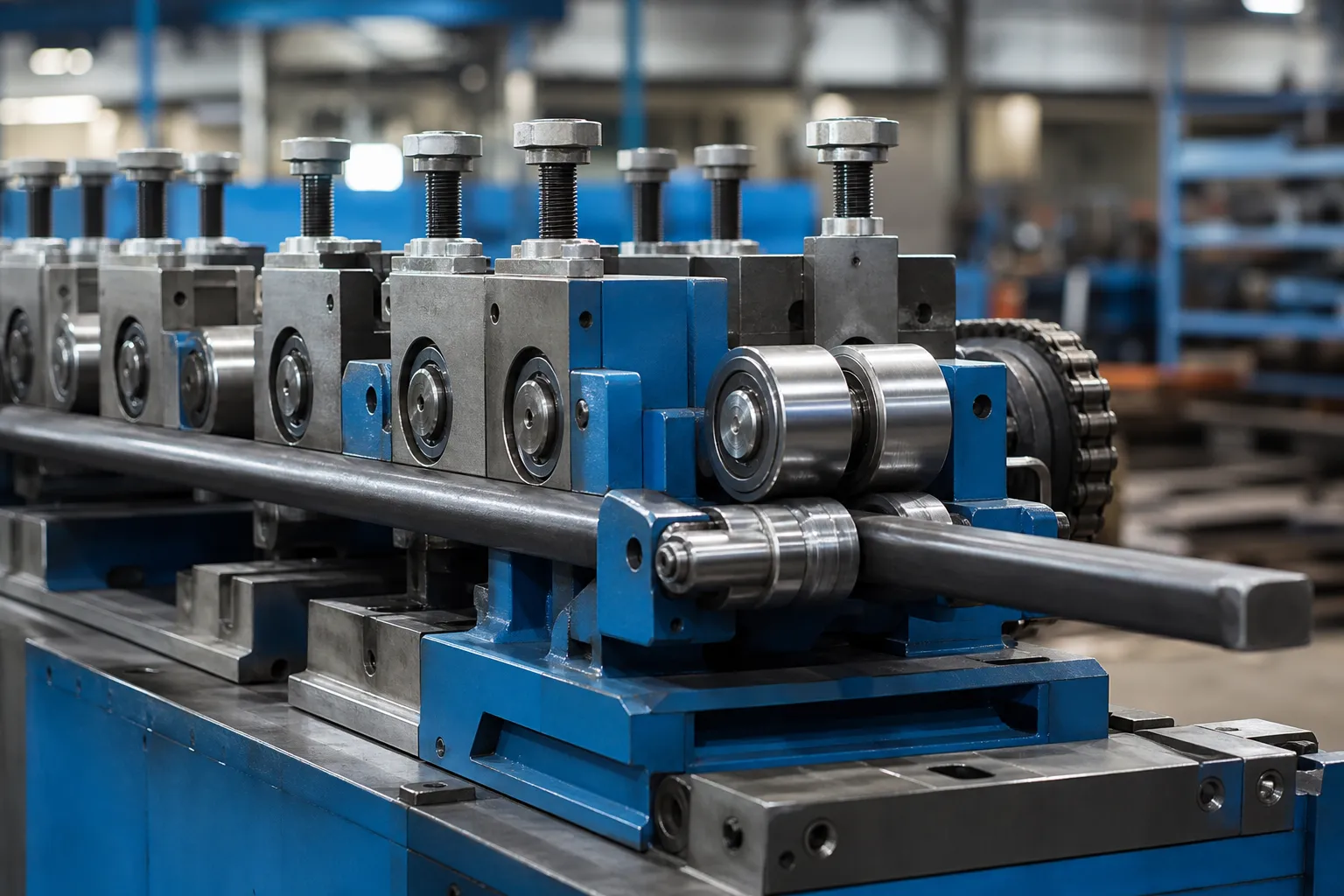
*Minh họa khái niệm kỹ thuật. Đây không phải là một bài kiểm tra vật chất, mô hình ứng suất hoặc kết quả làm thẳng đã được xác minh.*
Hiệu ứng vật lý là gì
Nói một cách dễ hiểu: một kim loại đã được uốn dẻo theo một cách dễ dàng hơn khi nó được uốn theo cách khác. Trên đường cong ứng suất - biến dạng, một thanh kéo vượt quá năng suất, dỡ hàng, và sau đó được tải khi nén đạt đến điểm chảy mới ở cường độ thấp hơn giới hạn chịu kéo ban đầu. Lý do về cấu trúc vi mô là do biến dạng dẻo làm cho mạng tinh thể có nhiều sai lệch được sắp xếp để chống lại sự biến dạng thêm theo hướng tải.; khi tải đảo ngược, sự sắp xếp tương tự giúp trượt theo hướng ngược lại, vì vậy năng suất ngược bắt đầu sớm. Hiệu ứng mạnh nhất ngay sau lần đảo chiều đầu tiên và bão hòa sau một vài chu kỳ, và nó rõ ràng hơn ở mức độ nhẹ nhàng hơn, điều kiện có hàm lượng carbon thấp hơn so với điều kiện cứng hơn.
Hai hậu quả quan trọng đối với việc làm thẳng. Đầu tiên, đáp ứng lực-độ lệch của vật liệu không đối xứng với dấu uốn: cùng một hành trình ép di chuyển một chỗ uốn theo một hướng tạo ra một bộ cố định khác với hành trình giống hệt được áp dụng cho nó. Thứ hai, mỗi lần dỡ tải đều để lại trạng thái ứng suất dư vi mô bị khóa, vì vậy “như nhau” một phần không bao giờ hoàn toàn giống nhau về chất liệu hai lần một khi việc chỉnh sửa đã bắt đầu. Cả hai hậu quả đều hướng tới cùng một quy trình kỷ luật - một số ít, kế hoạch, các nét chỉnh sửa có mục đích tốt thay vì nhiều nét đảo ngược nhỏ.
Điều này có ý nghĩa gì đối với một cú đánh điều chỉnh
Điều khiển làm thẳng thường giả định mối quan hệ có thể lặp lại giữa hiệu chỉnh được áp dụng và chuyển động tạo ra - cơ sở của thực hành bồi thường hồi xuân. Lịch sử tải ngược đe dọa chính xác khả năng lặp lại đó. Hãy xem xét trình tự quá đúng và nhấn lại cổ điển: hành trình đầu tiên uốn cong phần đó một cách dẻo, cú đánh thứ hai uốn cong nó trở lại. Bởi vì vật liệu sinh ra sớm hơn theo hướng ngược lại, hành trình thứ hai cần ít lực hơn để di chuyển bộ phận đó cùng một lượng, và quy trình điều khiển được hiệu chỉnh theo phản hồi của hành trình đầu tiên sẽ vượt quá. Mỗi lần đảo ngược bổ sung sẽ tạo ra sự trôi dạt trong khi tích lũy thiệt hại do mỏi chu kỳ thấp trong mặt cắt, đó là cơ chế kết nối các trình tự điều chỉnh bất cẩn với các rủi ro bẻ khóa được thảo luận trong quá thẳng và nứt.
Các quy tắc thực tế tuân theo có chất lượng nhưng chắc chắn. Lập kế hoạch điều chỉnh sao cho mỗi vị trí được gia công dẻo theo một hướng chiếm ưu thế, không chơi bóng bàn. Đặt giới hạn làm lại trước hành trình đầu tiên — số lần chỉnh sửa mà một bộ phận có thể nhận được — và thực thi giới hạn đó thông qua Kỷ luật phân loại NOK và giới hạn làm lại. Và khi một quy trình đã bị trôi đi đến mức lỗi danh nghĩa tương tự bây giờ cần nhiều hoặc ít hành động hơn so với khi xác định chất lượng, coi sự thay đổi như một tín hiệu quan trọng để điều tra, không phải như một cái núm để điều chỉnh.
Tại sao tải ngược lại quan trọng
Một bộ phận có thể bị biến dạng tích lũy trong quá trình lăn, vẽ, hình thành, xử lý nhiệt, gia công, vận chuyển hoặc bước điều chỉnh trước đó. Khi quá trình làm thẳng áp dụng uốn ngược, phản hồi có thể phụ thuộc vào lịch sử đó cũng như điều kiện và hình dạng vật liệu hiện tại. Đây là lý do tại sao chỉ bản đồ khúc cua không thiết lập được cửa sổ điều chỉnh an toàn.
| Nhân tố | Câu hỏi thử nghiệm |
|---|---|
| Cấp vật liệu và tình trạng | Điều kiện áp dụng có được ghi lại không, không giả định? |
| Tạo hình/vẽ trước | Lịch sử biến dạng có thể khác nhau giữa các lô? |
| Giai đoạn xử lý nhiệt | Có được phép chỉnh sửa ở giai đoạn này không? |
| Mặt cắt/hình học | Độ cứng có thay đổi dọc theo bộ phận không? |
| Tính năng bề mặt/chức năng | Có hạn chế về rủi ro tiếp xúc hoặc nứt không? |
| Lần làm lại trước đó | Đã xảy ra tải ngược? |
Sử dụng nó như một khái niệm lập kế hoạch thử nghiệm
Khái niệm này sẽ dẫn đến hồ sơ tốt hơn, không phải những tuyên bố không được hỗ trợ. Ghi lại tình trạng đầu vào, vật liệu/lô, giai đoạn sản xuất, bản đồ ban đầu, trình tự hiệu chỉnh, phép đo phát hành, quan sát bề mặt và tình trạng làm lại. Thay đổi từng yếu tố được kiểm soát trong quá trình phát triển và không ngoại suy từ một mẫu đơn giản sang một họ phần khác.
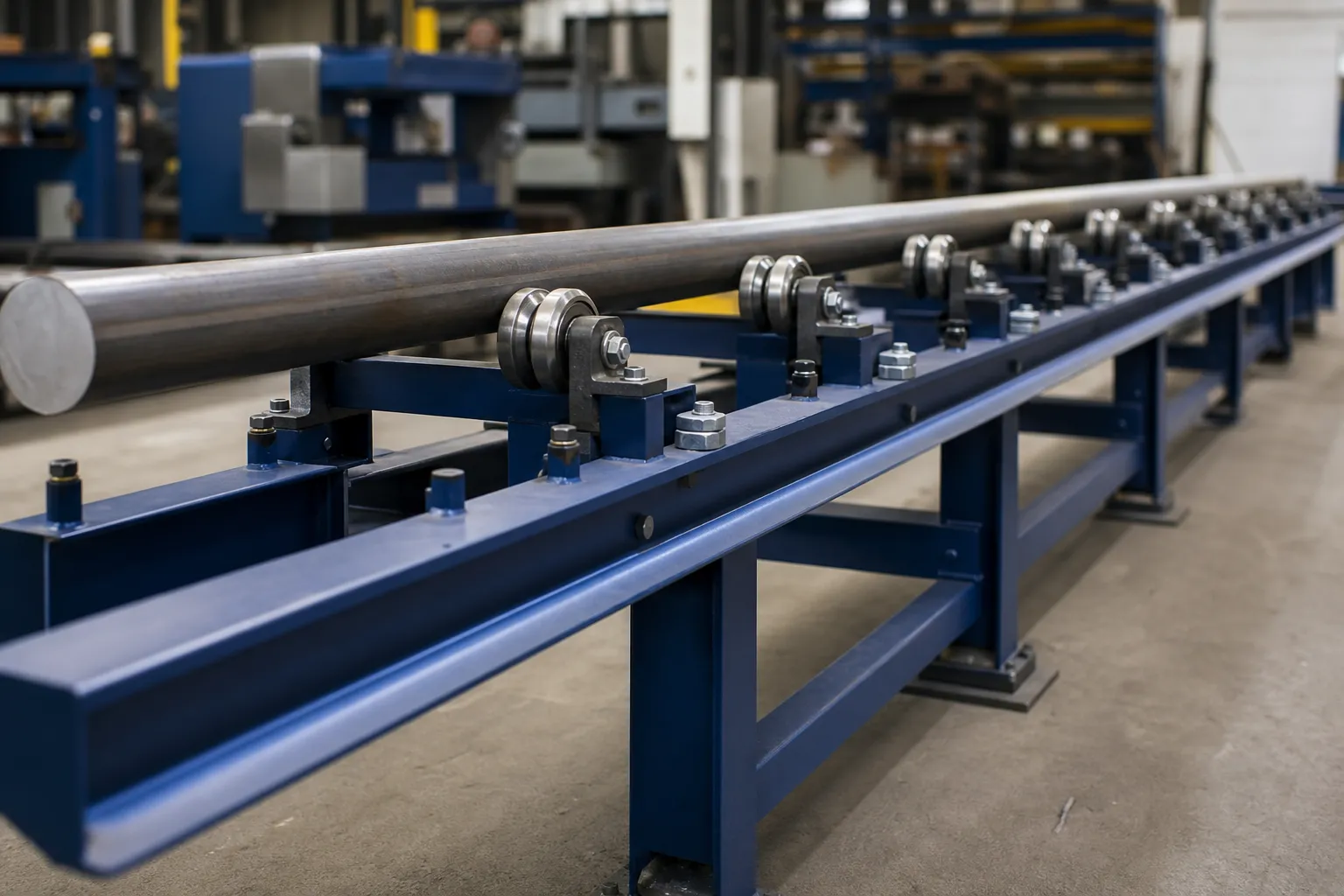
*Minh họa khái niệm kỹ thuật. Ủng hộ, hành vi tiếp xúc và vật liệu yêu cầu xem xét kỹ thuật từng phần cụ thể.*
Tránh gọi kết quả là “được kiểm soát bởi Bauschinger” trừ khi nghiên cứu về vật liệu/quy trình đủ tiêu chuẩn xác định chính xác điều đó có nghĩa là gì. Thuật ngữ này không thay thế yêu cầu vẽ, giấy chứng nhận vật chất, đánh giá gãy xương hoặc phê duyệt của khách hàng.
Nơi ẩn lịch sử tải trong phần thực
Độ nhạy tải ngược không yêu cầu thao tác làm thẳng trước đó — hầu hết các bộ phận đều có lịch sử được ghi vào chúng. Thanh và dây chịu biến dạng định hướng khi lăn và kéo, do đó phản ứng uốn cong của chúng khác nhau theo hướng so với hướng máy nghiền. Các bộ phận được xử lý nhiệt mang theo sự biến dạng dập tắt cộng với trường ứng suất dư của quá trình xử lý, và bất kỳ việc làm thẳng nào được thực hiện tại bộ xử lý nhiệt đều được coi là lịch sử trước đó cho việc chỉnh sửa được thực hiện sau đó - các câu hỏi về giai đoạn được đề cập trong phần làm thẳng sau khi xử lý nhiệt. Các bộ phận mảnh dài tích lũy các uốn cong vận chuyển và kẹp, và một bộ phận đã trải qua một vòng làm lại tại nhà cung cấp sẽ được đưa vào chu trình trước. Ngay cả trong một lô được mua, chiều dài thanh khác nhau có thể đến từ các lò nung khác nhau với lịch sử khác nhau, đó là lý do tại sao thiết lập hiệu chỉnh hoạt động trên phần đầu tiên của lô hàng có thể hoạt động sai ở phần cuối cùng.
Biện pháp đối phó mang tính thông tin, không cơ khí: nắm bắt vật liệu và nhận dạng lô hàng, giai đoạn sản xuất, và bất kỳ bản ghi chỉnh sửa nào trước đó cùng với bản đồ hình học đến. Dữ liệu đó hầu như không mất phí khi nhận và là sự khác biệt giữa một cuộc điều tra trôi dạt mất một buổi chiều và một cuộc điều tra không thể kết thúc.
Đọc hiệu ứng trong dữ liệu sản xuất
Bởi vì hiệu ứng không thể được nhìn thấy trên một phần, nó tự thông báo thông qua các mẫu trong dữ liệu quy trình. Các tín hiệu cần chú ý mang tính cấu trúc hơn là số: số lần sửa cần thiết cho cùng một lỗi xuất hiện tăng dần lên hoặc xuống trong một lần chạy; các phần dao động xung quanh danh nghĩa qua các hành trình xen kẽ thay vì hội tụ; đã đưa ra các phép đo chuyển sang phía đối diện của dải dung sai sau các chuỗi hiệu chỉnh trước đây đã hạ cánh ở giữa; và sự khác biệt giữa các lô trong hoạt động hiệu chỉnh mà không có thay đổi nào trong thiết lập máy. Không có mẫu nào trong số này tự nó là bằng chứng về hành vi lợi suất ngược - mỗi mẫu đều có mô hình đo lường và vật cố định bắt chước, đó là lý do tại sao việc kiểm tra dữ liệu và thước đo được ưu tiên hàng đầu - nhưng cùng nhau chúng biện minh cho việc kéo một mẫu sang một bên để xem xét lịch sử và vật liệu được kiểm soát thay vì tiếp tục điều chỉnh máy.
Tách biệt hành vi vật liệu khỏi lỗi đo lường
Một kết quả được công bố ngoài dự kiến có thể đến từ phản ứng vật chất, mà còn từ chỗ ngồi chuẩn, tuân thủ lịch thi đấu, hỗ trợ/trường hợp, thước đo tương quan hoặc bản đồ lỗi không đầy đủ. Kiểm tra các yếu tố này trước khi xác định nguyên nhân dẫn đến hành vi lợi suất ngược. Nhìn thấy độ lặp lại của vật cố định và chỗ ngồi chuẩn Và độ không đảm bảo đo trong kiểm tra độ thẳng.
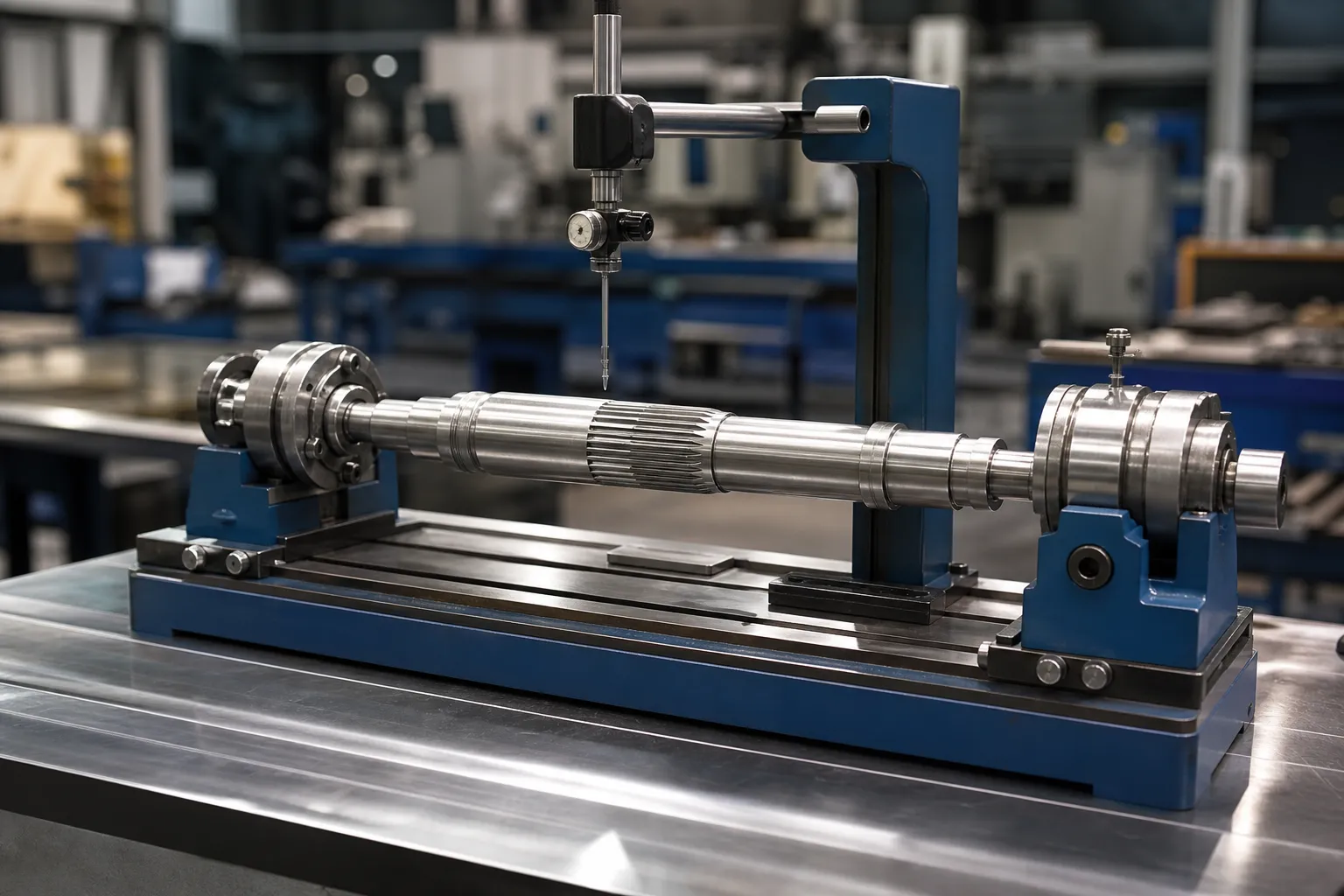
*Minh họa khái niệm kỹ thuật. Phương pháp đo trạng thái giải phóng đã được phê duyệt sẽ xác định kết quả có thể báo cáo.*
Bằng chứng cần thiết trước khi xử lý yêu cầu bồi thường
Cung cấp bản vẽ/sửa đổi, đặc điểm kỹ thuật và tình trạng vật liệu, lịch sử sản xuất, giai đoạn xử lý nhiệt, hồ sơ chỉnh sửa/làm lại trước đó, hình học đến, hạn chế bề mặt, phương pháp đo được chấp nhận và mẫu đại diện. Sử dụng làm thẳng sau khi xử lý nhiệt để làm rõ các điều khiển giai đoạn và thử nghiệm và chấp nhận mẫu thẳng lên kế hoạch thử nghiệm. Sau đó liên hệ với StraighteningTech để thảo luận.
Xác thực bắt buộc trước khi yêu cầu hệ thống
Bất kỳ tuyên bố về hành vi vật chất nào cũng cần có phạm vi vật liệu và quy trình được xác định, tài liệu tham khảo đã hiệu chỉnh, mẫu được xử lý nhiệt đại diện, và dữ liệu đo lường có thể theo dõi. Khả năng chung của máy không phải là kết quả được xác minh cho chủ đề này.
Câu hỏi thường gặp
Hiệu ứng Bauschinger có làm cho các phần bị uốn cong trước đó không thể làm thẳng được không?
KHÔNG. Nó làm cho lịch sử phản hồi phụ thuộc hơn là cố định. Các quy trình xử lý nó bằng cách lập kế hoạch điều chỉnh hoạt động chủ yếu ở mỗi vị trí theo một hướng, giới hạn số chu kỳ hiệu chỉnh trên mỗi phần, và xác nhận quy tắc chỉnh sửa trên các bộ phận đại diện có cùng lịch sử với quá trình sản xuất.
Tại sao việc nhấn một khúc cua lại thường vượt quá?
Bởi vì hành trình ngược gặp vật liệu có ứng suất thấp hơn hành trình tiến. Do đó, lực hoặc độ sâu được hiệu chỉnh theo phản hồi thuận sẽ cung cấp quá mức cho phản hồi ngược. Biện pháp khắc phục là riêng biệt, quy tắc hiệu chỉnh nhỏ hơn cho các nét ngược, hoặc tốt hơn, chiến lược bản đồ lỗi giúp tránh việc đảo ngược nhiều lần cùng một vị trí.
Thiết lập chỉnh sửa có thể được chuyển sang lô vật liệu mới không thay đổi?
Chỉ với bằng chứng. Nhiệt độ nhà máy khác nhau có thể mang lịch sử và điều kiện biến dạng khác nhau, vì vậy những phần đầu tiên của mỗi lô mới phải được coi là mẫu xác nhận: nếu hành vi điều chỉnh phù hợp với đường cơ sở đủ điều kiện, Tiếp tục; nếu nó dịch chuyển, xác nhận lại trước khi chạy. Đây là thông lệ tiêu chuẩn để quản lý biến thể hồi phục được thảo luận cho sự thay đổi hồi xuân giữa các đợt.
Tài nguyên công nghệ làm thẳng liên quan
Nhìn thấy quá trình làm thẳng trục tự động hoạt động như thế nào, thử nghiệm và chấp nhận mẫu thẳng Và độ thẳng của trục so với độ lệch tâm so với TIR đối với các ranh giới kiểm soát chung áp dụng trước bất kỳ yêu cầu nào về năng lực trên Hiệu ứng Bauschinger trong việc làm thẳng.