
Vrstica ne bi smela obravnavati vsakega neprehodnega branja na enak način. Del ima morda težave z nastavitvijo, merilni alarm, popravljivo geometrijsko stanje, odgovor brez napredka, domnevno pomembno težavo ali potrjeno neskladnost. Brez izrazitih poti, večkratni popravek lahko prikrije težavo pri merjenju, poškoduje del, mešanje serij ali ustvarjanje odločitve o kakovosti, ki ji ni mogoče slediti.
Ta članek je okvir za usmerjanje kakovosti. Ne trdi, da StraighteningTech trenutno zagotavlja samodejno razvrščanje, posebne senzorje, zavrnitveni pragovi, programska oprema za sledljivost ali pooblaščena pravila predelave. Te funkcije zahtevajo preverjen lokalni obseg in odobritev kakovosti.
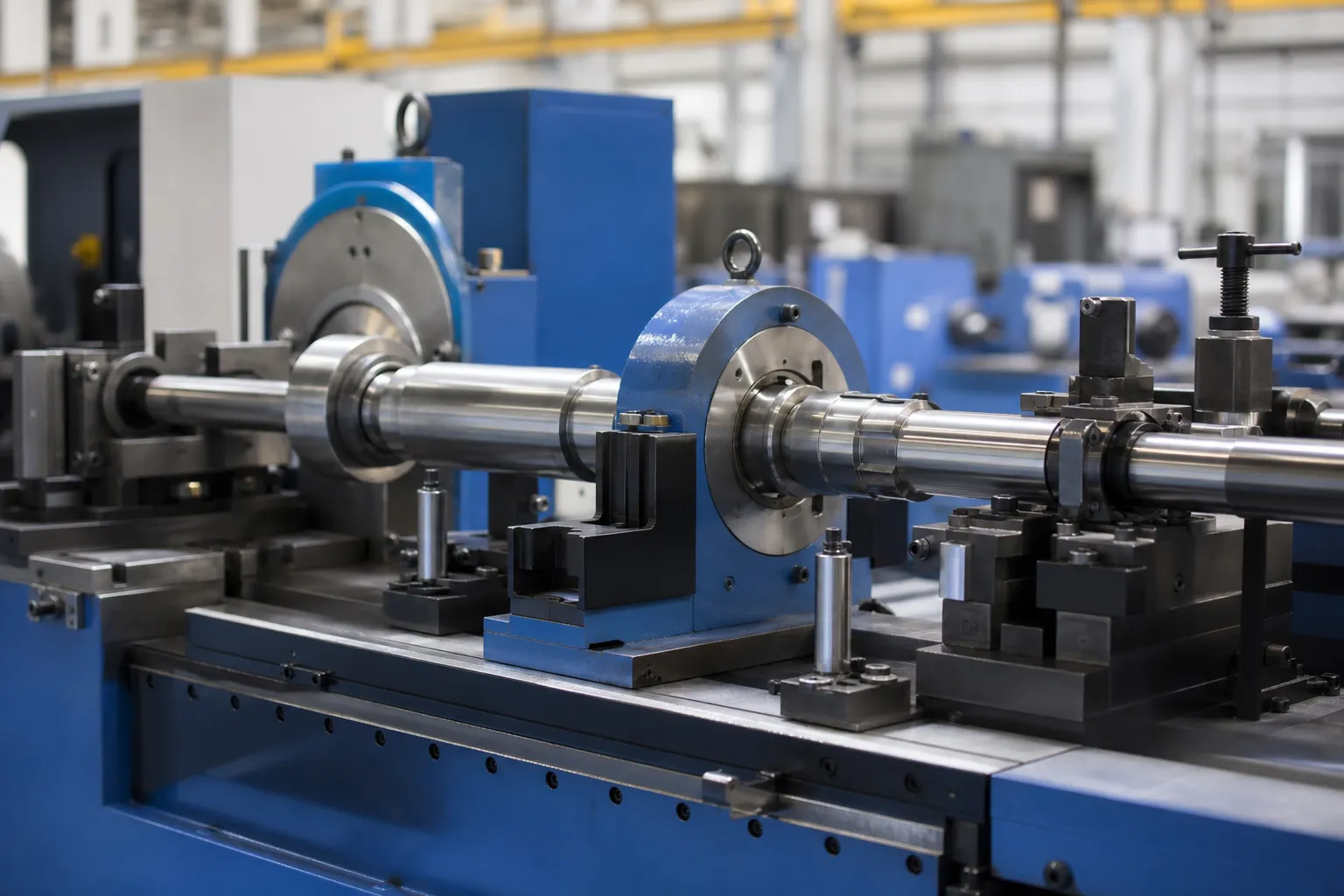
*Ilustracija inženirskega koncepta. Prikazuje proizvodno celico kandidata, ni nameščen samodejni sistem za razvrščanje ali definirana zmožnost odkrivanja napak.*
Določite stanja razpolaganja
Najmanj, razlikovati PASS, DOVOLJ, primerno za predelavo, stop/zadrži in inženiring/pregled kakovosti. Definicije se morajo sklicevati na kontrolirano risbo, merilna metoda, pogoj postopka in pooblastilo za sprostitev. Procesni alarm ni samodejno zavrnjen; morda gre za signal stopnjevanja, ki zahteva preverjanje.
| Država | Zahtevana definicija |
|---|---|
| PASS | Izpolnjuje dogovorjene zahteve glede sproščenega stanja z zahtevanimi zapisi |
| DOVOLJ | Ne izpolnjuje opredeljene zahteve ali ima potrjeno neskladnost |
| Primeren za predelavo | Izpolnjuje dokumentirane pogoje za nov odobren poskus |
| Stop / drži | Zahteva nastavitev, procesni signal, pregled kakovosti ali inženiring pred nadaljnjo obdelavo |
| Inženirski pregled | Potrebuje nadzorovano odločitev zunaj običajne avtomatske poti |
Težave z namestitvijo ločite od neskladnosti delov
Pred usmerjanjem dela kot NOK, razmislite, ali je signal lahko posledica namestitve referenčne točke, variacija napeljave, stanje senzorja, delna identiteta, napačen recept ali neodobreno stanje podpore. Postopek bi moral opredeliti dovoljena preverjanja za čiščenje/ponovno namestitev/ponovitev in preprečiti neomejene ponovne poskuse.
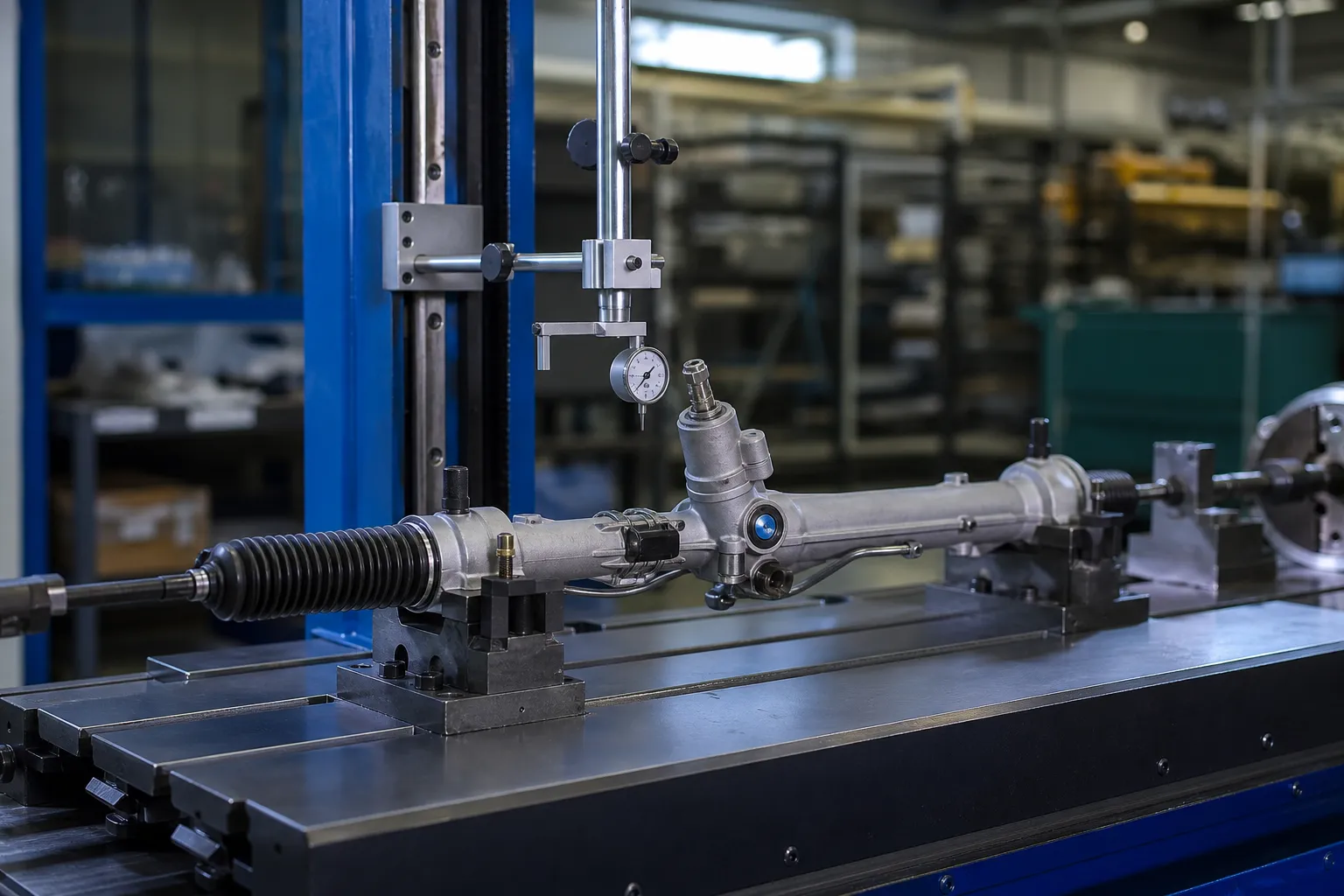
*Ilustracija inženirskega koncepta. Prikazuje točko odločitve o merjenju, ni dokaz samodejne klasifikacije ali posebnega pravila alarma.*
glej ponovljivost vpenjala in nastavitev referenčne točke in zaznavanje razpok med samodejnim ravnanjem za ločevanje med signalom in njegovim preverjenim vzrokom.
Nastavite mejo predelave pred prvim popravkom
Predelava mora biti odobrena pot z opredeljenim največjim številom poskusov, dovoljeni pogoji stika/podpore, zahteva po ponovnem merjenju, preverjanje površine/značilnosti in pooblastilo za nadaljevanje ali ustavitev. Omejitev ni univerzalno število; odvisno od materiala, faza postopka, tveganje funkcije, zahteve strank in potrjen odziv. Ko se del ne odzove po pričakovanjih, ustrezno dejanje je lahko zadržanje ali zavrnitev in ne dodatna sila.
Why Unlimited Retries Corrupt the Line
Allowing a line to re-correct a part until the gauge finally passes feels productive and quietly destroys two things. The first is the part itself: every plastic bending cycle consumes a share of the section’s low-cycle fatigue life, and the reverse-loading behavior described for reverse loading in straightening means later cycles move the material more per unit force than earlier ones did. A part that reaches tolerance on its sixth attempt is not equivalent to one that reached it on the first, even though both read PASS.
The second casualty is the line’s own information. When retries are unlimited, the gauge sees only eventual outcomes: parts that converge, slowly, under repeated force. A drifting correction setup, a worn anvil, a bad lot of stock and a genuinely struggling part family all produce the same visible symptom — more attempts per part — and none of them generates a stop condition. The retry count is one of the cheapest and most informative process signals a straightening line produces, and it only exists as data if the line is required to stop and route the part at a defined limit instead of looping.
Thinking of the Rework Limit as a Budget
A more useful mental model than “three strikes” is a budget of deformation that each part may spend. The budget is set by the material’s condition and the consequence of failure in service, and it is spent by every correction stroke — forward or reverse. A hardened safety-critical shaft and a soft structural bar may carry very different budgets, which is why no universal rework number is defensible and why the limit belongs to the part family’s validated process, reviewed by quality. The same budget concept explains a rule that otherwise looks arbitrary: a part that has consumed its budget and still fails is rejected even though one more attempt might conceivably pass, because the part that would emerge is no longer the part the drawing specifies in any meaningful sense.
Budgets also need edges. Two conditions that stop rework regardless of remaining attempts are no-progress — corrections that stop changing the geometry, indicating the process is no longer engaging the error — and overshoot oscillation, where each attempt moves the part from one side of tolerance to the other. Both are stop signals, not tuning opportunities, and both feed the integrity-review concerns that repeated plastic cycling raises.
Ohranite izolacijo in sledljivost
Vsaka dispozicija mora ohraniti identiteto dela/serije, različica risbe/recepta, pogoj merjenja, poskusi popravkov, rezultat, dogodek operaterja/avtomatizacije, čas, revizijska odločitev in fizična lokacija. Izolacija mora preprečiti, da bi se zadržani ali NOK del vrnil v tok PASS brez izrecne avtorizacije.
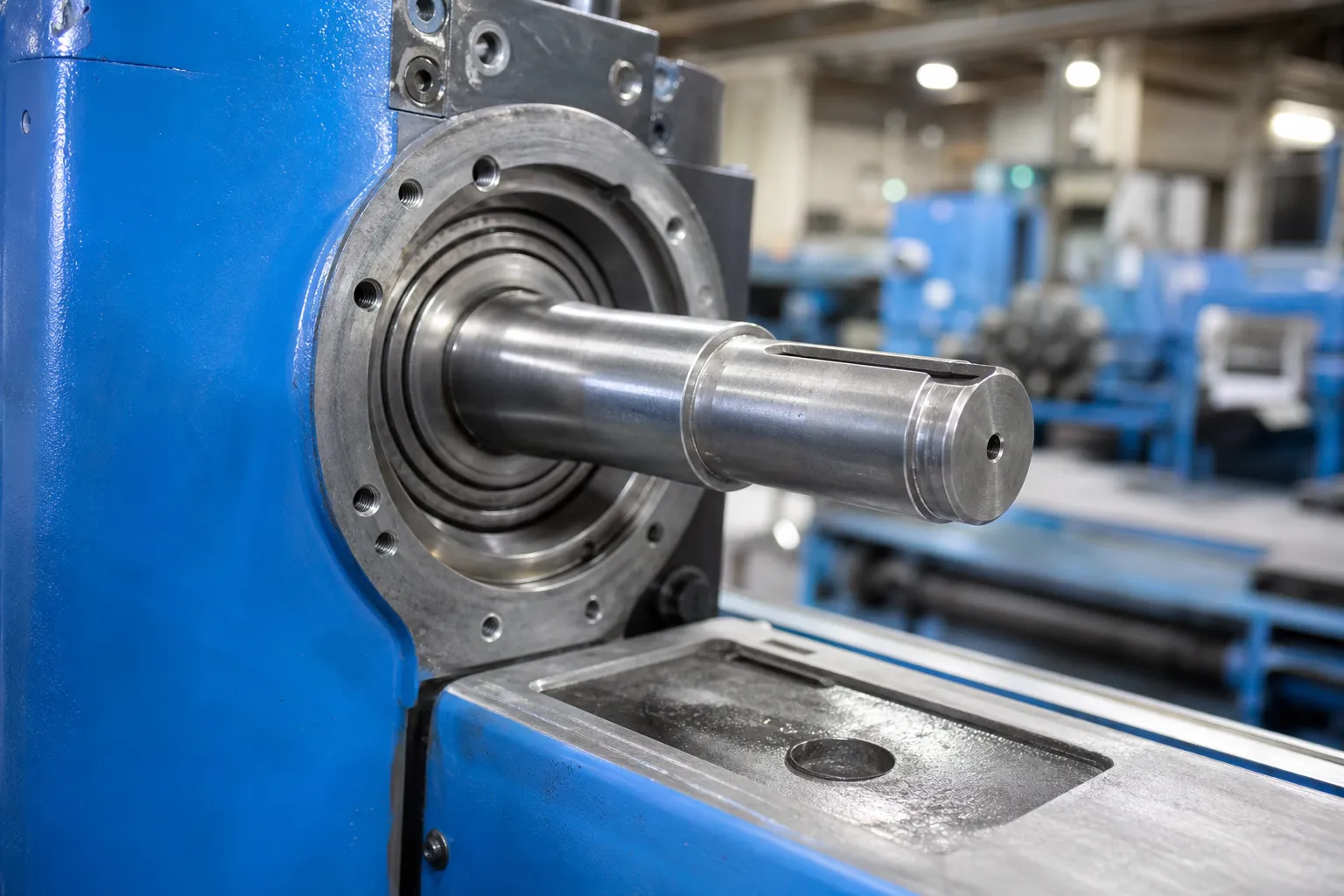
*Ilustracija inženirskega koncepta. Poudarja preverjanje sproščenega stanja in zabeleženo odlaganje, ni obljuba vmesnika DMC/MES ali samodejnega sortirnika.*
Designing Segregation That Cannot Be Defeated
Disposition states only work if the physical line enforces them. The failure mode is always the same: a held or NOK part re-enters the good flow during a busy shift, through an operator judgment call, a shared conveyor or an unlabeled tote. Effective segregation design follows mistake-proofing logic rather than instruction signs. Good and rejected parts take different physical paths with no shared section where a part can be redirected by hand. Hold locations lock or require an access step that itself creates a record. Labels and bins are part-specific, not generic scrap tags, so a held-for-review part cannot decay into anonymous scrap or anonymous stock. Where volume justifies it, diverters and gates make the routing decision the machine’s, not the operator’s — the automation boundary discussed in manual versus automatic straightening applies to disposition as much as to correction.
The record side has the same anti-defeat requirement. A disposition that lives only in an operator’s memory, or in a spreadsheet anyone may edit, does not survive an audit or a containment event. The minimum durable record is the tuple — part identity, veliko, drawing and recipe version, pogoj merjenja, attempt count, rezultat, decision, decision-maker, time — retained long enough to answer the customer question that eventually comes: which parts from that week, from that machine, from that shift.
What the Disposition Data Buys Later
A line that routes honestly accumulates, as a by-product, the dataset that every improvement program wishes it had. Attempt-count trends flag tooling wear and setup drift while they are still cheap to fix. Lot-to-lot shifts in incoming geometry point upstream to suppliers with evidence instead of complaints. The ratio of setup-issue holds to true part nonconformances measures how much of the line’s apparent quality problem is actually its measurement and fixturing — information directly relevant to planning a merilnik R&R študija. And when a customer raises a field concern, traceability converts a week of panic into an afternoon of records. None of that value survives a culture of retry-until-pass; all of it is the natural dividend of the routing discipline described here.
Zgradite pot preverjanja in stopnjevanja
- identificirati del, veliko, risanje in recept;
- preverite nastavitev meritev/podatkov v okviru odobrenih pregledov;
- ujemite branje, stanje procesa in kakršno koli opozorilo;
- uporabi samo dovoljeno pot predelave, ko je upravičenost potrjena;
- sprostitev in ponovno merjenje pod dogovorjenim pogojem;
- pot PASS, DOVOLJ, zadrževanje ali inženirski pregled;
- ohraniti sledljivost in fizično ločitev;
- uporabite ponavljajoče se vzorce za sprožitev postopka ali pregleda kakovosti.
Za arhitekturo potrebnih dokazov, glej preskus vzorca ravnanja in prevzem in Gage R&R za ravnanje linij.
Vrata brez napredka in meja popravkov
Točna fraza meja korekcije ravnanja brez prehoda napredka je medicinsko onesnažen v SERP, tako kanonična logika brez napredka živi na strani za razvrščanje in omejitev predelave NOK. Določite maksimalne korekcijske cikle, force/stroke ceilings and mandatory stop/sort actions before production release.
pogosta vprašanja
Ali NOK vedno pomeni odpad?
št. Država NOK lahko zahteva preverjanje, kontrolirano predelavo, inženirski pregled ali končna zavrnitev glede na odobreno kakovostno traso.
Ali lahko vrstico poskusi znova, dokler branje ne mine?
št. Predelava zahteva določeno omejitev največjega števila poskusov in pooblastilo za kakovost. Neomejeni ponovni poskusi lahko prikrijejo problem postopka ali merjenja.
Ali ta članek pomeni, da ima vrstica samodejno razvrščanje?
št. Je usmerjevalni okvir. Dejansko razvrščanje, sledljivost in funkcije vmesnika zahtevajo ločeno preverjanje.
Why does the attempt count matter more than the final reading?
Because the final reading describes where the part ended, while the attempt count describes what it cost to get there. Two parts reading identical PASS values are not equivalent if one took a single correction and the other took a full budget of repeated cycles. The attempt count is also the line’s earliest drift alarm — a setup, tooling or material change usually shows up as more attempts per part long before it shows up as rejects.
Should rework limits differ between part families?
ja. The limit is a deformation budget set by material condition, feature risk and service consequence, so a hardened safety-critical shaft and a soft structural bar justify different numbers. The limit belongs to each family’s validated process with quality approval, not to the line as a single setting.
What is the minimum physical segregation a small line needs?
Separate paths or lockable, labeled, part-specific containers for PASS, hold and NOK — arranged so a held part cannot return to the good flow without a recorded, authorized step. The design principle is that doing the wrong thing must require effort, not just discipline. Escalate to machine-controlled diverters when volume or staffing makes human routing unreliable.
Sorting decisions are also capacity decisions – the ročna in samodejna primerjava in ROI etui za samodejno ravnanje both price the NOK stream a manual line tends to hide.