
Yon tès akseptasyon faktori se pa yon demonstrasyon machin kout. Pou yon sistèm redresman, FAT ta dwe verifye fanmi pyès travay la te dakò, desen kontwole, metòd mezi, wout koreksyon, akseptasyon eta lage, sekirite, dosye ak pwosesis louvri-atik anvan chajman. Li pa ranplase akseptasyon sit la, chèk sèvis piblik/koòdone kliyan, validasyon final enstalasyon oswa prèv pwodiksyon soutni.
Gid sa a se yon kontra ak kad kalite. Li pa fè reklamasyon ke StraighteningTech itilize yon pwotokòl FAT patikilye, bay tout dokiman oswa ka aksepte yon machin san yon akò espesifik kliyan. Kontra a, URS, revizyon risk ak plan akseptasyon kontwole defini dimansyon final la.

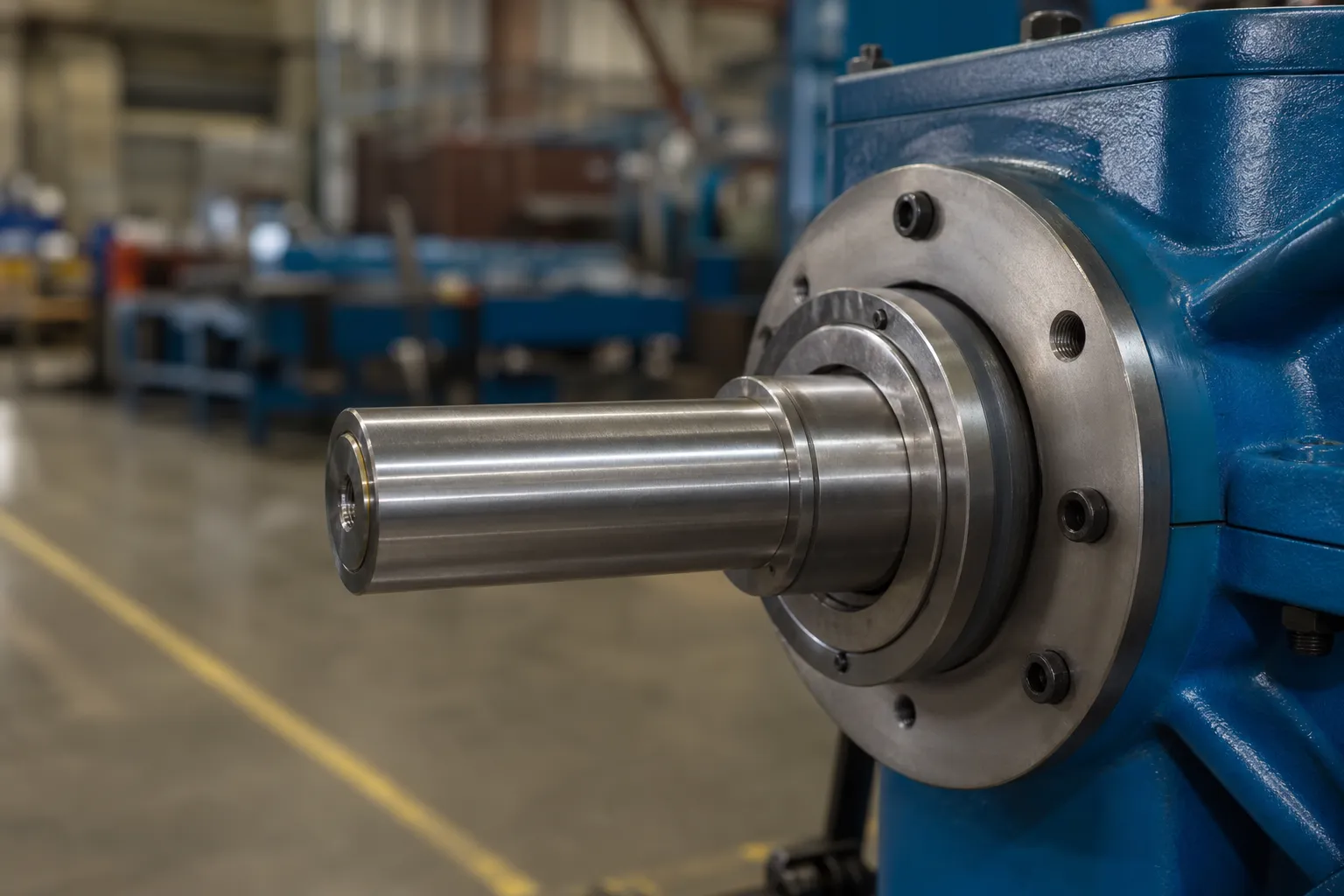
*Jeni konsèp ilistrasyon. Li reprezante yon kontèks pwosesis FAT kandida, pa prèv ke yon machin espesifik, Yo aksepte fonksyon sekirite oswa rezilta pèfòmans.*
Jele antre GRIS yo anvan tès la
Konfime konfigirasyon machin lan, echantiyon materyo kontwole, revizyon desen, etap materyèl/pwosesis, done, kalib kliyan, karakteristik akseptasyon, zòn kontak yo pèmèt, kondisyon tès sib yo, jaden done yo, kondisyon sekirite ak siyatè responsab. Yon tès pa ka pwouve yon kondisyon ki pa defini.
| D 'GRÈS | Poukisa li enpòtan |
|---|---|
| Reprezantan ak echantiyon fwontyè | Demontre fanmi an dakò, pa sèlman yon pati demonstrasyon fasil |
| Kliyan/apwouve kalib | Konekte lekti liy yo ak metòd akseptasyon entansyon an |
| Desen ak done | Defini karakteristik yo ki aktyèlman verifye |
| Pwosesis/revizyon resèt | Anpeche yon tès itilize paramèt ki pa apwouve yo |
| Sekirite ak manyen dimansyon | Asire tès la kouvri gad yo, anklansman ak mouvman pyès materyo |
What a FAT Can and Cannot Certify
The honest scope of a factory acceptance test is narrow and valuable: it certifies that, on the agreed day, with the agreed parts, gauges and witnesses, the system performed the defined sequence and produced the defined records. It does not certify sustained capability — that accrues from weeks of production data after installation, which is what site acceptance and early-production reviews sample. It does not certify every future part variant — each new family carries its own qualification. And it does not certify the customer’s own processes — staffing, material flow, gauge maintenance — which determine much of real-world performance, jan yo diskite nan manual versus automatic straightening. Writing this boundary into the FAT plan protects both sides: the buyer knows what evidence they are buying, and the supplier is not held to an open-ended demonstration.
Designing the Challenge Parts
The weakest FATs demonstrate the machine on the easiest available parts; the strongest exercise it on parts chosen to probe the edges of the agreed scope. Designing those challenge parts is a joint exercise with a short checklist of its own. Geometric edge: include at least one part with the worst incoming distortion the production contract expects, because a machine that only proves itself on moderate bends has not demonstrated its working range. Family edge: if the contract covers a range of diameters or sections, the FAT samples both ends of the range, not the comfortable middle. Event edge: deliberately include a part that must be routed hold or NOK, to prove the exception path — many machines that pass every good part have never demonstrated what happens with a bad one until it matters. Condition edge: reseating, a changeover within the agreed scope, and a recovery from an interrupted cycle each test the state machine rather than the press. None of these is a trap; every one is a scenario production will deliver within the first month, and the factory floor is the cheapest place to see the response for the first time.
Verifye mezi ak akseptasyon Eta a
FAT ta dwe anrejistre jeyometri fèk ap rantre, konfigirasyon done, estasyon mezi, evènman koreksyon, remezurasyon eta lage, enspeksyon sifas/karakteristik ak konparezon ak metòd referans apwouve a. Yon lekti anba fòs oswa kontrent tanporè se pa yon rezilta akseptasyon final sof si akò a defini klèman.
*Jeni konsèp ilistrasyon. Li mete aksan sou verifikasyon eta lage; se pa yon dosye FAT kliyan oswa prèv yon metòd akseptasyon inivèsèl.*
Sèvi ak chaje kont lage mezi dwat and machine gauge versus customer gauge correlation to define the measurement boundary.
Teste Pwosesis la, Se pa sèlman pi bon pati a
Mete pati nòmal reprezantan yo ak pati defi/fwontyè yo te dakò. Kondisyon defi yo ka gen ladan yon kondisyon jeyometri deklare, varyasyon nan fanmi an pwodwi pèmèt, yon chanjman valab, yon evènman kenbe/NOK kontwole, yon chèk retabli oswa yon lòt senaryo kliyan apwouve. Objektif la se pa fòse yon echèk; se pou verifye repons ak dosye defini yo.

*Jeni konsèp ilistrasyon. Li montre seleksyon metòd espesifik pyès travay la, se pa yon afimasyon ke chak varyant kandida ki dwe nan sijè ki abòde FAT la.*
Tcheke Sekirite, Done ak wout eksepsyon
Verifye gad yo te dakò a, sispann fonksyon, manyen pwoteksyon, alam, dosye done yo, idantifikasyon resèt/vèsyon, fonksyon trasabilite kote kontrakte yo, ak PASS/NOK/kenbe routage. Yon ekspozisyon ki montre yon estati pa ase: FAT a ta dwe defini sa ki te defye, repons obsève a, prèv la kenbe ak ki moun ki apwouve li.
Pou kontwòl ki gen rapò, wè NOK klasman ak retravay limit and straightening-line traceability and DMC.
Dosye Devyasyon ak Atik Louvri
Chak devyasyon ta dwe idantifye kondisyon an, prèv, enpak, pwopriyetè, aksyon korektif, dat limit ak metòd fèmen. Fini FAT pa vle di tout devyasyon disparèt; sa vle di dispozisyon yo te dakò dokimante. Louvri atik ki afekte sekirite, akseptasyon oswa plan enstalasyon sit la dwe pote nan SAT ak transmisyon final la.
The Measurement Segment Deserves Its Own Agenda Item
Between the mechanical demonstration and the paperwork, the measurement segment of a straightening FAT is where acceptance substance lives, and it deserves explicit time on the agenda rather than leftovers. Three demonstrations earn their place. The reseat demonstration: a witness part measured, unloaded, reloaded and remeasured, with the spread on record — this is the machine’s measurement floor, and every later agreement about tolerances silently rests on it. The released-state demonstration: parts remeasured after correction force and restraint are removed, pou chak loaded versus released discipline, so the report values are the values that ship. The correlation demonstration: the same parts read on the machine and on the customer’s reference method, with the comparison on record. Whether a full gage R&R etid belongs inside the FAT or follows as a site activity is a scoping decision — but a FAT that measures nothing, measures only under force, or measures only with the supplier’s own gauge has documented a demonstration, not an acceptance.
Recognizing a Weak FAT Before You Sign It
Weak acceptance tests share a recognizable signature, and naming it helps buyers push back and suppliers self-correct. The golden-part pattern: the same easy workpiece, prepared in advance, demonstrated repeatedly while nothing from the contract’s boundary conditions appears. The undefined-condition pattern: readings quoted without stating support, restraint or gauge — numbers floating free of method. The exception-path silence: the test ends without ever routing a hold or NOK part, so the sorting logic and its records are untested at handover. The retrospective paperwork: records assembled after the test from memory, which fails the first audit that asks for contemporaneous evidence. And the disappearing open items: deviations acknowledged verbally at the test that surface in no document, no owner and no SAT carry-forward. Any one of these is a reason to extend the FAT, not a reason to renegotiate its meaning afterward.
Lis verifikasyon FAT
- echantiyon kontwole, desen, mezi ak metòd akseptasyon ki disponib;
- konfigirasyon, aparèy/zouti ak revizyon resèt idantifye;
- mezi/datum ak metòd eta lage demontre;
- nòmal ak dakò pati fwontyè/defi anrejistre;
- pwoteksyon sifas/karakteristik ak chèk endepandan obligatwa adrese;
- sekirite, manyen, alam ak repons eksepsyon teste;
- dosye, trasabilite/ekspòtasyon kote kontra ak kondisyon backup revize;
- devyasyon, atik louvri, pwopriyetè yo ak lis SAT pote pou pi devan dokimante;
- Otorite bon jan kalite kliyan/founisè yo siyen rapò a te dakò.
Pou enstalasyon sit ak operasyon soutni, use straightening machine SAT checklist after FAT. Pou echantiyon prèv, wè redresman echantiyon tès ak akseptasyon.
FAQ
Èske FAT pwouve kapasite pwodiksyon final la?
Non. FAT verifye dimansyon tès faktori a te dakò. Kondisyon sit la, koòdone kliyan yo, enstalasyon, mezi ak pwodiksyon soutni mande pou SAT ak plis prèv.
Èske yon kout sèk kouri ranplase akseptasyon pyès travay la?
Non. FAT bezwen echantiyon kontwole, metòd done/kalib, verifikasyon eta lage ak repons dokimante nan kondisyon yo te dakò.
Èske yon atik louvri ka inyore apre FAT?
Non. Li dwe gen yon pwopriyetè dokimante, risk/dispozisyon ak wout fèmen, souvan pote nan SAT.
How many parts should a straightening FAT process?
Enough to cover the agreed matrix, not a fixed count: representative normal parts from the family, the geometric and family-edge challenge parts, and at least one part routed to hold or NOK to demonstrate the exception path. The contract scope defines the matrix; the test plan should list each part and what it is there to demonstrate.
Should a gage R&R study be part of the FAT?
It depends on scope and schedule. The FAT should at minimum demonstrate reseating repeatability, released-state measurement and correlation to the customer gauge. A full repeatability-and-reproducibility study is often better executed at site with the customer’s own operators and environment — but then it must appear in the SAT plan, not disappear between the two documents.
Who should witness the FAT?
The buyer’s quality function, not only procurement. The people who will own acceptance records, maintain the gauges and answer for the line’s disposition logic are the right witnesses for reseat spreads, released-state readings and exception-path behavior — and their signature on the report is what makes it an acceptance rather than a demonstration.