
Tovární přejímací test není krátkou ukázkou stroje. Pro narovnávací systém, FAT by měl ověřit dohodnutou rodinu obrobků, řízená kresba, metoda měření, opravná trasa, uvolněný stav přijetí, bezpečnost, záznamy a proces otevření položky před odesláním. Nenahrazuje přijetí webu, zákaznické kontroly utility/rozhraní, ověření konečné instalace nebo trvalý důkaz o výrobě.
Tato příručka je smlouvou a rámcem kvality. Netvrdí, že StraighteningTech používá konkrétní protokol FAT, dodává každý dokument nebo může přijmout stroj bez dohody se zákazníkem. Smlouva, URS, kontrola rizik a plán řízené přejímky definují konečný rozsah.

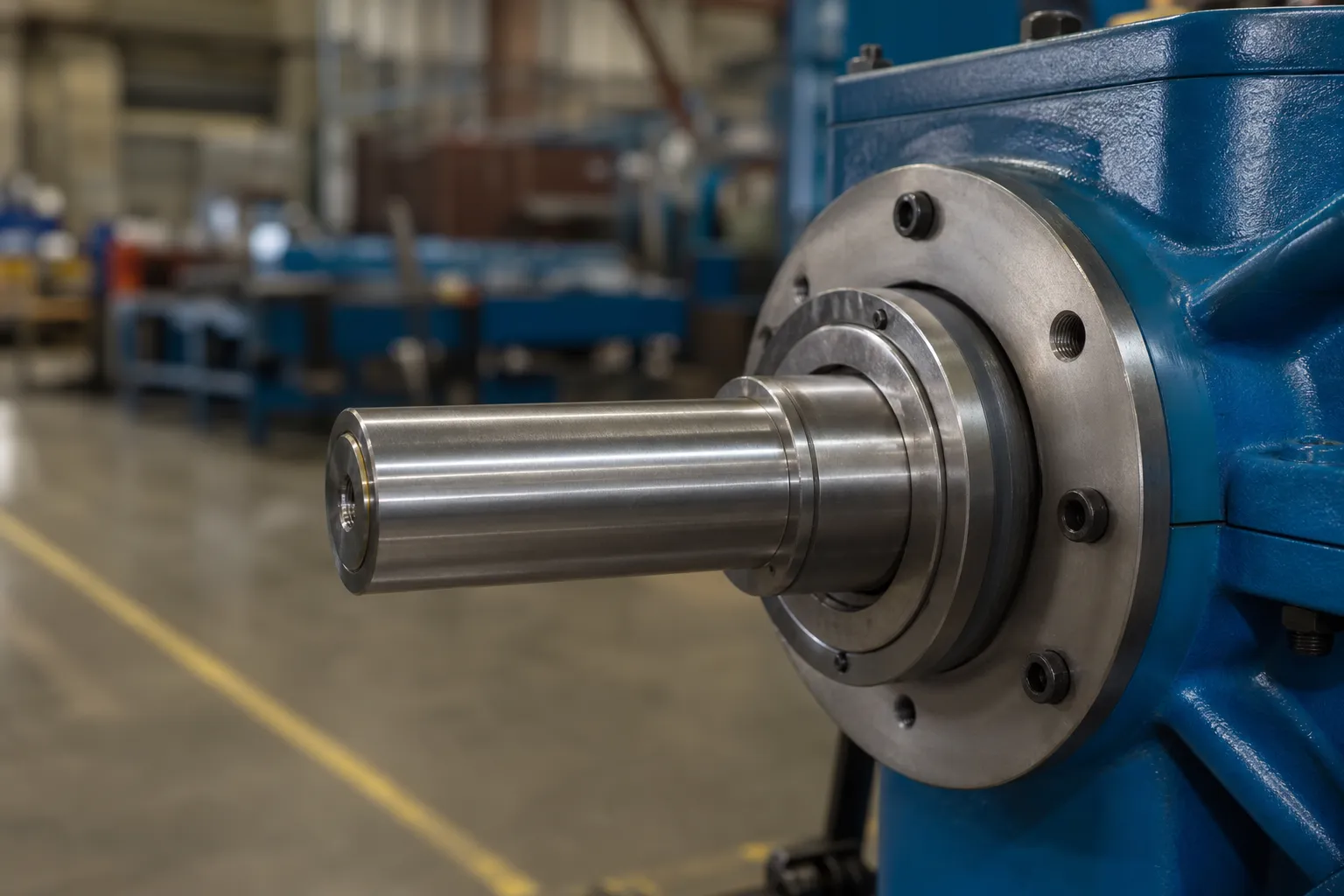
*Inženýrský koncept ilustrace. Představuje kandidátský kontext procesu FAT, není důkazem, že konkrétní stroj, bezpečnostní funkce nebo výsledek výkonu byl přijat.*
Před testováním zmrazte vstupy FAT
Potvrďte konfiguraci stroje, kontrolované vzorky obrobků, revize výkresů, fáze materiálu/procesu, datum, zákaznické měřidlo, akceptační charakteristiky, povolené kontaktní zóny, cílové testovací podmínky, datová pole, bezpečnostní požadavky a odpovědné signatáře. Test nemůže prokázat nedefinovaný požadavek.
| Vstup FAT | Proč na tom záleží |
|---|---|
| Reprezentativní a hraniční vzorky | Demonstruje domluvenou rodinu, nejen jednoduchá ukázková část |
| Zákazník/schválené měřidlo | Připojuje odečty řádku k zamýšlené metodě přijetí |
| Kresba a základ | Definuje skutečně ověřovanou charakteristiku |
| Revize procesu/receptury | Zabrání testu v použití neschválených nastavení |
| Bezpečnostní a manipulační rozsah | Zajišťuje, že test pokrývá ochranné kryty, blokování a pohyb obrobku |
What a FAT Can and Cannot Certify
The honest scope of a factory acceptance test is narrow and valuable: it certifies that, on the agreed day, with the agreed parts, gauges and witnesses, the system performed the defined sequence and produced the defined records. It does not certify sustained capability — that accrues from weeks of production data after installation, which is what site acceptance and early-production reviews sample. It does not certify every future part variant — each new family carries its own qualification. And it does not certify the customer’s own processes — staffing, material flow, gauge maintenance — which determine much of real-world performance, jak je diskutováno v manual versus automatic straightening. Writing this boundary into the FAT plan protects both sides: the buyer knows what evidence they are buying, and the supplier is not held to an open-ended demonstration.
Designing the Challenge Parts
The weakest FATs demonstrate the machine on the easiest available parts; the strongest exercise it on parts chosen to probe the edges of the agreed scope. Designing those challenge parts is a joint exercise with a short checklist of its own. Geometric edge: include at least one part with the worst incoming distortion the production contract expects, because a machine that only proves itself on moderate bends has not demonstrated its working range. Family edge: if the contract covers a range of diameters or sections, the FAT samples both ends of the range, not the comfortable middle. Event edge: deliberately include a part that must be routed hold or NOK, to prove the exception path — many machines that pass every good part have never demonstrated what happens with a bad one until it matters. Condition edge: reseating, a changeover within the agreed scope, and a recovery from an interrupted cycle each test the state machine rather than the press. None of these is a trap; every one is a scenario production will deliver within the first month, and the factory floor is the cheapest place to see the response for the first time.
Ověřte měření a přijetí stavu uvolnění
FAT by měl zaznamenávat příchozí geometrii, nastavení vztažného bodu, měřicí stanice, korekční události, přeměření uvolněného stavu, kontrola povrchu/vlastností a porovnání se schválenou referenční metodou. Přečtení pod platností nebo dočasné omezení není konečným výsledkem přijetí, pokud to není výslovně uvedeno ve smlouvě.
*Inženýrský koncept ilustrace. Klade důraz na ověření vydaného stavu; nejedná se o zákaznický záznam FAT ani doklad o univerzální akceptační metodě.*
Použití měření přímosti zatížené versus uvolněné and machine gauge versus customer gauge correlation to define the measurement boundary.
Otestujte proces, Nejen nejlepší část
Zahrňte reprezentativní normální části a dohodnuté části výzvy/mezi. Podmínky výzvy mohou zahrnovat deklarovanou podmínku geometrie, odchylka v povolené skupině produktů, platný přechod, řízená událost hold/NOK, kontrola opětovného usazení nebo jiný zákazníkem schválený scénář. Účelem není vynutit si selhání; jde o ověření definované odpovědi a záznamů.

*Inženýrský koncept ilustrace. Zobrazuje výběr metody specifické pro obrobek, není tvrzení, že každá kandidátská varianta patří do rozsahu FAT.*
Zkontrolujte bezpečnost, Data a trasy výjimek
Ověřte dohodnuté střežení, funkce zastavení, manipulační pojistky, alarmy, datové záznamy, identifikace receptury/verze, funkce sledovatelnosti tam, kde jsou smluvní, a směrování PASS/NOK/hold. Displej zobrazující stav nestačí: FAT by měl definovat, co bylo napadeno, pozorovanou odezvu, uchovávané důkazy a kdo je schválil.
Pro související ovládací prvky, vidět Limity třídění a přepracování NOK and straightening-line traceability and DMC.
Zaznamenejte odchylky a otevřené položky
Každá odchylka by měla identifikovat požadavek, důkaz, dopad, majitel, nápravné opatření, datum splatnosti a způsob uzavření. Dokončení FAT neznamená, že všechny odchylky zmizí; znamená to, že dohodnutá dispozice je zdokumentována. Otevřete předměty, které ovlivňují bezpečnost, acceptance or the site installation plan must be carried into SAT and final handover.
The Measurement Segment Deserves Its Own Agenda Item
Between the mechanical demonstration and the paperwork, the measurement segment of a straightening FAT is where acceptance substance lives, and it deserves explicit time on the agenda rather than leftovers. Three demonstrations earn their place. The reseat demonstration: a witness part measured, unloaded, reloaded and remeasured, with the spread on record — this is the machine’s measurement floor, and every later agreement about tolerances silently rests on it. The released-state demonstration: parts remeasured after correction force and restraint are removed, za loaded versus released discipline, so the report values are the values that ship. The correlation demonstration: the same parts read on the machine and on the customer’s reference method, with the comparison on record. Whether a full měřidlo R&R studie belongs inside the FAT or follows as a site activity is a scoping decision — but a FAT that measures nothing, measures only under force, or measures only with the supplier’s own gauge has documented a demonstration, not an acceptance.
Recognizing a Weak FAT Before You Sign It
Weak acceptance tests share a recognizable signature, and naming it helps buyers push back and suppliers self-correct. The golden-part pattern: the same easy workpiece, prepared in advance, demonstrated repeatedly while nothing from the contract’s boundary conditions appears. The undefined-condition pattern: readings quoted without stating support, restraint or gauge — numbers floating free of method. The exception-path silence: the test ends without ever routing a hold or NOK part, so the sorting logic and its records are untested at handover. The retrospective paperwork: records assembled after the test from memory, which fails the first audit that asks for contemporaneous evidence. And the disappearing open items: deviations acknowledged verbally at the test that surface in no document, no owner and no SAT carry-forward. Any one of these is a reason to extend the FAT, not a reason to renegotiate its meaning afterward.
FAT Checklist
- controlled samples, kresby, gauges and acceptance method available;
- configuration, fixture/tooling and recipe revision identified;
- measurement/datum and released-state method demonstrated;
- normal and agreed boundary/challenge parts recorded;
- surface/feature protection and required independent checks addressed;
- bezpečnost, zacházení, alarms and exception response tested;
- evidence, traceability/exports where contracted and backup requirements reviewed;
- deviations, open items, owners and SAT carry-forward list documented;
- customer/supplier quality authorities sign the agreed report.
For site installation and sustained operation, use straightening machine SAT checklist after FAT. For sample evidence, vidět zkouška rovnání vzorku a přejímka.
FAQ
Does FAT prove final production capability?
Žádný. FAT verifies the agreed factory test scope. Site conditions, zákaznická rozhraní, instalace, měřidla a trvalá výroba vyžadují SAT a další důkazy.
Může krátký chod nasucho nahradit přijetí obrobku?
Žádný. FAT potřebuje kontrolované vzorky, metoda datum/měřidlo, ověření uvolněného stavu a zdokumentovaná reakce na dohodnuté podmínky.
Může být otevřená položka po FAT ignorována?
Žádný. Musí mít doloženého vlastníka, riziko/dispozice a cesta uzavření, často přenášeny do SAT.
How many parts should a straightening FAT process?
Enough to cover the agreed matrix, not a fixed count: representative normal parts from the family, the geometric and family-edge challenge parts, and at least one part routed to hold or NOK to demonstrate the exception path. The contract scope defines the matrix; the test plan should list each part and what it is there to demonstrate.
Should a gage R&R study be part of the FAT?
It depends on scope and schedule. The FAT should at minimum demonstrate reseating repeatability, released-state measurement and correlation to the customer gauge. A full repeatability-and-reproducibility study is often better executed at site with the customer’s own operators and environment — but then it must appear in the SAT plan, not disappear between the two documents.
Who should witness the FAT?
The buyer’s quality function, not only procurement. The people who will own acceptance records, maintain the gauges and answer for the line’s disposition logic are the right witnesses for reseat spreads, released-state readings and exception-path behavior — and their signature on the report is what makes it an acceptance rather than a demonstration.